
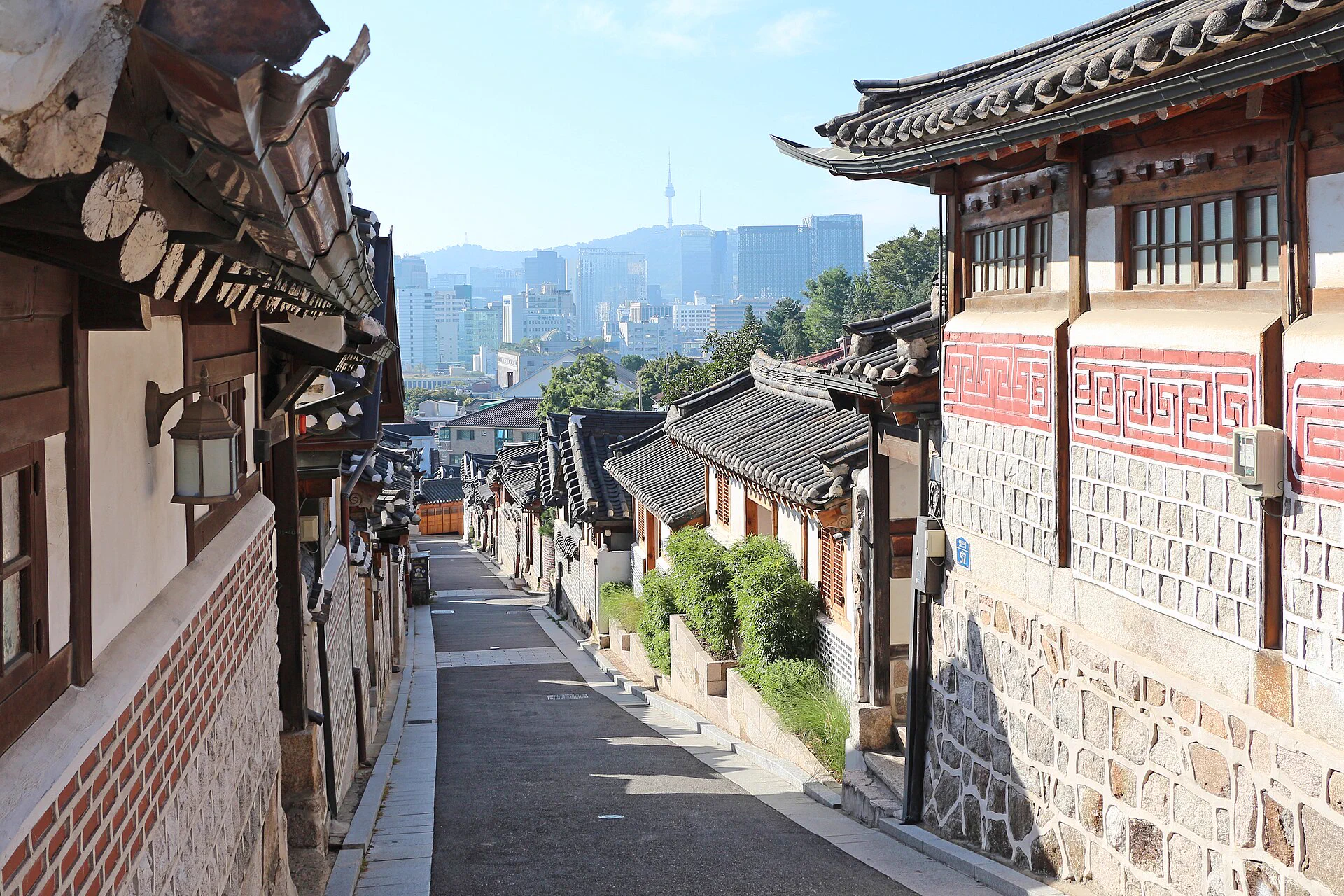
Hahoe Village and Andong old downtown can fit into one day, but they should not be treated as two nearby heritage pins. Hahoe is a living settlement where the value comes from walking slowly, reading the houses against the river bend and leaving residents their ordinary space. Old downtown is a different kind of cultural block: food, a market, a short bridge walk, an indoor stop and a more flexible way back to the hotel. Decide which part deserves the long daylight window before you decide how many places to add.
- Hahoe-led: protect the daytime for the village, the lanes, the landscape and any confirmed performance or exhibition.
- Downtown-led: keep the village visit short and purposeful, then leave room for food, a market or a weather-safe evening.
- Culture-depth day: see fewer buildings but give the settlement enough time to make sense as a place where people still live.
- Public-transport day: calculate the return before committing to a late village departure, not after everyone is tired.
Why Hahoe Village and old downtown need different speeds
Hahoe is not an open-air set built for a fast circuit. Its roads, homes, trees, farmland and river-facing viewpoints form one settlement, and some of the doors and yards belong to residents rather than visitors. Start by looking across the village and understanding its shape. Then choose one public route that your group can walk without turning every lane into a photo queue. A distant view often explains more than a rushed close-up of ten house fronts.
Old downtown gives the trip a human-scale counterpoint. A meal, a market stop, a bridge, a small exhibition or a café can reset the group after the out-of-town transfer. That does not make downtown leftover time. It is where the day can become flexible again. A mixed group can eat, rest or shorten the walk without losing the entire plan. If everyone has the same interest in Hahoe, downtown can be the evening; if interests split, downtown has more practical exits.
The mistake is to measure success by whether both names appear in the itinerary. A full village experience may leave only dinner in town. A careful downtown day may leave Hahoe for a separate morning. Both are stronger than arriving at the village late, running through it, and spending the evening worrying about a return service.
Four route shapes that actually work
| Shape | Best for | How to run it | Trade-off |
|---|---|---|---|
| Hahoe first | First-time visitors who want the village and its landscape to be the main cultural experience. | Leave early, use the most useful daylight for the village, then return downtown for a meal and a short evening. | The city chapter is compact; adding another major site usually makes the return fragile. |
| Downtown first | Late arrivals, travellers needing an easy meal or groups that want a slower start. | Finish one central food or culture block, then go to Hahoe only if the remaining daylight and return are real. | A long meal or market stop can reduce Hahoe to a rushed walk, so the cut line must be agreed in advance. |
| Hahoe depth day | Visitors who care about settlement structure, traditional buildings, landscape and a confirmed cultural programme. | Keep the village as the complete daytime chapter and make downtown dinner the only fixed evening commitment. | You give up extra city attractions, but the cultural reading is much less fragmented. |
| Rain-safe city day | Heavy rain, cold wind, mobility limits, tired children or uncertain rural transport. | Build a complete old-downtown day with food, an indoor cultural stop and a short walk that can end anywhere. | You will not read Hahoe's full landscape, but the day has more exits and less pressure. |
Count the return before the outward journey
A trip from central Andong to Hahoe is not just the advertised ride time. Count the walk to the stop, waiting, boarding, the entrance process, the first lane inside the village and the walk back to the return point. The return deserves more attention than the outward leg. If services are infrequent, one extra building, performance or long photo pause can push dinner and the hotel return together. Save the return stop, the meeting point and the practical alternative before you leave the city.
A taxi changes the calculation from waiting time to cost. For several people, heavy camera bags or difficult weather, it may protect the useful part of the day. It is still not a guaranteed rescue: availability, pickup position and the final fare need to work on the day. A car gives more control but adds parking, driving fatigue and a fixed responsibility after an event. Neither taxi nor car makes the two areas adjacent; they only change the kind of burden you carry.
If a mask-dance performance or a specific exhibition is the reason for the trip, confirm its date, entry arrangement and post-event return before building the day around it. Do not compress the village into a few minutes simply to say you attended a programme. If the programme is optional, protect the village route and the return first. The itinerary should still work if a performance is not running or the group decides not to wait.
How to walk Hahoe without turning homes into scenery
Use the public route to understand the settlement before searching for the strongest photograph. Read how the roofs, walls, trees and roads respond to the slope and the river. Keep doors, courtyards, laundry, working areas and resident traffic private. A low wall is not an invitation to cross it, and a quiet lane is not an empty lane. Stand where visitors are meant to stand, keep voices low near homes, and follow local signs when a path or building is not open.
Families can give children an observation task: where rainwater leaves a courtyard, how a wall blocks wind, or how a house faces the landscape. Older travellers may prefer a lower and shorter circuit with a view from one accessible point. Photographers should allow time to wait rather than trying to finish every lane. The group needs a clear turn-back time, because the final stretch is when a cultural walk becomes a race for the return.
Seasonal planning: the same route changes four times
| Season | Hahoe opportunity | Downtown role | Adjustment |
|---|---|---|---|
| Spring | Milder air and fresh growth can make the settlement easier to read at walking speed. | A hot meal and short market route give the day a clean ending after a cool or wet village visit. | Allow for rain, muddy edges, weekend movement and event dates; set the return before adding a second cultural stop. |
| Summer | Longer daylight helps, but open lanes, humidity and direct sun can drain the group. | Air-conditioned food and rest create a useful recovery block after the village. | Start earlier, carry water and shade, and cut elevated or exposed sections before a storm rather than after it. |
| Autumn | Comfortable walking weather can support a deeper village visit, while weekends and programmes may increase movement. | The evening can hold dinner and a short urban walk without adding another distant sight. | Protect the daylight return and choose one cultural add-on; do not let a busy village turn every lane into a queue. |
| Winter | Clear air and quieter paths can reveal the settlement's shape, but wind and early darkness reduce the safe window. | Downtown becomes the warm meal, indoor pause and earlier hotel return. | Use a shorter daylight circuit, check seasonal opening arrangements and avoid leaving the rural return to darkness. |

Accommodation that helps this particular itinerary
Stay choices for Hahoe and downtown
Goryeo Hotel Andong
Choose Goryeo Hotel Andong when Hahoe is the main daytime chapter and you want to return to a central base for dinner, supplies and the next morning's station or cultural route. Its value is not that Hahoe becomes walkable from the lobby. It is that the rural return ends in a city base with more ways to close the day without another long cross-town transfer.
Open Andong stay optionsCM Park Hotel
Choose CM Park Hotel when your plan gives Hahoe and the surrounding heritage area more than one slow day, especially if the next chapter also faces the rural side. Check the following morning's direction before booking: this choice can save an early city detour, but it should not be presented as a guarantee of an easy downtown dinner or a walk to every historic stop.
Match an Andong stay to the routeProtect the rural return and the next morning's direction instead of choosing a hotel from the attraction name alone.
A practical decision test before leaving
- Is Hahoe the place you want to understand, or only one stop you hope to photograph?
- If the outward service is late, can downtown still give you a complete meal and hotel return?
- Can everyone manage the village walking surface, slope, exposure and weather?
- Is a mask-dance performance or exhibition worth reducing time with the settlement itself?
- Does the hotel shorten the rural departure, the evening return or the next morning—and which one matters most?
Questions travellers usually ask
Can I visit Hahoe Village and old downtown in one day?
Yes, when one is the anchor and the other is a defined second chapter. Give Hahoe the long daylight block if it is the reason for coming; give downtown one meal and one short route rather than adding another large attraction.
Should Hahoe come before dinner?
Usually, when the village is the main purpose. Going early leaves more daylight and a less stressful return. Starting downtown is reasonable after a late arrival or when food and rest are the group's first need, but set a firm time to stop the city section.
Should I change hotels for a performance?
Only when the confirmed programme, end time and next-day direction all support it. Moving bags for an unconfirmed event usually removes more flexibility than it creates.
Is Hahoe worth it in rain?
It depends on surface safety, visibility, wind and the group's tolerance. Light rain can support a short village route; heavy or persistent rain may make an old-downtown day the more complete choice. Do not force a long rural walk to rescue a plan.
Is one night enough in Andong?
One night works for a village-led day followed by a city meal and a simple departure. Two nights give you room for a performance, a second heritage area or a slower return without making every delay expensive.
The best Andong route is not the one that lists the most heritage names. It is the one that lets Hahoe remain a living village, lets old downtown remain a real city chapter, and gets everyone back to the hotel without using the final service as a gamble. Choose the cultural anchor, protect the return, then let season and energy decide what can be added.

Turn the two areas into a useful two-day rhythm
If you have two nights, resist the urge to repeat the same rushed connection on both days. Use the first day to understand where the city base, the rural road and the evening meal actually sit. On the second day, either give Hahoe a longer quiet window or make old downtown the main chapter with a shorter cultural excursion. This rhythm is especially useful for travellers carrying luggage between cities: keep the village day free of a departure deadline, then leave town after a simple breakfast rather than after one last distant sight.
A slow route also changes what you notice. In Hahoe, the first impression may be the roofs and river bend, but a second look reveals work yards, shade, walls, paths and the boundary between a visitor route and a private threshold. In old downtown, the useful detail may be the timing of a meal, the way a market empties, or the walk back to a station after dark. These observations cannot be collected by adding another pin. They come from leaving one empty-looking block in the schedule.
When a group has different interests, agree on a common minimum rather than promising that everyone will love every stop. One person may want the full village circuit, another may need a shaded bench and an early meal. Set a meeting point that does not require anyone to cross a private lane, decide who carries the tickets and bags, and allow the slower walker to choose the return time. The route becomes more generous without becoming vague.
Finally, keep a note of what the day actually taught you. Did the group want more time in the village, more food choices in town, or a hotel closer to the next departure? That answer is more useful for a later Andong trip than a ranking of which stop was most famous. A route that leaves one clear next decision is doing its job.
KriNavi decision card
Best use of this page: Andong Hahoe Village and Old Downtown in One Day: Choose Depth Before Distance
Core judgement: Plan Hahoe Village and Andong old downtown around cultural depth, return transport, weather, meals and a useful hotel base instead of treating two different places as quick map pins.
This card only reorganizes sources already listed by the page. Recheck live hours, prices, service, and restrictions for the travel date.