
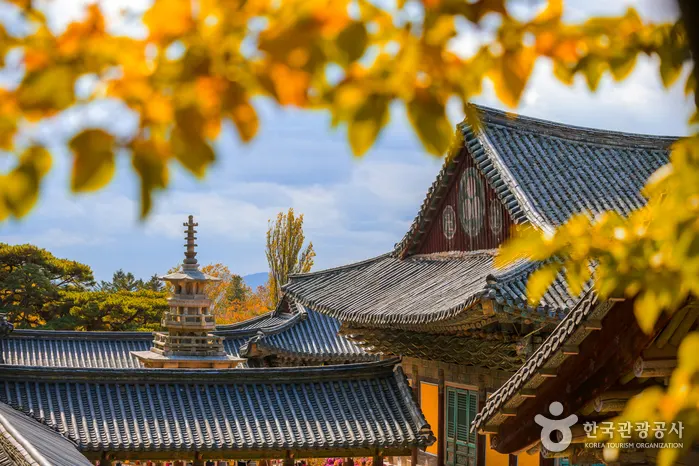
Bulguksa, Gyeongju: when the temple is worth the transfer: a decision-led guide. A practical Bulguksa plan covering transport, seasons, walking effort, a Gyeongju base and an easy rain alternative. Start with the part that changes the day, then add only the route the group can finish comfortably.
The short answer
Bulguksa is worth the transfer when you want a temple day with stone terraces, woodland edges and a clear cultural focus. It is not a quick add-on to every old-town plan. The approach from central Gyeongju, the entrance route and the time spent looking at the details all need a real block. If your morning already contains Daereungwon, the museum and a late return, choose one old-town cluster and give Bulguksa its own half day.
Build the arrival before the ticket
Start by deciding whether the group arrives by local bus, taxi or car. A bus keeps the budget simple but makes the departure window important; a taxi saves a connection but does not remove the uphill walking after arrival. With a car, parking and the final walk still count. Put the entrance, toilets and first rest point on the plan before adding a second temple building.
A route that does not overpromise
Walk the main approach, pause at the first broad courtyard, then decide whether to continue through every terrace. The stone steps are part of the experience, but they can be tiring for a child or an older traveller. Agree on a meeting point near the lower grounds. The traveller who wants more detail can continue while the others take a slower return.
Four seasons
Spring gives the temple softer light and fresh trees, although rain can make stone edges slippery. Summer is humid, so begin early and use the afternoon for an indoor Gyeongju stop. Autumn adds colour and visitors; set a waiting limit at narrow viewpoints. Winter gives clearer lines and shorter daylight, so finish the furthest section before the return becomes cold and dark.
Rain and heat alternatives
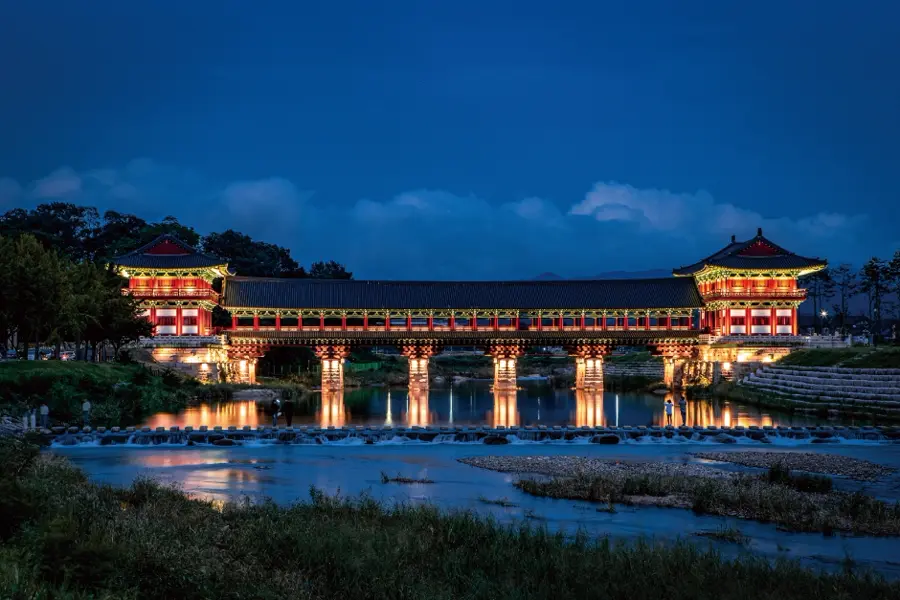
In rain, keep the main courtyard and the most protected building as the core, then move to a museum or a meal in town. In strong summer heat, shorten the exposed approach and carry water. A change of weather should remove a branch, not force the whole day into a race.
Where to stay
A central old-town base works when Bulguksa is one heritage day among several: dinner and the next morning are easier. A base closer to the temple helps an early start and reduces the long transfer, but evening food is less flexible. Choose by the following morning, luggage handling and the number of transfers the group can actually tolerate.
A useful day shape
Drop bags, travel to Bulguksa, take the main temple route, eat before the group is exhausted, then return to one nearby or central stop. Do not promise Bulguksa, Seokguram, every old-town tomb and a night view in one unbroken day. The better plan has one decision point where the group can stop.
Next step
Check the day's access, transport and weather, then choose the base that protects the return. Open the Gyeongju stay choices before fixing the temple hour. The point is to make Bulguksa the part of the day you remember, not the transfer that makes every later stop late.
Next step
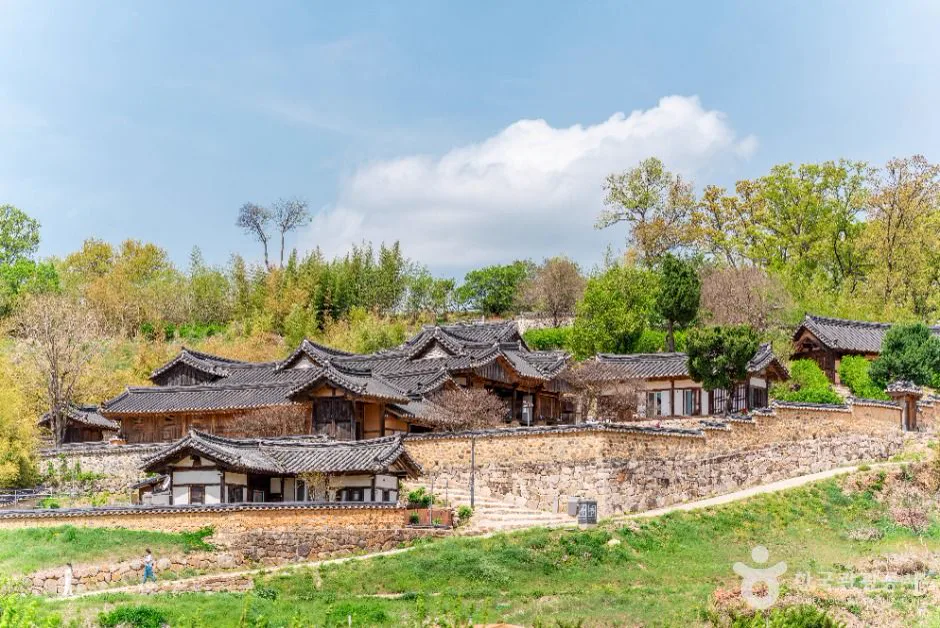
Check current opening, access, weather and transport conditions before leaving. Choose the accommodation base from the whole day and keep one shorter alternative ready. The route is complete when the group reaches the next connection with energy left.
Choose the base that saves the most useful transfer for this route, then set the rest of the day around it.
KriNavi decision card
Best use of this page: Bulguksa, Gyeongju: when the temple is worth the transfer
Core judgement: A practical Bulguksa plan covering transport, seasons, walking effort, a Gyeongju base and an easy rain alternative.
This card only reorganizes sources already listed by the page. Recheck live hours, prices, service, and restrictions for the travel date.