
Short answer: Beomeosa Temple is a pace-and-purpose decision, not a quick city checklist. Choose between a quiet temple and heritage visit, a forest-and-valley walk, or a cultural half day that protects prayer space and the least confident traveller while accepting slopes, etiquette, weather and current access rules. Visit Busan and Korea Tourism Organization pages are the live starting points; current services, programmes, transport, facilities, closures and trail conditions are to be checked close to travel.
- Decide whether the value is temple atmosphere, forest movement or cultural learning.
- Treat the grounds as a living religious place and follow current signs and conduct guidance.
- Separate a temple visit from an unverified mountain extension.
- Choose the overnight base by the whole Busan route, not this stop alone.
What is the real choice?
Beomeosa Temple is a pace-and-purpose decision, not a quick city checklist. Choose between a quiet temple and heritage visit, a forest-and-valley walk, or a cultural half day that protects prayer space and the least confident traveller while accepting slopes, etiquette, weather and current access rules.
The main choice is how to enter a living place
Beomeosa is a historic Buddhist temple and a present place of practice. The first planning decision is therefore behavioural as much as logistical. A traveller seeking quiet should allow time to move slowly, lower their voice and notice signs about buildings, ceremonies and photography. A traveller seeking a mountain day must distinguish the temple grounds from trails beyond them. Official tourism pages can establish the temple context and transport starting points, while current notices govern access, ceremonies, facilities and any visitor programme.
Do not promise a private or empty experience. Visitors share the grounds with worshippers, staff and other travellers. The route is successful when the group learns how to be present without demanding that the temple perform as a backdrop.
A temple visit needs a pace buffer
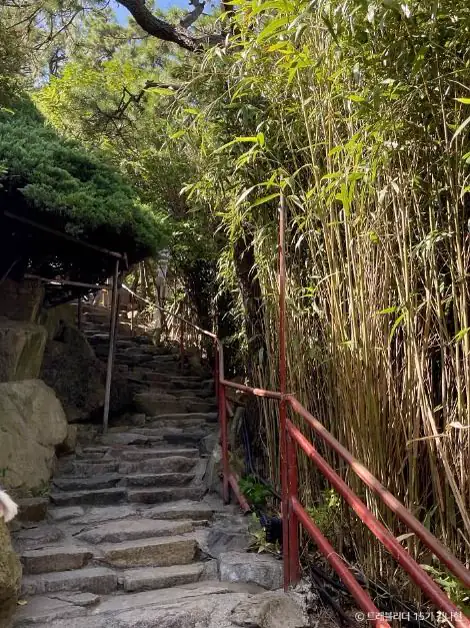
Even a short approach can include a transfer, an uphill road, gates, courtyards, steps and pauses. Check the actual stop, final walk, weather and the mobility of the slowest person. Do not infer step-free access from a general “easy” label or an attractive photograph. Give time for shoes, clothing, water and a quiet regrouping point without blocking a passage.
If the group arrives late, shorten the optional route rather than rushing through the grounds. A slower twenty-minute observation can have more value than a checklist sprint through every named building.
Etiquette is part of route design
Check current photography, dress, food, noise, pet, ceremony and building-entry guidance with the temple or official tourism information. A temple stay or cultural programme may have separate reservations and conduct rules; do not assume a casual visitor can join it. Ask before photographing people or ritual objects. Treat uncertainty as a reason to observe, not a reason to improvise.
Children and first-time visitors benefit from one clear rule: the group moves quietly, follows signs and leaves sacred areas when directed. That protects both the destination and the traveller’s comfort.
Forest walking is a separate commitment
A temple visit can lead naturally to a mountain or valley walk, but the extension changes clothing, footwear, daylight, surface and emergency planning. Check current trail status, weather warnings, water, shade and return before leaving the grounds. Do not call a trail gentle or short without a live source. If one traveller does not want a slope, create a meeting point rather than turning the whole route into a forced hike.
Geumjeongsan scenery can be the reason to add movement, but the temple should not be used merely as a trail gateway. Decide what each chapter contributes: silence, history, exercise or shade.
Season changes the temple mood and effort
Spring foliage, summer shade, autumn colour and winter clarity can all alter the value of a visit, but none is guaranteed on a chosen date. Rain can make stone surfaces slick; heat can make waiting and uphill movement harder; winter wind can shorten a quiet courtyard stop. Check the live forecast, clothing, event calendar and trail notice before choosing the route length.
Use season as a planning prompt, not a promise. A temple-focused route can still work when the mountain extension is dropped, and a museum or tea chapter can absorb a weather change.
Transport is more than reaching the station
Visit Busan describes a metro-and-bus approach, but the practical route includes the transfer, last stop, parking, final slope and return. Verify current bus number, service, road works, parking and the time of the last connection. A taxi can protect a group with mobility needs but adds cost and demand risk. Do not assume the same transfer works for every event or season.
Choose a meeting point outside a congested gate and keep bags manageable. The trip back to a city meal or hotel should not depend on a tired group making a long unplanned walk.
Accommodation should protect the following day
A central Busan base can make meals, metro links and evening flexibility easy; a Geumjeong or northern base may shorten the first transfer. Compare the actual first activity, last return, next morning and the group’s tolerance for stairs and taxis. A temple visit rarely justifies an inconvenient room if the rest of the itinerary is city-based.
For a templestay or early programme, use the official programme details and current check-in rules. Do not advertise a stay as available or suitable without checking the exact dates.

Use a respect-and-weather gate
Before leaving, confirm current access, conduct, ceremonies, transport, weather, footwear, trail status and the return. Mark programmes, fees, museum details and opening claims to be checked. The route can remain useful even when a ceremony, trail or facility changes.
The best Beomeosa day leaves space for the place itself. One temple chapter plus one carefully chosen contrast is more respectful and more executable than a chain of attractions.
Route and decision table
| Route | Choose it when | Suggested sequence | Trade-off |
|---|---|---|---|
| Temple-focused visit | The group wants architecture, quiet, ritual context and a slower pace. | Check current access, conduct guidance, opening, transport and a respectful time window. | Most focused and calm, but less exercise or neighbourhood variety. |
| Temple plus forest walk | The group wants a Geumjeongsan landscape chapter and accepts slopes or uneven ground. | Confirm current trail, weather, footwear, daylight and the least confident walker. | More nature and movement, but more physical and weather exposure. |
| Culture half day | The group wants the temple plus a museum, tea or city chapter without a long hike. | Visit the grounds, then choose one confirmed cultural link and protect the return. | Balanced for mixed groups, but less time in either place. |
| Access-first alternative | Someone needs fewer slopes, more seating or a quieter plan. | Use current accessibility information and create a real Busan culture alternative. | More inclusive, but the full temple-and-mountain route may be reduced. |
Temple-focused visit evidence note: The group wants architecture, quiet, ritual context and a slower pace. The practical sequence is Check current access, conduct guidance, opening, transport and a respectful time window. The trade-off is Most focused and calm, but less exercise or neighbourhood variety. Current access and operating details remain to be checked.
Temple plus forest walk evidence note: The group wants a Geumjeongsan landscape chapter and accepts slopes or uneven ground. The practical sequence is Confirm current trail, weather, footwear, daylight and the least confident walker. The trade-off is More nature and movement, but more physical and weather exposure. Current access and operating details remain to be checked.
Culture half day evidence note: The group wants the temple plus a museum, tea or city chapter without a long hike. The practical sequence is Visit the grounds, then choose one confirmed cultural link and protect the return. The trade-off is Balanced for mixed groups, but less time in either place. Current access and operating details remain to be checked.
Access-first alternative evidence note: Someone needs fewer slopes, more seating or a quieter plan. The practical sequence is Use current accessibility information and create a real Busan culture alternative. The trade-off is More inclusive, but the full temple-and-mountain route may be reduced. Current access and operating details remain to be checked.
Spring evidence note: The opportunity is Cooler air and fresh forest colour can support a temple-and-walk route. The constraint is Rain, slippery stone, weekend demand and ceremonies can reduce flexibility. Before leaving, Check conduct, event, weather, access, trail surface and transport. This is a planning prompt, not a forecast.
Summer evidence note: The opportunity is Forest shade and a temple pause can balance Busan heat. The constraint is Humidity, storms, insects, wet steps and crowded holidays raise comfort costs. Before leaving, Check warnings, water, shade, clothing, trail status and the last return. This is a planning prompt, not a forecast.
Autumn evidence note: The opportunity is Clearer air and changing leaves can reward a slow grounds-and-forest day. The constraint is Foliage demand, wind and shorter daylight tighten any extension. Before leaving, Check demand, daylight, surfaces, trail access and lodging. This is a planning prompt, not a forecast.
Winter evidence note: The opportunity is A focused heritage visit can make a crisp, quiet Busan chapter. The constraint is Cold, wind, bare trails and icy surfaces reduce mountain flexibility. Before leaving, Check closure, clothing, road, steps, ceremony and a warm alternative. This is a planning prompt, not a forecast.
Four seasons at a glance
Seasonal trade-offs
| Season | What becomes attractive | What becomes harder | Check before committing |
|---|---|---|---|
| Spring | Cooler air and fresh forest colour can support a temple-and-walk route. | Rain, slippery stone, weekend demand and ceremonies can reduce flexibility. | Check conduct, event, weather, access, trail surface and transport. |
| Summer | Forest shade and a temple pause can balance Busan heat. | Humidity, storms, insects, wet steps and crowded holidays raise comfort costs. | Check warnings, water, shade, clothing, trail status and the last return. |
| Autumn | Clearer air and changing leaves can reward a slow grounds-and-forest day. | Foliage demand, wind and shorter daylight tighten any extension. | Check demand, daylight, surfaces, trail access and lodging. |
| Winter | A focused heritage visit can make a crisp, quiet Busan chapter. | Cold, wind, bare trails and icy surfaces reduce mountain flexibility. | Check closure, clothing, road, steps, ceremony and a warm alternative. |
Five positive evidence signals
- The group chooses temple quiet, forest walking or cultural learning before arrival.
- Current conduct, access, transport, programme and trail information is checked.
- A living religious site is treated respectfully rather than as a photo set.
- The mountain extension is optional and sized to the least confident walker.
- A museum, tea, city or indoor alternative keeps the day useful if conditions change.
Five negative evidence signals and limitations
- A ceremony, templestay, building or trail is described as available without a current check.
- The temple is treated as an empty attraction with no etiquette or worship context.
- A forest route is called easy, short or accessible without evidence.
- The itinerary ignores clothing, slope, weather, quiet time or the return transfer.
- A planned visit or programme is reported as completed without evidence.
Three practical route shapes
Temple anchor: visit quietly, allow observation time, then choose one gentle city contrast.
Forest extension: verify trail and weather, walk only as far as the least confident person can enjoy.
Culture fallback: keep a museum, tea or neighbourhood chapter ready when rain or access changes.

Accommodation and transport decision
| Stay shape | Choose it when | Trade-off |
|---|---|---|
| Central Busan base | The day is one cultural chapter among metro-connected city plans. | The first transfer is longer and the return may be tiring. |
| Northern Busan or Geumjeong base | A quiet start, early programme or mountain chapter matters most. | Evening dining and current room choice may be narrower. |
| Transit-linked base | Beomeosa sits between regional movements or a next-day departure. | Luggage, the final walk and service frequency need checking. |
Field decisions before leaving
Write the purpose, conduct questions, actual transfer, one optional trail limit and the return. Check access, ceremonies, clothing, photography, weather, trail, surfaces, parking, bus or taxi, facilities and accommodation. Unknown details stay marked to be checked.
- english.visitkorea.or.kr authoritative source — live details are to be checked.
- www.visitbusan.net authoritative source — live details are to be checked.
- www.visitbusan.net authoritative source — live details are to be checked.
- english.visitkorea.or.kr authoritative source — live details are to be checked.
Beomeosa and Geumjeongsan should not be treated as the same level of effort. A temple visit is about entering quietly, reading the buildings and leaving room to sit. Adding a mountain trail brings steps, wind, daylight and the return into the decision. First-timers can complete the temple chapter, then decide whether their legs and time justify a short climb.
Autumn foliage makes the mountain route tempting, but fallen leaves can hide the texture of stone steps. Slow down after rain and in winter; waiting for one high viewpoint is not worth making the whole group cold. Strong walkers can start early, while a visitor focused on the temple can arrive later and finish with a foothill meal.
A Busan city base makes the return and the next attraction easier. Staying closer to Beomeosa suits an early start or a two-day walking plan. After descending, keep time for food, toilets and the metro transfer; the last stretch out of a mountain temple can require more patience than the entrance.
Let the temple morning return to the city
Seomyeon city stay
Choose Seomyeon when Beomeosa is a morning visit followed by food, shopping or a train. It keeps the mountain chapter contained and gives more options after the descent.
See the Seomyeon baseGeumjeong foothill stay
Choose a foothill room only when quiet temple time, the fortress route or a second mountain morning matters more than city convenience.
See the Geumjeong baseStay central for a mixed day; stay by Geumjeong when the mountain returns tomorrow.
FAQ
Is Beomeosa a museum or a temple?
It is a living Buddhist temple as well as a major cultural and historic destination, so follow current conduct guidance.
Can I hike from the temple?
Possibly, but treat any mountain extension as a separate decision and check current trail and weather conditions.
Can I take photographs?
Check current signs and staff guidance, especially near worship, people and restricted areas.
Is it suitable for older travellers?
It depends on the current route, slopes, steps and support; verify access and size the visit to the least confident person.
Where should I stay?
Compare a central Busan base with a northern or programme-linked base against the full itinerary.
What if it rains?
Shorten the outdoor chapter and use a confirmed museum, tea or city alternative without rushing the grounds.
KriNavi decision card
Best use of this page: Busan Beomeosa Temple Route Decision: Temple Quiet, Geumjeongsan Walking or Cultural Half Day?
Core judgement: Choose Beomeosa Temple by temple etiquette, forest walking, mobility, season, transport, lodging and a flexible Busan route.
Sources checked in this page: Source 1 · Source 2 · Source 3 · Source 4
This card only reorganizes sources already listed by the page. Recheck live hours, prices, service, and restrictions for the travel date.