
Short answer: Spend the first day in Daegu's central corridor: Dongseongno, the modern cultural alley and Seomun Market. Use the second day for one slower direction, either Suseongmot for a lake-and-dinner evening or Apsan for a viewpoint and a shorter city finish. A central hotel protects the food route; a Dongdaegu base protects an early train and luggage. Choose the bed after you decide which ending matters.
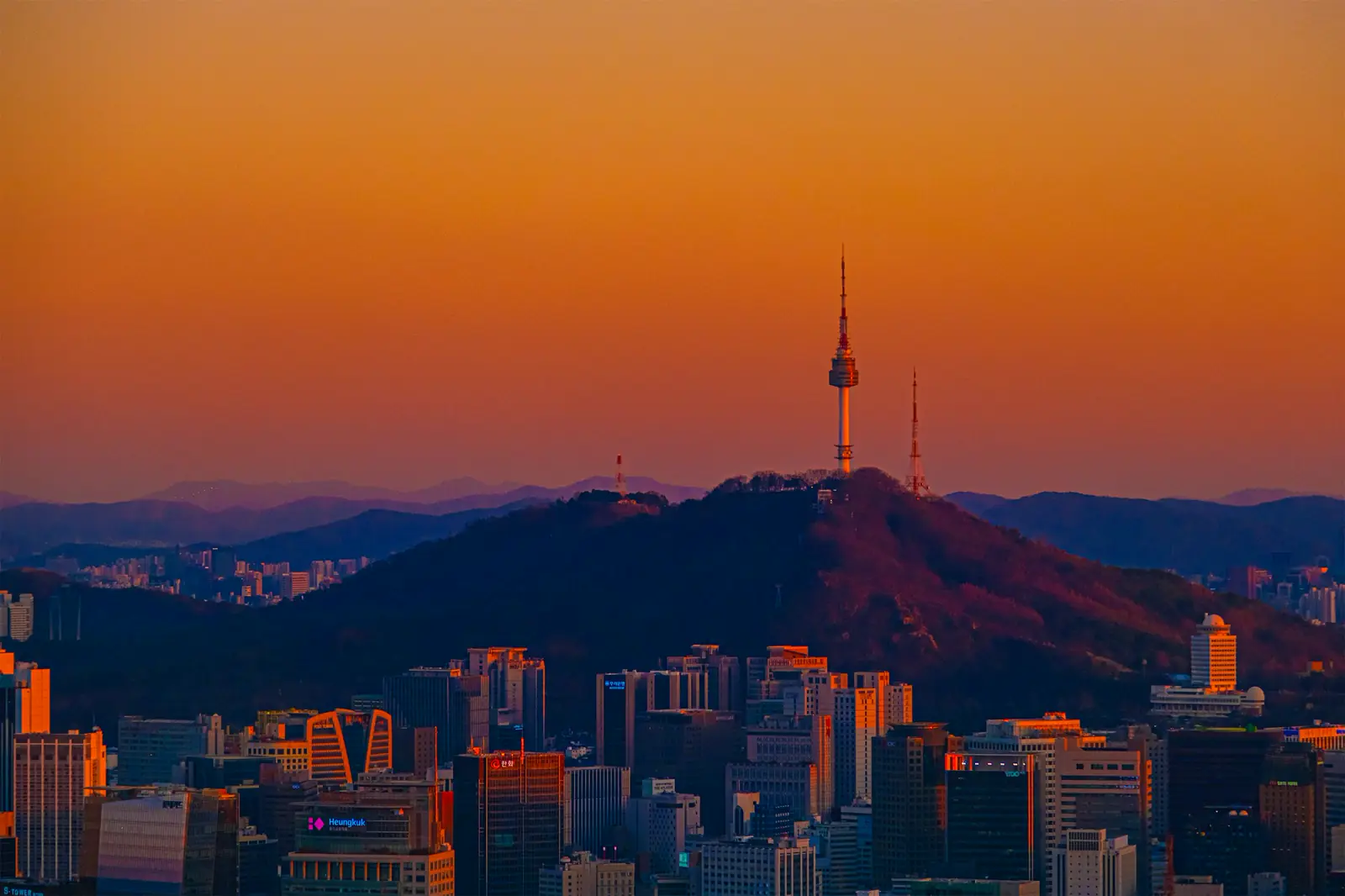
- Food first: stay around Dongseongno so a long market lunch can end with a short walk home.
- Early train or day trip after Daegu: stay near Dongdaegu Station and accept that the evening food route needs a ride back.
- Warm afternoon: put the modern cultural alley and market earlier, then use a cafe or hotel break before Suseongmot at dusk.
- Clear evening: choose Suseongmot for a flat lake walk; choose Apsan only when the group wants elevation and has the energy for the return.
Day 1: keep Daegu's old city in one corridor
Arrive, handle luggage and start at Dongseongno rather than trying to cross the whole city before lunch. This is the right place to reset after a train or bus: the streets are dense, food options are broad and an unplanned coffee break does not destroy the route. Keep the first meal flexible. A queue at one restaurant should not force the group into a different neighbourhood.
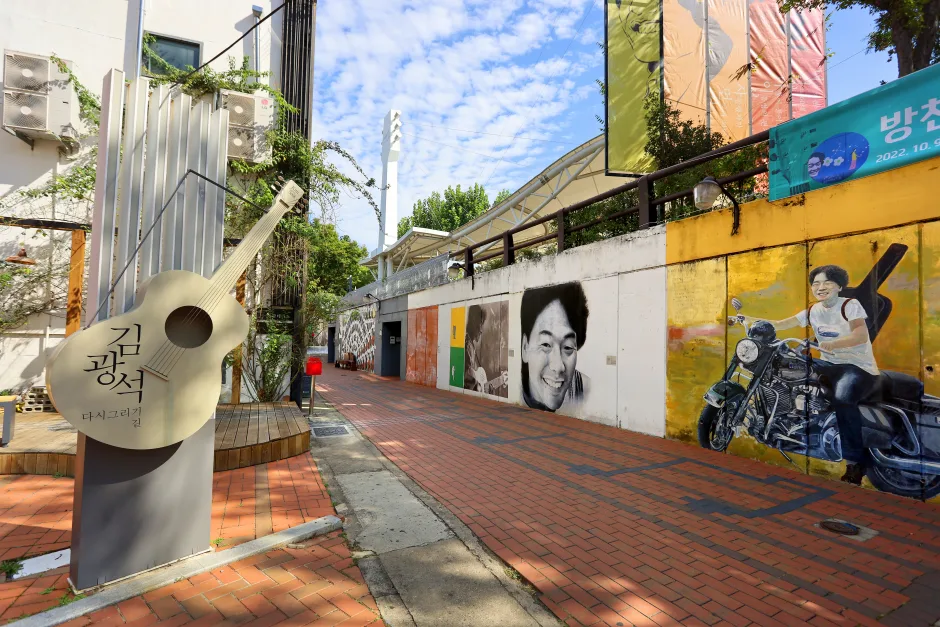
Move into the modern cultural alley in the early afternoon. The value is in the sequence of streets, old buildings and small museums, not in checking one facade and leaving. Walk one compact section, then decide whether the group wants more history or a shaded stop. If the weather is hard, shorten the outdoor links and keep one indoor room as the anchor.
Use Seomun Market for a late lunch or early dinner, depending on opening patterns and the group's appetite. Leave room for the market to be busy. If seating is difficult, split the meal into a small first taste and a proper dinner near the hotel. The important thing is to end in a place where returning is simple, not to collect every famous snack.
| Time window | Day 1 move | What it protects |
|---|---|---|
| Morning | Arrival → luggage drop → Dongseongno | A useful start even after a delayed train. |
| Early afternoon | One compact modern-history alley section | Depth without walking the whole centre in heat. |
| Late afternoon | Seomun Market meal window | Food with time for queues and seating changes. |
| Evening | Return to central hotel or one nearby bar/cafe | A calm finish instead of another cross-city transfer. |
Hotels that make this route easier
Toyoko Inn Daegu Dongseongro
Choose it when Dongseongno, the cultural alley and market dinner are the centre of the trip. The practical gain is a short return after a heavy meal or a hot afternoon, plus an easy reset before a second evening walk. It is the stronger choice for travellers who want the old city to remain walkable.
Check central Daegu staysDaegu Marriott
Choose it when the next morning starts at Dongdaegu Station or when luggage and a clean departure matter more than walking home from Seomun Market. You buy a simpler rail connection and a more predictable start, while the first-day food corridor becomes a planned ride rather than an evening stroll.
Compare Dongdaegu staysCentral Dongseongno protects food and walking; Dongdaegu protects an early departure.
Day 2: choose lake calm or a viewpoint
Option A: Suseongmot for a slower day
Go to Suseongmot while the group still wants an unhurried walk. The lake edge is easier to shorten than a mountain route: walk one side, take a seat, and decide whether to stay for evening light. Add a meal or a cafe only after checking how much time the return needs. This version suits families and travellers who want Daegu to feel spacious after a dense first day.
Option B: Apsan for a higher finish
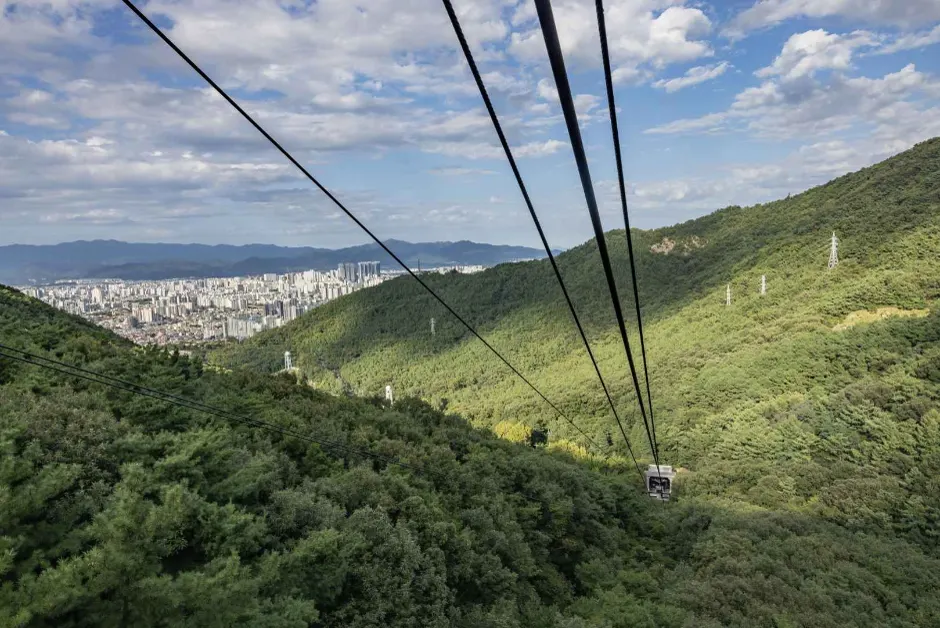
Apsan is a different physical decision. A viewpoint or cable-car plan can work when the weather is clear and the group is comfortable with an uphill segment, queues and a descent. Do not combine a full Apsan walk with a late market meal simply because both appear close on a map. If cloud or heat reduces the view, return to the city and keep the evening meal as the guaranteed part of the day.
Two central food stops, one history corridor and one lake or viewpoint give Daegu enough contrast for two days. The most common mistake is spending the second afternoon moving between three districts and arriving at the final meal tired. Leave an exit point after each major stop so the group can stop without feeling that the day failed.
Seasonal adjustments
Spring: use the old-city streets earlier and keep the lake for soft evening light. Summer: protect the hottest hours with market seating, a cafe or the hotel, then go to Suseongmot after sunset. Autumn: Apsan and the cultural alley can share a day when the group walks well, but keep the descent before darkness. Winter: make the market and indoor heritage stop the fixed anchors; use Suseongmot as a short view rather than a long exposed walk.
Save these checks before leaving
- Current opening notices for the modern cultural spaces and market sections you actually plan to use.
- The return route from Suseongmot or Apsan to the hotel, including the last practical transfer.
- A dinner option near the base in case a queue or weather changes the order.
- The next train or airport transfer before booking a hotel on the opposite side of the city.
Added decision: season and hotel position
Daegu food culture works better with pauses than with continuous eating. Leave walking time between Seomun Market, the modern alleys, and dinner; in summer move indoors after lunch, while in colder months start the night market earlier and keep a warm stop before the hotel.
Route and season update
A two-day Daegu food route does not need a new district for every meal. Build a central walking loop with the market and modern alleys first, then choose either Suseongmot or Palgongsan on day two. A base around Banwoldang keeps the evening return short and makes a rainy indoor switch easy.
Daegu works best when meals, history and one open-air finish share a corridor. Pick the hotel that removes the route's biggest nuisance, then let the second day breathe.
KriNavi decision card
Best use of this page: Daegu in Two Days: A Food, Old-City and Lake Route
Core judgement: A two-day Daegu plan that keeps the old city and market together, then uses Suseongmot or Apsan as a separate second-day direction, with practical hotel bases.
This card only reorganizes sources already listed by the page. Recheck live hours, prices, service, and restrictions for the travel date.