
Short answer: Donghwasa is a heritage-and-energy decision. Official sources describe a long temple history, cultural assets, Palgongsan access and transport, but current hours and admission information are not perfectly consistent across pages. Verify the live details, then choose temple core, a statue-and-heritage route, a hike or a slower stay. Current hours, prices, reservations, transport, weather, facilities, events, closures and safety conditions are to be checked close to travel.
- A conflict-aware temple route that treats Donghwasa as four different trips—heritage, mountain gateway, quiet practice or city escape—and explicitly flags inconsistent official hours or fees instead of choosing a convenient number.
- Choose one primary route and keep one reversible fallback.
- Treat hours, prices, access, transport, weather and programmes as to be checked.
- Choose a base that protects the actual return, not only the view.
Decide whether the temple is the destination or the gateway
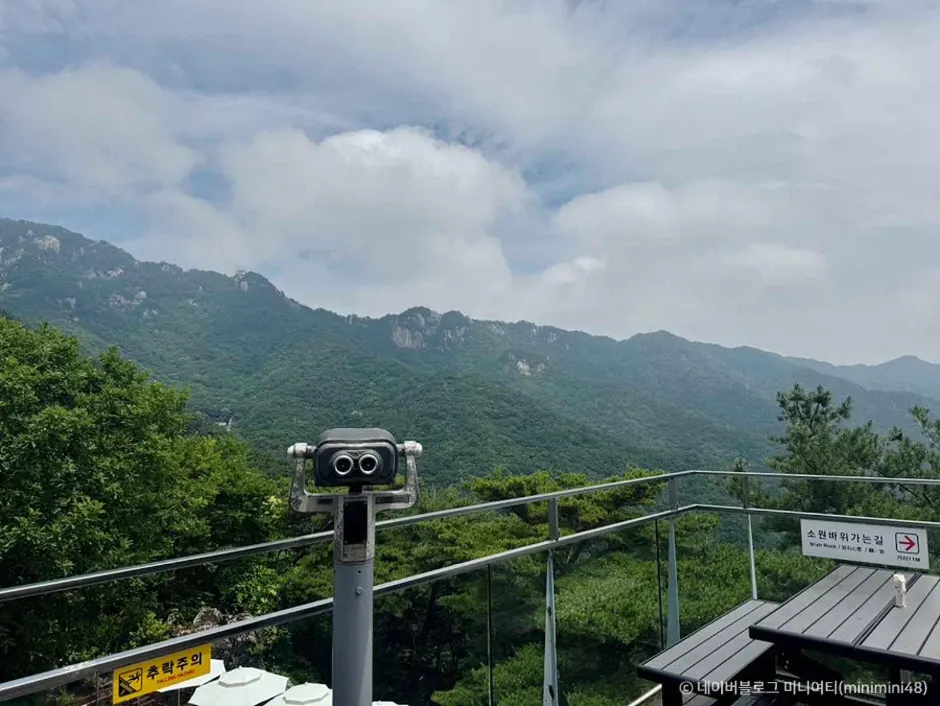
Donghwasa sits on the southern side of Palgongsan and is described by official tourism sources as a historic temple with cultural assets and a large Buddha statue. That can be a complete visit, but it can also be the start of a mountain route. The two plans need different shoes, time, weather tolerance and return discipline.
Ask the group whether it wants architecture and quiet, a heritage checklist, a mountain walk or a temple-stay rhythm. A traveller who expects a short sightseeing stop may be unhappy inside a long hike; a hiker may find a temple-only route too brief. The best decision is to choose the energy level before selecting the next gate or hermitage.
Use official history without rushing the temple space
Korea Tourism Organization describes Donghwasa’s foundation in the fifth century and later rebuilding, while Daegu tourism pages identify cultural assets, the Great Unification Buddha and nearby Palgongsan routes. These are useful anchors for a respectful visit. They do not mean every listed treasure, meditation centre or interpretive service is open at every hour.
Choose two or three things to notice: the approach, the main temple spaces, a named cultural asset or the statue. Read current signs and follow quiet areas, photography rules and worshippers’ space. The trade-off is a less exhaustive checklist, but the group will understand the place better and leave energy for the next decision.
Resolve the hours and fee conflict before you promise access
The official pages checked for this draft do not present perfectly identical operational details. Korea Tourism Organization lists Donghwasa as open all day and gives one set of use information, while a Daegu city page shows different hours and an admission figure; other Daegu pages describe facilities and programmes with their own schedules. Treat the discrepancy as current information to be checked, not as a number to average.
Before leaving, use the current temple or city tourism contact and check the exact part of the complex you want: main temple, meditation centre, temple food, temple stay, parking or a mountain path. This is a better decision than promising a universal “open 24 hours” experience. Different sub-sites can close or require advance reservation even when the grounds are accessible.
Choose the mountain extension by energy, not ambition
Daegu tourism material lists Palgongsan routes from the Donghwasa area, including a longer course toward peaks and passes. A route name or distance is not a fitness recommendation. Check current trail status, weather, daylight, water, footwear, navigation and the group’s pace. A temple day can become unsafe when a visitor adds a mountain section late because the first walk felt easy.
Set a turnaround time and give a non-hiking option to companions. Someone can stay with the temple, café or confirmed cultural programme while another traveller walks, but only if the meeting and return are clear. The trade-off is less shared time, yet it prevents the fastest hiker from silently setting the itinerary for everyone.
Temple stay and meditation are different commitments
Daegu tourism sources reference temple-stay and meditation-related experiences at Donghwasa, with programme times, reservation requirements and costs that can change. A temple stay is not simply a hotel night, and a meditation centre is not an always-available drop-in attraction. Check eligibility, language support, clothing, meal rules, arrival time, quiet hours and cancellation before selecting it.
For a first visit, a daytime heritage route may be the better decision if the group cannot commit to programme rules. For a traveller seeking practice and stillness, the stay may be the point of the trip. Keep the choice explicit: cultural sightseeing provides flexibility, while a programme buys depth at the cost of schedule, privacy and spontaneity.
Transport is part of the quiet
Official Daegu pages describe bus access from the city and a walk from the Donghwasa entrance stop, but services, route numbers, road conditions and final walking time are to be checked for the date. A Palgongsan transfer can feel longer after a hike or in winter darkness. Save the current stop in Korean and English if the group does not speak Korean.
A taxi or car can shorten the final approach but may add parking, price and return uncertainty. Public transport keeps the route more predictable when the group is happy to follow a fixed schedule. Decide based on the least confident traveller and the last safe return, not only on the fastest outward journey.
Choose an accommodation base around the programme
Central Daegu gives the group dining, rail and city flexibility, while a Palgongsan-area stay can support an early temple, hike or temple-stay arrival. The latter may be quieter but has fewer late alternatives and a stronger dependence on current transport. If the group is joining a programme, proximity and arrival reliability can matter more than a city-centre room.
Compare current reservation rules, room type, parking, meal timing, check-in, transport and the next morning. Do not book a temple stay as an ordinary overnight room, and do not assume a central hotel makes a dawn mountain plan easy. A clear base decision protects the contemplative purpose instead of adding avoidable travel stress.
Respect the temple as a working place
Donghwasa is a religious and cultural site, not only a photo background. Follow dress and silence guidance, keep out of restricted areas, ask before photographing worshippers or ceremonies, and do not handle objects. The approach, statue and mountain setting can be appreciated without turning every hall into a set.
Write the visit around one heritage aim, one energy aim and one return. Mark hours, admission, programmes, parking, buses, trail conditions, weather and closures to be checked. If the group leaves with fewer photographs but a calmer understanding of the temple, the route has traded quantity for value in the right direction.
Route and decision table
| Route | Choose it when | Suggested sequence | Trade-off |
|---|---|---|---|
| Temple heritage core | The group wants history, architecture and a quiet half-day. | Verify the current site access, choose a small set of cultural points, observe temple etiquette and return before fatigue. | Most inclusive and flexible, but not a full Palgongsan hike. |
| Statue and mountain gateway | The group wants Donghwasa plus a defined scenic walk. | Confirm the current route, weather, trail status and turnaround before adding the Great Unification Buddha or a hermitage. | Adds landscape value, but needs better footwear, time and energy. |
| Hike-first day | Experienced walkers want a longer Palgongsan route. | Use the current Daegu route information, set daylight and turnaround gates, and give non-hikers a real parallel plan. | Highest physical reward, but the greatest weather and return risk. |
| Temple stay or meditation | The traveller values practice, silence or a structured programme. | Confirm reservation, arrival, language, clothing, meal rules, fees and programme schedule before committing. | Deepest immersion, but least spontaneous and not a normal hotel night. |
Temple heritage core evidence note: The group wants history, architecture and a quiet half-day. The practical sequence is Verify the current site access, choose a small set of cultural points, observe temple etiquette and return before fatigue. The trade-off is Most inclusive and flexible, but not a full Palgongsan hike. Current hours, prices, reservations, transport, weather, facilities, events, closures and safety conditions are to be checked close to travel.
Statue and mountain gateway evidence note: The group wants Donghwasa plus a defined scenic walk. The practical sequence is Confirm the current route, weather, trail status and turnaround before adding the Great Unification Buddha or a hermitage. The trade-off is Adds landscape value, but needs better footwear, time and energy. Current hours, prices, reservations, transport, weather, facilities, events, closures and safety conditions are to be checked close to travel.
Hike-first day evidence note: Experienced walkers want a longer Palgongsan route. The practical sequence is Use the current Daegu route information, set daylight and turnaround gates, and give non-hikers a real parallel plan. The trade-off is Highest physical reward, but the greatest weather and return risk. Current hours, prices, reservations, transport, weather, facilities, events, closures and safety conditions are to be checked close to travel.
Temple stay or meditation evidence note: The traveller values practice, silence or a structured programme. The practical sequence is Confirm reservation, arrival, language, clothing, meal rules, fees and programme schedule before committing. The trade-off is Deepest immersion, but least spontaneous and not a normal hotel night. Current hours, prices, reservations, transport, weather, facilities, events, closures and safety conditions are to be checked close to travel.
Four seasons at a glance
The same place changes when daylight, surfaces, weather, crowds, programme hours and the group’s energy change. Use the season as a planning prompt rather than a promise. If an activity, view, facility, road, trail or event matters to the route, it remains to be checked.
Seasonal trade-offs
| Season | What becomes attractive | What becomes harder | Check before committing |
|---|---|---|---|
| Spring | Mild walking and fresh mountain colour can support a temple-plus-trail route. | Rain, pollen, slippery surfaces and changing programme schedules reduce certainty. | Check access, trail, weather, programme, transport and clothing. |
| Summer | Long daylight supports a careful mountain extension or temple stay arrival. | Heat, humidity, storms, insects and holiday demand raise fatigue. | Check heat, storms, water, shade, trail notices, reservations and last return. |
| Autumn | Cooler air and foliage can reward a heritage-and-mountain decision. | Crowds, shorter daylight and event demand compress the route. | Check foliage-related demand, daylight, buses, parking, trail and rooms. |
| Winter | A focused temple visit and warm programme can feel especially quiet. | Cold, ice, early darkness and mountain conditions limit hikes and late transfers. | Check warnings, surfaces, daylight, heating, programme hours and return. |
Spring evidence note: The opportunity is Mild walking and fresh mountain colour can support a temple-plus-trail route. The constraint is Rain, pollen, slippery surfaces and changing programme schedules reduce certainty. Before leaving, Check access, trail, weather, programme, transport and clothing. Current hours, prices, reservations, transport, weather, facilities, events, closures and safety conditions are to be checked close to travel.
Summer evidence note: The opportunity is Long daylight supports a careful mountain extension or temple stay arrival. The constraint is Heat, humidity, storms, insects and holiday demand raise fatigue. Before leaving, Check heat, storms, water, shade, trail notices, reservations and last return. Current hours, prices, reservations, transport, weather, facilities, events, closures and safety conditions are to be checked close to travel.
Autumn evidence note: The opportunity is Cooler air and foliage can reward a heritage-and-mountain decision. The constraint is Crowds, shorter daylight and event demand compress the route. Before leaving, Check foliage-related demand, daylight, buses, parking, trail and rooms. Current hours, prices, reservations, transport, weather, facilities, events, closures and safety conditions are to be checked close to travel.
Winter evidence note: The opportunity is A focused temple visit and warm programme can feel especially quiet. The constraint is Cold, ice, early darkness and mountain conditions limit hikes and late transfers. Before leaving, Check warnings, surfaces, daylight, heating, programme hours and return. Current hours, prices, reservations, transport, weather, facilities, events, closures and safety conditions are to be checked close to travel.
Five positive evidence signals
- The group chooses heritage, hike, statue or programme before arrival.
- Conflicting official hours and fees are flagged and checked rather than averaged.
- Trail length, weather, daylight and turnaround match the least confident walker.
- Temple-stay and meditation commitments are treated as programmes, not hotel rooms.
- The route leaves a respectful, transportable and weather-aware exit.
Five negative evidence signals and limitations
- One official page is treated as proof that every facility is open all day.
- A posted mountain course becomes a universal fitness recommendation.
- The Great Unification Buddha or a cultural asset is promised without current access.
- A temple stay is booked without programme, meal, language or arrival checks.
- Photos, shortcuts or transport take priority over worshippers, signs and safety.
Three practical route shapes
Heritage half-day: temple core, selected cultural points, quiet pause and an early return.
Gateway walk: verified temple visit plus a defined Palgongsan section with a turnaround.
Programme base: current temple-stay or meditation booking with city transport and arrival buffer.
Accommodation and transport decision
| Stay shape | Choose it when | Trade-off |
|---|---|---|
| Palgongsan-area base | The group has a verified early temple, hike or programme. | Supports the mountain but offers fewer late alternatives; check current rooms, meals and transport. |
| Central Daegu base | Donghwasa is one cultural day in a wider city itinerary. | More food and rail flexibility, but a longer return and earlier start. |
| Temple-stay programme | The traveller wants structured practice and accepts fixed rules. | Deepest experience, but not a normal flexible hotel stay; verify every current condition. |
Field decisions before leaving
- english.visitkorea.or.kr authoritative source — live details are to be checked.
- www.daegu.go.kr authoritative source — live details are to be checked.
- tour.daegu.go.kr authoritative source — live details are to be checked.
- tour.daegu.go.kr authoritative source — live details are to be checked.
- tour.daegu.go.kr authoritative source — live details are to be checked.
Make the mountain temple the pace-setter
Donghwasa is not just a quick city attraction: the approach, temple grounds and Palgongsan air change the day’s speed. Choose a base that makes the return manageable.
Hotel Inter-Burgo Daegu
Use a city base with a full-service reset when Donghwasa is paired with Dongdaegu arrival or another Daegu district. It gives you a practical evening after the mountain road without moving luggage to the foothills.
See Daegu stay optionsPalgongsan foothill stay
Choose the foothills only when temple paths, cable-car scenery or a quiet morning are the main reason for staying. It saves the first transfer, but food and late-night transport are less flexible.
Browse the mountain-side baseCity for connections and meals; foothills for a slower mountain start.
FAQ
Is Donghwasa open 24 hours?
Official pages show differing operational details for the temple and related facilities. Check the current temple or Daegu tourism contact for the exact area and date.
Can I combine the temple with a Palgongsan hike?
Yes as a planning concept, but use the current route, weather, daylight, trail condition and turnaround gates.
Is a temple stay suitable for a first visit?
It can be, but it requires advance confirmation of arrival, meals, clothing, language, quiet hours and programme rules.
How do I reach Donghwasa?
Daegu tourism pages describe city-bus access and a final walk, but check the current route number, stop, frequency and return.
What if someone in the group does not hike?
Make the temple core or a confirmed programme the shared route and give the walker a safe, timed parallel option.
Where should I stay?
Use central Daegu for city flexibility, Palgongsan for an early route, or a verified temple-stay programme for structured immersion.
KriNavi decision card
Best use of this page: Daegu Donghwasa Temple Route Decision: Temple Heritage, Palgongsan Hike or A Quiet One-Day Base?
Core judgement: Choose Donghwasa Temple in Daegu by heritage, Great Unification Buddha, Palgongsan walking, temple stay and current access information.
Sources checked in this page: Source 1 · Source 2 · Source 3 · Source 4
This card only reorganizes sources already listed by the page. Recheck live hours, prices, service, and restrictions for the travel date.