
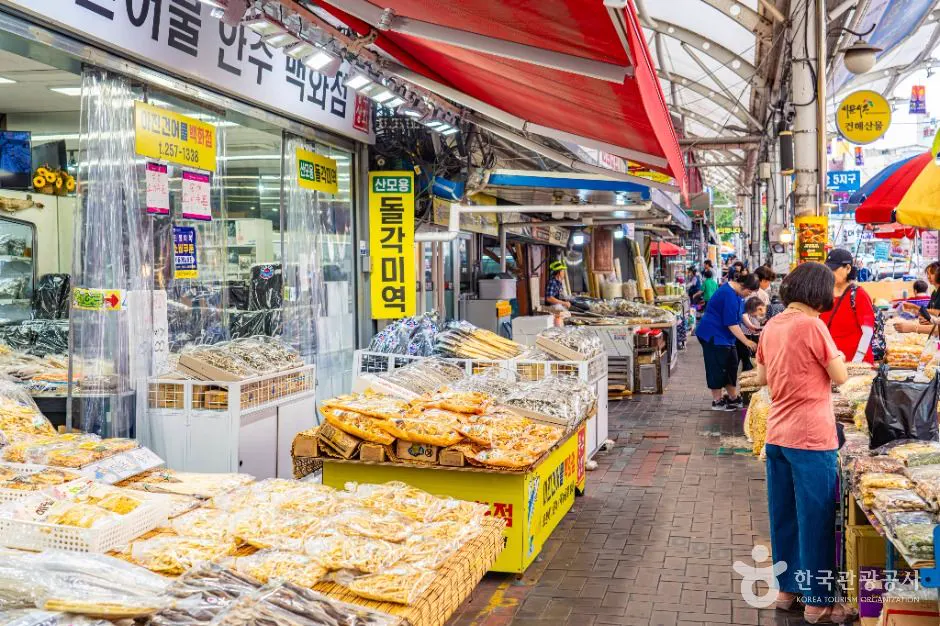
Short answer: Dongseongno is a city-district decision, not one attraction with one guaranteed mood. Choose between focused shopping, a culture-and-history walk, or a weather and heat-resilient evening while accepting store-by-store hours, crowding, pavement, events and changing commercial energy. Visit Korea and Daegu tourism pages are the live starting points; individual store hours, events, parking, prices, facilities and transport conditions are to be checked close to travel.
- Choose shopping, culture, food or cooling down before entering the district.
- Treat the street as a network of businesses and public spaces, not one fixed venue.
- Set a spending and walking boundary so browsing does not consume the whole day.
- Use subway-linked lodging and a late return plan when the evening extends.
What is the real choice?
Dongseongno is a city-district decision, not one attraction with one guaranteed mood. Choose between focused shopping, a culture-and-history walk, or a weather and heat-resilient evening while accepting store-by-store hours, crowding, pavement, events and changing commercial energy.
Dongseongno has several jobs
The official tourism description presents Dongseongno as a central business district with shops, stages and event squares. That means a visitor is choosing a city experience rather than buying a single attraction. A shopping traveller needs budget and bags; a culture traveller needs venue hours; a family needs shade, toilets and a place to regroup. Start with the job, then choose the section of the district that can do it.
The street can feel different by hour and weather. Do not promise a fixed crowd, performance or shop list from an old itinerary. A decision guide is stronger when it says what to check and what to drop.
Retail browsing needs a boundary
Large brands, road shops and themed stores can invite endless comparison. Decide whether the goal is a gift, a particular category or simply local atmosphere. Check current store hours, tax-refund or payment rules where relevant, and carry a bag plan. An unplanned purchase becomes route friction when the group still has a museum, meal or train.
Use a meeting point that is not inside a busy shop. Someone who does not want to browse should have a café, public square or culture venue option rather than waiting beside the changing-room queue.
Culture is nearby but not automatic
KTO’s downtown course connects Dongseongno with cultural venues within a compact area, yet each venue can change hours, tickets, exhibitions or access. Pick one confirmed cultural stop and protect its closing time. Do not name a performance, gallery programme or exhibition as certain without a current check.
A short culture chapter can reset the commercial mood. It also gives the route a reason beyond consumption, especially for travellers who want to understand how Daegu’s centre connects shopping, memory and creativity.
Daegu heat changes the route
Daegu is known for strong summer heat, but any season can bring glare, rain or fatigue. Check shade, indoor access, water, air-conditioning, pavement and the distance between stops. A street labelled open all day is not a promise that every business operates at the same time. Plan a cooling pause rather than waiting for a tired traveller to request one.
In cooler weather, walking between districts may be enjoyable; in heat or rain, an indoor mall, café, museum or subway-linked sequence can protect the evening. The trade-off is less spontaneous street life.
Food and shopping compete for time
A central district offers many food decisions, but a viral dish, queue or café may not be current or may not fit dietary needs. Pick a meal purpose and check current opening, menu, payment and seating. Do not let one queue destroy the only venue with a fixed closing time. A market or restaurant can be a separate route rather than an automatic add-on.
Tell the group whether the next stop is a reservation, a show, a train or simply the hotel. That determines how adventurous the food chapter can be.
Subway access makes the district useful
The official KTO pages describe central access, but the practical route still includes the correct station exit, crossings, stairs, rain, bags and the final walk. Check current service, event diversions, last train and taxi options. Parking can look convenient on a map and still be a poor choice in a crowded retail district.
Choose a hotel near a usable line or return corridor if the district is an evening anchor. A longer ride can be acceptable when the base protects budget and sleep, but check the last link.
Families and budgets need a plan
Children may enjoy lights and shops but tire from crossings and crowds. Parents should decide on a meeting point, toilet plan, spending limit and a quiet reset. Budget travellers can make Dongseongno a street-and-food walk without entering every shop. The route should respect the person who is not shopping.
A low-spend plan does not mean a no-value plan. Public squares, window browsing, a confirmed cultural venue and a simple meal can produce a complete evening.
Use a live district gate
Before leaving, check the one venue that cannot be missed, store or market hours, weather, crowd events, transit, payment, parking and the return. Mark all individual business details and event claims to be checked. Keep the route useful when a shop closes or a performance changes.
Dongseongno works best when the group sets one anchor and lets the district supply optional texture. The centre is flexible only when the plan does not depend on every storefront.
Route and decision table
| Route | Choose it when | Suggested sequence | Trade-off |
|---|---|---|---|
| Shopping spine | The group wants fashion, brands, small shops and a central commercial atmosphere. | Choose a short retail zone, budget, bag plan and a confirmed meal or exit. | Convenient variety, but spending, crowds and store hours are hard to predict. |
| Culture walk | The group wants Dongseongno plus nearby art, history or performance spaces. | Use a current KTO course or map, select one or two confirmed venues and walk with margin. | More context, but venues have separate hours and the route is less spontaneous. |
| Heat-proof evening | The group needs cafés, malls or indoor chapters during hot or wet conditions. | Check current opening, cooling, seating, food and subway return before committing. | Comfortable and flexible, but it can feel commercial rather than local. |
| Low-spend city stroll | The group wants the atmosphere without a shopping mission or large budget. | Set a walking loop, free public-space stops and one affordable food decision. | Controls cost, but dense crowds and tempting retail remain a challenge. |
Shopping spine evidence note: The group wants fashion, brands, small shops and a central commercial atmosphere. The practical sequence is Choose a short retail zone, budget, bag plan and a confirmed meal or exit. The trade-off is Convenient variety, but spending, crowds and store hours are hard to predict. Current access and operating details remain to be checked.
Culture walk evidence note: The group wants Dongseongno plus nearby art, history or performance spaces. The practical sequence is Use a current KTO course or map, select one or two confirmed venues and walk with margin. The trade-off is More context, but venues have separate hours and the route is less spontaneous. Current access and operating details remain to be checked.
Heat-proof evening evidence note: The group needs cafés, malls or indoor chapters during hot or wet conditions. The practical sequence is Check current opening, cooling, seating, food and subway return before committing. The trade-off is Comfortable and flexible, but it can feel commercial rather than local. Current access and operating details remain to be checked.
Low-spend city stroll evidence note: The group wants the atmosphere without a shopping mission or large budget. The practical sequence is Set a walking loop, free public-space stops and one affordable food decision. The trade-off is Controls cost, but dense crowds and tempting retail remain a challenge. Current access and operating details remain to be checked.
Spring evidence note: The opportunity is Comfortable walking and new retail or cultural programming can suit a downtown loop. The constraint is Rain, school or weekend demand and changing event schedules reduce predictability. Before leaving, Check venue hours, weather, crowding, transit and a sheltered pause. This is a planning prompt, not a forecast.
Summer evidence note: The opportunity is Late light and indoor-outdoor options support an evening after the heat eases. The constraint is Heat, humidity, storms and crowded cooling spaces increase fatigue. Before leaving, Check shade, water, indoor hours, air-conditioning, warnings and last train. This is a planning prompt, not a forecast.
Autumn evidence note: The opportunity is Cooler air can make a shopping-and-culture walk easier to sustain. The constraint is Events, short daylight and seasonal retail demand can compress the route. Before leaving, Check programmes, daylight, store hours, demand and lodging. This is a planning prompt, not a forecast.
Winter evidence note: The opportunity is Indoor retail and culture venues can give a cold-day city break structure. The constraint is Cold wind, early darkness, closures and holiday demand change the street mood. Before leaving, Check opening, heating, weather, transport and a warm meal option. This is a planning prompt, not a forecast.
Four seasons at a glance
Seasonal trade-offs
| Season | What becomes attractive | What becomes harder | Check before committing |
|---|---|---|---|
| Spring | Comfortable walking and new retail or cultural programming can suit a downtown loop. | Rain, school or weekend demand and changing event schedules reduce predictability. | Check venue hours, weather, crowding, transit and a sheltered pause. |
| Summer | Late light and indoor-outdoor options support an evening after the heat eases. | Heat, humidity, storms and crowded cooling spaces increase fatigue. | Check shade, water, indoor hours, air-conditioning, warnings and last train. |
| Autumn | Cooler air can make a shopping-and-culture walk easier to sustain. | Events, short daylight and seasonal retail demand can compress the route. | Check programmes, daylight, store hours, demand and lodging. |
| Winter | Indoor retail and culture venues can give a cold-day city break structure. | Cold wind, early darkness, closures and holiday demand change the street mood. | Check opening, heating, weather, transport and a warm meal option. |
Five positive evidence signals
- The group defines shopping, culture, food or cooling as the primary job.
- Current venue, store, event, weather and transport information is checked.
- A spending, walking, bag and meeting-point boundary protects the group.
- One confirmed cultural or food contrast adds meaning beyond retail.
- Subway, taxi, hotel and last-return options are considered together.
Five negative evidence signals and limitations
- A shop, performance, price, menu or event is treated as permanent.
- The entire district is described as quiet, air-conditioned or accessible without evidence.
- Budget and luggage consequences are ignored in a shopping-first route.
- A fixed venue is placed after an undefined browsing session with no time margin.
- A planned visit is reported as completed without current evidence.
Three practical route shapes
Retail anchor: set one purchase goal, browse a bounded zone, then eat and exit on time.
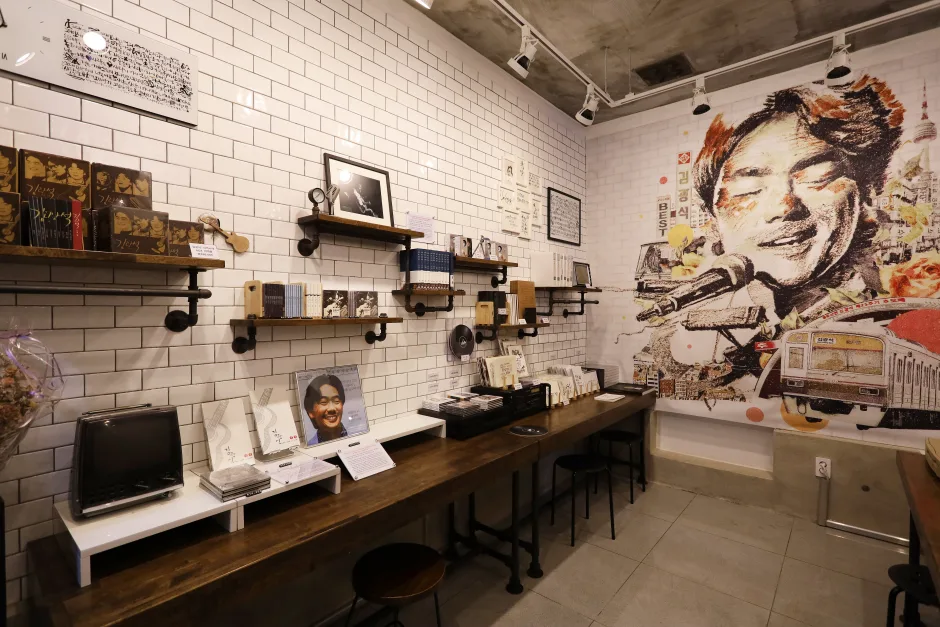
Culture loop: pair Dongseongno with one checked venue and use the street as connective tissue.
Heat-safe evening: choose current indoor chapters and a subway return while preserving one outdoor pause.
Accommodation and transport decision
| Stay shape | Choose it when | Trade-off |
|---|---|---|
| Jung-gu or central Daegu base | The street, food and evening are the main purpose. | Noise, cost, parking and room availability need checking. |
| Subway-linked outer base | The group values budget or a wider Daegu route and accepts a ride home. | The last train, transfers and shopping bags affect comfort. |
| Venue-first base | A fixed exhibition, show or early next route matters more than the street itself. | The retail evening becomes optional and the first transfer may be longer. |
Field decisions before leaving
Write the district job, the one fixed venue, the spending limit, the cooling or rain pause and the return. Check current store and venue hours, event notices, weather, crossings, payment, parking, subway, taxi and lodging. Unconfirmed retail or programme details stay marked to be checked.
FAQ
Is Dongseongno only for shopping?
No. It also links food, public spaces, events and nearby culture venues, but each business or programme needs a current check.
Can I visit in summer?
Yes, if the route includes water, shade, indoor pauses and a safe evening return.
How much time should I allow?
Use the number of fixed venues and the group’s shopping purpose; browsing time is not a reliable constant.
Is it family-friendly?
It can be, but agree on toilets, a meeting point, crossings, budget and a quiet break.
Where should I stay?
Compare a central base with a subway-linked lower-cost base against the actual last return.
What should I combine with it?
Choose one checked culture, history, market or meal chapter rather than an unlimited list of shops.
KriNavi decision card
Best use of this page: Daegu Dongseongno Street Route Decision: Shopping Spine, Culture Walk or Heat-Proof City Evening?
Core judgement: Choose Daegu Dongseongno Street by shopping goals, culture, heat, opening variation, transport, lodging and an adaptable city route.
This card only reorganizes sources already listed by the page. Recheck live hours, prices, service, and restrictions for the travel date.