
Short answer: The Geumho River is best planned as a choice between a flower-and-island walk, a Dongchon recreation day and a broader river-to-city route with a weather fallback. Current hours, prices, transport, facilities, events, weather, closures, safety notices and lodging availability are to be checked close to travel.
- A riverside route decision that makes seasonal change, alluvial-island access and Dongchon Recreation Area the anchors, separating a quiet nature walk from a longer city waterfront day.
- A Daegu traveller wants open space and local river life but must decide whether to walk, cycle or use one riverside stop without assuming every riverbank project is already complete.
- Current hours, prices, transport, facilities, events, weather, closures, safety notices and lodging availability are to be checked close to travel.
- Choose one primary experience and one reversible fallback before you leave.
Start with the river mood you want
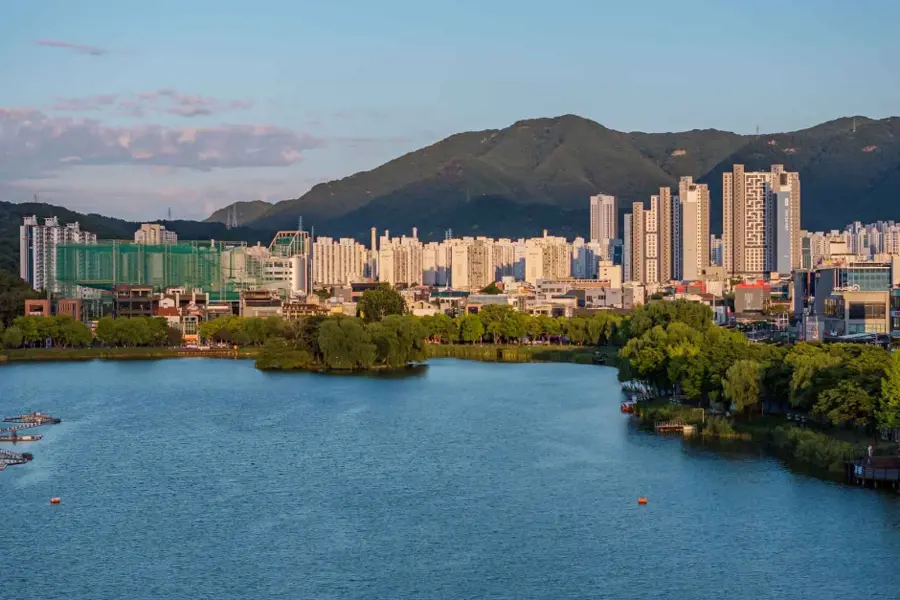
Daegu's official material presents the Geumho River as a place of city life, seasonal scenery and changing public waterfront use. Buk-gu describes an alluvial island between bridges, a riverside trail and seasonal rape flowers and cosmos; Daegu's travel guide also links the river with Hajungdo, Dongchon Recreation Area and city-tour routes. The useful question is not “where is the river?” but “which river mood should carry the day?” Current hours, prices, transport, facilities, events, weather, closures, safety notices and lodging availability are to be checked close to travel.
A flower-and-island walk is a concentrated nature visit. Dongchon is a recreation-focused choice with more facilities and possible activities. A broader river route connects open space to bridges, neighbourhoods or a meal, but it can become a long linear day. Choose one main river chapter and one reversible extension. The river should give the group breathing room, not become another checklist of distant stops.
Treat seasonal flowers as a window, not a guarantee
Official Buk-gu information mentions rape blossoms in spring and cosmos in autumn on the alluvial island, which makes the calendar part of the route decision. Flower timing, planting, weather, maintenance and weekend demand can change the scene. If flowers are the purpose, check current local updates and accept that a green or recently cut field may still be a pleasant river walk. Do not promise a particular bloom from an old photograph.
Spring suits a slow path with a camera and a light meal; autumn can make the same open space feel cooler and more spacious. Summer greenery may be strong but heat can erase the value of a long exposed loop. Winter reveals bridge lines, reeds and the river's shape, but seating and shade are less useful. Build a river plan that still works when the colour is not at its peak.
Choose the alluvial island for texture, not convenience
The Geumho River alluvial island is described by Buk-gu as lying between Paldal Bridge and Nogok Bridge, with a trail and seasonal planting. The official listing also notes no parking lot and a walk from a bus stop. That is valuable evidence: the island can feel open and local precisely because it is not a drive-up attraction. Plan the final walk, sun exposure and return instead of treating the island as a roadside photo stop.
A transit-first visit can be simple when everyone accepts the walk from the stop. A car-first visit may create unnecessary parking stress and a longer search for a legal place to leave the vehicle. For families, carry water and set a visible regrouping point. For photographers, visit when the light is worth the walk. Stop locations, bridge access, path condition, parking rules and seasonal works are to be checked.
Use Dongchon when the group needs more options
Dongchon Recreation Area offers a different river experience: more open recreation, a bridge, a view towards the river and a choice of sitting, walking or activity. Official tourism material describes it as Daegu's first recreation area and notes facilities and river views. That makes it a useful choice for mixed interests, especially when one person wants movement and another wants an easy riverside pause. Current activity operations are to be checked.
The trade-off is atmosphere versus convenience. A recreation area has more ways to spend time but can feel busier and less agricultural than an alluvial island. On a warm day, water or leisure facilities may be attractive, but operation dates and fees can change. Use Dongchon as the main stop when the group needs a clear return and facilities; use the island when the value is seasonal landscape and quiet walking.
Do not overread river renewal announcements
Daegu city announcements describe Geumhogang River Renaissance projects, ecological trails and planned or ongoing waterfront improvements. These documents are useful evidence that the river is changing, but a project description is not the same as an open attraction. Construction, access, finished facilities and operating dates must be checked locally. Write the route around confirmed existing access and treat new water-friendly hubs as optional until the city confirms them.
This matters for travellers who build a day around a promised bridge, fountain, sandy area or leisure programme. A river can be enjoyable without the newest feature: bridges, flowers, water, birds and neighbourhood paths already give the day shape. Keep the plan honest by naming what is confirmed and what is to be checked. If one section is closed, move to Dongchon or another established river edge rather than forcing a detour.
Match walking, cycling and transit to the riverbank
Walking is best for flowers, birds, bridge shadows and short pauses. Cycling can connect river sections, but the group must agree on equipment, path sharing, wind and the return point. Transit is practical for a single riverside anchor, while a multi-stop route may need careful transfers. Daegu's seasonal city-tour information itself notes that courses can change with demand and themes, so do not build a fixed day around an old timetable.
The decision should include the last kilometre. A bicycle that is easy to rent may be hard to return after a one-way river route; a bus stop that looks close may leave a sun-exposed walk. For children, the safest option may be a short loop from one recreation area. For photographers, walking provides more control. Current rentals, buses, bike rules, trail works, bridge crossings and event operations are to be checked.
Make heat and river safety visible
Open riverbanks can feel cooler in photographs than they do at midday. Carry water, use shade when available and set a turnaround before the group is tired. Keep away from edges, water facilities and maintenance zones, and follow signs around flood control or ecological areas. In spring and autumn, flowers can distract from uneven ground; in winter, cold wind can make a short return feel long.
A river route is not automatically accessible or stroller-friendly across its full length. Check the chosen entrance, surface, ramps, toilets, shade and seating rather than generalising from one renovated section. A child-friendly outing can still be excellent when it is short and specific. Weather alerts, river level, event closures, works and local safety notices are to be checked close to travel.
Choose accommodation by the next city move
A Dongdaegu or central Daegu base can make the river one chapter in a broader city day and keep meals flexible. A riverside-area stay may suit a slow morning, but it can reduce late dining and transport choice. If the group is visiting for a flower window, stay where the first transfer is simple rather than where the map shows the river in a straight line.
Accommodation value comes from protecting the river's unhurried pace. Compare first bus, final return, luggage storage, breakfast, laundry and weather alternatives. A short river stop after a long train arrival may need a station base; a dawn photography plan may need a quieter room and a taxi. Rates, current transport, parking, construction and check-in rules are to be checked before booking.
Executable route decision table
| Route | Best for | Sequence | Trade-off |
|---|---|---|---|
| Alluvial-island flower walk | For seasonal colour and a quieter nature chapter | Use the verified bus approach; walk the island trail; photograph flowers and bridges; return before heat | Distinctive and calm, but no dedicated parking and bloom timing vary. |
| Dongchon recreation day | For families and mixed interests needing facilities | Choose a recreation section; add a river view; use one confirmed activity or meal; return simply | More options, but busier and less rural. |
| River-to-city line | For walkers who want bridges and neighbourhood texture | Start at a confirmed bank; connect one or two sections; finish near transport and food | More variety, but linear return and project changes add friction. |
| Season or weather fallback | For uncertain flowers, heat or rain | Use a short established riverside section; shift to a city indoor stop; keep the river optional | Protects the day, but reduces open-water time. |
Spring, summer, autumn and winter decisions
| Season | How to use the route | Seasonal trade-off |
|---|---|---|
| Spring | Plan around rape blossoms or fresh river growth, with an early start and water. | Colour can be excellent, but bloom dates, rain, pollen and weekend demand vary. |
| Summer | Choose morning or evening, use Dongchon facilities or a short shaded section. | Long light helps, but heat, storms, insects and exposed banks reduce comfort. |
| Autumn | Use cosmos and cooler air for a longer island or bridge walk when current bloom is confirmed. | Pleasant walking may bring crowds, and planting or maintenance can change the scene. |
| Winter | Choose a short daylight route focused on bridges, reeds and river shape. | Open views are clear, but wind, cold seating and limited activities matter. |
Seasonal descriptions are planning signals rather than guarantees. Water, wind, light, events, access, crowds and facilities are to be checked close to travel. Daegu Geumho River Route Decision: Alluvial Island Flowers, Dongchon Recreation or a Riverside City Day? is updated 2026-09-13.
Positive evidence signals
- The Geumho River offers seasonal flowers, open sky, bridges and city life in one region.
- Alluvial-island and Dongchon choices serve different fitness and comfort needs.
- A short river chapter can add breathing space to a dense Daegu itinerary.
- Official city material makes seasonal change and ongoing waterfront work visible.
- Transit, walking and cycling can be mixed when the final kilometre is planned honestly.
Limitations and negative evidence signals
- Flower timing and maintenance can change the main visual reason for a visit.
- Some open banks have little shade, seating or nearby food.
- Alluvial-island access can require a walk from transit and has no dedicated parking.
- River-renewal announcements do not prove that a new facility is open.
- Heat, flooding, wind, construction and event operations can alter a linear route.
Choose a route shape
| Route shape | How it works | Best match |
|---|---|---|
| The seasonal island | Take a transit-led walk to the alluvial island and let flowers and bridges carry the visit. | Best for photographers and slow walkers. |
| The recreation base | Use Dongchon for sitting, walking and one confirmed activity with a clear return. | Best for families and mixed interests. |
| The living river line | Connect two confirmed bank sections and finish near food or transit. | Best for repeat Daegu visitors who accept route logistics. |
Accommodation and return decision
| Stay shape | Why it helps | Cost or friction |
|---|---|---|
| Central Daegu base | Keeps food, rail and several river access choices flexible. | The river may require a longer first transfer. |
| Dongdaegu station base | Useful for rail arrivals and a timed city-tour or river day. | Less neighbourhood atmosphere after the walk. |
| Quiet riverside-area base | Supports a slower morning and early photography. | Late meals, parking and transport need checking. |
- Source 1: official destination, city, tourism, heritage or operator information. Claims and live details should be checked against the linked page close to travel.
- Source 2: official destination, city, tourism, heritage or operator information. Claims and live details should be checked against the linked page close to travel.
- Source 3: official destination, city, tourism, heritage or operator information. Claims and live details should be checked against the linked page close to travel.
- Source 4: official destination, city, tourism, heritage or operator information. Claims and live details should be checked against the linked page close to travel.
- Source 5: official destination, city, tourism, heritage or operator information. Claims and live details should be checked against the linked page close to travel.
Stay where the river can be a morning route, not a transfer
The Geumho River route works by pace: an early walk, a warm meal and a shorter afternoon. Choose a base that leaves energy for the river instead of using the whole day to reach it.
Suseong area stay
Use Suseong when the river is paired with a lake, park or family day. It keeps the outdoor sequence closer and gives a calmer evening after walking.
See Suseong staysDaegu city base
Choose the centre when the river is one flexible morning inside a museum, market or rail itinerary. Food and connections are easier, while the walk needs a defined start and end.
See Daegu city staysSuseong for a slower outdoor loop; the centre for a mixed city day.
Frequently asked questions
When are Geumho River flowers best?
Official Buk-gu material mentions rape blossoms in spring and cosmos in autumn, but current bloom, planting and maintenance dates are to be checked. Current hours, prices, transport, facilities, events, weather, closures, safety notices and lodging availability are to be checked close to travel.
Is the alluvial island easy to reach by car?
The official listing notes no parking lot and a walk from a bus stop, so plan transit or a verified drop-off. Current hours, prices, transport, facilities, events, weather, closures, safety notices and lodging availability are to be checked close to travel.
What is Dongchon Recreation Area for?
It offers a more facility-led river visit with walking, views and possible activities; current operation and fees are to be checked. Current hours, prices, transport, facilities, events, weather, closures, safety notices and lodging availability are to be checked close to travel.
Can I cycle the Geumho River?
Possibly on suitable verified sections, but rental, path sharing, bridge crossings and return logistics must be confirmed. Current hours, prices, transport, facilities, events, weather, closures, safety notices and lodging availability are to be checked close to travel.
Are river renewal features open?
City announcements describe projects and planned improvements; treat each new feature as to be checked until officially operating. Current hours, prices, transport, facilities, events, weather, closures, safety notices and lodging availability are to be checked close to travel.
Where should I stay?
A central or station base is flexible; a riverside base suits slow travel only when transport and late food are clear. Current hours, prices, transport, facilities, events, weather, closures, safety notices and lodging availability are to be checked close to travel.
KriNavi decision card
Best use of this page: Daegu Geumho River Route Decision: Alluvial Island Flowers, Dongchon Recreation or a Riverside City Day?
Core judgement: Choose a Daegu Geumho River route around seasonal flowers, alluvial island paths, Dongchon Recreation Area, cycling and city transport.
This card only reorganizes sources already listed by the page. Recheck live hours, prices, service, and restrictions for the travel date.