
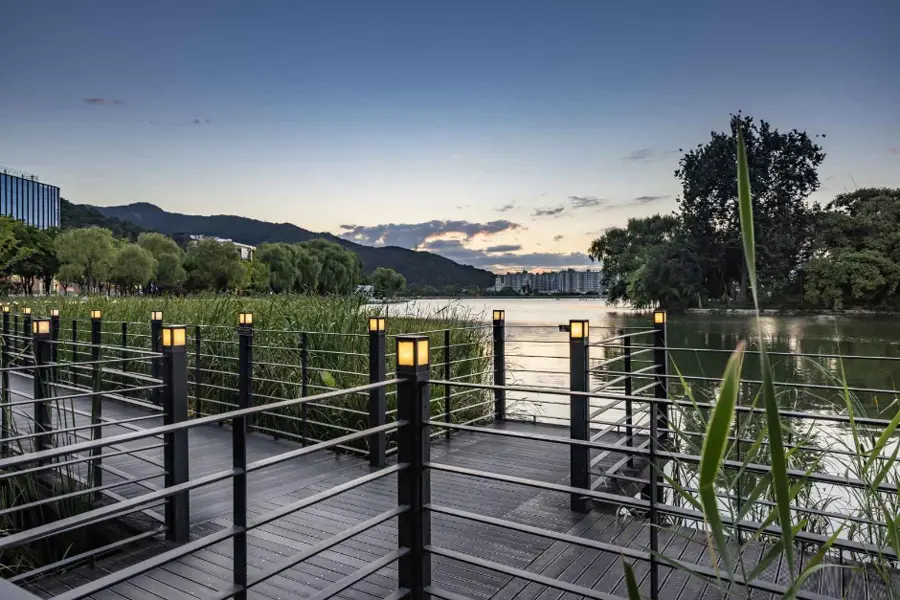
Short answer: The park is more rewarding when treated as a civic-history stop with a chosen depth: a focused memorial visit, a measured green-space pause or a wider downtown route. Current hours, prices, transport, facilities, events, weather, closures, safety notices and lodging availability are to be checked close to travel.
- A history-first route decision that separates the National Debt Repayment Movement story from the park’s lawns, bell pavilion and nearby city life, so visitors can choose depth without overpromising a large attraction.
- A traveller has a short Daegu window and must decide whether the park should be the main historical stop, a calm break between museums, or a small chapter in a downtown walk.
- Current hours, prices, transport, facilities, events, weather, closures, safety notices and lodging availability are to be checked close to travel.
- Choose one primary experience and one reversible fallback before you leave.
Read the park as a civic story first
Gukchaebosang Memorial Park is easy to mistake for a generic downtown lawn. Daegu's English city guide links the site to the National Debt Repayment Movement, while Korea Tourism Organization information describes a park created around that civic memory, with memorial elements, a grand bell and planted space. Begin with the story rather than the fountain or a quick photo. The visit becomes clearer when you decide how much historical context your party can absorb before moving on. Current hours, prices, transport, facilities, events, weather, closures, safety notices and lodging availability are to be checked close to travel.
A focused visitor can spend a short period with the memorial markers and bell pavilion, then continue to another historic district. A slower visitor can use the green space to discuss why a public movement is remembered in a park rather than only in a museum. A child may connect with the bell, paths or open lawn more quickly than with a long explanation. The decision is not whether the park is large enough; it is whether the chosen depth suits the rest of the day.
Choose the right depth for a short central stop
The park rewards a layered route. At the lightest level, walk the main paths, identify the civic memorial and take a quiet pause. At the middle level, read the surrounding markers, look for the relationship between the green space and the city grid, and reserve time for the bell pavilion. At the deepest level, pair the park with another Daegu history stop and let the movement's social context shape the day. Do not use a single fixed duration for all three versions.
The trade-off is concentration versus variety. A short stop protects a busy itinerary and leaves room for markets, museums or cafés, but the movement can become a name without meaning. A longer stop gives the story room, but may feel repetitive to visitors who prefer architecture or food. Decide before arrival whether everyone must read everything. A simple shared question—what kind of public action does this memorial honour?—can make a brief visit feel complete.
The bell is a timing detail, not the whole reason to go
Daegu's official English page mentions a bell ceremony associated with the park, including a weekend afternoon time in its current description. Treat that as a lead for planning rather than a guarantee. Ceremony schedules, participation rules, sound levels, weather arrangements and temporary events can change. If the bell is the central reason for the visit, verify the date and time directly before travelling. If it is a bonus, the route remains worthwhile even when no ceremony is taking place.
A bell-led visit can add a strong sensory moment to a history route, especially for travellers who enjoy civic ritual and public space. It can also create crowd pressure and a narrow arrival window. Arriving too early may leave a long wait; arriving late may mean the park is calm but the planned moment has passed. Build a before-and-after plan: read the memorial first, listen if the event is confirmed, then move to a nearby street or indoor stop. Current ceremony details are to be checked.
Green space changes the pace of a Daegu day
The park's lawns, planted paths and open sightlines give a useful reset between denser city stops. This is especially valuable in Daegu, where a day of museums, markets and traffic can become mentally full even when distances are short. Use the park as a transition: arrive with one question from the previous stop, walk without rushing, and leave with one next decision. The calm is part of the attraction, but it should not be sold as wilderness or a major botanical garden.
Weather decides how much the green-space layer contributes. In spring, new leaves and flowers can make a short loop feel generous. Summer heat may reduce the value of a midday pause, while autumn colour can bring more walkers. Winter exposes the park's civic layout and makes the bell and memorial elements easier to read, but seating can feel cold. Shade, fountains, events, maintenance and any restricted lawn areas are to be checked close to travel.
Pair it with the right downtown neighbour
Gukchaebosang Memorial Park works best beside a compatible second chapter rather than a random list of attractions. A market or food street can turn civic history into a lived city day; an indoor museum can deepen the historical theme; a café stop can protect a group that needs a quiet break. Choose one neighbour by walking direction and one by weather. A route that zigzags across Daegu may contain more names but less understanding and more waiting.
The strongest pairing depends on your decision question. If you want to understand public memory, choose another heritage or civic site. If you want to feel Daegu's present-day rhythm, choose a central street or market. If the group is tired, stop after the park and eat nearby. Transit times, pedestrian crossings, business hours and event days can shift. Verify the exact order with current maps, then leave a return option that does not depend on one crowded venue.
Move through the park with a simple orientation plan
A central park can feel effortless until the group starts looking for a particular pavilion, marker or exit. Before walking, identify the main entrance you will use, the memorial area, the bell pavilion, rest points and the direction of the next stop. Daegu's official attraction listing provides practical location information, but current sign placement, facilities and access should be confirmed in person. A short orientation saves more time than hurrying past the first plaque.
Transit is usually the reason to choose this site for a short day, yet a bus stop name or subway exit can be less intuitive than a map suggests. Save the Korean place name as well as the English title, and choose a meet-up point visible to everyone. If the group separates for reading or photographs, agree on a return time. Current stop locations, road works, parking, restroom access and accessibility details are to be checked.
Families and older travellers need comfort decisions
The park's relatively open paths can be easier for a family or older traveller than a hill route, but comfort is not the same as complete accessibility. A long historical explanation may be tiring, and a bell event may be loud or crowded. Offer a short loop, a seated interpretation pause and an optional extension. Let a child look for civic symbols or sounds while adults read the context; that keeps the park from becoming a forced classroom.
The limitation is that outdoor comfort changes quickly with heat, rain, pollen and cold. Carry water in warm months, a rain layer in shoulder seasons and a warm layer in winter. Confirm restrooms, seating, shade and any temporary closures. If a member needs a step-free path, do not infer it from a broad walkway; ask the local information point or confirm current access before committing to every section. The route should remain enjoyable even if the optional loop is dropped.
Stay near the part of Daegu you will actually use
For an early park visit or a sequence of central attractions, a downtown base can reduce transfer friction and make an evening meal easy. A station-area base can be practical for onward rail travel, while a quieter neighbourhood may be better after a full city day. The park itself should not decide the hotel unless the group is making it the first or last chapter. Compare the first connection, last return and the walk with luggage.
Accommodation trade-offs are about recovery, not prestige. A lively base gives more food and late options but can be noisy. A cheaper outer base may save money while adding a daily transfer that weakens a short itinerary. If the bell ceremony or morning museum opening matters, verify the first transit and event timing before choosing. Rates, check-in, elevators, parking, neighbourhood construction and current transport frequency are to be checked close to booking.
Executable route decision table
| Route | Best for | Sequence | Trade-off |
|---|---|---|---|
| Civic-history focus | For visitors who want the movement and memorial context | Read the memorial markers first; pause at the bell pavilion; discuss one historical question; continue to a compatible heritage stop | Most meaningful, but less room for markets or spontaneous browsing. |
| Green reset | For a tired or mixed-age group | Take a measured path loop; use the lawn and seating as a pause; leave before heat or cold becomes the story | Comfortable and flexible, but the history can remain too shallow. |
| Bell-and-street walk | For a confirmed ceremony or sound-led visit | Verify the event; arrive with a pre-ceremony reading plan; move to food or cafés afterward | Memorable timing, but sensitive to schedule changes and crowds. |
| Rain-safe short stop | For a central itinerary with uncertain weather | Use the accessible park elements briefly; shift to an indoor history or food stop; keep the return simple | Protects time and comfort, but outdoor atmosphere is reduced. |
Spring, summer, autumn and winter decisions
| Season | How to use the route | Seasonal trade-off |
|---|---|---|
| Spring | Use a short memorial loop with a longer green-space pause when shade and flowering areas are comfortable. | Fresh growth improves the park, while pollen, rain and busy weekends can affect comfort. |
| Summer | Visit earlier or later, carry water and keep the main history reading concise before moving indoors. | Long daylight helps, but heat, humidity and fountain or event operations are to be checked. |
| Autumn | Pair a civic-history reading with an unhurried park walk and a warm nearby meal. | Crisp weather suits walking, but foliage crowds, rain and event timing may change the pace. |
| Winter | Use daylight, warm layers and a shorter outdoor loop; make a café or museum the recovery chapter. | Open paths make the layout clear, but wind, cold seating and shorter daylight reduce lingering time. |
Seasonal descriptions are planning signals rather than guarantees. Water, wind, light, events, access, crowds and facilities are to be checked close to travel. Daegu Gukchaebosang Memorial Park Route Decision: Civic History, Green Pause or a Bell-and-Café City Walk? is updated 2026-09-13.
Positive evidence signals
- The park gives a civic movement a visible place in the contemporary city.
- A short visit can still work when the itinerary is built around a clear historical question.
- Open paths and green space offer a useful pause between denser Daegu stops.
- The bell pavilion creates a distinctive sound-and-place memory when timing is confirmed.
- Official city and tourism pages provide practical context for a low-cost central visit.
Limitations and negative evidence signals
- The park is easy to under-read if visitors only photograph the lawn and leave.
- A ceremony schedule can change, so the bell should not carry the entire day.
- Summer heat, winter cold and rain can reduce the value of an outdoor pause.
- Current facilities, access, parking and event arrangements need direct checking.
- Travellers seeking a large museum or dramatic landscape may find the scale modest.
Choose a route shape
| Route shape | How it works | Best match |
|---|---|---|
| The civic chapter | Read the movement context, walk the memorial elements and continue to another history stop. | Best for first-time visitors who want meaning before scenery. |
| The green interval | Use the park as a breathing space between markets, museums or appointments. | Best for mixed-age groups and flexible afternoons. |
| The timed bell visit | Confirm the ceremony, arrive early enough to orientate and leave with a food or street plan. | Best for visitors who enjoy public rituals and sound. |
Accommodation and return decision
| Stay shape | Why it helps | Cost or friction |
|---|---|---|
| Central downtown base | Makes a short park visit, meal and second stop easy to combine. | Noise and peak-time congestion may affect rest. |
| Station-area base | Useful when the park is one stop in a wider Daegu or rail itinerary. | The route may feel functional rather than neighbourhood-focused. |
| Quiet outer base | Can offer lower nightly cost and calmer recovery. | Adds transfer time and weakens a ceremony-led morning unless connections are verified. |
- Source 1: official destination, city, tourism, heritage or operator information. Claims and live details should be checked against the linked page close to travel.
- Source 2: official destination, city, tourism, heritage or operator information. Claims and live details should be checked against the linked page close to travel.
- Source 3: official destination, city, tourism, heritage or operator information. Claims and live details should be checked against the linked page close to travel.
- Source 4: official destination, city, tourism, heritage or operator information. Claims and live details should be checked against the linked page close to travel.
- Source 5: official destination, city, tourism, heritage or operator information. Claims and live details should be checked against the linked page close to travel.
Use the memorial park as a central reset
Gukchaebosang Memorial Park is easy to pair with a city route, but its value is the pause between busier streets. Stay where the park can be reached without turning a quiet morning into a long transfer.
Toyoko Inn Daegu Dongseongro
Choose a Dongseong-ro base when the park sits beside markets, modern alleys and evening food. You can walk or use a short connection, then return to the same city rhythm.
See the Daegu city baseDongdaegu station base
Use the station when Daegu is one stop in a wider rail trip. It protects arrival and departure, while the park becomes a deliberate city outing rather than a last-minute add-on.
Browse station-side staysDongseong-ro for food and streets; Dongdaegu for rail continuity.
Frequently asked questions
What is the park commemorating?
Official Daegu and KTO information connects it with the National Debt Repayment Movement; read the local memorial context on site. Current hours, prices, transport, facilities, events, weather, closures, safety notices and lodging availability are to be checked close to travel.
Is the bell ceremony guaranteed?
No. The city page mentions a ceremony time, but schedules, weather arrangements and event access are to be checked directly. Current hours, prices, transport, facilities, events, weather, closures, safety notices and lodging availability are to be checked close to travel.
How long should I stay?
Use a short civic loop for a tight day, or add green space and a nearby history stop when the story is your main theme. Current hours, prices, transport, facilities, events, weather, closures, safety notices and lodging availability are to be checked close to travel.
Is it free?
Official listings describe free access, but current events, facilities and special arrangements are to be checked. Current hours, prices, transport, facilities, events, weather, closures, safety notices and lodging availability are to be checked close to travel.
Can children enjoy it?
Yes when the visit uses a short loop, visible symbols and a park pause rather than a long uninterrupted reading session. Current hours, prices, transport, facilities, events, weather, closures, safety notices and lodging availability are to be checked close to travel.
Where should I stay?
Choose a base around your next morning and last return; a central or station-area stay is often more useful than theoretical proximity. Current hours, prices, transport, facilities, events, weather, closures, safety notices and lodging availability are to be checked close to travel.
KriNavi decision card
Best use of this page: Daegu Gukchaebosang Memorial Park Route Decision: Civic History, Green Pause or a Bell-and-Café City Walk?
Core judgement: Plan Gukchaebosang Memorial Park around civic history, quiet green space, the bell pavilion, nearby streets and a flexible Daegu return.
This card only reorganizes sources already listed by the page. Recheck live hours, prices, service, and restrictions for the travel date.