
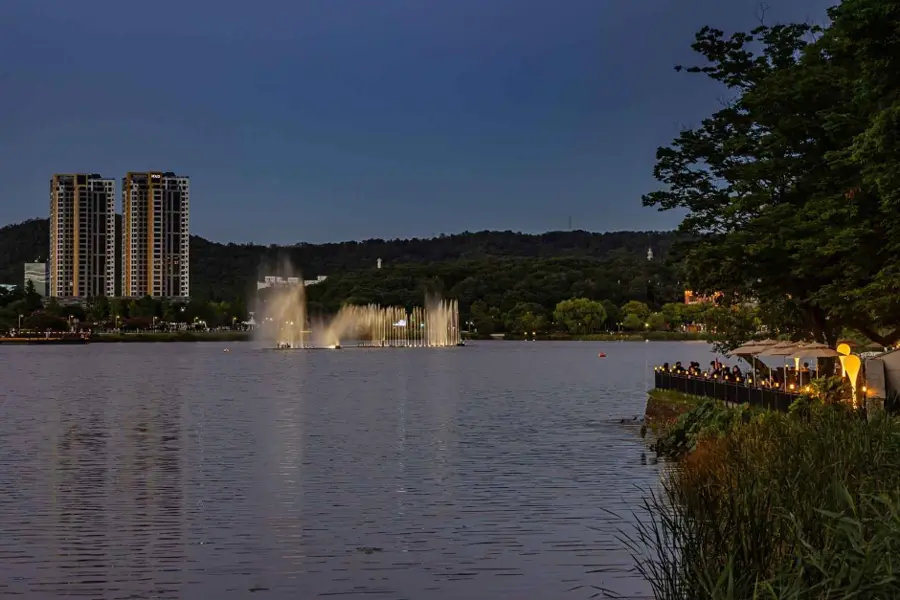
Daegu’s Modern Cultural Alley is a walking decision before it is a sightseeing list. The route joins old streets, religious buildings, restored houses, slopes and everyday businesses. A complete line may look efficient on a map but feel punishing in summer, frustrating in rain or too long for a group that has dinner booked across town. Choose the section, start, exit and pace first. The history becomes clearer when the body is not busy defending the schedule.
Make the route smaller before making it better
- Use a short heritage walk when the group has one hour, a hot afternoon or a firm meal time.
- Use a longer connected walk when everyone is comfortable with slopes, crossings and unplanned pauses.
- Use an indoor or café-based fallback when rain, heat or a tired child would make the street sequence unpleasant.
- Check the current official route information, road conditions, access and transport before setting a meeting point.
What “Modern Cultural Alley” asks the traveller to notice
The route is not a single museum with a queue and a final room. Its evidence is distributed. A church façade, a former mission compound, a lane that changed commercial use and a small viewpoint each carries only part of the story. The walking itself supplies the connection. That is why a rushed dash from one named building to the next can be less useful than a shorter section in which the group has time to read, look back and understand how the streets fit together.
Start by deciding what kind of history the group can use. A first-time visitor may want a readable sequence: one landmark, one street, one pause and one explanation of how the district changed. A repeat visitor may prefer a narrow theme such as religious architecture, medicine, education or the relationship between old homes and new cafés. A photographer may care about morning light and quiet corners, while a family may need shade, toilets and an exit that does not require climbing back up the same hill.
None of these is the “correct” walk. The correct version is the one whose central question survives the weather and the return. Put the question in a sentence before you leave, for example: “How did this district become a meeting point of older streets and modern institutions?” That sentence prevents every signboard from becoming a compulsory stop.
Choose one of four walking formats
| Format | Sequence | Best match | Risk to manage |
|---|---|---|---|
| Compact introduction | Begin at a confirmed landmark, read one street section, pause in shade and exit toward a meal or transit stop. | First visit, hot day, limited time. | Some wider context is left for a future visit. |
| Connected heritage walk | Set a start and an exit, follow the official route signs, allow reading and photo pauses, then stop before the final climb feels forced. | Walkers who enjoy urban history. | Hills, crossings and heat accumulate quietly. |
| Theme walk | Choose two or three buildings connected by one question and ignore unrelated pins. | Repeat visitors or specialist interest. | A closed or restricted building can remove the thread. |
| Rain and recovery plan | Use the most reliable indoor stop, add one covered street section and finish near a confirmed café or hotel route. | Unstable weather, children, older walkers. | The day becomes shorter but more comfortable. |
Save the table with the official route page rather than relying on a screenshot from another season. Signage, road works, access arrangements and individual opening information can change the practical order.
Hills and crossings change the meaning of “nearby”
A ten-minute map estimate can hide a steep approach, a major crossing, a narrow pavement or a street where a group cannot comfortably stop together. Walk the route in the direction that reduces the hardest climb at the time of day when everyone is strongest. If the group includes a stroller, a walker or heavy bags, inspect the last few hundred metres, not just the district name.
Public transport can make the beginning easy and the end awkward. A bus stop near a landmark may not be the same stop that serves the return direction. A taxi can shorten the final transfer but does not remove waiting, loading bags or finding a safe pick-up point in a narrow street. Agree on the exact exit before the first photograph. If the group splits, use a named café, station entrance or public building as the regroup point rather than “somewhere around the alley.”
A car offers flexibility for an outer hotel or a multi-destination day, but parking and one-way streets can turn a short heritage visit into a vehicle-management problem. The no-car route is not automatically slower when everyone is already in the central city. Compare the full chain: hotel to start, start to exit, exit to food, and food to the next commitment.
Build a readable sequence rather than a parade
Give the route four beats. The first beat introduces the district and tells the group why the first building matters. The second allows one slow look at architecture or a preserved interior. The third connects the old street to present-day Daegu through a meal, market edge or ordinary shopfront. The fourth is the exit and return. If the route has ten landmarks but no quiet third beat, it may be visually busy and historically thin.
Let different travellers hold different jobs. One person can check the official notice, another can watch the next turn, and another can choose the single detail the group will remember. This avoids the common failure in which everybody follows a phone while nobody notices the slope or the time. When a building is closed, keep the outside relationship and replace the interior with a nearby confirmed stop rather than inventing access.
Children often engage better with a physical prompt than with a long chronology: find the oldest visible threshold, compare rooflines, count the changes in street width, or choose a detail to sketch. Older travellers may prefer a shorter section with a seat and a predictable exit. A route that includes those choices is stronger than one that assumes identical stamina.
When the season should decide the start
| Season | Route adjustment | Protect this |
|---|---|---|
| Spring | Use the first comfortable daylight for the street section, then choose one indoor stop before afternoon showers. | Rain, pollen, weekend foot traffic and slippery slopes. |
| Summer | Start early or late, shorten exposed climbs and schedule water and a cool indoor pause. | Heat, humidity, storms and the ability to find shade. |
| Autumn | Use the pleasant walking window for the connected route and leave the final exit before light fades. | Festival activity, crowds and a late return through unfamiliar streets. |
| Winter | Choose a compact route with a warm interior stop and a direct meal or hotel connection. | Cold wind, shorter daylight and the comfort of waiting for transport. |
Seasonal planning does not guarantee a particular atmosphere. Check the day’s forecast, current city notices and the route’s actual conditions. If the weather has already changed the walking surface, change the route rather than pretending that the original distance still means the same thing.
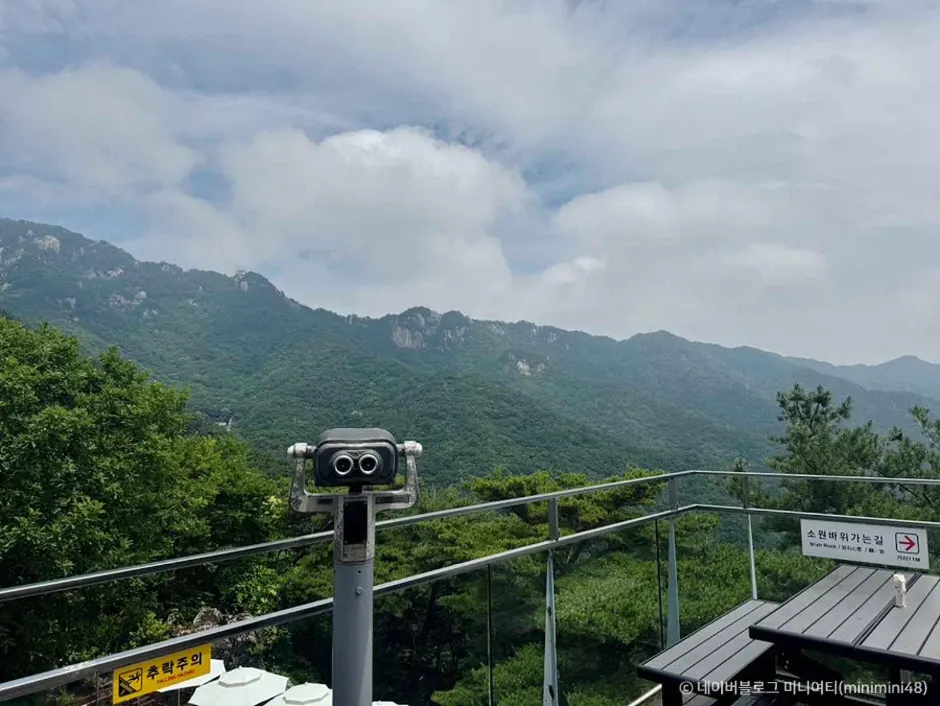
Pair the alley with food and accommodation intelligently
Downtown Daegu makes it easy to attach the alley to lunch, coffee or an evening meal. That convenience can either complete the route or add a second mission. Choose food near the planned exit when the group is tired. Choosing a famous place on the opposite side of the city may turn a gentle history walk into a transport race.
For a one-night stay, a central base reduces the final walk and makes it easier to stop early. For several nights, the group can afford a longer return if the accommodation protects sleep and morning transport. A station-area room may be useful for a very early departure, but it can make a slow evening in the old centre less spontaneous. Compare the base to the route’s start and exit, not to the most attractive photograph of the hotel.
| Stay pattern | Good reason | Question before paying |
|---|---|---|
| Central Daegu evening base | Easy dinner, shorter final walk and flexible return. | Will the street noise or room size matter after a full day? |
| Dongdaegu station base | Useful for an early train or heavy luggage on departure day. | Does the route still leave enough time for the city centre at night? |
| Longer-stay neighbourhood base | Lets the alley sit inside a broader Daegu programme. | Does the return transfer remain simple after rain or a late meal? |
Positive signals and limits
Positive signals
- The route links architecture, streets and present-day neighbourhood life in one walk.
- A short section can still answer a clear historical question.
- Central exits make it easy to combine the walk with food or another confirmed activity.
- The route can be reordered when rain or heat changes the comfortable direction.
- Families and repeat visitors can use different themes without needing separate destinations.
Limitations
- Hills, crossings and exposed pavement are real costs, especially after lunch or in summer.
- Not every named building is open for an interior visit at every time.
- Street life and events can make a quiet reading stop difficult.
- Map distance does not reveal the best return direction or the safest place to regroup.
- A long list of pins can dilute the history and leave the group with no clear conclusion.
Use this pre-departure order
- Open the current official route information and decide whether the day is short, connected, themed or weather-led.
- Choose a start that matches the group’s strongest walking window and identify the hardest slope.
- Mark the exit, meal and return connection before adding any optional landmark.
- Check current notices, road works, access, weather and transport shortly before leaving.
- Agree on one detail each person wants to remember, then stop adding pins.
- Daegu official Modern Cultural Alley information — check the current route context and visitor information.
- Daegu official tourism portal — use current city notices, destination information and transport context.
- Jung-gu cultural tourism information — check local route details and access information.
- Daegu Metropolitan City — check city-level notices that may affect roads, events or public space.
Image field
Plan the next action
Frequently asked questions
How long should I allow?
Allow time for the route you choose, not for every pin shown online. A compact section can be useful in an hour; a connected walk needs room for slopes, reading, pauses and the return.
Is the route suitable in summer?
Yes, if you start early or late, carry water, reduce exposed climbs and keep an indoor pause. Heat can make a map distance feel much longer.
Can I combine it with a market or café?
Choose one compatible finish near the planned exit. A meal across town may cost more time than the extra attraction is worth.
What is the best route for older travellers?
Use a short section, a known seat or café, a clear regroup point and a direct return. Confirm the actual slope and crossing rather than trusting “nearby.”
What happens if a building is closed?
Keep the street relationship, read the official notice and replace the interior with a confirmed nearby stop. Do not describe an interior that the group could not enter.
Where should I stay?
Central Daegu usually protects an evening return; Dongdaegu can protect an early departure. Choose by the route’s first and last legs, luggage and sleep needs.
A practical final check is to describe the day aloud: where everyone meets, which slope comes first, where the group can stop, which building is the anchor, where lunch happens and how the last person gets back. If that explanation needs a perfect forecast or an unconfirmed opening, simplify it. A route that survives an ordinary delay is more useful than a route that looks impressive only on paper.
Choose one start, one exit and one fallback before the walking day begins.
Stay where the alley day can finish easily
Dongseongno works best when the room supports a late meal, a quiet break and the next neighbourhood without another long transfer.
Dongseongno base
Useful for evening food, shopping and a short return after the culture route. It keeps the group close when browsing time expands.
Choose a Dongseongno staySuseongmot base
Better when the group wants a lakeside evening, more space and a slower second day after the central streets.
Compare a Suseongmot baseStay central for food and browsing; move toward the lake when the evening needs room.
KriNavi decision card
Best use of this page: Daegu Modern Cultural Alley: Build a walk around hills, churches, alleys and heat
Core judgement: Plan Daegu's Modern Cultural Alley by slope, heritage depth, shade, seasonal weather, public transport and a practical downtown return.
Sources checked in this page: Source 1 · Source 2 · Source 3 · Source 4
This card only reorganizes sources already listed by the page. Recheck live hours, prices, service, and restrictions for the travel date.