
Short answer: A Palgongsan Cable Car visit is not only a ride. It is a decision about height, visibility, walking and how much of a mountain day the group can absorb. The cable car can deliver a fast change of perspective, while a temple, forest path or lower viewpoint asks for a different amount of time and energy. Choose the ride’s role before adding the rest of Palgongsan. Current hours, prices, reservations, transport, facilities, weather, events, closures and safety notices are to be checked close to travel.
- A ride-first mountain plan that makes visibility, queue time, station access, walking capacity and temple or forest extensions explicit before a group commits to the Palgongsan day.
- Choose one primary experience and one reversible fallback.
- Current hours, prices, reservations, transport, facilities, weather, events, closures and safety notices are to be checked close to travel.
- Choose lodging around the actual return and the group’s least flexible need.
Decide what the ride must deliver
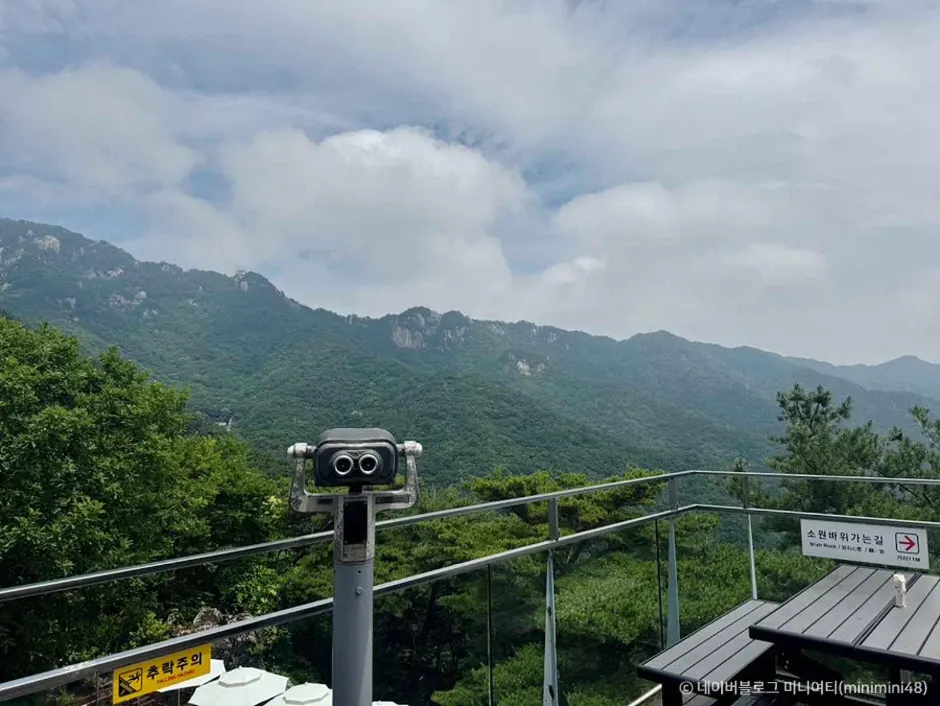
The cable car is useful when the group wants a mountain panorama without committing to a long ascent. It can also serve as the opening or closing chapter of a Palgongsan day. Define the desired result: a high view, a short mountain atmosphere, an introduction to the area or a transportation experience for children. A ride without that purpose can become a queue that displaces a better walk.
The trade-off is visual efficiency versus fixed timing. A clear ride may explain the mountain quickly, but ticketing, waiting, station access and return can consume more time than expected. If the group mainly wants quiet forest, a lower trail or temple may deliver more. Put the ride on the table as one mode, not the whole destination.
Treat visibility as the first gate
Mountain views depend on cloud, haze, rain, wind and the angle of light. Check a current mountain forecast and the operator’s status before leaving, then check again near the station. A city sky that looks clear can still hide ridges. If the panorama is the non-negotiable reason, keep a low-elevation alternative ready instead of paying into a poor-visibility plan.
A ride can still be enjoyable in cloud if the group values the movement and forest atmosphere, but that is a different promise. Tell travellers what they are choosing. The trade-off is a possible loss of the wide view in exchange for a short mountain experience. Do not present an unverified skyline as a certainty.
Keep Donghwasa a separate decision
Donghwasa and other Palgongsan attractions can add history and cultural context, but the road, parking, walking surface and facility hours are not controlled by a cable-car ticket. Choose the temple as a deliberate second chapter. Check current access, ceremonies, etiquette, meal options and the transfer time before treating it as a natural continuation.
A cable-car and temple pairing suits a group that wants both landscape and history, but it can overfill a day for children or slower walkers. The trade-off is variety versus recovery. If the ride takes longer than planned, preserve the temple or forest stop that matters most and drop the rest.
Plan the station and parking reality
Palgongsan is a mountain area with local roads, bus approaches and parking demand that can vary by weekend, festival or foliage season. Save the exact cable-car station and confirm public transport, parking, queue and last return details. A broad Palgongsan destination does not tell a taxi driver which entrance or a family which meeting point to use.
Driving gives control over equipment and a flexible return, but traffic and parking can turn a short ride into a long wait. Public transport avoids driving but makes the final connection and departure time more important. Choose the mode that allows an early exit if the group is cold, tired or the weather shifts.
Use a short walk as the default extension
After the ride, a measured viewpoint or forest section can help the group experience the mountain at ground level. Check the surface, slope, time and current trail notices. A short walk is often enough to make the cable car feel connected to Palgongsan rather than an isolated transport ride.
A higher route is not automatically better. Wind, wet leaves, snow and uneven ground can change the comfort quickly. Let the least confident walker set the turnaround and make the ride station or a confirmed facility the fallback. The trade-off is less distance but a more shared experience.
Make seasonal colour a planning cue
Spring flowers, summer green, autumn foliage and winter air can each change the appeal of the mountain. The timing of colour, crowds and facilities is not fixed. Check current notices and conditions, especially when the group is travelling for a particular festival, maple road or viewpoint.
Peak foliage can increase queue, parking and road pressure; winter can reduce operating flexibility. Use a season-aware route but do not stack every seasonal claim. If the view is crowded, choose the ride plus one quiet stop. If the lift is unavailable, a confirmed lower route may still support the day.
Give families and older travellers a real choice
A cable car may reduce climbing but does not remove waiting, boarding, wind or the need to walk at the destination. Families should identify a restroom, shade or warm rest point and a child-friendly endpoint. Older travellers should know the confirmed surface and where a route can stop. Do not let the strongest walker silently determine the mountain day.
The inclusive route may be a ride, a short deck or a temple courtyard rather than a long ridge. The trade-off is fewer viewpoints in exchange for independence and confidence. Confirm accessibility with the current operator or information point; a destination listing alone does not prove every transition is step-free.
Choose food and warmth before the last ride
A mountain visit is easier when the group knows where the next meal or warm drink can happen. Check current cafes, temple-area food, restrooms and closing patterns. Carry suitable layers and water. Do not assume a late cable-car exit will find an open restaurant or a simple bus connection.
A city meal after Palgongsan offers more choice but increases the return. A mountain-area meal can be convenient but has fewer alternatives. The decision depends on the last ride, traffic and the group’s energy. Build the food plan around a confirmed location and keep one simple fallback.
Leave before the view becomes a race
Mountain routes feel relaxed when the group has a defined turnaround and return. Protect the final cable-car or bus buffer and do not add a distant attraction because the first section went well. A short complete route is more useful than an ambitious one that ends in a hurried descent or missed connection.
If the ride closes, visibility fails or the line is too long, use the chosen lower alternative. Palgongsan remains a mountain landscape even without the signature ride. The best decision preserves safety, transport and the possibility of a calm meal or next-day plan.
Route and decision table
| Route | Choose it when | Suggested sequence | Trade-off |
|---|---|---|---|
| Ride and view | The group mainly wants height and a quick mountain orientation. | Check operator status, visibility and queue; ride; take one confirmed short walk; return before the buffer shrinks. | Efficient panorama, but the ride and weather can control the timetable. |
| Ride plus Donghwasa | Landscape and temple context both matter. | Make the ride the fixed gate; verify temple access and etiquette; choose one transfer and a defined end. | Richest story, but roads, walking and separate hours add friction. |
| Forest and low route | The group values trees and ground-level calm over a wide view. | Choose a confirmed lower path; use a lookout only if conditions suit; keep transport simple. | More weather-resilient, but it may omit the signature cable-car panorama. |
| Family short day | Mixed energy or mobility requires a reversible plan. | Confirm accessible station and facilities; ride or use one short viewpoint; set a clear meeting and exit. | Most inclusive, but it limits distance and the number of mountain stops. |
Ride and view evidence note: The positive signal is The group mainly wants height and a quick mountain orientation. The practical sequence is Check operator status, visibility and queue; ride; take one confirmed short walk; return before the buffer shrinks. The limitation is Efficient panorama, but the ride and weather can control the timetable. Current hours, prices, reservations, transport, facilities, weather, events, closures and safety notices are to be checked close to travel.
Ride plus Donghwasa evidence note: The positive signal is Landscape and temple context both matter. The practical sequence is Make the ride the fixed gate; verify temple access and etiquette; choose one transfer and a defined end. The limitation is Richest story, but roads, walking and separate hours add friction. Current hours, prices, reservations, transport, facilities, weather, events, closures and safety notices are to be checked close to travel.
Forest and low route evidence note: The positive signal is The group values trees and ground-level calm over a wide view. The practical sequence is Choose a confirmed lower path; use a lookout only if conditions suit; keep transport simple. The limitation is More weather-resilient, but it may omit the signature cable-car panorama. Current hours, prices, reservations, transport, facilities, weather, events, closures and safety notices are to be checked close to travel.
Family short day evidence note: The positive signal is Mixed energy or mobility requires a reversible plan. The practical sequence is Confirm accessible station and facilities; ride or use one short viewpoint; set a clear meeting and exit. The limitation is Most inclusive, but it limits distance and the number of mountain stops. Current hours, prices, reservations, transport, facilities, weather, events, closures and safety notices are to be checked close to travel.
Four seasons at a glance
Seasonal trade-offs
| Season | What becomes attractive | What becomes harder | Check before committing |
|---|---|---|---|
| Spring | Fresh forest colour and milder walking can support a ride plus a short trail. | Rain, mist and changing bloom timing can reduce the panorama. | Check visibility, flowers, trail surface, queues, station access and food. |
| Summer | Longer light and green slopes support a slower mountain chapter. | Heat, humidity, storms, insects and crowded weekends increase fatigue. | Check storm warnings, heat, shade, ride policy, water and the last return. |
| Autumn | Foliage and crisp air can make the ride and temple pairing attractive. | Peak colour brings road, parking, queue and lodging pressure. | Check foliage timing, crowding, wind, tickets, parking and sunset. |
| Winter | Clear cold air can create a focused ride and warm-meal route. | Snow, wind, ice, early darkness and closures reduce flexibility. | Check operating status, warnings, footwear, daylight, facilities and safe return. |
Spring evidence note: The opportunity is Fresh forest colour and milder walking can support a ride plus a short trail. The constraint is Rain, mist and changing bloom timing can reduce the panorama. Before leaving, Check visibility, flowers, trail surface, queues, station access and food. Current hours, prices, reservations, transport, facilities, weather, events, closures and safety notices are to be checked close to travel.
Summer evidence note: The opportunity is Longer light and green slopes support a slower mountain chapter. The constraint is Heat, humidity, storms, insects and crowded weekends increase fatigue. Before leaving, Check storm warnings, heat, shade, ride policy, water and the last return. Current hours, prices, reservations, transport, facilities, weather, events, closures and safety notices are to be checked close to travel.
Autumn evidence note: The opportunity is Foliage and crisp air can make the ride and temple pairing attractive. The constraint is Peak colour brings road, parking, queue and lodging pressure. Before leaving, Check foliage timing, crowding, wind, tickets, parking and sunset. Current hours, prices, reservations, transport, facilities, weather, events, closures and safety notices are to be checked close to travel.
Winter evidence note: The opportunity is Clear cold air can create a focused ride and warm-meal route. The constraint is Snow, wind, ice, early darkness and closures reduce flexibility. Before leaving, Check operating status, warnings, footwear, daylight, facilities and safe return. Current hours, prices, reservations, transport, facilities, weather, events, closures and safety notices are to be checked close to travel.
Five positive evidence signals
- The ride has a stated purpose: panorama, orientation, family experience or a mountain introduction.
- Visibility, operator status, queue, station and return details are checked together.
- A short ground-level route or temple alternative is ready before departure.
- The least confident walker has a real turnaround and facility plan.
- Lodging and food still work if the cable car is delayed or visibility is poor.
Five negative evidence signals and limitations
- A clear Daegu forecast is treated as proof of a clear Palgongsan panorama.
- Cable-car waiting, boarding and last-service timing are omitted from the route.
- Donghwasa, a high trail and a distant meal are added without checking transfers.
- Peak foliage, snow, wind or uneven surfaces are ignored for children or older walkers.
- A queue or closure is answered by entering an unverified trail or unsafe roadside area.
Three practical route shapes
Panorama first: Check the ride and visibility, take one short mountain section and leave with a safe return buffer.
Landscape and temple: Protect the cable-car gate, then make Donghwasa the one cultural extension with its own access check.
Low route fallback: Use a confirmed forest or lower viewpoint when queues, wind or cloud make the ride a poor fit.
Accommodation and transport decision
| Stay shape | Choose it when | Trade-off |
|---|---|---|
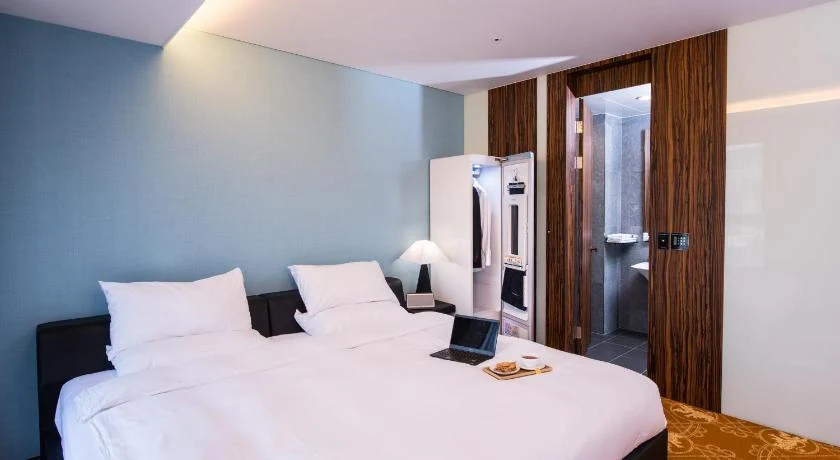
| Palgongsan-area base | An early ride, slow mountain morning or evening temple setting matters. | Reduces first-transfer pressure, but check current rooms, meals, parking and late transport. |
| Daegu city base | Palgongsan is one full day among urban attractions. | More food and accommodation choice, but traffic and the mountain return need a firm buffer. |
| Dongdaegu transit base | The group is moving onward after a short mountain chapter. | Efficient for luggage and trains, but leaves little room for a late queue or weather delay. |
Field decisions before leaving
- Daegu Tourism Palgongsan area route information — current details are to be checked.
- Daegu Tourism Palgongsan FAQ and mountain information — current details are to be checked.
- Daegu Tourism Palgongsan area attractions — current details are to be checked.
- Daegu Metropolitan City English tourism information — current details are to be checked.
FAQ
Is the cable car enough for a Palgongsan visit?
It can be the main experience, but decide whether the group also wants a short ground-level walk or temple context.
Will the mountain view be clear?
Not necessarily. Check live weather, visibility and operator notices and keep a lower route useful.
Can I combine the ride with Donghwasa?
Yes, if current roads, access, etiquette, hours and the return are checked as separate decisions.
Is it suitable for children?
Often as a short ride-led visit, provided waiting, wind, facilities, surfaces and a clear end are planned.
Where should I stay?
A mountain base supports an early or slow visit; Daegu or Dongdaegu gives more food and onward flexibility.
What if the cable car is closed?
Use the confirmed lower route, temple or city fallback rather than entering an unverified mountain path.
KriNavi decision card
Best use of this page: Daegu Palgongsan Cable Car Route Decision: Mountain Panorama, Temple Pairing or a Weather-Smart Short Day?
Core judgement: Choose Daegu Palgongsan Cable Car by panorama, temple pairing, forest walking, season, queue, weather, transport and lodging.
Sources checked in this page: Source 1 · Source 2 · Source 3 · Source 4
This card only reorganizes sources already listed by the page. Recheck live hours, prices, service, and restrictions for the travel date.