
KRINAVI TRIP FIT
Score withheld
No numeric score is shown because this page does not yet have an external verification source. Use the planning checks, then confirm official information before booking or departure.
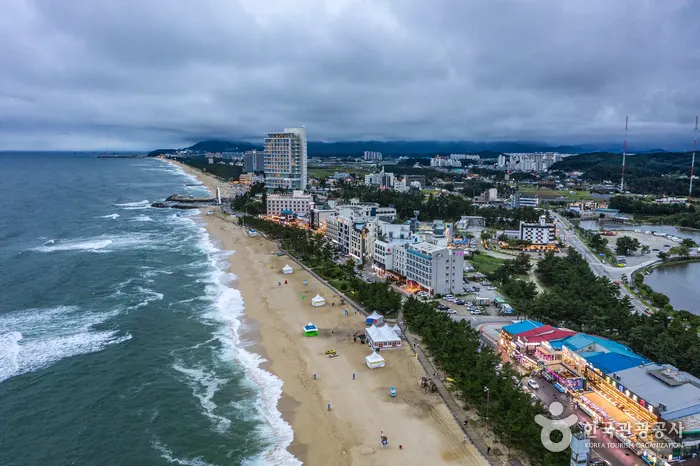
The biggest frustration in car-free Gangneung is not that public transport is impossible. It is that every place on the coast looks close on a map. In reality, walking after each stop, waiting, weather, luggage and the final trip back to your hotel all add up. Give the day one coastal direction, then use a bus or short taxi ride only where it protects your time. You will spend more of the day looking at the sea and less of it looking at your phone.
Choose a direction before you collect stops
Start with the part of the day you care about most. Where do you want your morning, lunch or evening to happen? Once that is clear, keep most of the day on the same side of town and only cross to another area when it is genuinely worth the transfer.
Your accommodation is the start and finish of this plan. A coastal base makes early walks and evenings easier; a station-side base gives you better intercity access but usually adds another local leg. Settle where to stay in Gangneung before building the transport day around the wrong base.
Use buses for meaningful distance, not every two blocks
Buses work best when they move you across a distance that is not worth walking. If you will use local transit repeatedly elsewhere in Korea too, the Korea transport card guide is useful to sort out before arrival. Once you arrive, explore a compact area on foot. Returning to a bus stop after every single sight makes the day fragile and turns delays into constant pressure.
Timetables, stops and operating conditions can change, especially on holidays, at night or in poor weather. Check same-day information. If waiting starts to consume the time you wanted to spend somewhere, drop the backup stop, shorten the route or use a short taxi ride. Car-free travel is not a test of endurance.
A short taxi ride is not a failure
With luggage, rain, children, older travelers or fading daylight, a short taxi can be more valuable than waiting for the perfect bus connection. What you buy back is not just minutes; it is dinner, rest and less anxiety at the end of the day.
That does not mean taxis should become an excuse to expand the map. If you spend the day repeatedly getting in and out of vehicles, the coast still becomes a list of names. Transport should protect one direction, not make the itinerary infinitely larger.
On arrival day, remove luggage from the map first
When you reach Gangneung from Seoul, the first decision should be where the luggage goes, not which beach comes first. If that intercity leg is not fixed yet, start with the Seoul to Gangneung guide. Check in if you can. If you need storage, confirm the location, collection time and how it fits the rest of the day before heading to the coast.
If you arrive late, dinner and a short walk near your hotel can be enough. Starting the main coastal route the next morning does not mean you wasted the first day; it means you removed bags and fatigue from your best hours.
Weather changes the sensible size of a car-free day
Distances that feel easy in clear weather can feel completely different in strong wind, rain or heat. Exposed bus stops, wet shoes and slower walking all reduce how much movement a group will tolerate. Check the forecast and keep a smaller version of the day ready: one stretch of coast, one meal, everything else optional.
Bad weather does not require an endless indoor backup list. Decide what you most wanted to keep — a sea view, coffee, dinner or simply a slower day — and protect that one thing while reducing transfers. The Gangneung rainy-day plan gives you the shorter version.
Morning and evening are more valuable near your base
If you want a sunrise walk or an evening by the water, those are the best times to stay close to your accommodation. You should not need to study a bus schedule just to see the light change, or leave dinner early because the final transfer feels uncertain.
If your hotel is not on the coast, that is fine. Use the middle of the day for the coastal section and bring the evening back toward your base. The Gangneung evening plan helps test whether that return still feels easy after dinner.
With friends, agree on one main direction before leaving
Group itineraries expand quickly: one person wants coffee, another wants the beach and someone else wants shopping. If each preference creates another cross-town transfer, the day becomes a schedule rather than a trip. Agree on one main area and make everything else optional.
A compact plan also makes splitting up easier. Someone who is tired can return to the hotel or stop for a rest while others continue nearby. That flexibility disappears when everyone is tied to a chain of transfers.
Keep shopping and café bags from becoming transport problems
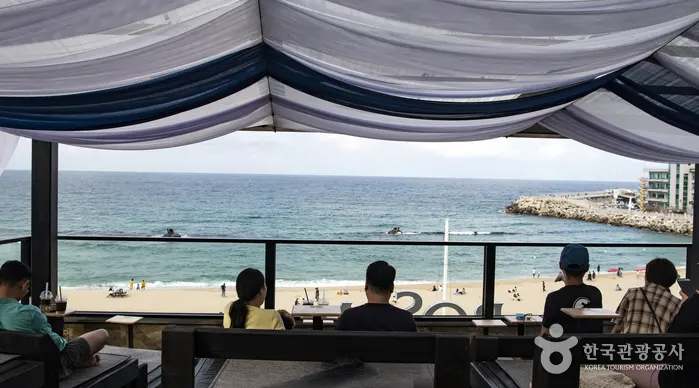
Gangneung makes it easy to accumulate coffee, snacks and souvenirs, but carrying them changes how far you will want to walk later. Put heavier shopping near the end of the day or closer to your hotel. Walk the coast light, then buy what you want once the route is already shrinking.
Do not turn cafés into another cross-town checklist. Pick one place you would actually enjoy sitting in and let it serve the area you already chose.
Leave margin for mobile data and battery
Car-free travel depends heavily on live maps, stop names, ride-hailing and weather. Save your hotel address and next destination, carry a power bank and agree on one meeting point that still makes sense if someone temporarily loses data.
If the group splits up, agree on a place and time rather than saying you will message later. Removing one small uncertainty makes the rest of the transport day much calmer.
A successful car-free day does not end as late as possible
If you return to the hotel with enough energy to shower, plan tomorrow and talk about the day, the route was probably the right size. If every evening ends with a final exhausted sprint back, the map is too large.
Walking one area properly, eating without rushing and knowing how to get back when the light changes already counts as a full Gangneung day. If you are only giving the city one full day, compare the route with the Gangneung one-day itinerary.
Do not carry the first day's transport stress into the second
If arrival day already involved stations, luggage and finding the hotel, do not overcompensate the next morning with extra cross-town stops. Start with the area closest to your base or the place you care about most, then decide whether to widen the plan after the first section.
Likewise, if you leave tomorrow, organize luggage and the return journey the night before. Leaving one evening slightly open is often more useful than adding one last distant stop.
Think through the final trip back to your hotel while it is still daylight
Notice the nearest exit, convenience store, dinner options and hotel entrance before nightfall. The same route can feel different after dark when the wind is stronger, your phone is low on battery or everyone is tired. Knowing how the day ends gives you more freedom to stay longer when the coast is at its best.
If you are still deciding how much time to give Gangneung, compare this with our Gangneung day trip or overnight guide. Then return to the Gangneung travel hub and build the rest of the plan around a route you can actually enjoy.
Plan the next step
- Choose the right Gangneung base
- Compare Gangneung hotels
- Build a one-day route
- Protect the evening return
Related Reading
More Reading
- Where to stay in Seoul
- Where to stay in Busan
- Busan 3-day itinerary
- Gyeongju without a car
- Daegu without a car
- Where to stay in Daegu
Turn a car-free day into a route decision
Car-free Gangneung works when one coastal direction has priority. Start by choosing the base you can reach from Gangneung Station or the intercity terminal, then assign the bus to the meaningful cross-town leg and walking to the local cluster. Gyeongpo, Anmok, and Jeongdongjin should not be treated as interchangeable short walks. Protect the return connection before adding another stop.
| Route shape | You gain | You give up | Best for |
|---|---|---|---|
| Station or central base | Easy arrival reset, food nearby, and more ways to recover the return leg | A separate bus or taxi ride to the coast | First visits, early arrivals, and fixed departures |
| One Gyeongpo or Anmok cluster | Real time for the sea, cafés, lake, or a slow meal | The other coastline direction that day | Slow travel, uncertain weather, or low transfer tolerance |
| Jeongdongjin as the main direction | A sunrise or East Sea focus with the rail station as an anchor | Easy return to central Gangneung before adding more stops | Travellers who make sunrise the first priority |
Five positive signals
- Travellers repeatedly find that one coastline direction reduces the stress of waiting and changing vehicles.
- Using buses for the cross-town leg and walking inside one area makes the day easier to shorten.
- A station or central base lets arrivals settle luggage before the first proper stop.
- Gyeongpo and Anmok can each hold a complete pause with food, coffee, and a walk instead of another transfer.
- Keeping a short taxi ride as a weather or return backup often protects the main stop better than waiting indefinitely.
Five constraints
- Coastal places that look close on a map are not automatically connected by a comfortable walk; waiting can consume the afternoon.
- Bus frequency and road conditions change the transfer cost, so one online travel time is not a daily guarantee.
- Starting the coast late leaves the return leg with the least flexibility and usually removes the final stop.
- Wind, rain, and sunset change the value of a long detour; poor weather can erase the reason to cross town.
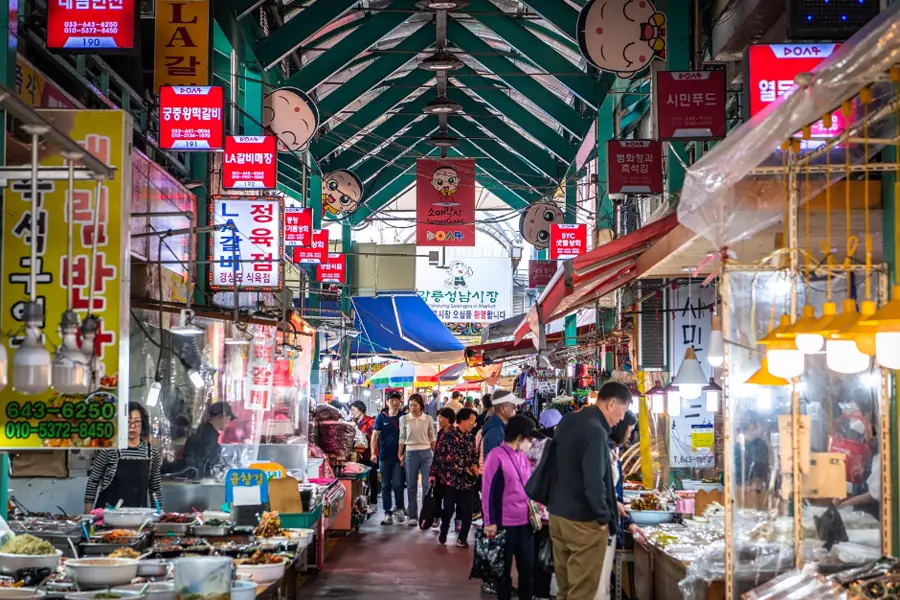
- Market shopping or a full coffee order becomes a transport problem when it is carried through another transfer.
Confirm four points before leaving
- Your actual starting station or hotel.
- The one coastline direction for today.
- The latest time you will begin the return and the fallback ride.
- Where shopping, coffee, and bags will be dealt with before the last connection.
Official planning and route references: Gangneung City transport information, Gangneung Pass mobility information, and KORAIL.
Season changes the size of a car-free day
| Season | Use it for | Do not assume | Substitute |
|---|---|---|---|
| Spring | One Gyeongpo or Anmok cluster with time for an indoor café or market | A long coastal walk will stay comfortable through wind and rain | Shorten the coast and finish food in central Gangneung |
| Summer | Coast first in the morning, then an indoor stop during the hotter hours | Being able to visit the beach means swimming is permitted | Use the current swimming-season notice, flags, and safety directions |
| Autumn | Longer outdoor time with a real buffer for weekend crowds | A sunset detour is worth compressing the last connection | Leave the coast earlier and finish dinner centrally |
| Winter | Short sea views, cafés, and station-area stops; make sunrise a separate early plan | Jeongdongjin sunrise will work without checking the first transport | Use a daytime station or central route instead |
Bus routes, intervals, diversions, and beach safety arrangements can change. The city transport page and KORAIL links are planning entry points, not a promise that one service will operate unchanged on your date.
Three questions travellers ask
- Can I visit Gyeongpo and Anmok in one car-free day?
- You can keep both as options, but do not make both mandatory. Finish one cluster first. Add the second only if the return, meal, and energy margin still exist.
- Does taking a short taxi mean the plan failed?
- No. It trades a known cost for coast time and a more reliable return. Set the acceptable fare in advance and keep it for rain, evening, or a missed connection.
- Do I need to sleep in Jeongdongjin for sunrise?
- Not always. A nearby base helps when sunrise is the main purpose and the early transport is awkward. If you only want an East Sea view, a central or Gyeongpo base is usually a simpler daytime line.
KriNavi decision card
Best use of this page: Gangneung without a car: keep one coastline direction per day
Core judgement: Plan Gangneung without a car by matching beaches, markets and rail connections to a realistic daily route.
Sources checked in this page: Source 1 · Source 2 · Source 3
This card only reorganizes sources already listed by the page. Recheck live hours, prices, service, and restrictions for the travel date.