

Short answer: Gyeongpo Lake is most useful as a land-and-water route decision: choose a full loop, a wetland-and-sculpture section or a culture-focused base rather than treating it as an extra photo stop. Current hours, prices, transport, facilities, events, weather, closures, safety notices and lodging availability are to be checked close to travel.
- A lake-first alternative to the already-used Gyeongpo Beach topic, built around the lagoon, migratory-bird habitat, wetland paths, Gyeongpodae and the practical choice between walking, cycling and a short scenic stop.
- A Gangneung visitor wants the Gyeongpo area without repeating a beach day and must choose how much shoreline, wetland and heritage walking the group can comfortably do.
- Current hours, prices, transport, facilities, events, weather, closures, safety notices and lodging availability are to be checked close to travel.
- Choose one primary experience and one reversible fallback before you leave.
Make the lake the destination, not a side glance
Gyeongpo Lake is a lagoon connected to the coast, not simply a decorative pond beside a beach. Gangneung's official English tourism page highlights a walking circuit, spring blossoms, migratory birds and sculpture, while Korea Tourism Organization information describes a naturally formed lake with protected ecological value. That gives the day a different decision from a beach visit. Start by asking whether your group wants a complete waterside rhythm, a shorter habitat walk or a culture-and-landscape sequence. Current hours, prices, transport, facilities, events, weather, closures, safety notices and lodging availability are to be checked close to travel.
The lake's scale rewards a deliberate pace. A full circuit can feel meditative for walkers and repetitive for people who need frequent changes of scene. A short section can be perfect for a family or a transfer day, but only if the chosen access point has the view and facilities you expect. A culture-first route can connect Gyeongpodae or nearby historic places with the water, yet it may leave less time for birds and wetland detail. Choose the dominant experience before opening the map.
Decide between walking and cycling
Walking gives the lake a readable sequence: water surface, reeds or wetland edges, trees, sculptures, distant hills and changing light. Cycling can make a longer shoreline feel achievable, but it turns the route into a distance-and-return problem. A bicycle is useful only when the group is comfortable sharing paths, handling wind and returning the rental within the agreed time. The city newsletter describes a circuit of a little over four kilometres and roughly an hour for a walk, but current route conditions are to be checked.
The trade-off is attention versus coverage. On foot, you can stop for birds, flowers or a small visual change without reorganising the group. On a bicycle, you cover more ground and can reach a second chapter, but stops, rentals, helmets, weather and parking become part of the decision. Do not rent simply because the loop sounds long. For older travellers or children, a short walk with a seated pause may offer more enjoyment than a rushed circuit on wheels.
Wetland value needs patience
Gyeongpo's wetland areas are not a guaranteed wildlife show. Migratory birds use the wider habitat, yet sightings depend on season, water conditions, human activity and the observer's patience. The reward is often a quieter understanding of how a lagoon holds open water, reeds, paths and built recreation together. Carry binoculars only if someone will use them; a phone camera can be more useful for recording colour, reflections and route notes than for chasing a distant bird.
A bird-led visit should have a second reason. If the wind is strong, the birds stay hidden or the group grows restless, switch to the sculpture, tree-lined or heritage section rather than calling the day a failure. Keep voices low near sensitive habitat and follow current access signs. Fishing rules, protected areas, seasonal closures and observation guidance can change. Official nature information is a planning signal; it is not a promise of a particular species or photograph.
Use the culture layer as a change of texture
The lake route becomes more varied when paired with a cultural stop that changes the body's pace. Gyeongpodae offers a historic and elevated way to look at the landscape, while nearby heritage and garden areas provide architecture, shade and a reason to leave the water for a while. This is not a call to collect every nearby site. Pick one cultural anchor, then let the lake provide the connective tissue between quieter moments.
The sequence matters. Starting with a long lake loop and adding a hill or heritage complex afterwards can overfill the afternoon. Starting with a culture site and walking a shorter lake section may suit a warm day or a family. If the group wants photographs, choose the light direction before deciding the order. Current entry arrangements, parking, road access, events and any site closure are to be checked so that the optional culture chapter remains reversible.
Blossom, shade and wind shape the season
Gangneung's official tourism copy draws attention to spring blossoms, but the lake is not only a spring destination. Summer offers long light and lush margins, although heat and humidity can turn a full loop into a test. Autumn gives clearer air and changing tree colour; winter exposes the lake's geometry and can be beautifully quiet. The same route needs a different stopping plan in each season. Put shade, warm layers, water and wind protection on the route list, not as afterthoughts.
A seasonal visit should set a maximum exposure time. On a hot day, choose a shorter water section and a café or indoor cultural stop. On a cold day, use daylight and a shorter loop with warm-up breaks. In blossom season, expect more people and slower paths; in bird seasons, expect a quieter, less predictable observation rhythm. Flowering dates, water levels, migratory activity, path works and event calendars are to be checked close to travel.
Access points change the shape of the day
The lake has several possible access patterns: a parking-based loop, a bus-and-walk arrival, a cycle rental start or a combined visit with Gyeongpodae and nearby coastal roads. Gangneung's official transport and parking information can help with broad orientation, but a map line is not a current guarantee of a free space, direct stop or open rental desk. Choose the access point by the next chapter, not only by the nearest water edge.
For public transport, save the stop name, walking direction and a wet-weather fallback. For a car, confirm where the group can leave the vehicle without blocking local access and how far the first path section is. For cycling, confirm rental hours, deposit, equipment, return point and route rules. A family may value a short, obvious loop; a photographer may accept more walking for dawn light. Parking, bus schedules, rentals, path restrictions and road works are to be checked.
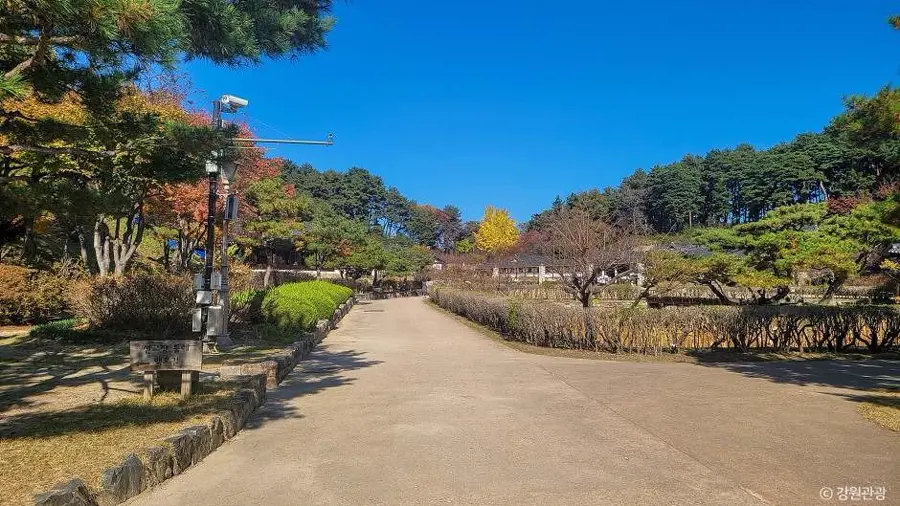
Keep a lake day calm for mixed-pace groups
A lake route is easier to share than a steep mountain route, but its apparent flatness can hide distance and sun exposure. Set a meeting point, a turn-back point and one optional extension. Let the fast walker photograph ahead only when everyone knows where to regroup. A child may prefer sculptures, birds or reflections to a complete circuit, while an older traveller may need a bench and shade before the next section.
The limitation is the lack of a dramatic endpoint every few minutes. People who need constant novelty may feel that the lake repeats itself. Make the repetition purposeful by choosing a theme—light, trees, water edges, architecture or birds—and by stopping at one cultural anchor. Toilets, seating, shade, path surface and accessibility vary by section. Current facilities and any temporary works are to be checked rather than assumed from an old route description.
Choose a base that protects the return
A Gyeongpo-area base reduces the first transfer and can make dawn, blossom or evening light practical. A central Gangneung base gives more food and transport choice and can suit travellers combining the lake with markets or stations. Neither is automatically better. The right choice depends on whether the lake is a main day, a short morning or a quiet last walk before departure. Compare the actual door-to-path route, not just the name of the neighbourhood.
Room choice matters when the group carries wet coats, bikes or camera gear. A central hotel may have easier meals but add a bus or taxi after a long loop. A lake-side guesthouse may feel atmospheric but have fewer late options and more seasonal pricing. Check cancellation, luggage storage, parking, breakfast timing and late arrival rules. Rates, current shuttle services, construction and path lighting are to be checked before booking.
Executable route decision table
| Route | Best for | Sequence | Trade-off |
|---|---|---|---|
| Full lagoon loop | For walkers who enjoy repeated water views and a steady pace | Start with daylight; walk or cycle the verified circuit; add one planned pause; return before fatigue | Most complete lake experience, but distance can feel repetitive. |
| Wetland-and-sculpture section | For bird interest, families or a shorter visit | Choose a habitat edge; walk slowly; use the sculpture or tree section as a second focus | More concentrated, but sightings and access are less predictable. |
| Gyeongpodae culture pairing | For visitors who want landscape plus history | Visit one culture anchor; walk a shorter lake section; finish near a meal or transit point | Good texture change, but a full loop may no longer fit. |
| Wind-safe short circuit | For poor weather or limited mobility | Use the most sheltered verified section; keep a warm indoor or café alternative | Protects comfort, but loses the lagoon’s larger sense of scale. |
Spring, summer, autumn and winter decisions
| Season | How to use the route | Seasonal trade-off |
|---|---|---|
| Spring | Plan around blossom timing, a moderate loop and a culture pause when paths are busy. | Flowers and fresh growth add colour, but rain, pollen and crowds alter walking speed. |
| Summer | Walk early or late, carry water and choose shade or a short section before heat builds. | Long light helps, but humidity, insects, storms and rental demand reduce flexibility. |
| Autumn | Use clear air for a longer loop, bird habitat observation or a slow tree-lined return. | Comfort is often strong, yet foliage weekends and changing wind can increase congestion. |
| Winter | Use daylight, warm layers and a shorter loop with an indoor recovery stop. | Quiet geometry and open views are attractive, but cold wind, ice and limited services matter. |
Seasonal descriptions are planning signals rather than guarantees. Water, wind, light, events, access, crowds and facilities are to be checked close to travel. Gangneung Gyeongpo Lake Route Decision: Lagoon Loop, Wetland Walk or a Gentle Gyeongpo Culture Day? is updated 2026-09-13.
Positive evidence signals
- A lagoon route offers a distinct land-and-water experience beyond a standard beach stop.
- Walking, cycling and short-section choices let different fitness levels share the area.
- Wetland, bird habitat, trees and sculptures provide several observation themes.
- Gyeongpodae and nearby culture can add history without turning the day into a museum circuit.
- Official city and KTO descriptions provide concrete clues for loop length and ecological character.
Limitations and negative evidence signals
- A full loop can feel repetitive to travellers who want constant landmark changes.
- Wildlife sightings depend on season, conditions and patience rather than a timetable.
- Summer exposure and winter wind can make a flat route physically demanding.
- Rental, parking, path and event details can change and require current checking.
- A culture pairing may reduce time for the lake itself, so the order must be chosen deliberately.
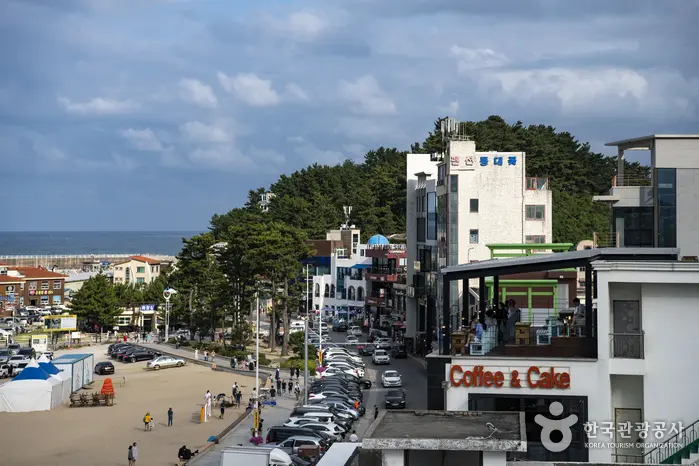
Choose a route shape
| Route shape | How it works | Best match |
|---|---|---|
| The complete water rhythm | Walk or cycle the verified loop with a theme such as reflections, birds or trees. | Best for travellers who like a calm, continuous route. |
| The habitat sampler | Use one wetland edge, one sculpture or tree section and a short return. | Best for families, bird-curious visitors and tight schedules. |
| The culture-and-lagoon day | Anchor the route at one heritage site and use the lake as the slower transition. | Best for groups who want variety without a beach-centred day. |
Accommodation and return decision
| Stay shape | Why it helps | Cost or friction |
|---|---|---|
| Gyeongpo-area stay | Reduces the first transfer and supports dawn, blossom or evening light. | Seasonal rates and fewer late services may apply. |
| Central Gangneung stay | Offers more meals, transport and a useful connection to markets or the station. | Adds a return transfer after a long loop. |
| Quiet guesthouse base | Creates a calmer recovery atmosphere and may suit slow travel. | Verify parking, late arrival, heating and current path access. |
- Source 1: official destination, city, tourism, heritage or operator information. Claims and live details should be checked against the linked page close to travel.
- Source 2: official destination, city, tourism, heritage or operator information. Claims and live details should be checked against the linked page close to travel.
- Source 3: official destination, city, tourism, heritage or operator information. Claims and live details should be checked against the linked page close to travel.
- Source 4: official destination, city, tourism, heritage or operator information. Claims and live details should be checked against the linked page close to travel.
- Source 5: official destination, city, tourism, heritage or operator information. Claims and live details should be checked against the linked page close to travel.
Frequently asked questions
Is Gyeongpo Lake the same as Gyeongpo Beach?
No. This guide focuses on the lagoon, wetland, walking or cycling circuit and nearby culture; the beach is a separate experience. Current hours, prices, transport, facilities, events, weather, closures, safety notices and lodging availability are to be checked close to travel.
How long is the lake loop?
Gangneung guidance describes a little over four kilometres and about an hour for one walking version, but route conditions and your pauses are to be checked. Current hours, prices, transport, facilities, events, weather, closures, safety notices and lodging availability are to be checked close to travel.
Can I see migratory birds?
The lake is described as habitat for migratory birds, but sightings are seasonal and variable rather than guaranteed. Current hours, prices, transport, facilities, events, weather, closures, safety notices and lodging availability are to be checked close to travel.
Should I rent a bicycle?
Only if the group is comfortable with shared paths, wind, the return time and current rental conditions. A walk can be more observant. Current hours, prices, transport, facilities, events, weather, closures, safety notices and lodging availability are to be checked close to travel.
Is it good in winter?
Yes for quiet open views, if the group accepts cold exposure and a shorter daylight route with a warm fallback. Current hours, prices, transport, facilities, events, weather, closures, safety notices and lodging availability are to be checked close to travel.
Where should I stay?
Choose between Gyeongpo proximity and central Gangneung services by comparing the actual first and last transfer. Current hours, prices, transport, facilities, events, weather, closures, safety notices and lodging availability are to be checked close to travel.
KriNavi decision card
Best use of this page: Gangneung Gyeongpo Lake Route Decision: Lagoon Loop, Wetland Walk or a Gentle Gyeongpo Culture Day?
Core judgement: Plan Gangneung Gyeongpo Lake around a lagoon loop, wetland habitat, blossoms, cycling or a slower culture-and-lake day.
This card only reorganizes sources already listed by the page. Recheck live hours, prices, service, and restrictions for the travel date.