
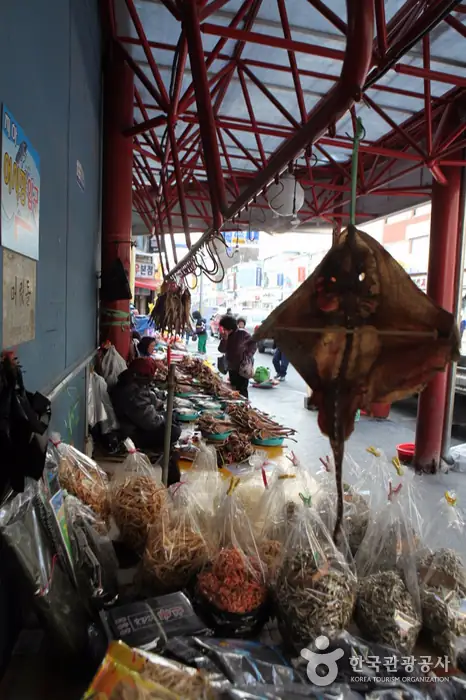
Short answer: Gangneung Gyeongpo Wetland is a place for noticing small changes: reed edges, open water, birds, light and the way a lake landscape meets a busy coast. It should not be planned like a checklist of viewpoints. Choose whether the day is about habitat observation, an easy lake walk, or a Gyeongpo route that uses the wetland as a quieter middle chapter. Each choice has a different pace and tolerance for wind, crowds and uncertainty. Current hours, prices, reservations, transport, facilities, weather, events, closures and safety notices are to be checked close to travel.
- A habitat-first route that protects wetland quiet while making lake, beach, cultural and café extensions explicit, with seasonal light, wind, bird behaviour and access treated as live decisions.
- Choose one primary experience and one reversible fallback.
- Current hours, prices, reservations, transport, facilities, weather, events, closures and safety notices are to be checked close to travel.
- Choose lodging around the actual return and the group’s least flexible need.
Decide whether birds or a lake walk lead
The wetland and Gyeongpo Lake are connected in the wider landscape but give different experiences. A bird-focused visit needs patience, quiet movement and realistic expectations; a lake loop gives a more predictable walking structure. Decide whether the group wants to wait and observe or keep moving through a scenic route before arriving.
Bird presence, water level, light and sound can change the scene. No responsible plan should promise a particular species or a close sighting. The lake path may be the better choice for travellers who need a defined distance, while the habitat is more rewarding for those willing to slow down and accept an incomplete view.
Protect the wetland’s quiet value
The wetland is not simply an open lawn beside a road. Stay on marked paths, keep voices and music low, avoid feeding wildlife, and use observation points without blocking other visitors. A slow route can be a meaningful contrast to Gangneung’s café and beach energy. Check current visitor-centre information and any programme reservation requirement before expecting a guided experience.
The trade-off for a quieter habitat visit is less certainty about entertainment. There may be no dramatic landmark at every turn, and birds may remain distant. That is a feature of the place rather than a defect. Bring patience, binoculars if appropriate, and a second plan that does not require entering closed or sensitive edges.
Use Gyeongpo Lake as the flexible spine
Gangneung’s official tourism information describes Gyeongpo Lake as a representative lagoon landscape with a long promenade. A lake section can provide a clear start and finish when the wetland visit is short. Choose a manageable portion rather than assuming the entire loop belongs in the same morning, especially with heat, wind or a mixed-ability group.
A lake walk adds time but also gives the group a way to process the wetland. The trade-off is exposure: open water can feel windy or bright, and the route may offer fewer shaded pauses than a wooded attraction. Check surfaces, rest points, bike movement, toilets and the actual return before selecting a long loop.
Pair nature with culture on purpose
Gyeongpo’s cultural landscape can include Gyeongpodae, Ojukheon or an art and museum stop, depending on the day’s interest. Use one cultural addition to explain the area’s history or artistic life rather than stacking every nearby facility. The wetland is strongest when the pair creates contrast: quiet ecology followed by a place with a clear human story.
Opening times, reservations and transport between stops are independent variables. A cultural site can be a good rainy-weather option, but do not treat it as automatically open because the lake is accessible. Check the exact date and route, then leave time for a meal and a slower observation window rather than making the wetland a rushed transfer.
Let wind and light choose the order
Morning may favour softer light and cooler walking, while late afternoon can make the lake and reeds visually strong. Neither is universally best. Wind can make open water uncomfortable; glare can make bird observation difficult; rain can change a boardwalk surface. Check the forecast and put the more sensitive experience inside the most credible weather window.
If the beach is the fixed event, use the wetland before or after it according to wind and energy. If habitat observation is the priority, keep the lake and beach optional. The key trade-off is photographic light versus physical comfort. A beautiful hour is not useful if the group cannot see safely, hear instructions or return without rushing.
Plan access without assuming one gate
Wetland entrances, parking, visitor information, bicycle access and nearby bus stops can be different from the lake’s most familiar address. Save the exact meeting point and verify the current access notice. If a programme requires reservation, treat the time as fixed only after confirmation. A broad destination name is not enough for a taxi, a family rendezvous or a rainy-day exit.
Cycling can cover the wider Gyeongpo landscape quickly, but it also requires a safe place to stop and park without entering sensitive areas. Walking is simpler but exposes the group to distance and weather. Choose the mode that respects the wetland and leaves a clear return if the planned programme is unavailable.
Make seasons a habitat question
Spring can bring fresh vegetation and migratory interest; summer gives long light and green margins; autumn changes the colour and air; winter can make open water and birds easier to notice in a quieter landscape. These are planning cues, not guarantees. Check the current habitat condition, weather, path maintenance and visitor rules for the actual week.
Seasonal events and flowers can increase visitors. A rare sighting should never be pursued by crossing a barrier or approaching wildlife. Use a route with room to stop without blocking others. The trade-off is slower progress, but the wetland remains a place to observe rather than consume.
Choose a Gyeongpo base around the return
A Gyeongpo base suits a sunrise, sunset or two-part lake and beach day. Central Gangneung can offer more dining and transport flexibility when the wetland is a single chapter. Compare the actual last walk, breakfast timing, parking, bike storage and weather fallback instead of selecting a room only for a lake view.
A nearby stay saves transfers but can make a rainy day feel isolated if indoor choices are limited. A city base creates options but adds travel time. The decision should hold if the wetland programme is cancelled, birds are distant or the beach wind becomes uncomfortable.
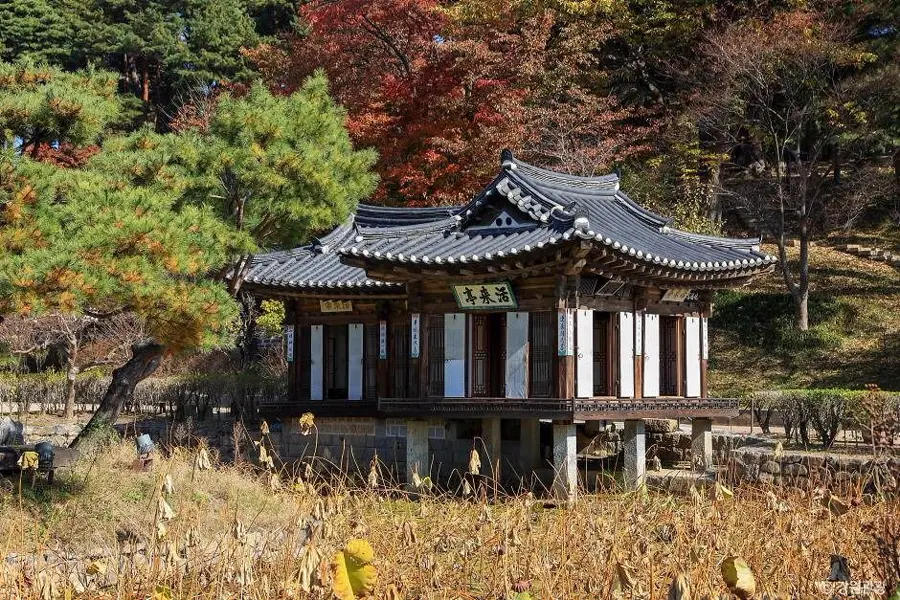
Leave the habitat better than you found it
Keep dogs, children and cameras within the rules, avoid litter and do not remove plants or disturb water edges. Use established rest points and follow temporary closures. A wetland route has value precisely because it is not arranged entirely around visitor convenience.
If the group wants a louder or more social afternoon, the beach, café streets or cultural venues can provide that without turning the habitat into a stage. Finishing at the right time is a positive decision. It protects the place and lets the group remember its textures rather than only a rushed photograph.
Route and decision table
| Route | Choose it when | Suggested sequence | Trade-off |
|---|---|---|---|
| Habitat observation | Quiet bird and plant watching is the main purpose. | Check visitor guidance and programme status; walk a short marked section; pause without blocking; leave a time buffer. | Most faithful to the wetland, but sightings and light are not guaranteed. |
| Lake loop section | The group wants predictable walking with water views. | Start at a confirmed access point; choose a measured lake segment; add the wetland only if energy and time remain. | Easy to understand, but open water brings wind, glare and longer exposure. |
| Wetland plus culture | Nature and one historical or artistic stop should balance the day. | Use the wetland in the best weather window; verify Ojukheon, Gyeongpodae or museum details; keep one clear transfer. | Adds meaning and a rain option, but independent hours and transport can break the sequence. |
| Wetland and beach | The group wants both quiet habitat and an east-coast atmosphere. | Check wind and energy; choose one short beach window; protect the wetland’s quiet rules and the return. | Broadens the day, but weather and crowd shifts make a rigid schedule risky. |
Habitat observation evidence note: The positive signal is Quiet bird and plant watching is the main purpose. The practical sequence is Check visitor guidance and programme status; walk a short marked section; pause without blocking; leave a time buffer. The limitation is Most faithful to the wetland, but sightings and light are not guaranteed. Current hours, prices, reservations, transport, facilities, weather, events, closures and safety notices are to be checked close to travel.
Lake loop section evidence note: The positive signal is The group wants predictable walking with water views. The practical sequence is Start at a confirmed access point; choose a measured lake segment; add the wetland only if energy and time remain. The limitation is Easy to understand, but open water brings wind, glare and longer exposure. Current hours, prices, reservations, transport, facilities, weather, events, closures and safety notices are to be checked close to travel.
Wetland plus culture evidence note: The positive signal is Nature and one historical or artistic stop should balance the day. The practical sequence is Use the wetland in the best weather window; verify Ojukheon, Gyeongpodae or museum details; keep one clear transfer. The limitation is Adds meaning and a rain option, but independent hours and transport can break the sequence. Current hours, prices, reservations, transport, facilities, weather, events, closures and safety notices are to be checked close to travel.
Wetland and beach evidence note: The positive signal is The group wants both quiet habitat and an east-coast atmosphere. The practical sequence is Check wind and energy; choose one short beach window; protect the wetland’s quiet rules and the return. The limitation is Broadens the day, but weather and crowd shifts make a rigid schedule risky. Current hours, prices, reservations, transport, facilities, weather, events, closures and safety notices are to be checked close to travel.
Four seasons at a glance
Seasonal trade-offs
| Season | What becomes attractive | What becomes harder | Check before committing |
|---|---|---|---|
| Spring | Fresh margins and migratory interest can make patient observation rewarding. | Rain, wind and changing habitat conditions can shorten the comfortable walking window. | Check birding conditions, path maintenance, programme notices, wind and the lake return. |
| Summer | Long daylight, green vegetation and a beach pairing support a full Gyeongpo day. | Heat, glare, insects, storms and crowds raise fatigue near open water. | Check heat, shade, water, storm warnings, crowding and last transport. |
| Autumn | Clearer air and changing reeds or foliage can suit a lake-and-wetland sequence. | Shorter light and event traffic can make a late loop harder. | Check sunset, event notices, path surfaces, wind, facilities and food. |
| Winter | Quieter paths and open-water views can favour a focused observation walk. | Cold wind, ice, early darkness and reduced programmes limit flexibility. | Check warnings, clothing, closure notices, daylight, indoor fallback and safe return. |
Spring evidence note: The opportunity is Fresh margins and migratory interest can make patient observation rewarding. The constraint is Rain, wind and changing habitat conditions can shorten the comfortable walking window. Before leaving, Check birding conditions, path maintenance, programme notices, wind and the lake return. Current hours, prices, reservations, transport, facilities, weather, events, closures and safety notices are to be checked close to travel.
Summer evidence note: The opportunity is Long daylight, green vegetation and a beach pairing support a full Gyeongpo day. The constraint is Heat, glare, insects, storms and crowds raise fatigue near open water. Before leaving, Check heat, shade, water, storm warnings, crowding and last transport. Current hours, prices, reservations, transport, facilities, weather, events, closures and safety notices are to be checked close to travel.
Autumn evidence note: The opportunity is Clearer air and changing reeds or foliage can suit a lake-and-wetland sequence. The constraint is Shorter light and event traffic can make a late loop harder. Before leaving, Check sunset, event notices, path surfaces, wind, facilities and food. Current hours, prices, reservations, transport, facilities, weather, events, closures and safety notices are to be checked close to travel.
Winter evidence note: The opportunity is Quieter paths and open-water views can favour a focused observation walk. The constraint is Cold wind, ice, early darkness and reduced programmes limit flexibility. Before leaving, Check warnings, clothing, closure notices, daylight, indoor fallback and safe return. Current hours, prices, reservations, transport, facilities, weather, events, closures and safety notices are to be checked close to travel.
Five positive evidence signals
- The group chooses habitat observation, a lake walk or a cultural pairing before arrival.
- Quiet-path behaviour, marked access and programme reservations are treated as part of the route.
- A measured lake segment and a weather fallback prevent overcommitting to the full landscape.
- Bird sightings and seasonal conditions are treated as possibilities, not promises.
- The lodging base still works if the wetland programme or beach extension changes.
Five negative evidence signals and limitations
- A wetland is treated as a guaranteed wildlife show or a place to approach birds closely.
- The entire lake loop, beach, cultural sites and cafés are stacked without daylight or energy checks.
- Open-water glare, wind, heat or cold is ignored because the path is mostly flat.
- Visitors cross barriers, feed wildlife or use sound and photography that disturb habitat.
- A broad Gyeongpo address is used without verifying the exact gate, parking or return.
Three practical route shapes
Quiet habitat morning: Use a confirmed wetland access point, allow a patient observation window and finish with one nearby meal.
Lake spine: Walk a measured Gyeongpo Lake section, use the wetland as a short nature chapter and return before exposure grows.
Culture and coast balance: Choose one heritage or art stop and one short beach window around the wetland’s best weather period.
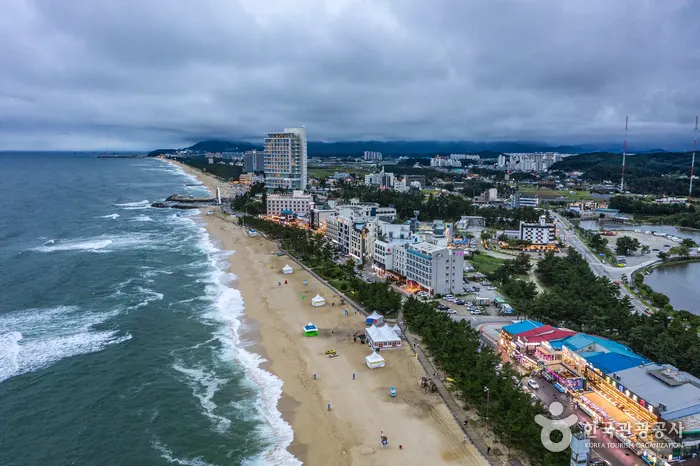
Accommodation and transport decision
| Stay shape | Choose it when | Trade-off |
|---|---|---|
| Gyeongpo base | Sunrise, sunset or two short visits around the lake and wetland matter. | Cuts transfers, but check current dining, parking, bike storage and rainy-day options. |
| Central Gangneung base | The wetland is one chapter in a wider city and rail itinerary. | More food and transport flexibility, but the return takes more planning. |
| Beach-side base | The group wants a coast-led stay with a quiet habitat break. | Good atmosphere, but wind, event crowds and wetland access must be checked independently. |
Field decisions before leaving
- Gangneung official Gyeongpo tourism newsletter — current details are to be checked.
- Gangneung official Gyeongpo Lake tourism page — current details are to be checked.
- Gangneung official Gyeongpodae and Gyeongpo Lake information — current details are to be checked.
- Korea Tourism Organization Baugil coastal route information — current details are to be checked.
- Korea Tourism Organization Gangneung recommended route — current details are to be checked.
FAQ
Is Gyeongpo Wetland the same as Gyeongpo Lake?
They are related parts of the wider Gyeongpo landscape, but habitat observation and a lake promenade are different route experiences.
Will I definitely see birds?
No. Wildlife presence, distance, season and weather vary; plan for observation value even without a close sighting.
Can I combine the wetland with the beach?
Yes, if wind, heat, transport and the quiet requirements of the wetland are checked and one stop remains short.
What cultural stop fits best?
Choose one confirmed option such as Gyeongpodae, Ojukheon or an art venue based on interest and current hours.
Where should I stay?
Gyeongpo suits a slow lake-and-coast day; central Gangneung suits dining and onward transport flexibility.
What if a programme or path is unavailable?
Use a marked lake section, a confirmed cultural venue or a shorter coast route without entering restricted habitat.
Separate Gyeongpo Lake, wetland and coast
Gyeongpo looks compact, but the lake, wetland paths and beach carry different wind, crowds and light. Put birding or slow walking in the morning, then choose the lake edge or beach according to the wind. There is no need to complete wetland, lake, museum and coast in one circuit. Keep one nature anchor and leave a café and a seat.
Spring and autumn bring birds and lower light. Summer needs a cooler start. Winter has sharper sea wind but sometimes clearer distance. Wet boardwalks make a short loop the better choice. A companion who does not want to wait for a bird can meet at a lakeside meal instead of turning the observation into a group delay.
Choose the Gangneung base by tomorrow
A Gyeongpo or central Gangneung room makes early wetland access and dinner simple. A Gangneung Station room protects tomorrow’s transfer and northern line. Pair the wetland with one coast, cycling or museum line; do not cross to Jumunjin on the same afternoon.
The loop is nature, a seat, food and a room. Keep an early-exit version so weather changes leave the other Gangneung districts for tomorrow.
KriNavi decision card
Best use of this page: Gangneung Gyeongpo Wetland Route Decision: Bird Habitat, Lake Loop or a Flexible East-Coast Day?
Core judgement: Choose Gangneung Gyeongpo Wetland by bird habitat, Gyeongpo Lake walking, seasonal plants, beach pairing, access and weather.
Sources checked in this page: Source 1 · Source 2 · Source 3 · Source 4
This card only reorganizes sources already listed by the page. Recheck live hours, prices, service, and restrictions for the travel date.