
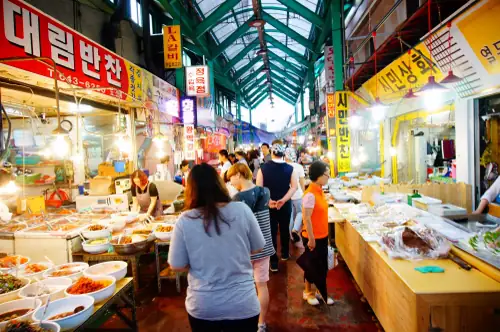
Short answer: Haslla Art World works best when the group decides whether the hill, the art, the outdoor landscape or the sea view is the day anchor. It is not simply another Gangneung photo stop: the value depends on weather, walking energy, transport margin and how long the group can look at art without rushing. Current hours, access, prices, reservations, transport, facilities, programmes, weather, closures and safety conditions are to be checked close to travel.
- the group names its purpose before selecting the route
- current access, transport, facilities and restrictions are checked
- weather, mobility, attention and the least confident traveller shape the plan
- lodging and the next chapter are chosen by the complete route
What is the real choice?
Haslla Art World is a decision about attention. A traveller who wants one memorable art landscape may prefer to spend the day moving slowly between galleries, sculpture paths and viewpoints. A traveller who wants a packed Gangneung coast loop may experience the same place as too large a commitment. The setting is part of the work: the hill, outdoor pieces, sea-facing outlooks and changing light reward time, but they also make weather, footwear, wind and mobility material constraints. Start by naming the group's reason for coming. Is the goal to look carefully, to give a rainy day a meaningful structure, to find a sea-facing cultural stop, or to add a short art chapter to a larger coast route? Each answer leads to a different sequence. Do not promise a current programme, café, view, opening time or path condition until the official pages have been checked. A good route leaves room to stop, sit and change the order rather than treating the hill as a corridor between photo points.
Route and decision table
| Route | Choose it when | Suggested sequence | Trade-off |
|---|---|---|---|
| Art hill anchor | The group wants a slow art visit and can give the landscape several hours. | Confirm opening details, weather, shoes, transport and a generous arrival window before entering. | More attention and less rushing, but fewer unrelated Gangneung stops fit the day. |
| Indoor-first weather buffer | Rain, strong wind or uncertain visibility makes outdoor time less reliable. | Start with confirmed indoor spaces, then decide whether the grounds and outlooks are comfortable. | The visit remains useful, but the outdoor landscape may not deliver the expected view. |
| Coast pairing | The group wants art plus one clearly chosen sea chapter rather than a full attraction circuit. | Protect the art stop, choose one nearby coast segment and check the return route before leaving. | A richer day is possible, but traffic, fatigue and weather can turn two anchors into a rush. |
| Gangneung base day | The art site is one chapter in a multi-day east-coast stay. | Choose lodging by the next morning's route and use Haslla as the day's fixed decision. | Less packing and transfer friction, but the best room location and current availability need checking. |
The hill is part of the artwork
Haslla Art World should not be judged like a small room that can be cleared in twenty minutes. The approach, slope, outdoor works and sightlines shape the visit. That does not mean every visitor must complete every path. It means the route should acknowledge that the physical setting carries value and effort at the same time. A person with limited stamina may choose one confirmed indoor chapter and a nearby place to rest. An enthusiastic art group may want the full landscape, but it should still set a turnaround point. The decision is not whether the group can collect every object; it is whether the chosen amount of movement creates the kind of attention the group came for. Keep the map, surfaces, stairs, shade and toilets to be checked rather than turning a general description into an accessibility promise.
Make the indoor and outdoor choice explicit
The indoor galleries can provide structure when the sky is grey or the wind makes the grounds less inviting. The outdoor landscape can be the reason to come when the group values scale, vegetation, horizon and changing light. These are different experiences, not two boxes to tick. Ask the least weather-tolerant traveller whether an outside route is genuinely welcome. If the answer is no, build a complete indoor-first visit and make the grounds optional. If everyone wants the landscape, schedule the open-air section while energy and visibility are best, then leave the interior as a calmer second chapter. The official venue description is a starting point; current gallery access, exhibitions, photography rules and programme notices remain to be checked.
Sea views are a benefit, not a guarantee
The east coast can be the visual reason to visit, but a sea-facing setting does not guarantee clear visibility. Mist, rain, glare, cloud, wind and seasonal darkness change what a viewpoint contributes. Use the view as an upside in the decision, not as the sole promise. A group that would still value the art and landscape in poor visibility has a robust plan. A group travelling only for a specific panorama needs a weather gate and a fallback that does not pretend the view happened. Check current conditions before departure and again when deciding whether to add another coastal stop. The practical question is whether the site still satisfies the group when the horizon is quiet.
Slow looking needs a time budget
Art travel often fails because the itinerary counts venues but not attention. Haslla can absorb time through repeated pauses, conversations and changes in pace. Decide whether the group wants a short introduction or an unhurried half day. Give children a way to move without turning every object into a lesson, and give adults permission to sit without treating the pause as lost time. A timed coastal transfer after the visit should include a buffer for the final gallery, toilets, payment and the walk back to transport. If the group has a reservation elsewhere, the art visit may need to be the only fixed cultural stop. Protecting attention can be more valuable than adding a second distant landmark.
Transport is a route decision
The site's hill setting makes the last part of the journey more important than a city-centre label. Check the current bus, taxi, parking, walking and transfer details from the actual starting point. Do not assume a map pin describes a flat or short approach. A taxi may purchase time and energy while adding cost and availability uncertainty. Public transport may be suitable for one group and awkward for another depending on the final walk and weather. Keep a meeting point and a late-arrival plan. If the group is using a driver, check parking and the return direction before entering. The best transport is the one that preserves the visit's purpose and leaves enough margin for the next confirmed chapter.
Pair with Gangneung deliberately
A natural-looking combination with coffee, a beach, a market or another museum can become a long chain of small transfers. Select one companion chapter by contrast. An art-focused visit may pair well with an easy meal and a quiet sea walk; a high-energy coast day may need Haslla to be the only major stop. Avoid making the venue a prelude to a list. Check the order against daylight, weather and the group's energy, and be willing to stop at the art site without completing the proposed second half. Gangneung has enough choices that the route should be reduced when the first anchor is working. Optionality is useful only if it does not hide an unrealistic timetable.
Families and mixed groups need a shared contract
A mixed party can enjoy the same art landscape with different thresholds. Agree where a tired traveller can sit, where the group will reunite and which outdoor segment is optional. Children may need a concrete search game or a movement break; older travellers may want fewer slopes and a warm indoor pause. Do not make one person responsible for bags or supervision while everyone else explores. Check stroller, wheelchair, seating, toilet, food and photography arrangements with the venue. These details are live and should not be filled from memory. The route is stronger when a person can opt out of a path without opting out of the day.
Use the official page as a live gate
A venue with exhibitions, performances, cafés, education or seasonal programmes can change its practical offer. Use the official Haslla and local tourism pages to confirm current opening, closure, admission, programme, route and facility information. If a detail is only supported by an old tourism listing, mark it to be checked. Keep the editorial promise at the level that the evidence supports: art, landscape, a sea-facing setting and a reasoned route choice. A specific event, installation, menu, price, timetable or access arrangement belongs in the final pre-trip check. This is not excessive caution; it keeps a draft useful after the calendar changes.
Evidence notes for this decision
Route evidence note — Art hill anchor: choose this when the group wants a slow art visit and can give the landscape several hours. The practical sequence is Confirm opening details, weather, shoes, transport and a generous arrival window before entering. The trade-off is More attention and less rushing, but fewer unrelated Gangneung stops fit the day. Keep live access and operating details to be checked.
Route evidence note — Indoor-first weather buffer: choose this when rain, strong wind or uncertain visibility makes outdoor time less reliable. The practical sequence is Start with confirmed indoor spaces, then decide whether the grounds and outlooks are comfortable. The trade-off is The visit remains useful, but the outdoor landscape may not deliver the expected view. Keep live access and operating details to be checked.
Route evidence note — Coast pairing: choose this when the group wants art plus one clearly chosen sea chapter rather than a full attraction circuit. The practical sequence is Protect the art stop, choose one nearby coast segment and check the return route before leaving. The trade-off is A richer day is possible, but traffic, fatigue and weather can turn two anchors into a rush. Keep live access and operating details to be checked.
Route evidence note — Gangneung base day: choose this when the art site is one chapter in a multi-day east-coast stay. The practical sequence is Choose lodging by the next morning's route and use Haslla as the day's fixed decision. The trade-off is Less packing and transfer friction, but the best room location and current availability need checking. Keep live access and operating details to be checked.
Spring evidence note: The opportunity is Soft light and new growth can support a gallery-to-garden rhythm. The constraint is Rain, wind and weekend demand may reduce outdoor comfort and transfer margin. Before leaving, Check current exhibits, ground conditions, weather, transport and the next coast stop. This is a planning prompt, not a forecast.
Summer evidence note: The opportunity is Longer daylight can make an outdoor art landscape and sea-facing route feel expansive. The constraint is Heat, glare, sudden rain and crowded coastal roads increase energy and timing costs. Before leaving, Check heat protection, shade, water, storm notices, parking and last transport. This is a planning prompt, not a forecast.
Autumn evidence note: The opportunity is Lower heat and changing colour can reward slow landscape observation. The constraint is Shorter light and popular weekends can compress the return and the outdoor section. Before leaving, Check daylight, wind, current programmes, demand and a warm fallback. This is a planning prompt, not a forecast.
Winter evidence note: The opportunity is A focused indoor art visit can give a cold coast day a clear cultural centre. The constraint is Cold wind, wet surfaces, early darkness and temporary closures weaken a broad loop. Before leaving, Check opening, heating, footwear, path conditions, visibility and the return plan. This is a planning prompt, not a forecast.
Positive signal: The group names art, landscape, sea view or weather resilience as the main reason before choosing a route. Evidence should be current, specific and tied to the group's actual route.
Positive signal: Indoor and outdoor chapters are treated as distinct experiences with a real fallback. Evidence should be current, specific and tied to the group's actual route.
Positive signal: Transport, slope, surface, weather and energy are checked for the least confident traveller. Evidence should be current, specific and tied to the group's actual route.
Positive signal: The art visit has enough time for looking rather than being squeezed between distant stops. Evidence should be current, specific and tied to the group's actual route.
Positive signal: The plan still has value when visibility or a current programme changes. Evidence should be current, specific and tied to the group's actual route.
Limitation signal: A sea-facing setting is sold as guaranteed clear visibility in every season. If this appears, shorten the promise or stop and verify.
Limitation signal: A hill route is described as easy without checking surfaces, stairs, rest points and return energy. If this appears, shorten the promise or stop and verify.
Limitation signal: Old opening hours, exhibition names, prices or programmes are treated as current. If this appears, shorten the promise or stop and verify.
Limitation signal: A full coast circuit is added without a realistic transfer, parking or weather buffer. If this appears, shorten the promise or stop and verify.
Limitation signal: The group assumes every visitor must take the same outdoor route. If this appears, shorten the promise or stop and verify.
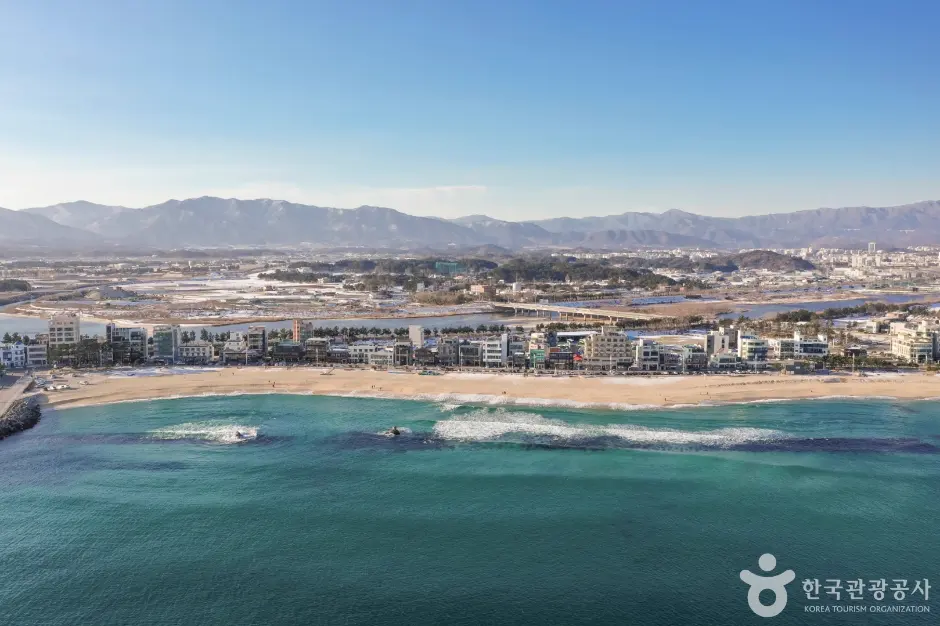
Four seasons at a glance
Seasonal trade-offs
| Season | What becomes attractive | What becomes harder | Check before committing |
|---|---|---|---|
| Spring | Soft light and new growth can support a gallery-to-garden rhythm. | Rain, wind and weekend demand may reduce outdoor comfort and transfer margin. | Check current exhibits, ground conditions, weather, transport and the next coast stop. |
| Summer | Longer daylight can make an outdoor art landscape and sea-facing route feel expansive. | Heat, glare, sudden rain and crowded coastal roads increase energy and timing costs. | Check heat protection, shade, water, storm notices, parking and last transport. |
| Autumn | Lower heat and changing colour can reward slow landscape observation. | Shorter light and popular weekends can compress the return and the outdoor section. | Check daylight, wind, current programmes, demand and a warm fallback. |
| Winter | A focused indoor art visit can give a cold coast day a clear cultural centre. | Cold wind, wet surfaces, early darkness and temporary closures weaken a broad loop. | Check opening, heating, footwear, path conditions, visibility and the return plan. |
Five positive evidence signals
- The group names art, landscape, sea view or weather resilience as the main reason before choosing a route.
- Indoor and outdoor chapters are treated as distinct experiences with a real fallback.
- Transport, slope, surface, weather and energy are checked for the least confident traveller.
- The art visit has enough time for looking rather than being squeezed between distant stops.
- The plan still has value when visibility or a current programme changes.
Five negative evidence signals and limitations
- A sea-facing setting is sold as guaranteed clear visibility in every season.
- A hill route is described as easy without checking surfaces, stairs, rest points and return energy.
- Old opening hours, exhibition names, prices or programmes are treated as current.
- A full coast circuit is added without a realistic transfer, parking or weather buffer.
- The group assumes every visitor must take the same outdoor route.
Three practical route shapes
Art-first half day:protect one indoor and one outdoor chapter, then make food or coast optional.
Weather-gated hill:confirm the indoor visit, decide on the grounds at arrival and keep a nearby warm fallback.
Coast contrast:pair the art landscape with one measured sea chapter only after checking light, travel and energy.
Accommodation and transport decision
| Stay shape | Choose it when | Trade-off |
|---|---|---|
| Gangneung central base | Choose it when the wider stay includes markets, rail or several city chapters. | More dining and transport choices may mean a longer final transfer to the hill; check the actual route. |
| South Gangneung or coast-side base | Choose it when Haslla and a southern coast chapter are the main plan. | A more direct day may trade away city convenience and current room choice. |
| Flexible single-night base | Choose it when weather or the next route is uncertain and a late decision matters. | Availability and cancellation rules are live; do not count an unconfirmed room as secured. |
Field decisions before leaving
- english.visitkorea.or.kr official or authoritative source — current operating details are to be checked.
- gangneung.go.kr official or authoritative source — current operating details are to be checked.
- www.haslla.kr official or authoritative source — current operating details are to be checked.
- www.gn.go.kr official or authoritative source — current operating details are to be checked.
Taxi is the practical link to Haslla
Haslla Art World is served by buses 111, 112 and 113, but the operator notes that times change by season. If the visit has a fixed entry, a sunset or a train to catch, use a taxi rather than building the day around a long wait. From Gangneung Station, the road is about 15.1 km; a normal meter estimate is ₩21,000–26,000, roughly HK
The aerial cycling place you remember is Badahaneul Sky Bike at Namhangjin Beach beside Anmok Coffee Street. It runs over the sea as a round trip and is usually listed around 10:00–17:00, weather permitting. It sits north of Haslla, so do not join both by bus as if they were one cluster. Make it a separate Anmok–Namhangjin day, or use a taxi/private car and accept the extra transfer.
Haslla should not be timed as if public transport ends at the gate. The final walk, a changing bus interval and the extra time needed for cameras or children can turn a simple map into a long transfer. A practical plan starts from a Gangneung or Jeongdongjin base, then leaves room for a taxi on the last leg when the road connection is inconvenient. The fare depends on the start point, traffic and waiting, so treat an on-the-day quote as the useful number rather than a fixed promise.
If you pair Haslla with a Gangneung coast day, visit the art world before deciding whether Jeongdongjin, a beach café or sunset still fits. Slopes, outdoor works and pauses make the visit slower than a gallery-only stop. Choose one main exhibition area and one outdoor landscape chapter; keeping time for lunch and the return is more valuable than counting every work.
Spring suits the garden and changing sea air, while summer calls for an early or late visit around the strongest sun. Autumn gives the outdoor sculptures more texture as the light softens, and winter needs an earlier finish because the wind and sunset arrive sooner. When the coast feels rough, an art visit followed by a city dinner is a complete day; move the beach to the next morning instead of forcing another transfer.
Let the art stop choose the sunrise base
Sun Cruise Resort & Yacht
Choose Sun Cruise when Haslla Art World, Jeongdongjin cliffs and a sunrise are one coastal chapter. It keeps the cliff-side evening close and avoids turning an art visit into a cross-city return before the next morning’s light.
See the Jeongdongjin stayGangneung city stay
Choose a city base when Haslla is one stop in a wider coffee, market or rail route. It gives easier food and onward transport, but the art-and-sunrise morning must start earlier.
See Gangneung city staysStay by Jeongdongjin for art and dawn; stay in town when the coast is one chapter of a longer route.
FAQ
Is Haslla Art World an indoor or outdoor attraction?
It is best treated as both: the indoor art offer and the outdoor hill landscape have different weather, mobility and attention requirements. Check the current venue information.
How long should I allow?
Allow time for the specific chapters your group values and add arrival, rest and return margin. A fixed duration copied from an old listing is not reliable.
Can I combine it with the Gangneung coast?
Yes, if Haslla is protected as the anchor and the companion coast chapter is close enough for a checked transfer. Do not promise a full loop by default.
Is it suitable in rain?
A rain-safe visit may still work if current indoor access is confirmed, but outdoor art, slopes, visibility and surfaces need a separate weather decision.
Where should I stay?
Choose a current room by the next day's route, the actual transfer and the group's tolerance for taxis or parking, not just the Gangneung name.
Can I photograph everything?
Photography rules and temporary restrictions are venue-specific. Check the current official guidance and respect other visitors and artworks.
Accept the transport reality before visiting Haslla
Haslla Art World sits between the southern hills and coast of Gangneung, where public transport may not deliver you to the entrance and back on a neat half-day clock. If the visit is short, a taxi is often easier to control than a chain of uncertain transfers. Save the entrance, the pickup point and a nearby waiting place before leaving; confirm both the outbound destination and the return meeting point instead of relying on a weak signal on the hillside.
Do not turn every gallery and outdoor work into a compulsory checklist. Give the indoor and outdoor sections one complete block, then decide whether the coast still fits. Wind, rain or a companion who dislikes slopes can shorten the sculpture garden. In clear weather, keep the garden and sea-facing views for softer afternoon light. The transport cost should buy time with the art, not a race between signs.
Connect Haslla with the southern coast
Haslla works as one half of a day paired with Jeongdongjin, Anmok or a southern coffee stop. It is less coherent to cross the city between Mirrorpo, Jumunjin and the southern coast on the same afternoon. Protect one anchor—sunrise, art or a coastal walk—and add the second only if the return still feels comfortable. An afternoon arrival can make Haslla the main chapter and leave sunset to a closer shore; a morning arrival can put the coast after the visit.
Choose the room by the following morning. A southern base helps if Jeongdongjin or another coastal stop starts early; a central Gangneung base protects market food, cafés and an easier evening. Haslla is not won by sleeping closest to the gate. It is won by arranging the outbound ride, the visit and the return as one calm block.
Pay for control when the day needs it
A taxi from central Gangneung is not automatically the right answer, but it becomes sensible when the entry time, a train connection or a sunset matters. A roughly fifteen-kilometre ride may sit around KRW 21,000–26,000 in ordinary conditions, approximately HKD 120–150 at a rough planning rate; traffic, waiting and the exact pick-up point change the meter. The saving is not a cheaper attraction. It is the saved uncertainty between a hillside entrance and the return connection. Use local buses when your day has room, and use a taxi when a missed service would damage the rest of the route.
Match the walk to the people travelling
An art-focused traveller can start with the indoor galleries and read the work before taking the garden slowly. A family can turn the puppet displays, a sculpture search and the sea view into three short tasks. A group with different walking speeds should name an indoor meeting point before anyone takes the longer slope. Haslla is deep because people can choose different levels, not because everyone completes every path together. Choose a Gangneung-city or Jeongdongjin base according to the next morning, then use the stay CTA to secure the room that removes the most return travel.
KriNavi decision card
Best use of this page: Gangneung Haslla Art World Route Decision: Art Hill, Sea View or Weather-Safe Day?
Core judgement: Choose Gangneung Haslla Art World by art focus, sea-view value, weather, walking effort, transport, lodging and a flexible coastal route.
Sources checked in this page: Source 1 · Source 2 · Source 3 · Source 4
This card only reorganizes sources already listed by the page. Recheck live hours, prices, service, and restrictions for the travel date.