
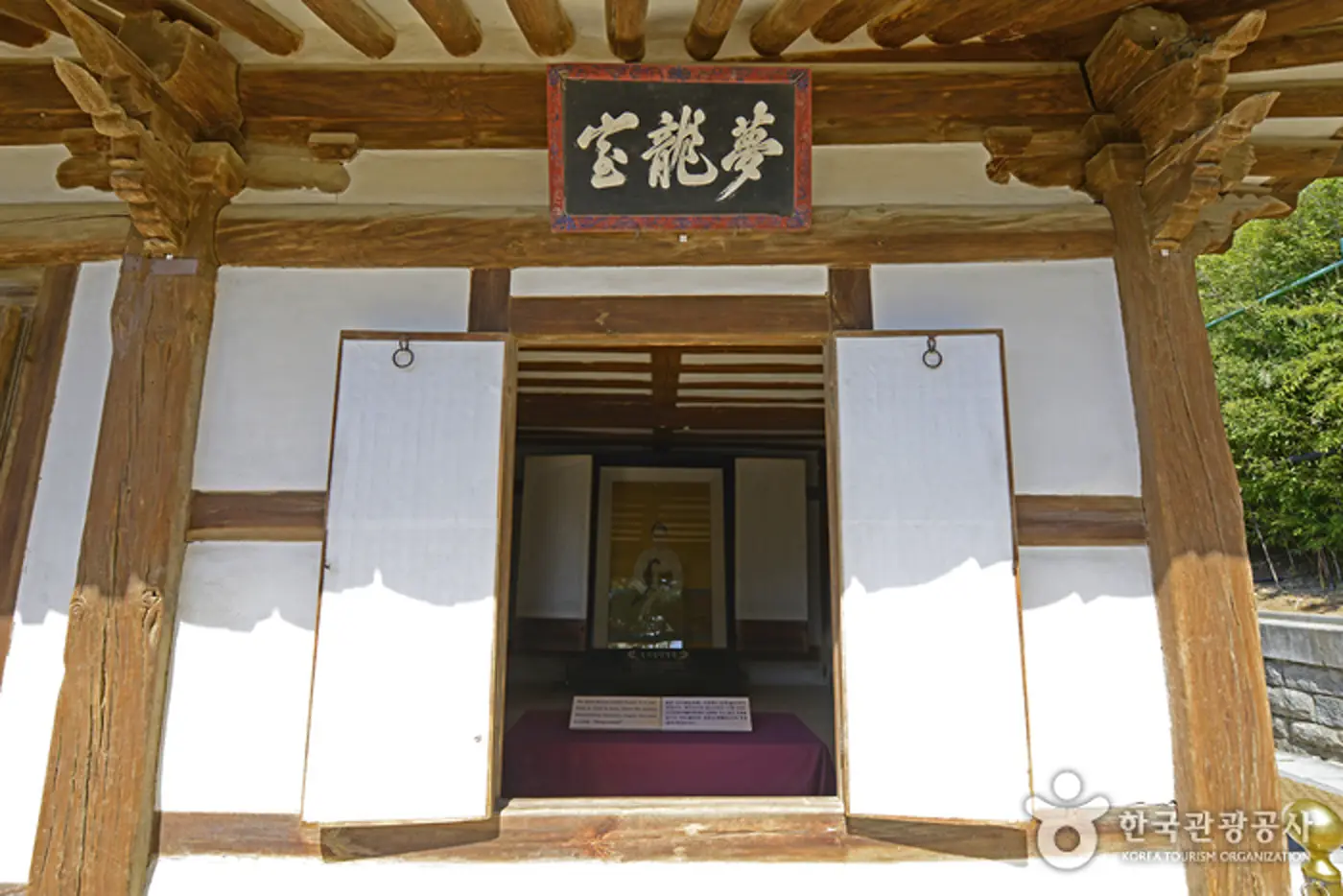
Short answer: Jumunjin Breakwater is an expectation-and-coast-safety decision. Choose between recreating a famous drama scene, understanding a working shoreline, or building a wider sea route while accepting wind, waves, fishing activity, photo queues, transport and seasonal conditions. Korea Tourism Organization and Gangneung city pages are the live starting points; access, parking, weather, safety controls, fishing activity, shops and event conditions are to be checked close to travel.
- Choose the scene, working coast or wider sea route as the primary value.
- Stay on marked public areas and respect fishing, wave and weather boundaries.
- Pair the breakwater with one nearby coast or food chapter, not a coast-wide race.
- Use a clear return plan when the group is wet, cold or carrying seafood.
What is the real choice?
Jumunjin Breakwater is an expectation-and-coast-safety decision. Choose between recreating a famous drama scene, understanding a working shoreline, or building a wider sea route while accepting wind, waves, fishing activity, photo queues, transport and seasonal conditions.
The famous frame is only one meaning
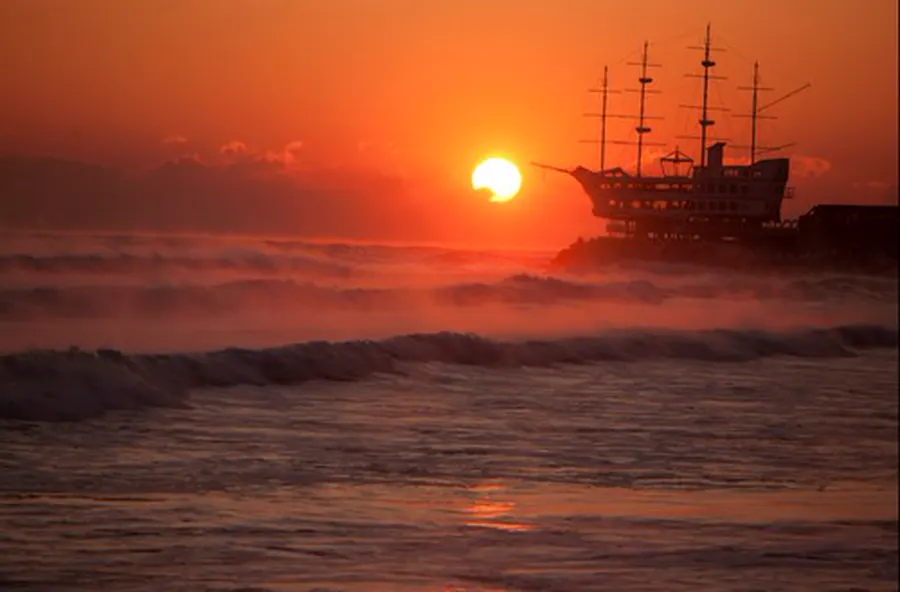
Jumunjin Breakwater became widely known through a television drama, and KTO describes visitors recreating the meeting scene. The current place is also a coastal structure divided into sections, with fishing and harbour life around it. Decide whether the group wants a picture, a short sea stop or a working-coast story. Those purposes require different time, etiquette and tolerance for wind or queues.
Do not promise an empty ledge, identical composition or cinematic weather. The official pages establish the location and context; current access, crowding and safety control the actual visit.
A breakwater is not a stage
Waves, rocks, wet concrete, fishing gear and moving people can make the edge dangerous. Stay within marked public areas, follow barriers and never climb for a better angle. Check current coastal warnings, wind, rain and wave conditions. A tripod, bouquet or costume should never block a path or interfere with local work.
Set the photo time before arrival and give the group permission to leave when conditions feel wrong. A short view from a safe point is a complete visit.
Crowds change the photo decision
Fans and day-trippers may line up for the drama composition, especially during weekends or holiday periods. Check current demand and local guidance rather than assuming dawn is quiet. If the queue is long, the group can photograph the wider breakwater, observe the harbour or move to the next coast chapter. The route should not make one frame the measure of the day.
Use a regroup point away from the edge. People who do not want the photo should have a fish market, café or beach option, not a mandatory wait in wind.
The harbour context deserves time
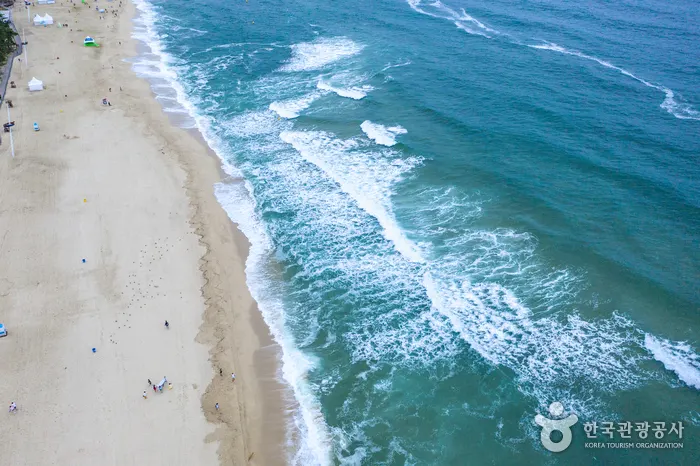
Jumunjin can connect a breakwater visit with seafood stalls, port views and nearby coastal scenery. KTO’s recommended course includes Yeongjin Beach, the breakwater, a fish market and Sodol Adeul Rock Park. Treat that as a planning lead, not a guarantee of current stall hours or road conditions. Choose one contrast and check its live details.
A working port is not an attraction set. Buy or photograph respectfully, keep lanes clear and avoid claims about a particular catch, price or vendor unless current evidence supports them.
Season changes coast exposure
KTO lists different fishing seasons and describes the sea as a changing environment, but travellers should not turn seasonal notes into guaranteed catches. Summer can invite beach and long-light routes; autumn and winter can bring stronger fishing context with colder wind. Spring rain and sea haze can change the photo. Check the actual forecast, wave, clothing and daylight.
Choose the season for the group’s comfort and purpose. A cold clear day may suit a photographer; a family may prefer a shorter harbour meal and indoor contrast.
Transport and parking are part of the stop
Check the exact breakwater address, local buses, parking, final walk, road demand and the next link. Driving offers flexibility but can create parking pressure; public transport offers a simpler return when the route is known, but frequency and the last walk matter. Do not assume the drama location is a direct stop from every Gangneung base.
If the group buys seafood or carries wet clothing, plan bags and a return. A route that looks short on a map can feel long with wind and purchases.
Accommodation should match the sea plan
A Jumunjin base protects an early coast chapter and a slow harbour meal; a Gangneung city base can give more evening choice and wider transport. Compare the first transfer, last return, parking, food and the next morning’s destination. The breakwater should not force a remote room when the rest of the trip is city-focused.
For a photo-only visit, a city base may be fine. For a full port route, nearby lodging can reduce the need to drive after a seafood meal. Check current rooms and services.
Use a coast and respect gate
Before leaving, check current access, barriers, weather, wave, crowd, parking, fishing activity, food, facilities and return. Mark drama claims, catch, price and event details to be checked. Keep a safe land-based alternative ready.
The breakwater earns its place when the group sees both the image and the shoreline. A respectful coast route is more durable than a rushed recreation of a scene.
Route and decision table
| Route | Choose it when | Suggested sequence | Trade-off |
|---|---|---|---|
| Drama-photo stop | The group accepts a short, popular visit for the familiar breakwater composition. | Check current access, crowd, safe viewing area, weather and a time limit. | Strong symbolic payoff, but the exact image depends on people, light and conditions. |
| Working harbour route | The group wants coast function, fishing context and a meal rather than one photograph. | Visit the breakwater, then choose one current port or market chapter with respectful behaviour. | More local texture, but business hours and seafood availability vary. |
| Jumunjin coast loop | The group wants Yeongjin Beach, Sodol or another confirmed nearby contrast. | Check road, parking, walking, weather and the next stop before leaving the harbour. | Richer scenery, but more transport and exposure to wind. |
| Weather-flexible stop | Waves, rain or queueing make an open breakwater less attractive. | Use a harbour meal, café or confirmed indoor route and leave the photo optional. | Resilient and comfortable, but the signature image may be missed. |
Drama-photo stop evidence note: The group accepts a short, popular visit for the familiar breakwater composition. The practical sequence is Check current access, crowd, safe viewing area, weather and a time limit. The trade-off is Strong symbolic payoff, but the exact image depends on people, light and conditions. Current access and operating details remain to be checked.
Working harbour route evidence note: The group wants coast function, fishing context and a meal rather than one photograph. The practical sequence is Visit the breakwater, then choose one current port or market chapter with respectful behaviour. The trade-off is More local texture, but business hours and seafood availability vary. Current access and operating details remain to be checked.
Jumunjin coast loop evidence note: The group wants Yeongjin Beach, Sodol or another confirmed nearby contrast. The practical sequence is Check road, parking, walking, weather and the next stop before leaving the harbour. The trade-off is Richer scenery, but more transport and exposure to wind. Current access and operating details remain to be checked.
Weather-flexible stop evidence note: Waves, rain or queueing make an open breakwater less attractive. The practical sequence is Use a harbour meal, café or confirmed indoor route and leave the photo optional. The trade-off is Resilient and comfortable, but the signature image may be missed. Current access and operating details remain to be checked.
Spring evidence note: The opportunity is Cool sea air and a manageable harbour loop can support photography and food. The constraint is Rain, haze, wind and weekend demand can reduce the photo window. Before leaving, Check warnings, wave, crowd, parking, clothing and market hours. This is a planning prompt, not a forecast.
Summer evidence note: The opportunity is Long daylight supports a beach-to-breakwater route and a later meal. The constraint is Heat, glare, storms, holiday crowds and wet surfaces increase exposure. Before leaving, Check warnings, shade, water, swim or beach conditions, parking and return. This is a planning prompt, not a forecast.
Autumn evidence note: The opportunity is Crisp light and fishing context can reward a wider port route. The constraint is Wind, shorter daylight and changing catch or stall conditions reduce certainty. Before leaving, Check weather, daylight, fishing activity, road, food and lodging. This is a planning prompt, not a forecast.
Winter evidence note: The opportunity is A focused harbour visit can be atmospheric when the group is properly equipped. The constraint is Cold wind, waves, slippery surfaces and early darkness shorten flexibility. Before leaving, Check coastal warnings, clothing, barriers, parking, facilities and a warm fallback. This is a planning prompt, not a forecast.
Four seasons at a glance
Seasonal trade-offs
| Season | What becomes attractive | What becomes harder | Check before committing |
|---|---|---|---|
| Spring | Cool sea air and a manageable harbour loop can support photography and food. | Rain, haze, wind and weekend demand can reduce the photo window. | Check warnings, wave, crowd, parking, clothing and market hours. |
| Summer | Long daylight supports a beach-to-breakwater route and a later meal. | Heat, glare, storms, holiday crowds and wet surfaces increase exposure. | Check warnings, shade, water, swim or beach conditions, parking and return. |
| Autumn | Crisp light and fishing context can reward a wider port route. | Wind, shorter daylight and changing catch or stall conditions reduce certainty. | Check weather, daylight, fishing activity, road, food and lodging. |
| Winter | A focused harbour visit can be atmospheric when the group is properly equipped. | Cold wind, waves, slippery surfaces and early darkness shorten flexibility. | Check coastal warnings, clothing, barriers, parking, facilities and a warm fallback. |
Five positive evidence signals
- The group names photo, harbour context or coast loop as the primary purpose.
- Current coastal safety, access, weather, crowd and transport information is checked.
- The breakwater edge is treated as a safety boundary, not a photo platform.
- One nearby beach, market or rock route is chosen with a realistic return.
- Food, shopping, weather and the least confident traveller shape the timing.
Five negative evidence signals and limitations
- The famous drama frame is promised without checking crowd or access.
- Travellers are encouraged to climb, stand on wet edges or obstruct fishing activity.
- A fish species, catch, price, stall or opening is presented as guaranteed.
- A whole coast loop ignores wind, daylight, road and carrying conditions.
- A planned visit is reported as completed without current evidence.
Three practical route shapes
Photo anchor: take one safe frame, set a short limit and move to a confirmed harbour chapter.
Working-coast route: pair the breakwater with one current market or port experience.
Weather fallback: make a beach or indoor food plan primary and decide on the breakwater near departure.
Accommodation and transport decision
| Stay shape | Choose it when | Trade-off |
|---|---|---|
| Jumunjin base | The port and coast are the main morning or evening purpose. | Current rooms, parking, food hours and wind exposure need checking. |
| Gangneung city base | The group wants cafés, markets and a wider urban evening. | The north-coast transfer and parking can be longer. |
| Transit-linked coast base | The breakwater sits between regional bus or coastal movements. | Luggage, last service and wet-weather flexibility need checking. |
Field decisions before leaving
Write the photo or harbour purpose, the safe viewing boundary, one nearby contrast and the return. Check weather, wave, barriers, fishing activity, crowd, parking, bus or taxi, food, payment and lodging. Unconfirmed scene, catch and event claims stay marked to be checked.
- english.visitkorea.or.kr authoritative source — live details are to be checked.
- english.visitkorea.or.kr authoritative source — live details are to be checked.
- english.visitkorea.or.kr authoritative source — live details are to be checked.
- www.gangneung.go.kr authoritative source — live details are to be checked.
Choose the base that protects the sea day
Jumunjin works best when the breakwater is one clear coastal chapter rather than a photo stop squeezed between distant districts.
Jumunjin or Yeongjin stay
Stay by the port when you want the fish market, breakwater and an early beach walk before cafés open. It cuts the first taxi transfer and lets you leave when the wind turns instead of waiting for a late return.
See Jumunjin staysGangneung station or downtown stay
Choose the city when this coast is one part of a rail-based trip with Anmok, the central market or Haslla on another day. You gain easier dinners and onward trains, but set aside a proper morning for the north-coast transfer.
See Gangneung city staysPort first for dawn and seafood; city first for a wider rail itinerary.
FAQ
Why is Jumunjin Breakwater famous?
It became widely recognised as a filming location, but it remains a working coastal structure with current safety and access rules.
Can I recreate the drama scene?
You can photograph from safe public areas if access and crowd conditions allow; the exact frame is not guaranteed.
Is it safe to stand on the rocks?
Do not enter restricted or wet edges. Follow current barriers and coastal warnings.
Can I combine it with a fish market?
Yes, if the current market hours, route, food needs and return are checked.
Where should I stay?
Compare Jumunjin and central Gangneung against the first coast transfer and evening plan.
What if the wind is strong?
Shorten the stop and use a confirmed harbour, café or indoor alternative rather than forcing the photo.
KriNavi decision card
Best use of this page: Gangneung Jumunjin Breakwater Route Decision: Drama Photo, Working Coast or Flexible Sea Day?
Core judgement: Choose Jumunjin Breakwater by photo expectations, coast safety, fishing context, transport, seasons, weather and Gangneung lodging.
Sources checked in this page: Source 1 · Source 2 · Source 3 · Source 4
This card only reorganizes sources already listed by the page. Recheck live hours, prices, service, and restrictions for the travel date.