
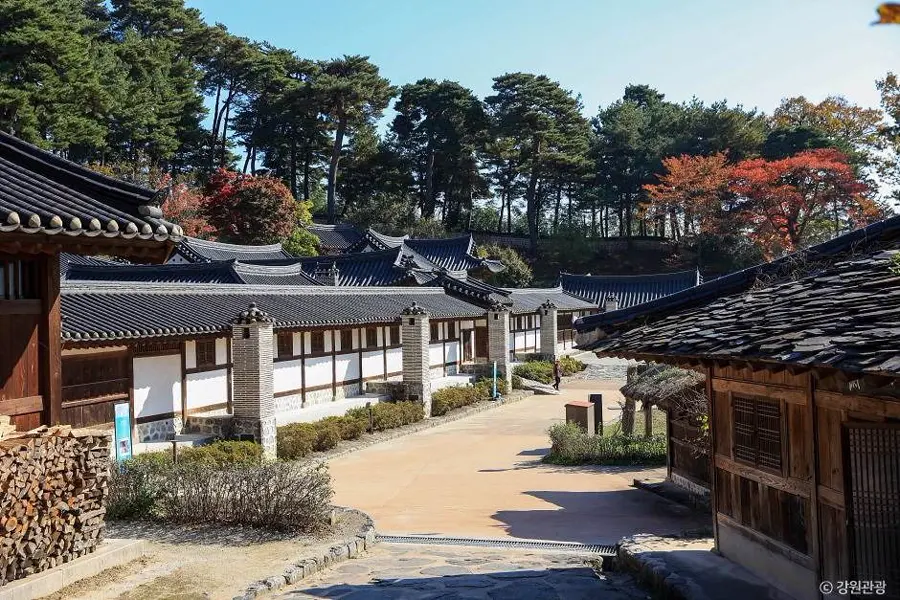
Short answer: Jumunjin is a port-and-fandom decision. The harbour rewards attention to fishing work, market context and coastal movement, while the BTS bus-stop location is a short pop-culture photo chapter. The route works when the photo does not erase the working coast or consume the transport margin. Current hours, access, transport, weather, facilities, programmes and reservations are to be checked.
- the harbour is treated as a working place before a photo backdrop
- the BTS stop is verified as a current tribute/photo setup
- bus, walking, market, weather and return details are checked
- the group decides whether seafood, fandom or beach atmosphere leads
What is the real choice?
Jumunjin is a port-and-fandom decision. The harbour rewards attention to fishing work, market context and coastal movement, while the BTS bus-stop location is a short pop-culture photo chapter. The route works when the photo does not erase the working coast or consume the transport margin. A Gangneung visitor wants the port and the BTS bus-stop photo, but must choose whether to centre seafood and harbour life, a compact fandom stop or a flexible beach-and-transit route. The route is a decision about attention, effort, evidence and the right to change plans. Jumunjin becomes a stronger Gangneung route when the working port is not hidden behind a fandom photo. Check the current tribute, protect harbour boundaries, choose a transport spine and leave enough margin for weather, food and a respectful return.
Route and decision table
| Route | Choose it when | Suggested sequence | Trade-off |
|---|---|---|---|
| Port-first route | The group wants harbour context, market movement and seafood decisions. | Start with current port access, observe without obstructing work, then choose a confirmed market or meal. | You gain local context but the photo stop becomes optional. |
| BTS photo chapter | The group primarily wants the album-cover tribute and a brief beach visit. | Verify the current setup, beach access, queue and bus or taxi return before arriving. | You gain efficiency but risk a thin route if the structure or weather changes. |
| SEA TEA Bus coast route | The group wants to connect Gangneung beaches and Jumunjin without a private car. | Check current stops, timetable, fare, last service and walking links, then choose one port and one beach anchor. | You gain a scenic transit spine but lose control if services or queues change. |
| Overnight Jumunjin base | The group wants an early port or a slower seafood-and-beach day. | Choose a current room after checking distance, check-in, parking, price and next-day transport. | You gain time but add cost and live availability risk. |
Jumunjin has two different kinds of attention
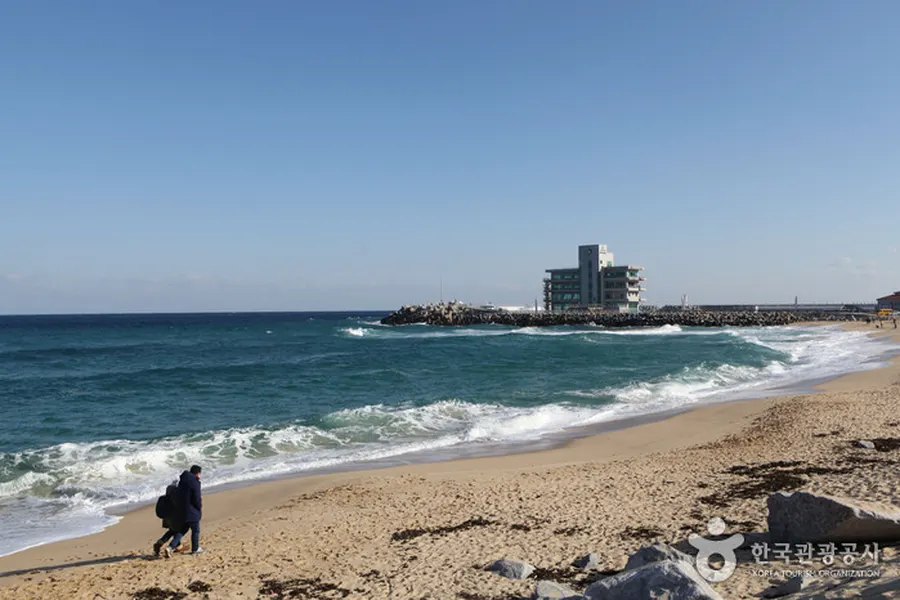
Gangneung’s English tourism page describes Jumunjin Port as a key East Coast port with fishing boats and fresh seafood context. The city also presents a BTS bus-stop tribute near Jumunjin Beach. Those are not the same experience, and a useful route lets each keep its own scale.
Ask whether the group wants working-coast context, a pop-culture photograph or a beach-and-bus day. A port-first traveller may have little interest in a queue at the tribute. A fan may not want a long market visit. The route becomes fair when the difference is said aloud.
Treat the port as a place where work happens
Start by checking current access and then observe without entering restricted areas or blocking vehicles, stalls and people. A harbour is not a themed set. Its value is the movement of boats, seafood, markets and people whose day does not revolve around visitors.
A short respectful look can be enough. If the group wants a meal, check current businesses, queue, price, payment, allergies and waste rules. Do not turn the official description of fresh seafood into a guarantee about one menu or market stall.
The BTS stop is a precise but changing promise
Gangneung’s official feature identifies the BTS bus-stop location as a tribute near Hangho Beach. Because photo structures, sand, access, queues and maintenance can change, check current information before building a day around one frame. The tribute is a chapter, not proof that every album detail remains identical.
Give solo visitors a practical way to photograph themselves without blocking the beach or asking a stranger to spend the whole route as a photographer. If the setup is crowded or changed, the honest alternative is a beach walk or port context, not an invented replacement.
Use transport as a decision, not background
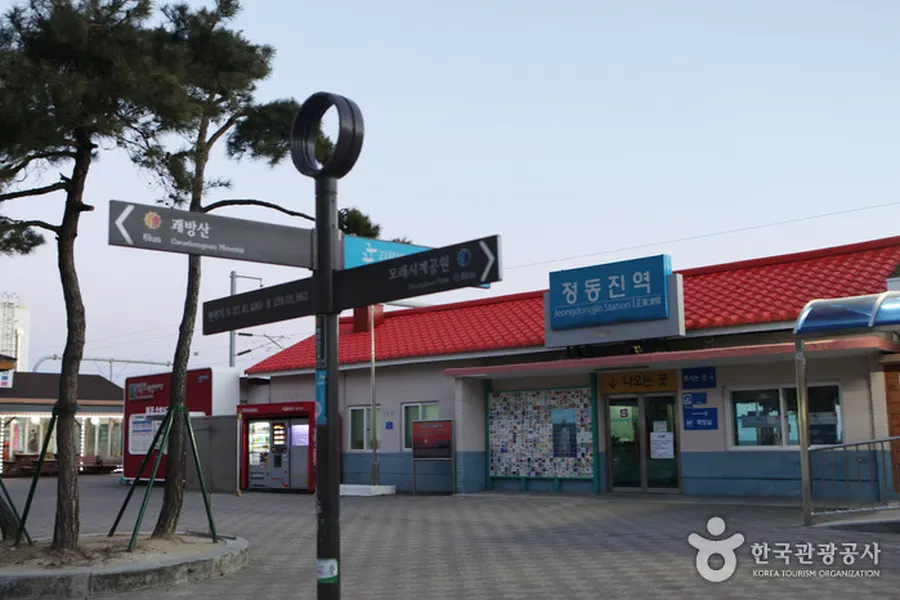
The official SEA TEA Bus feature describes a coastal connection between Anmok and Jumunjin with multiple stops. Treat the page as a starting point, then verify current timetable, fare, stops, last service, walking links and weather. A bus route can be the day’s experience, but only when its margin fits the group.
If a traveller needs a taxi, a car or a slower walk, decide that before joining a queue. Keep one return route that does not depend on the photo taking exactly five minutes. Coastal transfers are vulnerable to crowds, parking and delays.
Food and accommodation change the route’s centre
A seafood meal can give the port a clear narrative, but it can also create cost, allergy and waiting-time issues. Check current menus, payment, seating and alternative food before promising a market lunch. A warm simple meal may be better than a famous but unverified stop.
A Jumunjin room makes sense for an early port, a slow beach morning or a next-day northern Gangneung route. Compare location, check-in, parking, price, cancellation and transit. A Gangneung city base may be better for a broader itinerary even if it requires a longer transfer.
Keep fandom and neighbourhood life in balance
A popular photo location can bring economic attention, but it can also bring noise, litter and residents’ frustration. Keep voices down, follow signs, do not climb barriers and ask before photographing people. Leave the beach and port usable for people who live and work there.
The strongest fan itinerary includes one piece of context: a harbour observation, a current beach rule or a local meal that is not presented as a prop. That makes the visit more than a replica of an image.
Write the fallback before the first bus
Set a port anchor, a photo option and a return rule. If the port is busy, shorten the market chapter. If the photo stop is altered, keep the beach or harbour honest. If the bus changes, use a checked taxi or return route rather than adding an unverified stop.
This route works in every season because it is based on decisions, not a single image. The sea, the port and the fan memory can coexist when each is given an appropriate amount of time and respect.
Evidence notes for this decision
Route evidence note — Port-first route: choose this when The group wants harbour context, market movement and seafood decisions. The practical sequence is Start with current port access, observe without obstructing work, then choose a confirmed market or meal. The trade-off is You gain local context but the photo stop becomes optional. Keep live access and operating details to be checked.
Route evidence note — BTS photo chapter: choose this when The group primarily wants the album-cover tribute and a brief beach visit. The practical sequence is Verify the current setup, beach access, queue and bus or taxi return before arriving. The trade-off is You gain efficiency but risk a thin route if the structure or weather changes. Keep live access and operating details to be checked.
Route evidence note — SEA TEA Bus coast route: choose this when The group wants to connect Gangneung beaches and Jumunjin without a private car. The practical sequence is Check current stops, timetable, fare, last service and walking links, then choose one port and one beach anchor. The trade-off is You gain a scenic transit spine but lose control if services or queues change. Keep live access and operating details to be checked.
Route evidence note — Overnight Jumunjin base: choose this when The group wants an early port or a slower seafood-and-beach day. The practical sequence is Choose a current room after checking distance, check-in, parking, price and next-day transport. The trade-off is You gain time but add cost and live availability risk. Keep live access and operating details to be checked.
Season evidence note — Spring: the opportunity is A cooler coast and flexible port walk can support a mixed route. The constraint is Wind, rain, pollen and changing beach services can reduce comfort. Before leaving, Check current port access, buses, weather, market and beach notices. This is a planning prompt, not a forecast.
Season evidence note — Summer: the opportunity is Long light and beach energy can suit a photo and port day. The constraint is Heat, crowds, swimming rules, storms and queues make a compact plan wiser. Before leaving, Check beach operation, heat, water, bus services, crowd levels and return. This is a planning prompt, not a forecast.
Season evidence note — Autumn: the opportunity is Clear air and seafood-season atmosphere can support a port-first route. The constraint is Wind, shorter light and weekend demand reduce photo flexibility. Before leaving, Check weather, market hours, transport, parking and daylight. This is a planning prompt, not a forecast.
Season evidence note — Winter: the opportunity is A brisk harbour visit and warm meal can feel focused and memorable. The constraint is Cold wind, early darkness and reduced beach services limit lingering. Before leaving, Check clothing, warm facilities, bus timing, port access and fallback food. This is a planning prompt, not a forecast.
Positive signal: The group can explain whether port life, fandom or beach transit is the anchor. Evidence should be current, specific and tied to the group’s actual route.
Positive signal: The current BTS tribute setup and access are checked instead of assumed. Evidence should be current, specific and tied to the group’s actual route.
Positive signal: Visitors keep clear of working harbour areas and ask before photographing people. Evidence should be current, specific and tied to the group’s actual route.
Positive signal: The route has a bus, walking or taxi fallback with a realistic return. Evidence should be current, specific and tied to the group’s actual route.
Positive signal: Food and accommodation choices are based on current location and operating details. Evidence should be current, specific and tied to the group’s actual route.
Limitation signal: The port is reduced to a backdrop and working areas are treated as a playground. If this appears, shorten the promise or stop and verify.
Limitation signal: An old bus timetable, photo prop or beach facility is used as current evidence. If this appears, shorten the promise or stop and verify.
Limitation signal: The group schedules a long queue and a distant transfer without a buffer. If this appears, shorten the promise or stop and verify.
Limitation signal: Seafood cost, menu, payment or dietary fit is assumed. If this appears, shorten the promise or stop and verify.
Limitation signal: A fandom-only route collapses when wind, crowding or the photo setup changes. If this appears, shorten the promise or stop and verify.
Four seasons at a glance
Seasonal trade-offs
| Season | What becomes attractive | What becomes harder | Check before committing |
|---|---|---|---|
| Spring | A cooler coast and flexible port walk can support a mixed route. | Wind, rain, pollen and changing beach services can reduce comfort. | Check current port access, buses, weather, market and beach notices. |
| Summer | Long light and beach energy can suit a photo and port day. | Heat, crowds, swimming rules, storms and queues make a compact plan wiser. | Check beach operation, heat, water, bus services, crowd levels and return. |
| Autumn | Clear air and seafood-season atmosphere can support a port-first route. | Wind, shorter light and weekend demand reduce photo flexibility. | Check weather, market hours, transport, parking and daylight. |
| Winter | A brisk harbour visit and warm meal can feel focused and memorable. | Cold wind, early darkness and reduced beach services limit lingering. | Check clothing, warm facilities, bus timing, port access and fallback food. |
Five positive evidence signals
- The group can explain whether port life, fandom or beach transit is the anchor.
- The current BTS tribute setup and access are checked instead of assumed.
- Visitors keep clear of working harbour areas and ask before photographing people.
- The route has a bus, walking or taxi fallback with a realistic return.
- Food and accommodation choices are based on current location and operating details.
Five negative evidence signals and limitations
- The port is reduced to a backdrop and working areas are treated as a playground.
- An old bus timetable, photo prop or beach facility is used as current evidence.
- The group schedules a long queue and a distant transfer without a buffer.
- Seafood cost, menu, payment or dietary fit is assumed.
- A fandom-only route collapses when wind, crowding or the photo setup changes.
Three practical route shapes
Harbour context: Give the port and food decision the main block, then treat the bus stop as optional.
Photo-efficient coast: Use a confirmed BTS chapter and one nearby beach without promising a full northern coast loop.
Transit day: Use the current SEA TEA Bus or local transport as the route spine and keep stops few.
Accommodation and transport decision
| Stay shape | Choose it when | Trade-off |
|---|---|---|
| Gangneung city base | Choose this when Jumunjin is one coastal chapter in a broader city stay. | More dining and transport options, but a longer northern transfer. |
| Jumunjin room | Choose a current room for early port activity, a slow market visit or a beach morning. | Better local timing, but price, check-in, parking and availability are to be checked. |
| No overnight | Choose this when the confirmed return and one clear anchor matter more than dawn or late light. | Lower cost and simpler, but less tolerant of delays. |
Field decisions before leaving
- Gangneung city English Jumunjin Port page — operating details and access are to be checked.
- Gangneung official SEA TEA Bus and BTS route feature — operating details and access are to be checked.
- Korea Tourism Organization Jumunjin Port page — operating details and access are to be checked.
- Korea Tourism Organization Jumunjin photo route — operating details and access are to be checked.
FAQ
Is the BTS bus stop a working bus stop?
Gangneung describes it as a tribute/photo location near Jumunjin Beach, not a reason to assume normal bus service at the prop. Verify the current setup and transport separately.
Should I visit the port before the photo spot?
Often that is the better decision if you want context, but choose the order around current market, bus, weather and crowd conditions.
Can I use the SEA TEA Bus?
The official city feature describes a coastal bus route, but check current stops, times, fares and last service before relying on it.
Is Jumunjin good for families?
It can be if the route has a short beach chapter, safe meeting point, food option and clear harbour boundaries.
Do I need to stay overnight?
Only when early port timing, slower food or a next-day coast route justifies a current room.
Can I photograph the harbour?
Follow signs, protect workers’ privacy and do not block vehicles, boats, stalls or other visitors.
KriNavi decision card
Best use of this page: Jumunjin Port and BTS Bus-Stop Route Decision: Working Coast or Fandom Photo?
Core judgement: Plan a Jumunjin Port and BTS bus-stop route around working harbour context, beach photography, SEA TEA Bus checks, food and lodging.
Sources checked in this page: Source 1 · Source 2 · Source 3 · Source 4
This card only reorganizes sources already listed by the page. Recheck live hours, prices, service, and restrictions for the travel date.