
The useful Gangneung question is not “Can I fit both?” but “Which place should carry the story, and where must the group be afterwards?” Ojukheon is a compact, information-rich visit. Seongyojang asks for a slower look at a larger traditional residence and its grounds. Treating them as interchangeable photo stops creates a rushed middle of the day and a difficult return. This guide builds three versions: a focused Ojukheon visit, a Seongyojang-led garden day, and a paired heritage route with a deliberate exit.
Read this before choosing the pair
- Ojukheon suits a group that wants a clear introduction to a historic household, named rooms and a shorter visit.
- Seongyojang suits travellers who enjoy courtyards, landscape, architectural details and a slower rhythm.
- A paired day works only when current opening information, travel time, energy and the return to the station, market or hotel are all protected.
- Season, rain, heat, event schedules and road conditions can change the comfortable order. Check the current notices before fixing the route.
Give each site a different job
Ojukheon is often the easier first chapter because its name, buildings and cultural associations give a group a frame quickly. A visitor who has not read much Korean history can begin with the compound’s layout, identify the main structures, and leave with a manageable set of questions. That makes it a strong choice on an arrival day, before a train departure, or when one person in the group has limited walking tolerance. A shorter visit is not a lesser visit if the group leaves with a coherent picture of the place.
Seongyojang needs a different promise. Its value is in the relationship between house, threshold, water, garden and distance. The first ten minutes may feel quiet rather than spectacular. That quiet is the point: allow time to notice how a traditional residence is approached, where views open, and how the grounds organise movement. If the group expects a sequence of dramatic landmarks, it may call the visit slow when the real issue is a mismatched pace.
Do not use the two names as a shortcut for “old houses.” Decide whether the day needs context, atmosphere, or both. Context-first travellers can start at Ojukheon and use Seongyojang as a slower second act. Atmosphere-first travellers can begin at Seongyojang while attention is fresh, then choose Ojukheon only if the return timetable and energy still allow it.
Three route shapes that remain executable
- Ojukheon focus: Check the live notice, travel to Ojukheon, spend a defined block reading the compound, eat near a confirmed connection, and return to Gangneung station, the central market or the hotel. This is the safest choice for a short window, a wet forecast or a group that needs an early finish.
- Seongyojang slow day: Confirm access, arrive with time for the grounds, keep the middle of the day free for one meal, and skip a second heritage site unless everyone still wants it. This protects the character of the place and works well for a repeat Gangneung visitor.
- Paired heritage loop: Fix the first site, set a hard departure time, use the most reliable current connection, and treat the second site as a planned chapter rather than a bonus. Leave an explicit return buffer. If the first visit runs late, drop the second site without calling the day a failure.
The third route is not automatically the best route. It is the route with the highest risk of turning both sites into hurried evidence. A pair only earns its place when the group can still read, pause, eat and return without watching the clock at every gate.
Transport is a sequence, not a pin on a map
Gangneung’s heritage sites sit within a wider city that also pulls travellers toward the station, central market, Gyeongpo, the coast and coffee streets. A map may make two sites look close while the actual transfer includes a wait, a bus change, a walk from a stop, or a long final approach. Confirm the current route in the official city information and then test the last section for the person carrying the largest bag or walking most slowly.
If you arrive by rail, a station-based day can work when luggage is stored or dropped before the heritage visit. Do not assume every accommodation will accept early bags or that a taxi will remove all timing risk. Ask the hotel, keep the exact address in Korean, and preserve a fallback meal near the next confirmed connection. When the return is to a beach hotel, the heritage pair may cost more of the day than its two admission lines suggest.
For a no-car group, the right question is whether the next leg begins from a useful stop, not whether a vehicle can reach the gate. For a driver, parking, road congestion, weather and the time needed to find the correct entrance still matter. A car can reduce transfer uncertainty and create a different problem at a busy weekend. Compare the complete door-to-door route before calling one mode easier.
How to read the places without turning history into a checklist
Set one question before entering. It might be “How does a household express status through rooms and approach?” or “What changes when a residence opens into water and garden?” That question is enough to connect the two sites. Avoid assigning the group ten facts to remember. One person can watch the route and meeting point while another reads the labels; then exchange impressions during the meal.
At Ojukheon, look first at sequence and use: entrance, threshold, main building, supporting spaces and the way visitors are directed. At Seongyojang, slow down at transitions between architecture and landscape. These observations remain useful even when an individual building is closed, an exhibition changes or weather shortens the outdoor section. They also prevent a common mistake: replacing a real visit with a claim that a photograph proves the whole site.
Children and older travellers need a different success condition. One memorable room, a safe pause, a toilet plan and a clear regroup point can be enough. A fast reader may continue while others rest, but nobody should be forced to choose between the group and the route. Keep the second site optional when the first already answered the day’s question.
Season changes the correct order
| Season | Useful order | What to protect |
|---|---|---|
| Spring | Use the site with the more comfortable outdoor section first, then keep the second visit compact. | Rain showers, pollen and weekend demand can change garden comfort. |
| Summer | Start with the more shaded or information-rich visit; put the longest outdoor pause early or late. | Heat, humidity, storms, water and a cool meal break. |
| Autumn | A paired route is often easier to enjoy when daylight and walking conditions are comfortable. | Popular dates, earlier darkness and the final return connection. |
| Winter | Choose the site with the stronger indoor or short-route value first and keep the second optional. | Cold wind, slippery surfaces, reduced daylight and warm transport. |
Seasonal language is a planning aid, not a promise of blossoms, clear skies or a quiet garden. Check the live forecast, any event notice, current access and the actual return timetable on the day.
Accommodation should support the heritage day
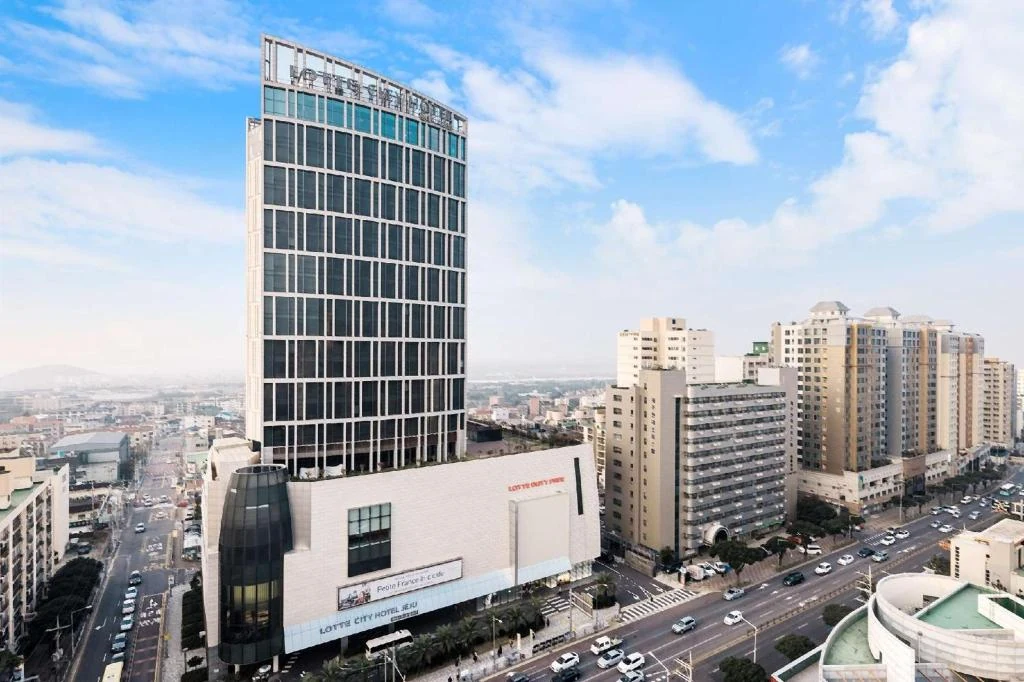
A Gangneung station or central-market base is convenient when the group wants a simple arrival, a meal and an onward train. A Gyeongpo or coastal base may suit a longer stay that gives the heritage day its own space, but the ride back after a full walk becomes part of the cost. A coffee-street base can be appealing for a relaxed afternoon, yet it may require an extra cross-city transfer before dinner.
Compare accommodation by the first connection, the last return, luggage storage, breakfast timing, noise, lift access and cancellation terms. A room with a beautiful view does not repair a route that leaves a tired group searching for a bus after dusk. If the heritage pair is the reason for the stay, choose a base that lets the group stop cleanly when the second site no longer earns its time.
| Base | Why it can work | When to reconsider |
|---|---|---|
| Gangneung station / central | Easy rail arrival, food options and a clear departure anchor. | The sites require a long return and the group wants a quiet coastal evening. |
| Gyeongpo area | Good for a multi-night trip that combines heritage with lake or beach time. | One-night visitors may spend too much time crossing back to the station. |
| Coastal or coffee-street base | Works when the heritage visit is one chapter in a slower city stay. | Early rail departures, large luggage or weak evening connections make it fragile. |
What the route can and cannot promise
Positive signals
- Ojukheon and Seongyojang offer contrasting scales within one Gangneung decision.
- The pair can connect architecture, household history and landscape without requiring a long regional transfer.
- A single-site version remains meaningful when rain, heat or energy changes the plan.
- Central accommodation can make the arrival and return leg easier to understand.
- Four seasons create genuinely different reasons to shorten, reorder or extend the walk.
Limitations
- Two heritage compounds cannot be treated as a complete account of Gangneung history.
- Opening information, events, access and individual building availability can change.
- Weather may make gardens, paths and waiting areas less comfortable than photographs suggest.
- Bus times and last approaches require a current check; map distance is not journey time.
- A paired route can reduce attention and turn both places into hurried stops.
Questions to answer before leaving
| Question | Decision | Action |
|---|---|---|
| How much history can the group read? | Short, medium or deep visit. | Give one person the job of choosing the single must-see room or view. |
| Where is the next fixed commitment? | Station, hotel, meal or beach. | Set the latest departure time from the second site before entering the first. |
| What happens if rain arrives? | Indoor anchor or single-site plan. | Keep a nearby meal and return connection that does not depend on a long garden walk. |
| Who carries the physical cost? | Comfortable pace or divided route. | Mark seating, toilets, slopes and a regroup point; do not hide them behind “nearby.” |
Official route checks
- Gangneung official tourism information — use the current page to check destination information and notices.
- Gangneung official attraction information — confirm access, opening information and changes before the visit.
- Gangneung transport and travel information — check the current approach and city connections.
- Korail — confirm rail departure, arrival and the buffer needed after the heritage route.
Image field
Plan the next action
Frequently asked questions
Can I visit Ojukheon and Seongyojang in one day?
It can work when the current opening information, transfer and return time leave room to read and pause. Treat the second site as a chapter with a latest departure, not as an automatic extra.
Which site is better for a first visit?
Ojukheon is often easier when the group wants a compact introduction and a clear indoor-outdoor sequence. Seongyojang is stronger when the group values a slower residence and garden experience.
Should I stay near Gangneung station?
A station or central base helps with rail, food and luggage. A coastal base can be better for a longer stay, but compare the complete return rather than the map distance alone.
What if the weather changes?
Use a single-site plan, shorten the outdoor section and keep the second heritage site for another day. The route is successful when it remains comfortable and coherent, not when every pin is visited.
Is the route suitable for children or older travellers?
Yes, if you set a short version, clear seating and regroup points, and a nearby meal. Do not promise both compounds as an effortless walk without checking the actual paths and energy of the group.
What should I check on the day?
Check opening information, access, events, weather, transport, any restrictions and the last connection to the next fixed commitment. Save the official pages before leaving the hotel.
Fix the opening, weather and return connection, then keep the route to the version the group can finish.
KriNavi decision card
Best use of this page: Gangneung Ojukheon and Seongyojang: Choose a heritage pair by season, pace and return route
Core judgement: Decide whether Ojukheon, Seongyojang or both should anchor a Gangneung heritage day, with seasonal timing, transport, walking pace, food and stay choices.
Sources checked in this page: Source 1 · Source 2 · Source 3 · Source 4
This card only reorganizes sources already listed by the page. Recheck live hours, prices, service, and restrictions for the travel date.