
Short answer: Simgok Badabuchae-gil is a sea-edge commitment decision. The trail rewards people who want geology, waves and a defined coastal walk, while a short viewpoint or a postponed visit is wiser when weather, access, surfaces or group stamina do not support the full route. Current hours, access, transport, weather, facilities, programmes and reservations are to be checked.
- the group wants a real coast walk rather than only a sea photograph
- current hours, entry, route sections, warnings and closures are checked
- the least confident walker can stop without being pushed toward the cliffs
- weather and surface conditions control the extension
What is the real choice?
Simgok Badabuchae-gil is a sea-edge commitment decision. The trail rewards people who want geology, waves and a defined coastal walk, while a short viewpoint or a postponed visit is wiser when weather, access, surfaces or group stamina do not support the full route. A Gangneung traveller wants the Jeongdong-Simgok Badabuchae-gil coast trail but must choose between a complete ticketed walk, a short sea-facing chapter or a safer flexible day. The route is a decision about attention, effort, evidence and the right to change plans. Simgok Badabuchae-gil is not a promise of permanent blue water or effortless walking. It is a coastal decision in which geology, safety, weather and attention must agree. Check live conditions, choose a proportionate route and let the sea remain the reason for going.
Route and decision table
| Route | Choose it when | Suggested sequence | Trade-off |
|---|---|---|---|
| Full coastal trail | The group wants marine-terrace scenery, waves and a committed walk. | Check current start points, admission, hours, weather, surface and return before entering. | You gain continuity and geology but accept exposure, effort and closure risk. |
| Short confirmed section | The group wants sea air and a manageable coastal chapter. | Use the currently open access point, set a turnaround and keep the cliff edge and stairs conditional. | You protect inclusion but cannot claim the whole trail experience. |
| Geology-first visit | The group cares about landform, waves and interpretation more than distance. | Read current guidance, pause at safe viewing areas and leave before fatigue changes judgement. | You gain attention but sacrifice the satisfaction of completing a route. |
| Overnight weather buffer | The coast is one reason for a slower Gangneung stay. | Choose a current room near the next confirmed route and keep the trail optional until checked. | You gain flexibility but add room cost, transfers and live availability checks. |
The trail is a geological and physical decision
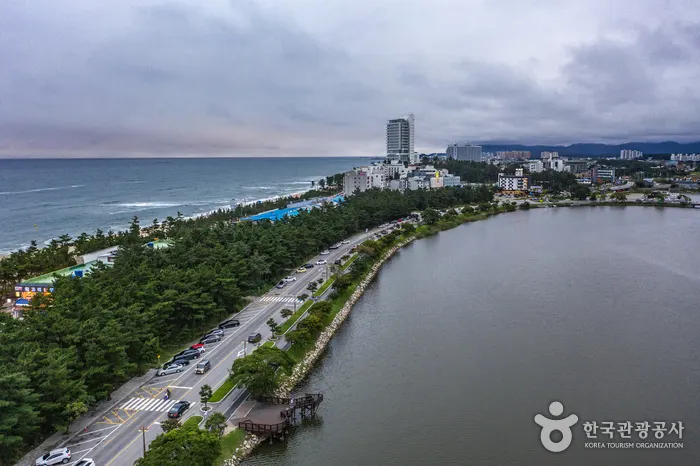
Korea Tourism Organization describes the Jeongdong-Simgok Badabuchae Trail as a marine terrace where visitors can see coastal landforms and waves. That context gives the walk a subject beyond a scenic photograph. It also means the route should be planned like a real coastal trail, with weather, surface, entry and return treated as evidence.
Choose the experience before choosing the route length. A geology-minded traveller may be satisfied by a safe observation and a few explanations. A walker may want the full open section. A mixed group may need a short chapter that does not turn the least confident person into an obstacle.
Check the live trail before the scenic promise
The official pages publish operating information, but hours, start points, repairs and safety closures can change. Check current entry, last admission, ticket office, route sections, weather notices, parking and transport on the day or close to it. Keep every changing detail marked to be checked.
A trail can look inviting from a photograph while wind, spray, wet decking or a closed segment changes the decision. Make a return point visible before entering. A route is practical when the group knows what will make it stop.
Sea views need more than a camera
Pause to notice the relation between cliff, water, rock and horizon. This gives children and non-photographers a way to participate without waiting for a perfect frame. Keep cameras, tripods and bodies away from edges and follow any current instructions about drones or equipment.
If waves are dramatic, the risk may be higher rather than the experience better. Do not climb barriers or leave the marked route for a stronger image. The official trail and staff instructions are stronger evidence than a social post.
Transport and return are part of the coast
The start and end of a linear coastal route may not feel interchangeable. Verify the current entrance, parking, bus or taxi options and the distance from the actual stop. Keep a return time that includes a slow walker, a queue, a weather pause and the possibility of turning back.
Food can be a simple confirmed pause rather than a distant promise. Check hours, payment, dietary fit and whether the group can leave without missing a return. A warm drink or packed option may be more useful than adding an unverified restaurant detour.
A room buys flexibility only when it is useful
An overnight Gangneung base can protect an early start or absorb a weather change, but it adds its own uncertainty. Compare the room’s confirmed location, cancellation, check-in, parking, price and next-day route. A sea view does not automatically shorten the transfer to the trail.
For a budget day trip, returning home may be the better decision. For a photography or geology trip, a room can make the coast less rushed. Choose by the real constraint and keep availability to be checked.
Seasonal weather changes the meaning of effort
Spring and autumn may feel comfortable, summer rewards early timing and winter can make a short visit more sensible than a full walk. These are planning prompts, not forecasts. Check the current wind, rain, snow, spray, daylight and warning notices before committing.
If the trail closes, keep a coastal day honest rather than substituting an unrelated view and calling it the same experience. A short safe visit or a return on another date protects both the place and the traveller.
Write the decision before leaving
The strongest plan has one anchor, one extension and one safe stop. The anchor is the confirmed open trail or viewpoint. The extension is the full route only if the group and conditions support it. The safe stop is the point where everyone can return without a debate.
This structure keeps Simgok Badabuchae-gil useful across seasons. It gives the group a reason to go, a reason to stop and an honest way to report what changed. Coastal travel improves when flexibility is designed rather than improvised.
Evidence notes for this decision
Route evidence note — Full coastal trail: choose this when The group wants marine-terrace scenery, waves and a committed walk. The practical sequence is Check current start points, admission, hours, weather, surface and return before entering. The trade-off is You gain continuity and geology but accept exposure, effort and closure risk. Keep live access and operating details to be checked.
Route evidence note — Short confirmed section: choose this when The group wants sea air and a manageable coastal chapter. The practical sequence is Use the currently open access point, set a turnaround and keep the cliff edge and stairs conditional. The trade-off is You protect inclusion but cannot claim the whole trail experience. Keep live access and operating details to be checked.
Route evidence note — Geology-first visit: choose this when The group cares about landform, waves and interpretation more than distance. The practical sequence is Read current guidance, pause at safe viewing areas and leave before fatigue changes judgement. The trade-off is You gain attention but sacrifice the satisfaction of completing a route. Keep live access and operating details to be checked.
Route evidence note — Overnight weather buffer: choose this when The coast is one reason for a slower Gangneung stay. The practical sequence is Choose a current room near the next confirmed route and keep the trail optional until checked. The trade-off is You gain flexibility but add room cost, transfers and live availability checks. Keep live access and operating details to be checked.
Season evidence note — Spring: the opportunity is Clearer sea air and moderate temperatures can support a careful coast walk. The constraint is Wind, rain and changing trail conditions can make exposed sections uncomfortable. Before leaving, Check current opening, warnings, surface, weather, parking and transport. This is a planning prompt, not a forecast.
Season evidence note — Summer: the opportunity is Longer daylight can make an early trail start attractive. The constraint is Heat, glare, storms and slippery spray raise the cost of a long route. Before leaving, Check heat, water, shade, storm warnings, last entry and return. This is a planning prompt, not a forecast.
Season evidence note — Autumn: the opportunity is Clear horizons and lower heat can favour a geology-and-walking day. The constraint is Wind, weekend demand and shorter daylight reduce flexibility. Before leaving, Check weather, crowds, route status, daylight and food or room options. This is a planning prompt, not a forecast.
Season evidence note — Winter: the opportunity is A brief sea-view visit can be vivid when the group is prepared. The constraint is Ice, strong wind, cold spray and early darkness make the full route a high-cost choice. Before leaving, Check closures, surfaces, clothing, daylight, warming options and transport. This is a planning prompt, not a forecast.
Positive signal: The group can state whether geology, walking or a short sea chapter is the purpose. Evidence should be current, specific and tied to the group’s actual route.
Positive signal: Current trail hours, admission, start points, closures and weather are checked. Evidence should be current, specific and tied to the group’s actual route.
Positive signal: The least confident traveller has a clear stopping point and return. Evidence should be current, specific and tied to the group’s actual route.
Positive signal: Cliff-edge behaviour, photography and safety instructions are treated as part of the visit. Evidence should be current, specific and tied to the group’s actual route.
Positive signal: The day remains honest if the trail shortens or closes. Evidence should be current, specific and tied to the group’s actual route.
Limitation signal: An old distance, opening hour or extension is treated as current. If this appears, shorten the promise or stop and verify.
Limitation signal: A sea cliff is described as easy without a surface, wind and return check. If this appears, shorten the promise or stop and verify.
Limitation signal: The group expects a perfect horizon or calm waves on one chosen date. If this appears, shorten the promise or stop and verify.
Limitation signal: A late arrival leaves no daylight or energy for a safe return. If this appears, shorten the promise or stop and verify.
Limitation signal: A room or meal detour is added without checking transport and operating details. If this appears, shorten the promise or stop and verify.
Four seasons at a glance
Seasonal trade-offs
| Season | What becomes attractive | What becomes harder | Check before committing |
|---|---|---|---|
| Spring | Clearer sea air and moderate temperatures can support a careful coast walk. | Wind, rain and changing trail conditions can make exposed sections uncomfortable. | Check current opening, warnings, surface, weather, parking and transport. |
| Summer | Longer daylight can make an early trail start attractive. | Heat, glare, storms and slippery spray raise the cost of a long route. | Check heat, water, shade, storm warnings, last entry and return. |
| Autumn | Clear horizons and lower heat can favour a geology-and-walking day. | Wind, weekend demand and shorter daylight reduce flexibility. | Check weather, crowds, route status, daylight and food or room options. |
| Winter | A brief sea-view visit can be vivid when the group is prepared. | Ice, strong wind, cold spray and early darkness make the full route a high-cost choice. | Check closures, surfaces, clothing, daylight, warming options and transport. |
Five positive evidence signals
- The group can state whether geology, walking or a short sea chapter is the purpose.
- Current trail hours, admission, start points, closures and weather are checked.
- The least confident traveller has a clear stopping point and return.
- Cliff-edge behaviour, photography and safety instructions are treated as part of the visit.
- The day remains honest if the trail shortens or closes.
Five negative evidence signals and limitations
- An old distance, opening hour or extension is treated as current.
- A sea cliff is described as easy without a surface, wind and return check.
- The group expects a perfect horizon or calm waves on one chosen date.
- A late arrival leaves no daylight or energy for a safe return.
- A room or meal detour is added without checking transport and operating details.
Three practical route shapes
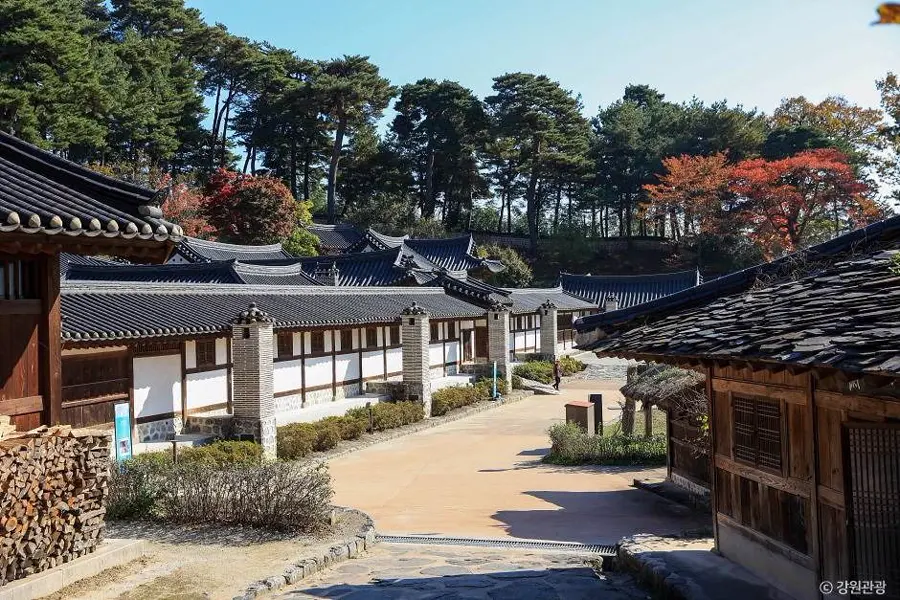
Trail anchor: Protect the confirmed coastal section and let every other stop remain optional.
Sea-view chapter: Use a short verified access route when the group wants atmosphere more than distance.
Weather-buffer base: Stay only when an overnight decision genuinely reduces a weather or transport constraint.
Accommodation and transport decision
| Stay shape | Choose it when | Trade-off |
|---|---|---|
| Day return | Choose this when current trail timing and the return connection are dependable. | Simple and cheaper, but a closure or delay has more impact. |
| Gangneung coast base | Choose a current room when early light, weather flexibility or a second coast chapter matters. | More recovery, but location, price, parking and check-in are to be checked. |
| Transit-first base | Choose lodging near the next confirmed rail or bus route rather than a vague sea-view promise. | Less scenic certainty, but better onward reliability. |
Field decisions before leaving
- Korea Tourism Organization Badabuchae Trail page — operating details and access are to be checked.
- Gangneung official English seasonal trail feature — operating details and access are to be checked.
- Gangneung city English tourism portal — operating details and access are to be checked.
- Trail operator information site — operating details and access are to be checked.
FAQ
Is the trail suitable for all walkers?
Not automatically. Check current surfaces, stairs, wind, warnings, distance and the group’s return ability.
Can I visit without completing the whole trail?
Yes, if the currently open section and a safe turnaround are confirmed; describe it as a short visit.
Does the trail open in every season?
Do not assume that. Official information notes weather, safety and operational closures, so check close to travel.
Should I stay overnight?
Only when a room solves a real timing, weather or onward-route problem.
Can I take cliff-edge photographs?
Follow current staff and safety rules, keep clear of edges and do not block other visitors.
What is the best weather?
Use the forecast and current warnings to decide; no season guarantees safe or clear sea conditions.
KriNavi decision card
Best use of this page: Gangneung Simgok Badabuchae-gil Route Decision: Coastal Trail or Sea View Stop?
Core judgement: Choose Gangneung Simgok Badabuchae-gil by coastal walking effort, geology, weather, entry checks, transport and a realistic stay.
Sources checked in this page: Source 1 · Source 2 · Source 3 · Source 4
This card only reorganizes sources already listed by the page. Recheck live hours, prices, service, and restrictions for the travel date.