
Gongsanseong is more rewarding when you decide how deep to walk before you start. Treat the gate, the higher wall, the Geumgang outlook and the old town as four connected but separate sections. In autumn, the best plan is not the longest circuit; it is the route that leaves enough time for the light, the slopes and the walk back to town.
- For a first look at the fortress, begin at the gate and read the wall before climbing.
- For autumn colour, place the higher viewpoint in softer morning or late-day light.
- With children or older travellers, select one raised section and return to town for lunch.
- After rain, pair a short wall walk with an indoor history stop instead of forcing a full circuit.
Start at the gate and read the ground
The character of Gongsanseong changes as you gain height. Near the entrance it is easier to pause, understand the direction of the wall and decide whether the group wants more climbing. Do not spend all your energy on the first photographs. Notice how much downhill walking will be required later, because that affects dinner and the return connection as much as the ascent.
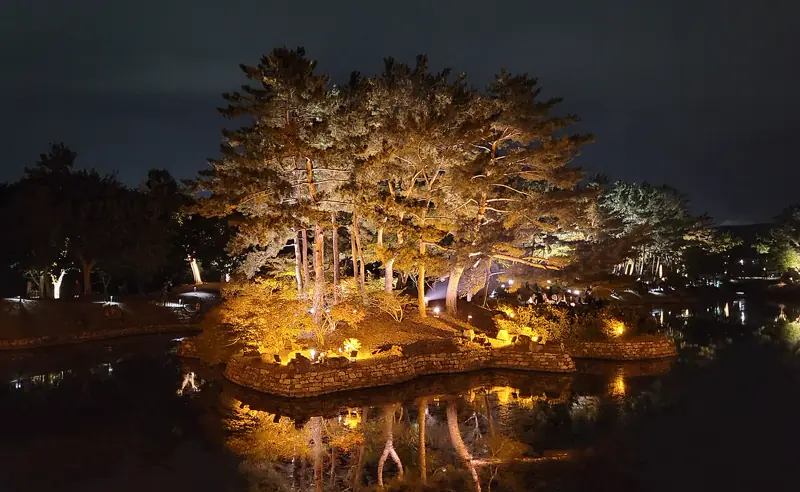
The wall opens the view, but it also catches more wind than the streets below. Autumn colour sits across the slopes and along the river. In hard midday light, stone and leaves can lose their depth; morning or late afternoon gives the wall a calmer texture. Stop often to look outward instead of treating every gate as a finish line.
Three useful walking depths
A short route works for a two- or three-hour stop, an arrival day or a group that does not enjoy repeated climbs. The gate, an early wall section and one river outlook are enough to understand Gongju. A medium route adds another viewpoint before dropping back to the old town for food. It gives variety without turning the afternoon into a test of stamina.
A deeper circuit needs a morning start and a firm return time. The path can feel longer than the map because people slow down at stone steps, bridges and photo points. Agree on the latest time to descend before anyone starts, and keep it even when the next autumn view looks tempting. The walk from the fortress to a meal or station is part of the day.
Spring, summer, autumn and winter
Spring has clear new leaves and comfortable walking temperatures, although shaded corners can stay cool. Summer places the most pressure on the exposed wall, so use the early hours, carry water and keep the high section short if the sun is strong. Autumn brings the richest contrast between stone, river and foliage, but popular viewpoints can slow the group; arriving early creates more quiet pauses.
Winter opens the river view and shortens the daylight. Cold stone, frost and a low sun argue for an earlier start and a conservative turnaround. After rain, test your footing at the first slick steps. If the wall is shining with water or wind makes the high edge uncomfortable, the lower route and old town are not a failed plan. They are the version that fits that day.
Let the old town finish the route
Leave time after the wall for a meal, a drink and an unhurried walk back through Gongju. The Geumgang view works well as a closing scene rather than a second race for the same sunset. Going to the river first and climbing later can feel hotter and more tiring, especially when the final slope arrives after everyone has already walked across town.
If you come from Daejeon or Seoul, arrival time decides whether the high wall will still have good light. When you reach Gongju late, choose the gate and lower sections, then keep the river or old town for the evening. A second day can hold another Baekje heritage stop without making the first afternoon carry the whole region.
Pick a base that protects tomorrow
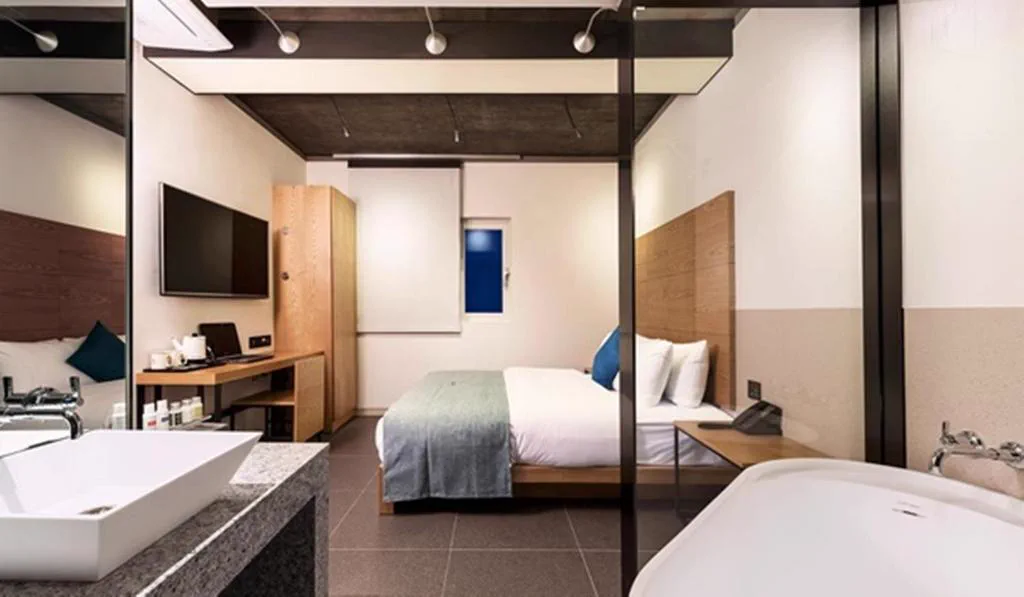
Gongju old town or the station area makes meals, luggage and the next transfer easier. Staying closer to the fortress saves the first movement and suits an early autumn start, but it may offer fewer late choices. If you have only one night, choose the base that matches the following morning, not simply the shortest first taxi ride.

Stay recommendation
Gongju old town or station area
A flexible base for food, supplies and a calm return after the wall walk.
Choose a stay baseKriNavi decision card
Best use of this page: Gongsanseong in Gongju: An Autumn Wall Walk That Leaves Room to Look Around
Core judgement: Plan Gongsanseong as a half-day wall and river route. This guide balances slopes, autumn light, four-season pacing, rain options and a practical Gongju stay.
This card only reorganizes sources already listed by the page. Recheck live hours, prices, service, and restrictions for the travel date.