
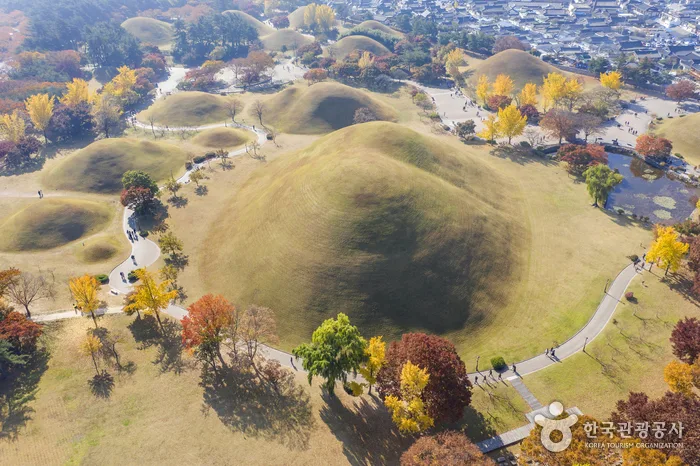
Bomun and central Gyeongju solve different problems. Bomun Lake works as a resort base: it gives you a slower morning, a waterside walk and an easier evening after a full day. Central Gyeongju works when the priority is an early start for historic streets, museums and clustered heritage sites. The Folk Craft Village deserves its own cultural block rather than being squeezed between every major ruin.
Pick the base in thirty seconds
- Choose Bomun: you want a lake walk, hotel facilities and a calm finish to the day.
- Choose central Gyeongju: you want to start walking among historic sites before the heat and keep dinner close.
- Choose one night in each: you have two nights, can handle luggage once and want both moods.
- Give the craft village a half day: you care about workshops, traditional houses and local objects more than another large landmark.
Bomun, the craft village and the historic centre are three different directions
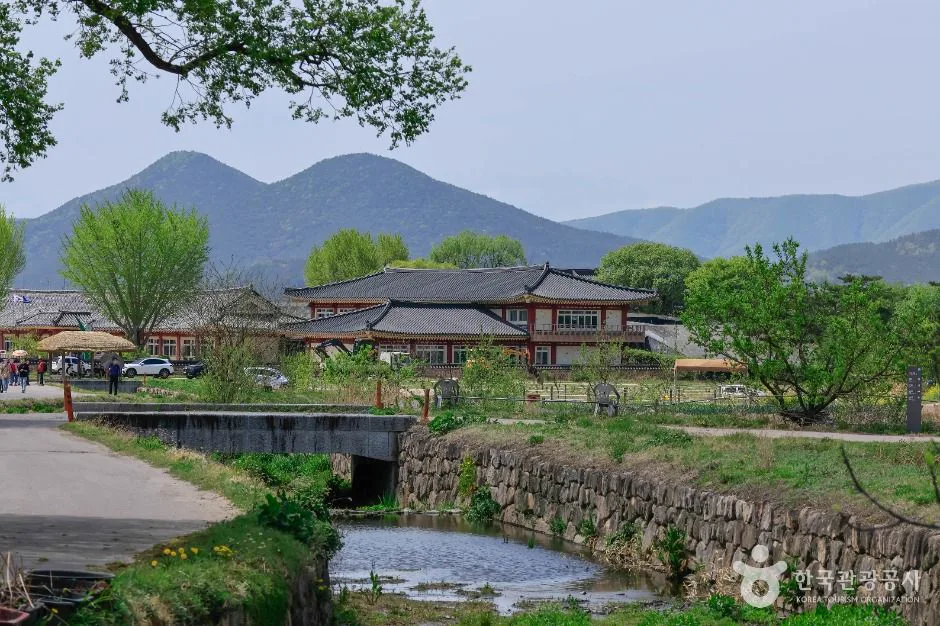
Bomun Lake is a broad resort district, not a single hotel entrance. A room, the lake path, a restaurant, an attraction and a bus stop may all be described as “Bomun” while requiring different walks or transfers. The Folk Craft Village sits on the eastern side of the city and has a different rhythm again: small workshops, traditional buildings and activities that may follow their own opening pattern. Central Gyeongju is denser and easier to use on foot, especially when the day is built around several historic stops.
That geography changes the value of a room. A Bomun base saves the evening transfer after a lake day, while a central base saves the morning road when the next day begins in the historic core. Moving between bases can work on a two-night trip, but only if the luggage handover and check-in window are treated as part of the itinerary. Do not make the craft village the final stop before changing hotels unless you have a simple exit and enough daylight.
Three workable two-night patterns
| Base pattern | Day shape | Why it works | Trade-off |
|---|---|---|---|
| Two nights in Bomun | Arrive, settle in and walk the lake; use the next day for the craft village and one eastern heritage stop. | Very little evening movement and a comfortable family pace. | Historic-centre mornings need a deliberate transfer. |
| One night central, one night Bomun | Start with the old town, move east through the craft village, then finish beside the lake. | Each night matches the next morning’s direction. | One luggage move and two different dinner areas. |
| Two nights central | Keep the historic core on foot; make the craft village a planned half-day and use Bomun only when the route supports it. | Efficient for dense heritage walking and public transport connections. | You lose the easy lake-side evening unless you deliberately stay late. |
How to give the Folk Craft Village enough time
Start with the village itself: look at the relationship between the traditional houses, workshops and working spaces before deciding what to buy. Then choose one or two craft themes rather than trying to visit every shop. A pottery, woodwork, textile or metalwork visit has a different pace from a quick souvenir stop. If a workshop is important, arrange it as its own appointment; otherwise build a visit that still works when a studio is closed or an activity is unavailable.
The village is more rewarding when you do not arrive exhausted from a full morning of distant sites. Pair it with nearby eastern Gyeongju places, take lunch in the same direction and return to the chosen base before the group loses patience. Large objects may need special handling, and a handmade item may not be ready to carry immediately. Leave space for packaging, payment and a return journey rather than treating the final purchase as a ten-minute add-on.
Spring, summer, autumn and winter change the base
Spring
Bomun is attractive for an early lake walk when blossom crowds build later in the day. A Bomun stay can save the first morning drive, while central Gyeongju remains stronger for a day of historic streets. Put the craft village outside the busiest blossom loop and keep the afternoon flexible.
Summer
Heat changes the value of a hotel with a useful room, pool or indoor rest area, but those facilities must be checked with the property. Start historic walking early, move to the craft village after a break and use the lake in the cooler evening. Thunderstorms can turn a long outdoor transfer into the wrong final plan.
Autumn
Comfortable walking weather supports the craft village and the historic core, yet weekends can fill roads and dining rooms. Bomun gives a calmer night after a busy day; central Gyeongju keeps early heritage starts efficient. Choose the base according to the next morning, not only the colour you want to photograph.
Winter
Short daylight makes the village and outdoor heritage stops better in the morning or early afternoon. Bomun can feel peaceful, but wind around the lake and earlier darkness reduce the value of a late walk. Central Gyeongju is often the easier base when dinner, indoor stops and a quick return matter.
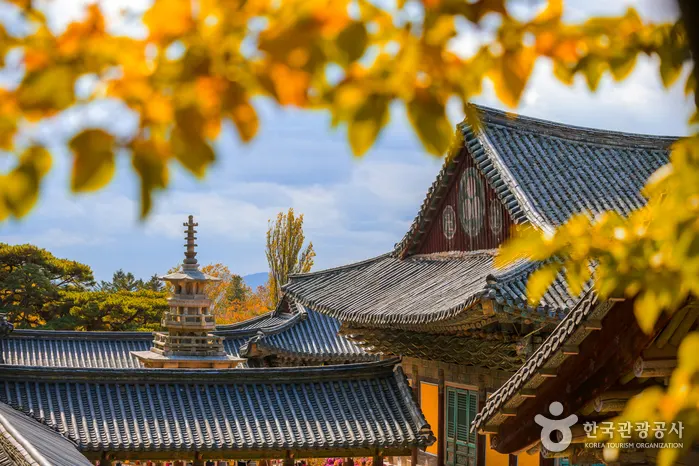
Transport without turning the trip into a timetable test
Public transport is useful when the route is grouped by direction. Check the actual stop for the hotel, the village entrance and the historic district rather than using “Bomun” or “downtown” as if each were one point. A bus that connects the areas can still leave a substantial walk at either end. If the day includes a reservation or an evening train, leave a buffer for boarding, traffic and the final walk.
Driving makes the craft village and eastern heritage sites easier to combine, but parking and event-day traffic still belong in the plan. The driver should not be asked to cross the whole city after a long day just to reach a late restaurant. A taxi is useful for one awkward connection; it is less useful as a substitute for deciding which base the itinerary actually needs.
Hotel choices that save something real
Match the hotel to the next morning
Lahan Select Gyeongju
Choose it when Bomun Lake, a slower evening and time to recover are part of the trip. The location supports an early lake walk and lets a family return to the room after the craft village or an eastern heritage day, instead of crossing back to the city for every break.
See Bomun-area staysGyeongju GG Hotel
Choose it when the next day starts with central history, early museum access or a dinner plan in the old town. It saves the repeated Bomun-to-centre transfer and keeps the final evening practical for travellers leaving by train or moving on to another city.
See central Gyeongju staysBomun for lake-side recovery; central Gyeongju for early heritage walking and an easier exit.
A simple day plan that leaves room for discovery
For a Bomun-based trip, use the first evening for the lake and keep the following morning for the craft village or the eastern side. Eat in the same direction before returning. For a central base, use the first full morning for the historic core, rest at midday and make the craft village the afternoon chapter only when transport and daylight support it. If the group still wants Bomun, let the lake be a short stop rather than a second full itinerary.
Leave one unassigned block on each day. A studio may invite a longer conversation, a child may need a break or a bus may make the next transfer slower than expected. That empty block is what lets the trip feel local instead of like a checklist. Remove the farthest stop first when time slips; do not remove food, rest or the return buffer.
What to check before the visit
- Which hotel facilities, restaurants and check-in times are available for your dates.
- Where the bus or taxi actually drops you for the craft village and how far the entrance is on foot.
- Whether a workshop, studio or exhibition you care about is open and requires a booking.
- How early darkness, heat, rain or blossom traffic changes the final transfer.
- Whether luggage can be moved between bases without consuming the best part of the day.
Questions travellers ask
Is Bomun better than central Gyeongju?
Neither wins every trip. Bomun is better for a lake-side evening and recovery; central Gyeongju is better for dense historic walking and early starts. Let the next morning decide.
Can the Folk Craft Village be a quick stop?
It can, but a quick look misses the reason to go. Allow time to see the working spaces, choose a craft focus and handle a purchase without making the village compete with a distant landmark.
Should I change hotels on a two-night trip?
Do it only when each night removes a substantial transfer. One move can be worthwhile when the first morning is central and the second morning is Bomun, but keep luggage and check-in realistic.
What is the best season?
Spring favours an early lake walk, summer rewards a cooler schedule, autumn is comfortable for walking and winter needs earlier outdoor timing. The best base changes with the day you want to protect.
KriNavi decision card
Best use of this page: Gyeongju Bomun and Folk Craft Village: Where to Stay by Season
Core judgement: Decide between a Bomun Lake base and central Gyeongju when folk craft, historic sites and four-season timing all compete for the same days.
This card only reorganizes sources already listed by the page. Recheck live hours, prices, service, and restrictions for the travel date.