
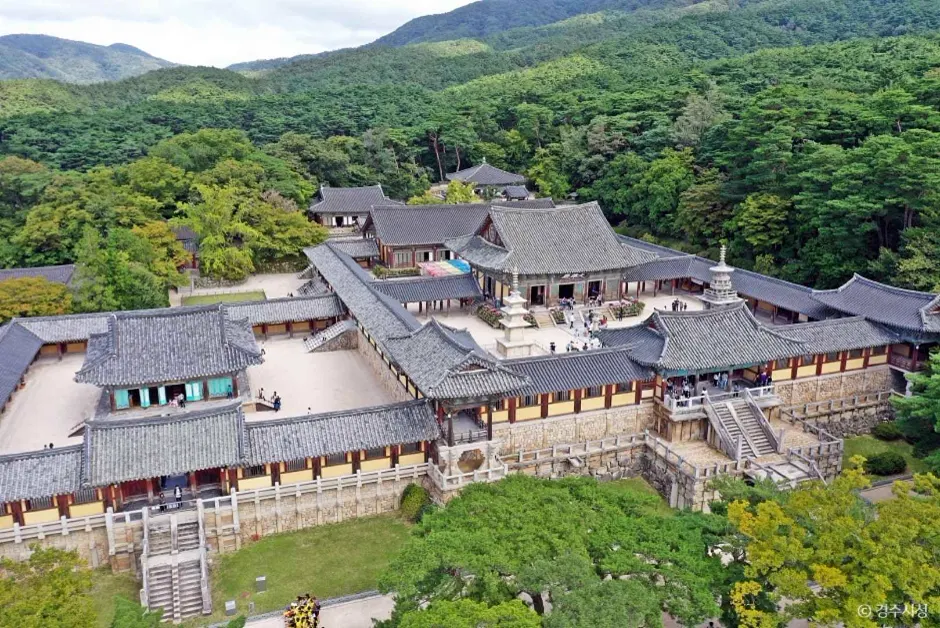
Short answer: choose Bomun as a base when the lake, resort facilities, family convenience and a relaxed evening matter most. Choose downtown when dense heritage, food and walkable night decisions outweigh a resort setting. Use the Folk Craft Village as a focused foothill chapter rather than assuming it is interchangeable with either base. A split stay can work for longer trips, but for a short visit the best base is the one that protects the season’s main experience and reduces daily cross-town friction.
- Bomun base: you want a lake walk, resort facilities, family activities and a calmer return after a full heritage day.
- Downtown base: you want dense historic sites, food, evening movement and fewer decisions about returning from the central core.
- Craft-village chapter: you want traditional houses, craft displays or making and can accept a foothill transfer and current opening checks.
- Split stay: you have enough nights to move rooms without sacrificing a major sightseeing block or adding avoidable packing friction.
What is the real Gyeongju choice?
Gyeongju’s Bomun Tourist Complex and downtown heritage areas are often described as if one hotel can serve every plan equally. In practice, Bomun is a lake-centred resort district east of downtown, while the Folk Craft Village sits in a foothill setting with traditional craft and nearby heritage associations. Downtown offers a different density of tombs, museums, old streets and evening food. The right base depends on when you travel, who is travelling and how much daily transfer you are willing to buy.
Official Gyeongju and Korea Tourism Organization material describes Bomun Lake, its walking and leisure setting, and the Folk Craft Village’s traditional craft context. Hotel prices, bus routes, lake activities, village workshops, opening hours, events, seasonal access and weather-sensitive services are to be checked. Do not treat an old route, retired activity or past event as current simply because it remains in a travel article.
Which route shape fits your group?
| Route | Choose it when | Suggested sequence | What you give up |
|---|---|---|---|
| Bomun seasonal base | Lake walks, resort amenities and a calm family return are the priority. | Sleep near Bomun, use the lake as a morning or evening anchor, then choose one heritage corridor per day. | Downtown meals and historic night walks require a transfer and the district can feel separated from old Gyeongju. |
| Downtown heritage base | You want dense sites, food and flexible historic walking. | Stay central, start early for major heritage areas, then add one Bomun or craft-village chapter only when transport fits. | The lake resort atmosphere and easy leisure facilities are less immediate. |
| Folk Craft Village day | Craft, traditional buildings and a foothill setting are the day’s specific purpose. | Check the village and nearby venue hours, allow a focused visit, then return to the chosen base before adding another far stop. | Workshops and displays may not operate every day, and the location is not a universal base. |
| Split-base stay | You have enough nights and a strong reason to change the rhythm. | Use downtown for dense heritage, then Bomun for lake recovery or family leisure, with luggage and check-in buffers. | Moving rooms costs time, money and energy; a short trip may not repay the split. |
Why Bomun is a base decision, not just an attraction
Bomun Lake gives a stay a visible centre. A morning or evening walk can make the hotel feel connected to the destination, and the district groups leisure and resort facilities in a way that can help families or travellers who want a slower return. Check the current walking route, lake activities, hotel shuttle, bus stop, parking, restaurants and weather arrangements. A large district may still require transport between its parts.
Bomun can also hide the cost of leaving. A visitor who wants downtown tombs, museums, traditional streets and late food may pay for repeated transfers or accept an early last connection. Write one heritage corridor per day and ask whether the group values a resort evening enough to pay that cost. Current bus intervals, taxi availability, road congestion, event crowds and lake services are to be checked.
For families, older travellers or people recovering between long sightseeing days, Bomun’s ability to provide a short local walk can be decisive. For a solo traveller who wants spontaneous food and historic night streets, that same distance may feel like a constraint. The base should match the time after the main sight, not only the photograph before it.
What the Folk Craft Village adds
Gyeongju Folk Craft Village is a specific cultural chapter, not a substitute label for every traditional village in the region. Official tourism information describes traditional houses, craft production, sales and possible hands-on experiences, with nearby heritage attractions. Check current artisans, shops, museum or studio openings, workshop reservations, language, fees and photography rules before making a detailed promise.
The village works best when visitors give it a question: how do material, form and place shape an object; what is a working craft space rather than a decorative backdrop; or how does a foothill setting change the route? A short focused visit can be more respectful and useful than trying to buy or photograph everything. Keep private or working areas separate from public visitor space.
Because the craft village is not the same as Bomun lakefront or downtown, treat it as a half-day or deliberate chapter. Combine it with one nearby confirmed stop only if the road, parking, bus and closing time work. Do not assume a workshop is available because the village is open; those are separate facts to check.
Seasonality changes the value of each base
Spring can make Bomun’s lake walking and blossom atmosphere attractive, but demand, traffic and hotel pricing may rise. Downtown may reward early heritage starts before crowds, while the craft village can become a calm contrast if its current facilities are open. Check blossom timing, events, parking, hotel prices, bus capacity and opening hours rather than promising a colour peak.
Summer shifts the decision toward heat management. Bomun can offer an early lake walk and a return to cooling facilities, while downtown requires deliberate shade, indoor museum timing and meal breaks. The craft village’s foothill setting may feel different from exposed midday streets, but the transfer and programme still need checking. Storms can change lake activities and roads.
Autumn often supports longer heritage days and a strong contrast between downtown history and Bomun evenings. Demand around foliage and events can make parking and rooms harder. Winter rewards a base with the right indoor recovery and shorter transfers; cold, wind and reduced hours may make an ambitious craft-village plus lake loop poor value. Every seasonal claim remains a planning direction, not a guaranteed condition.
A seasonal base is successful when the group can recover without giving up the reason it came. Check the exact sunrise, sunset, weather warnings, event calendar, hotel cancellation, transport, heating or cooling, and the final return after each day’s main corridor.
Seasonal trade-offs in Gyeongju bases
| Season | What becomes attractive | What becomes harder | Check before committing |
|---|---|---|---|
| Spring | Bomun lake walks, blossom viewing and a comfortable craft-village or downtown contrast can all fit with early starts. | Crowds, hotel demand, traffic and event schedules can punish a base that requires repeated crossings. | Check blossom timing, room prices, events, parking, bus capacity, village hours and rain. |
| Summer | Bomun can support early lake time and a family recovery block; downtown museums protect the hottest hours. | Heat, humidity, storms, crowds and lake activity suspensions change the day’s order. | Check heat and lightning warnings, cooling, indoor hours, lake services, transport, water and shade. |
| Autumn | A downtown heritage base plus a Bomun evening or craft-village chapter can create strong seasonal contrast. | Foliage weekends, events, shorter light and accommodation demand increase friction. | Check traffic, event controls, sunset, hotel availability, village programmes, parking and last transport. |
| Winter | A central hotel or a well-supported Bomun stay can reduce outdoor exposure and make indoor heritage planning easier. | Cold, wind, closures, reduced activities and slippery foothill approaches can undermine a split route. | Check heating, hotel services, opening hours, road conditions, lake access, village operation and daylight. |
Five positive evidence signals
- The group chooses its base by the season’s main need: lake recovery, dense heritage, craft focus or a justified split stay.
- Daily routes use one corridor and include the return, meal, weather and energy cost of leaving the base.
- Bomun lake activities, bus or shuttle, hotel services, village workshops, exhibitions, events and hours are checked for the exact dates.
- The Folk Craft Village is treated as a specific cultural place with its own opening and workshop evidence, not generic scenery.
- The plan remains satisfying if a lake activity, event, workshop or scenic condition is unavailable.
Five negative evidence signals
- The article calls Bomun and downtown equally convenient without stating which transfers the group must make each day.
- A spring blossom, lake ride, craft workshop or seasonal event is promised without date-specific evidence.
- The Folk Craft Village is added as a quick stop after a full downtown-and-Bomun loop, leaving no time to understand it.
- A split stay is recommended for one or two nights without counting packing, check-in, luggage and lost sightseeing time.
- The base offers no evening meal, indoor recovery or final transport plan for the chosen season.
Three practical route shapes
Bomun recovery base: Use the lake and resort district as the daily reset, then choose one downtown or craft corridor instead of crossing the city repeatedly.
Downtown first: Stay close to dense heritage and food, use early starts, and reserve one deliberate Bomun or Folk Craft Village chapter when transport and daylight work.
Seasonal split: For a longer stay, put the high-density heritage nights downtown and the lake recovery nights in Bomun, with a real luggage and check-in buffer.
Keep the route honest
Gyeongju does not need a universal best base. Bomun is a lake-and-recovery decision, downtown is a density-and-evening decision, and the Folk Craft Village is a specific cultural chapter that deserves its own time. Choose the base that protects your season, check current rooms, routes, hours, programmes and weather-sensitive services, and let a cancelled activity remove one clause rather than break the whole trip.
Two seasonal bases that solve different days
Lahan Select Gyeongju
Choose Lahan Select Gyeongju when Bomun Lake, a slower resort evening and a family-friendly reset are the centre of the stay. It keeps the lake chapter close and makes a summer or winter day less dependent on returning to downtown after dark.
See the Bomun baseGyeongju GG Hotel
Choose Gyeongju GG Hotel when the next day is built around Hwangnidan-gil, the museum or the old bridge district. It saves repeated cross-city transfers and is the more useful base when the resort is only one seasonal chapter.
See the downtown baseStay by Bomun for lake time; stay central when heritage walking starts early.
FAQ
Is Bomun better than downtown for a first Gyeongju visit?
It depends on whether the group values lake recovery and resort convenience or dense heritage, food and evening walking. Compare the actual transfers, return time, room cost and seasonal weather. There is no universal winner; check current buses, taxis and hotel availability.
Can I stay in Bomun and visit the Folk Craft Village?
Often the geography can support a focused visit, but exact routes, buses, parking, village hours, workshops and nearby attraction access need checking. Treat it as a deliberate half-day chapter rather than a guaranteed quick stop.
Is the Folk Craft Village open every day?
Do not assume. Visitor facilities, studios, exhibitions and workshops may have different schedules. Check the official or current tourism information for the date, including language, fees, reservations and photography rules.
How many nights justify changing bases?
A split may make sense when you have enough nights to gain a real Bomun recovery block and a real downtown heritage block. Count luggage, check-in, transport and lost time. For a short stay, one base with deliberate corridors may be more comfortable.
Does Bomun Lake have activities all year?
Lake walks and district facilities may be available, but individual boats, rides, events and programmes can be seasonal or weather-sensitive. Check the current operator and weather notices; do not rely on an old list.
What should I verify before booking?
Check seasonal room availability and cancellation, base-to-site transfers, buses or shuttles, lake services, Folk Craft Village hours and workshops, events, museums, meals, weather, heating or cooling and the final return. Mark variable details as to be checked.
Give Bomun different weight in each season
Bomun Lake, the Folk Craft Village and central Gyeongju do not move at the same speed. In spring, put flowers and craft in the morning and the lake later. In summer, reserve the lakeside for early or late hours and use the room or indoor culture at midday. Autumn supports a longer lakeside walk, but sunset and crowding must stay in the plan. Winter works better with a short outdoor section and an early return to the room or a central museum; do not force one full loop through every month.
For a restorative trip, two nights in Bomun can connect breakfast, lake and craft without another crossing. If the next morning is tombs, the museum or Woljeonggyo, a central room protects the early start. Choose between bases by luggage, dinner, the return and the next first stop, not only by minutes to the lake.
Split the craft village from the heritage circuit
The Folk Craft Village rewards a slow look at workshops, making and village space. Do not force it into the same afternoon as several distant heritage sites. A companion who only wants a walk can stay by the lake or room while the culture-focused traveller extends the village, then meet for dinner. If rain or a closed workshop changes the day, a museum, indoor tea or central heritage chapter can take over.
Bomun works as an ancient-city base when foliage, water, craft, heritage and rest each receive a complete half-day. One clear anchor and one removable extension save the group more transfer and energy than another pin on the map.
KriNavi decision card
Best use of this page: Gyeongju Seasonal Base Decision: Bomun Lake, Folk Craft Village, or Downtown?
Core judgement: Choose a Gyeongju seasonal base by comparing Bomun Lake resort convenience, Folk Craft Village and downtown heritage access with realistic route trade-offs.
This card only reorganizes sources already listed by the page. Recheck live hours, prices, service, and restrictions for the travel date.