
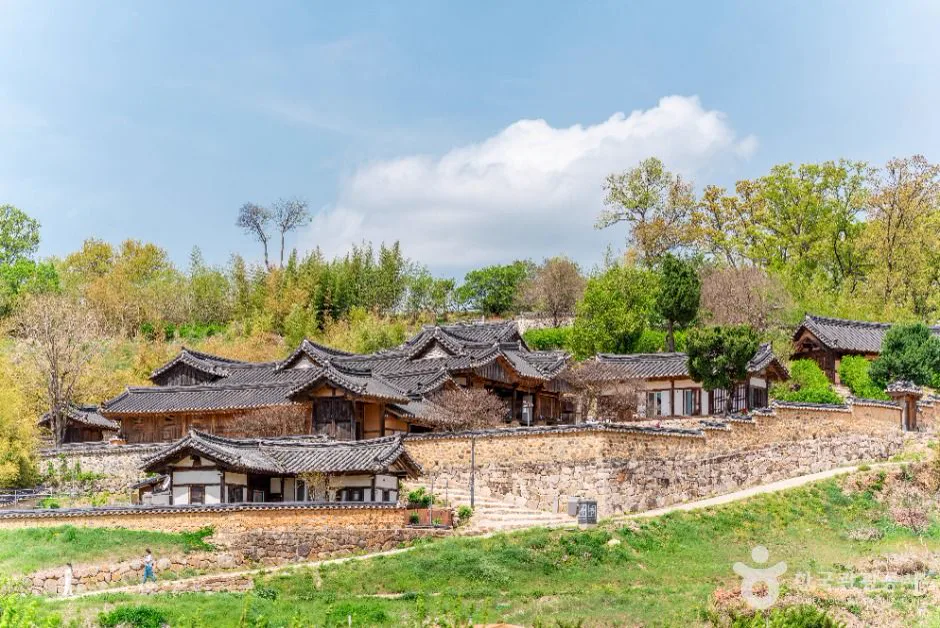
Yangdong Village is worth a Gyeongju visit when you give the detour a real half day. This is a lived historic landscape rather than another compact old-town photo stop. Hills, homes, lanes and the ride out all affect the pace. Start by deciding whether your group wants rural architecture and terrain, then protect the return instead of squeezing the village between every central sight.
Why the detour matters
The village explains a different layer of Gyeongju: houses sit with the slope, views open and close, and the distance between buildings is part of the story. Arrive with one question, such as how the settlement uses land or why the upper houses command a view. That gives the walk shape. Counting every house produces a longer day without a clearer experience.
Transport and arrival
Compare a local bus, taxi and car from central Gyeongju. A bus keeps the trip simple but requires a departure window and a patient return. A taxi saves a connection but still leaves the village walking and hills. A car offers flexibility while adding parking, loading and the need to avoid rushing back on an unfamiliar road. Leave luggage at the room before making the detour.
On arrival, find the entrance, toilets and a clear meeting point. Begin with the lower settlement, then decide whether the group has energy for the upper lanes. Do not make the highest house the only finish. The return slope can feel longer after a warm afternoon, especially for children and older travellers.
Four seasons
Spring brings new leaves and gentle light; keep the route moving between shaded and open sections. Summer heat builds on the slopes, so start early, carry water and take a long indoor or shaded lunch before the return. Autumn colour makes the landscape attractive but can slow parking and narrow lanes on weekends. Winter has clearer views and shorter daylight; finish the farthest section while the surface is easy to read.
Rain and a shorter version
Rain turns the village stones and slopes into the main decision. Use the lower road, one courtyard and a covered rest rather than forcing every upper lane. If the shower strengthens, return to central Gyeongju for the museum, a meal or a shorter heritage walk. The village remains worthwhile when the route is reduced to the parts the group can actually see without slipping.
Accommodation reason
A central old-town base makes the village a deliberate half-day outing while keeping dinner, luggage and the next heritage cluster easy. A station-side base helps if the following morning is an early departure, but adds a transfer each way. Staying near an outlying sight may look efficient on a map and still leave poor food and evening choices. Choose by the next morning and the number of transfers the group can tolerate.
A useful Yangdong day
- Leave bags, confirm the transport direction and set the latest return.
- Walk the lower village first, then choose whether the upper slope fits.
- Take a long meal or rest before the return rather than extending by habit.
- Finish in central Gyeongju or the room with enough energy for tomorrow.
Open Gyeongju stay choices before fixing Yangdong Village in the itinerary. Check the day's access, weather and transport, then let the terrain decide the walking length. The detour succeeds when the village feels distinct and the rest of Gyeongju remains possible.
Choose a base that absorbs the Yangdong transfer and protects dinner and the next morning.
Tags
KriNavi decision card
Best use of this page: Yangdong Village: decide whether the detour is worth a Gyeongju day
Core judgement: A practical Yangdong Village plan covering the detour, seasons, walking effort, transport and a useful Gyeongju base.
This card only reorganizes sources already listed by the page. Recheck live hours, prices, service, and restrictions for the travel date.