
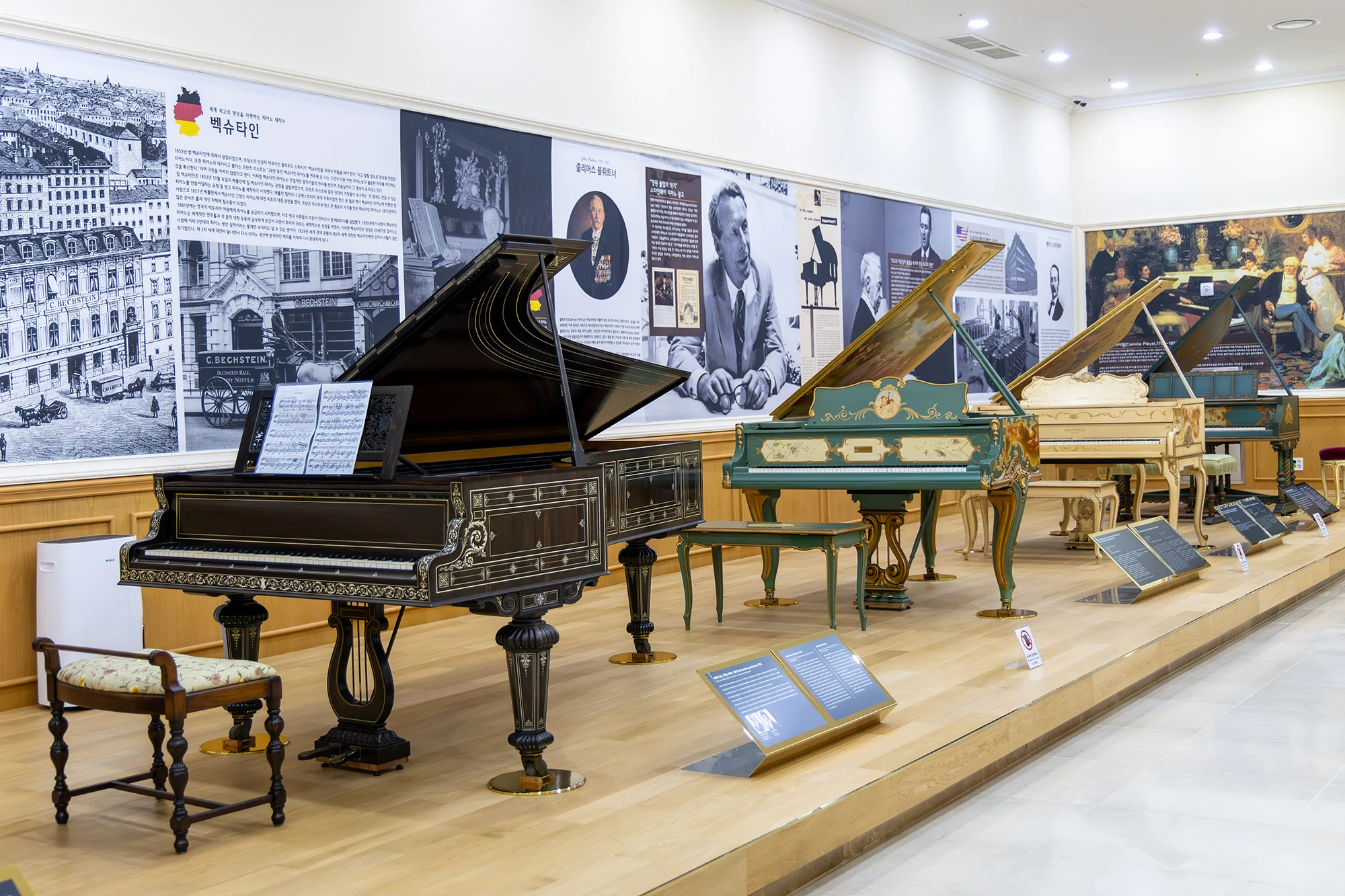
Short answer: Hongseong is easier to understand when you choose the scale of the day. Use Hongjuseong Fortress and the Hongju History Museum for a concentrated history route; choose a confirmed Naepo Culture Forest Way section when walking, memory and regional pilgrimage are the point; add living cultural venues only when the transfer supports the same story. Guide availability, hours, trail conditions, programmes and transport are to be checked.
- Fortress and museum: keep the route compact and source-led when your group wants chronology, documents, people and a manageable walking loop.
- Naepo walking: choose a confirmed section and read the landscape respectfully, especially where religious memory or martyrdom is part of the story.
- Living culture: connect history to a current programme, market, cultural venue or meal only when it is genuinely open and not a decorative detour.
- Short or wet day: protect the museum and one fortress chapter; leave a longer regional trail for another visit.
What is the real choice?
Hongseong becomes clearer when Naepo is treated as a regional network rather than a single photo stop: Hongjuseong and its history museum anchor the story, the Naepo Culture Forest Way adds movement and memory, and local cultural life tests whether the route remains connected to the present. A first-time visitor has one Hongseong day and wants history without reducing Naepo to a fortress checklist or treating a pilgrimage landscape as a generic hike. The route is an editorial decision about attention, effort and evidence. Current access, weather, transport and facilities are to be checked.
Route and decision table
| Route | Choose it when | Suggested sequence | Trade-off |
|---|---|---|---|
| Concentrated anchor | Your group wants one interpretable place with low transfer risk. | Start with the main evidence site, then add one closely related chapter. | You leave a broader regional route for another day. |
| Contrast route | The group can handle a second chapter and has a weather-aware buffer. | Move from fortress and museum evidence to one documented Naepo or cultural chapter. | Transfers, queues and changing conditions consume attention. |
| Depth route | Your group has stamina, daylight and a shared turnaround rule. | Take one confirmed regional trail section rather than trying to connect every named site. | A late return or fatigue can erase the final chapter. |
| Weather-safe short day | Rain, heat, wind, cold, mobility or a late start narrows the plan. | Keep the most controllable confirmed indoor or compact chapter and retain a short outdoor look only where safe. | The broadest landscape or longest trail remains for a better window. |
Naepo is a network, not one attraction
Naepo reaches across a regional landscape of towns, routes and cultural memories. A Hongseong visit therefore has a scale problem: a single fortress cannot represent every regional connection, but a day that tries to cross the whole area can lose the ability to interpret any one place. Start with the question your group wants answered—how Hongju functioned, how people moved and believed, or how the region is remembered now.
The Hongju History Museum inside or beside the fortress setting can anchor a compact route, while official material about the Naepo Culture Forest Way offers a wider walking and pilgrimage frame. Exact opening hours, guide reservations, route sections, signage, transfers, accessibility, current programmes and closures are to be checked. Do not present a regional trail as one continuous, effortless loop without confirming its current division.
A good itinerary names what it leaves out. If the day is fortress-led, say that the Naepo landscape is represented through one documented chapter. If it is trail-led, say that a museum deep dive is limited. Honesty creates more useful expectations than the phrase “see everything.”
Use Hongjuseong to establish evidence and power
A fortress walk can be visually impressive, but walls alone do not explain who governed, who lived nearby, who was excluded or how the place changed. Pair the physical edge with the museum’s documents, models, names and local interpretation. Look for relationships between gate, wall, administrative space, street and later civic use rather than treating each surviving element as an isolated relic.
Hongseong’s historical memory includes figures, conflicts, religion, local administration and modern resistance. Use official interpretation for names and dates, and do not compress complex lives into hero slogans. Museum exhibits, audio, language support, photography, opening, admission and any guide schedule are to be checked. If a room is closed, preserve the question but remove the claim that you saw its evidence.
The fortress-and-museum route suits mixed groups because the walking can be short and the historical depth can be adjusted. Set a meeting point, a shaded or indoor pause and a time to leave. A person who needs less walking should not be made to wait outside while others chase a distant wall.
Walk Naepo with cultural care
Naepo walking routes can carry religious and memorial meanings as well as landscape value. A pilgrimage section is not simply a scenic trail with a historical caption. Explain why the route matters, follow quiet or photography guidance and let the group decide whether it wants a devotional, historical or landscape reading.
The Korea.net account of Naepo’s Catholic heritage describes a regional pilgrimage route connected with Hongju martyrdom sites. That source supports a careful historical frame, not a promise that every named point is open, signposted or easy to reach today. Confirm the current route, hours, reservations, road access, facilities, private boundaries and etiquette. Do not enter a sacred or memorial space as if it were a photo prop.
Walking can reveal distance and rural context that a museum cannot, but it also demands time, weather tolerance and a return plan. Choose one confirmed section. If the group is not ready for the physical or emotional weight of a memorial route, use the museum and fortress as the main day and acknowledge the wider story without pretending to complete it.

Make present-day culture part of the decision
History remains useful when it helps visitors notice how a place is used now. A current cultural programme, local market, performance, craft space or meal can show continuity and change, but only when the venue and programme are real on the day. The Hongju Cultural Tourism Foundation provides a useful official starting point for current cultural activity; events, dates, language support and reservations remain to be checked.
Do not attach a generic cafe or festival to a historical route simply because it photographs well. Ask whether the present-day stop gives the group a way to listen, eat, make, watch or converse locally. A current activity may be seasonal, capacity-limited or cancelled. Treat it as an option with a verified fallback.
The best local-culture choice often improves the return rather than extending the route. A meal near the confirmed final stop, a short cultural programme or a quiet street can help the group leave with a contemporary impression. Keep the regional journey modest enough to support that pause.
Seasonal trade-offs
| Season | What becomes attractive | What becomes harder | Check before committing |
|---|---|---|---|
| Spring | Moderate walking can support fortress and one Naepo chapter. | Rain, maintenance, school groups or shifting access can alter the route. | Check current notices, hours, weather, trail or shore conditions and transport. |
| Summer | Longer light can support a trail section and an evening cultural option. | Heat, humidity, storms, crowds, slippery surfaces or wind raise the cost. | Check warnings, shade, water, indoor cooling, last entry, road access and return. |
| Autumn | Fortress walls, museum context and a trail chapter can feel measured. | Events, weekend demand, shorter daylight or closures can compress the day. | Check calendars, sunset, parking, crowds, facilities and the final transfer. |
| Winter | A focused museum-and-fortress route can avoid an overlong open-air day. | Cold, ice, early darkness, wind and seasonal closures reduce flexibility. | Check warnings, daylight, heating, access, footwear, food and public transport. |
Five positive evidence signals
- The group can state which experience is the anchor and what it is willing to give up.
- The route uses official interpretation or a confirmed landscape relationship instead of a list of attractive pins.
- Hours, access, transport, weather, facilities and any reservation or closure risk are checked close to travel.
- The itinerary includes a shorter version, a rest point and a safe final return for the least confident traveller.
- If one variable changes, the remaining route still answers the original decision question.
Five negative evidence signals
- The plan depends on a named site, trail, programme, view or facility without checking its current status.
- The route treats a memorial, sacred place, fossil site or historic structure as a neutral photo backdrop.
- A long transfer or exposed section is hidden inside a vague promise of a “nearby” second attraction.
- The itinerary assumes every traveller has the same stamina, mobility, weather tolerance or interest.
- The final return, food, toilets, daylight and bad-weather choice are missing or left to improvisation.

Three practical route shapes
Anchor then contrast: protect the main Hongju chapter, then add one related environment only if the current conditions support it.
Field decisions before leaving
Hongseong is a good place to distinguish “history encountered” from “history completed.” A fortress wall can be encountered in a few minutes; the social and religious histories around it cannot be completed in a day. Use a question card—who is speaking, what evidence remains, and what is absent—to keep the visit open. That is especially valuable when a memorial or pilgrimage chapter could otherwise be reduced to a dramatic anecdote.
For a family or multilingual group, let the museum carry the vocabulary and let the streets carry the scale. Children can trace a wall, compare an old map with the present town or notice how a gate changes movement. Adults can read longer context at the same time. Check language labels, current audio or guide support and the availability of seating rather than assuming every display is equally accessible.
If transport between a fortress, trail section and cultural venue is awkward, simplify. Naepo is not made more meaningful by a chain of rushed transfers. Choose one compact Hongju chapter and one wider regional question, then leave the rest as a reason to return. Recheck hours, guides, trail conditions, programmes, weather, food and the final return before departure.
Use a final decision audit for this Hongseong Naepo Route Decision: Hongju Fortress, Pilgrimage or Living Culture day. Write down the experience the group would protect if weather or access changed, the transfer that must be checked, the stop that can be removed, and the place where everyone can rest and leave safely. If the proposed route depends on a particular opening, event, view, fare, service, season, operator or surface condition, keep the claim conditional until a current source confirms it. Give travellers with different pace, mobility, dietary, language or comfort needs a real option, not a footnote. A route earns its place when it still makes sense after one variable changes. Keep the distinction between what official material establishes and what remains to be checked, and let the day finish before fatigue turns a meaningful landscape into a rushed obligation.
FAQ
Is Naepo one attraction in Hongseong?
No. Treat it as a regional cultural network. Choose a compact Hongju chapter or one confirmed Naepo route section rather than promising the whole region.
Should I start at Hongjuseong?
Start at the fortress and history museum when you want chronology and a controlled walking day. Choose the trail first only when the regional landscape is the priority.
Is a Naepo pilgrimage route just a hike?
No. Some sections carry religious and memorial meaning. Follow current etiquette, access and photography guidance.
Can I add a festival or cultural programme?
Only when the current date, venue, capacity and language or booking details are confirmed. Keep a non-event fallback.
What if the trail is too long?
Use the museum and one fortress chapter, or choose a shorter confirmed route section. Do not force a regional connection through fatigue.
What should I check?
Check museum hours, guide reservations, trail status, transport, programmes, weather, food, facilities and the final return.
KriNavi decision card
Best use of this page: Hongseong Naepo Route Decision: Hongju Fortress, Pilgrimage or Living Culture?
Core judgement: Plan a Hongseong Naepo route around the regional story of Hongju, fortress history, pilgrimage and living culture instead of one isolated landmark.
This card only reorganizes sources already listed by the page. Recheck live hours, prices, service, and restrictions for the travel date.