
Plan Jecheon Cheongpung Lake and the mountains around one clear priority. The area looks like a single scenic district on a map, yet the day is shaped by winding roads, separate entrances, boarding queues, parking, short climbs and the time needed to get back. Make the lake view or the mountain walk the main answer. Keep the other one as a compact supporting chapter that can disappear when weather or energy changes.
Choose the route in thirty seconds
- Choose the lake view: Put one confirmed high viewpoint or mountain transport first, then descend for lunch and a short waterside stop.
- Choose the mountain: Start with a walk that has a known turnaround, and let the lake become a calm finish rather than another transfer.
- Choose the return: If you have a train, a hotel move or a late connection, stay near the easiest exit and keep the day low-friction.
- Choose a one-night base: Sleep near Cheongpung when an early lake departure matters; sleep in Jecheon when food, the station and the next city matter more.
Why the map makes this route look easier than it is
Cheongpung Lake is a wide reservoir landscape, not a compact attraction street. A cable car, monorail, lakeside heritage stop and mountain trail may all carry the same destination label while sitting behind different roads and access points. The transfer from a parking area to a ticket counter is still part of the trip. So are the walk after a ride, the time spent finding lunch and the drive back after a long descent.
A high viewpoint gives the reservoir a useful shape: ridges, water and settlements become one picture. A mountain route gives a slower sense of slope, forest and changing light. A lakeside route gives the most control over pauses and early exits. None of these is automatically the “complete” version. The right version is the one your group can enjoy without making the final return a race.
Three route shapes that hold together
| Route shape | Sequence | Best for | Leave out |
|---|---|---|---|
| View-first Cheongpung | Leave Jecheon, reach one high viewpoint early, take the main view, eat nearby, then make one short lakeside stop. | First-time visitors who want the relationship between the reservoir and the mountains. | A second high ride, a long trail and a distant craft stop. |
| Mountain-first day | Reach the trail in the morning, walk to a realistic turnaround, descend, rest and finish beside the lake. | Travellers who enjoy walking more than collecting viewpoints. | Extra transfers added only to make the day look fuller. |
| Return-first day | Choose a stop close to the transport corridor, keep lunch flexible and protect the last bus, taxi or drive. | Travellers with luggage, a train, a hotel change or a fixed evening booking. | Any attraction that depends on a second uncertain connection. |
Public transport and driving require different decisions
Without a car, write the journey as a chain of exact points: the departure stop in Jecheon, the Cheongpung arrival stop, the entrance you actually need, the last return and the walking distance between them. A regional service may run reliably without running often. A short transfer on a map may include a slope or a road with no comfortable shoulder. If a taxi fills one gap, plan where the return taxi will be found before you leave the first stop.
Driving gives flexibility, but it does not remove time. The driver still needs a view, a meal and a safe break after winding roads. Put the farthest section in the morning and finish nearer the overnight base. If the day ends with a train or a rental-car return, do not make a remote lookout the final item. A route that leaves early is usually more enjoyable than one that keeps adding “nearby” stops until the exit becomes stressful.

Seasonal changes alter the best order
Spring
Fresh green makes the lake and ridges easier to read, and walking temperatures can be comfortable. Blossom weekends can increase road and parking pressure. Start the main view early, then keep the afternoon to a nearby shore or cultural stop. Wet ground after rain can change a short trail into a slow one.
Summer
Long daylight is useful, but heat, humidity and afternoon storms are serious planning factors. Walk or take the high viewpoint in the cooler morning, rest during the hottest part of the day and move away from exposed ridges when thunder approaches. Water, shade and an early return are more valuable than a fourth stop.
Autumn
Mountain colour can make the route tempting, while weekend traffic and earlier sunset reduce the margin. Put a real walk in the morning if foliage is your purpose. If the lake is the purpose, keep one viewpoint and leave before the late light turns the return road into the busiest part of the day.
Winter
Cold wind, ice, snow and reduced daylight magnify every delay. Some outdoor services may have seasonal arrangements. Start with a confirmed low-level or daytime chapter, choose only a short trail with suitable footwear, and return to the hotel before darkness rather than treating a mountain road as a scenic finale.
Build the day around a real fallback
A fallback is not another ambitious attraction on the other side of the reservoir. It should use the same direction, require less exposure and leave a clear route home. When visibility is poor, replace a high panorama with a low-level lake stop, a cultural visit or a long lunch. When a trail is wet or icy, do not swap it for an unfamiliar path simply because the itinerary needs another tick. When a service is suspended, return to the part of the route that still answers the traveller’s question.
- Low visibility: drop the distant panorama and use the shore, a confirmed indoor stop or a meal with daylight left for the return.
- Wet or icy ground: shorten the walk at the first safe turnaround and keep the lake as the main landscape.
- Late transport: cut the last remote stop, return to the known corridor and protect the final connection.
Where to stay changes the route more than one extra attraction
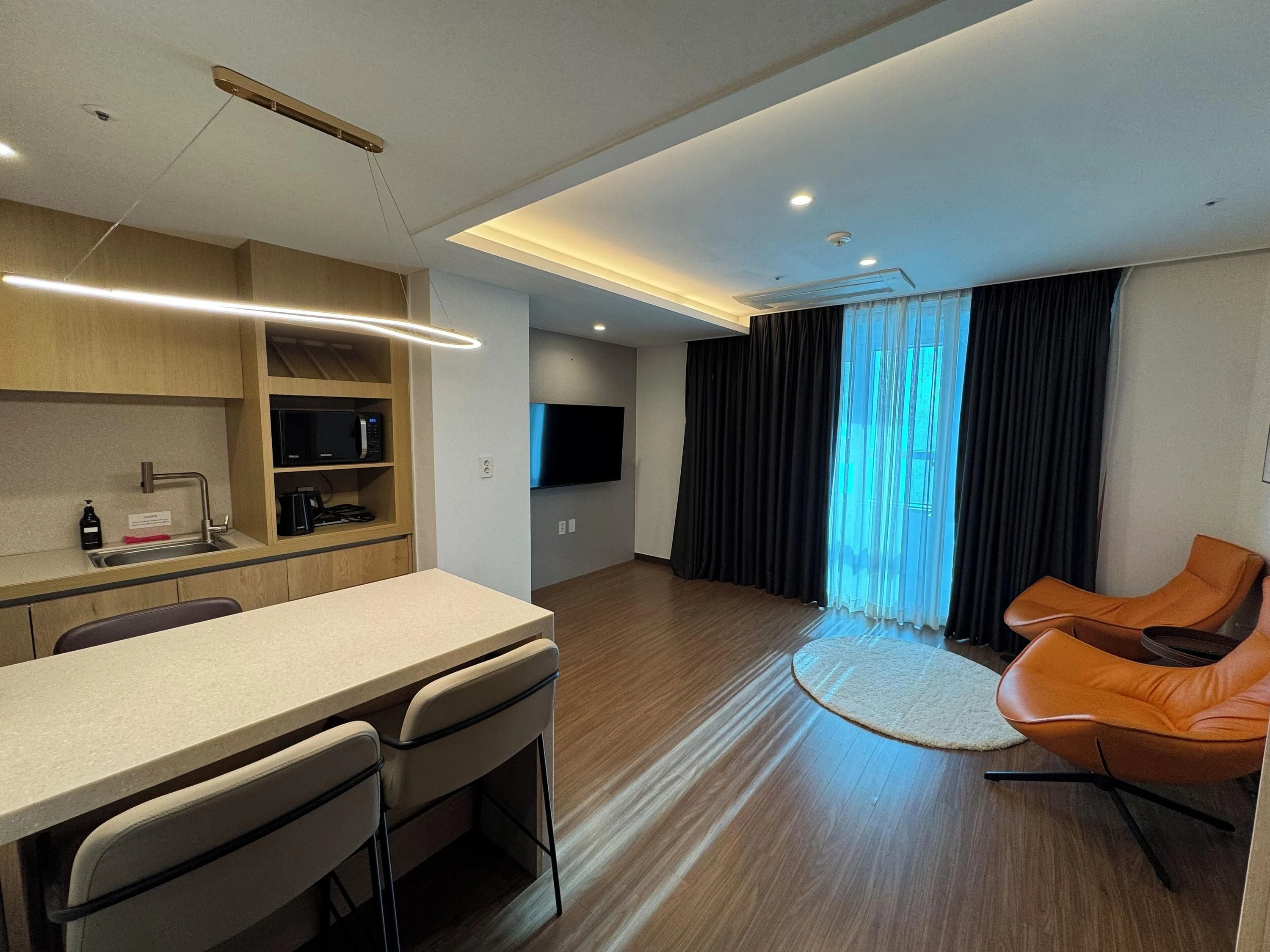
A Cheongpung-area base is useful when the first activity is a lake view or mountain entrance. It removes one early road section and makes it easier to return for a rest when wind or heat changes the plan. The trade-off is a smaller evening choice and a less direct start for a train or a next-city transfer. A Jecheon city base is stronger for station access, dinner, supplies and a second regional destination. The trade-off is spending the first and last part of the day on the road.
Stay choices that support the route
Cheongpung Resort
Choose it when the lake and mountain entrance are the reason for the overnight. It supports an early start, a quieter recovery after a windy viewpoint and a short return when the group decides not to add another trail. That saves energy on a two-day scenic plan.
See Cheongpung-area staysJecheon Tourist Hotel
Choose a Jecheon city stay when the route must connect with the station, evening food or a second destination. You can finish one clear Cheongpung chapter and return without asking the group to find a late lakeside meal or another long transfer.
See Jecheon city staysStay near the lake for an early scenic start; stay in Jecheon for dinner, the station and the next leg.

Make a mountain section genuinely walkable
A short trail still needs an approach, a warm-up, a pace, photo pauses, water, a descent and the walk back to the vehicle or stop. Set a turnaround before the first climb, especially when members of the group walk at different speeds. A “we will see how it feels” plan often becomes a late descent. If fog, lightning, rain, ice or snow arrives, turn around earlier than the clear-weather plan says.
If a cable car or monorail is the main experience, let the ride do its job. Take in the view, sit down, eat and use one close shore stop. Do not add a long mountain walk to prove that the day was worthwhile. If the mountain is the main experience, use a ride only to reach the trail and keep the rest of the day simple. Two queues and a cross-lake transfer can erase the walking time you came for.
Questions travellers usually ask
Can I do the lake and a mountain route in one day?
Yes, if one is the main chapter and the other is short. A high viewpoint plus a nearby meal and shore walk is a realistic combination. A ride, a second ride, a long trail and several distant shores is a different kind of day.
Is Cheongpung possible without a car?
It can be, when you build around the exact bus stops, intervals and last return. Use a taxi for one awkward gap if that protects the route. Do not assume a regional stop works like a city shuttle.
Should I go up when the lake is covered in mist?
If the purpose is a distant panorama, postpone or switch to the low-level plan. Mist can make a shore walk atmospheric, but it does not guarantee a useful high view.
Which base is better for one night?
Choose Cheongpung when the next morning begins at the lake or mountain entrance. Choose Jecheon when you need the station, dinner and an onward connection. The better base saves a transfer at the moment your itinerary is most tired.
KriNavi decision card
Best use of this page: Jecheon Cheongpung Lake and Mountain Route: Pick the View That Fits the Day
Core judgement: Build a Jecheon Cheongpung route around one main lake or mountain experience, then protect the return with seasonal, transport and lodging decisions.
This card only reorganizes sources already listed by the page. Recheck live hours, prices, service, and restrictions for the travel date.