
Short answer: Sehwa is best planned as a small changing shoreline connected to village and Olle life, not as a guaranteed broad swimming beach. Current hours, prices, transport, facilities, events, weather, closures, safety notices and lodging availability are to be checked close to travel.
- A tide-and-village route decision that separates Sehwa’s narrow shell-sand shore, haenyeo context, market and Olle Route 20 from a generic east-coast beach day.
- A Jeju traveller wants a photogenic east-coast stop but needs to decide whether to walk at low tide, visit the Haenyeo Museum, use buses or stay near Sehwa for a slower morning.
- Current hours, prices, transport, facilities, events, weather, closures, safety notices and lodging availability are to be checked close to travel.
- Choose one primary experience and one reversible fallback before you leave.
Treat Sehwa as a changing shoreline
Visit Jeju describes Sehwa Beach as a small shell-sand shore over basalt whose sandy area can shrink or become submerged at high tide. At low tide, white sand and black basalt appear together, and Olle Route 20 passes through the village between the folk market and Haenyeo Museum. That is the key decision: Sehwa is a tide-and-village stop, not a promise of a large swimming beach. Current hours, prices, transport, facilities, events, weather, closures, safety notices and lodging availability are to be checked close to travel.
A traveller seeking a broad water day should choose another beach or use Sehwa briefly. A photographer may plan low tide and soft light; a culture-focused visitor may combine shore, museum and market; a bus traveller may appreciate the small stop and frequent service described by Visit Jeju. Choose the route around the shoreline’s actual condition and the next east-coast move.
Let tide determine the walking window
Low tide can expose the sand and create a strong contrast between shell fragments, basalt and emerald water. High tide can make the beach feel narrow or remove the walking surface altogether. Check tide and local conditions before promising a shore walk. Keep the turn-back earlier than the water’s return and never use a tide window as a reason to cross unstable rocks or enter private areas.
The trade-off is visual timing against flexibility. A tide-led visit can be beautiful, but it makes the day less spontaneous. A village-led visit works at more hours and protects the museum or market when the beach is submerged. Weather, tide, shoreline access, erosion, wave conditions and safety notices are to be checked close to travel.
Use the haenyeo and village context
Sehwa sits beside a port and village life, and the Haenyeo Museum gives the coast a cultural layer beyond colour. A museum-and-shore sequence can help visitors understand why the sea is a workplace as well as a view. Keep the visit respectful around working areas and avoid turning people, boats or equipment into props. Current museum hours, displays, language support and closures are to be checked.
A culture-first route is less dependent on tide and weather than a beach-first route. A shore-first route can make the museum feel like a natural explanation of what you just saw. Families may need a short museum visit and one visible coastal feature; hikers may prefer to continue on Olle Route 20. Choose one depth and leave room for the village’s ordinary pace.
Use Olle Route 20 as a direction, not a distance promise
Visit Jeju places Sehwa between Sehwa Folk Fifth-day Market and the Haenyeo Museum along Olle Route 20, making it a natural section in an east-coast walk. The route can be a short village-and-shore connector or part of a longer day, but a trail label does not tell you how hot, windy, busy or tired the group will feel. Mark the entry, exit and next transport before walking.
A one-way walk suits travellers who enjoy changing coastline and small villages. An out-and-back suits a short visit when the tide and light are the main purpose. Children and older travellers may prefer the village section with fewer exposed edges. Current Olle signs, road crossings, path works, bus stops, toilets and weather are to be checked.
Choose bus or car by the next stop
Visit Jeju highlights frequent buses to Sehwa, which can make the area attractive for travellers on foot. A rental car helps with an east-coast sequence but adds parking, traffic and the temptation to pack too many beaches into one day. Decide whether Sehwa is one fixed stop or a base for walking. Save the Korean place name and the return direction for either mode.
A car-first route should park once and walk the village rather than moving every few minutes. A bus route needs a buffer for the tide window and a visible stop. A taxi can connect Sehwa to an oreum, market or lodging when the return is confirmed. Current schedules, parking, traffic, taxi supply and road works are to be checked.
Make the small scale work for families
Sehwa’s size can be an advantage when a family wants a short beach look, a museum and a meal without a full swimming commitment. Explain that the visible sand changes and keep children away from water edges, working port areas and unstable rock. A short route with one clear story is better than forcing a long Olle section in heat.
The limitation is that a narrow shore offers little room for spreading out. Shade, seating, restrooms, food and accessible surfaces vary. Bring water and a dry layer, and make the museum or market the fallback if the tide removes the beach. Current facilities, opening days, road crossings, pet rules and water conditions are to be checked.
Stay near Sehwa for a second chance
A Sehwa or Gujwa-area stay makes an early low-tide visit, a quiet evening and a second weather attempt possible. A Jeju City base supports airport logistics but makes the east coast a longer transfer. A road-trip base between Sehwa and Seongsan can suit a wider route when the group accepts driving.
Compare breakfast, laundry, parking, bus stop, dinner and cancellation. A quiet guesthouse can fit the coast’s mood but may have limited late food. A city hotel offers more services but weakens the tide-flexibility that makes Sehwa special. Rates, check-in, transport and current beach access are to be checked before booking.
Let the ordinary coast remain ordinary
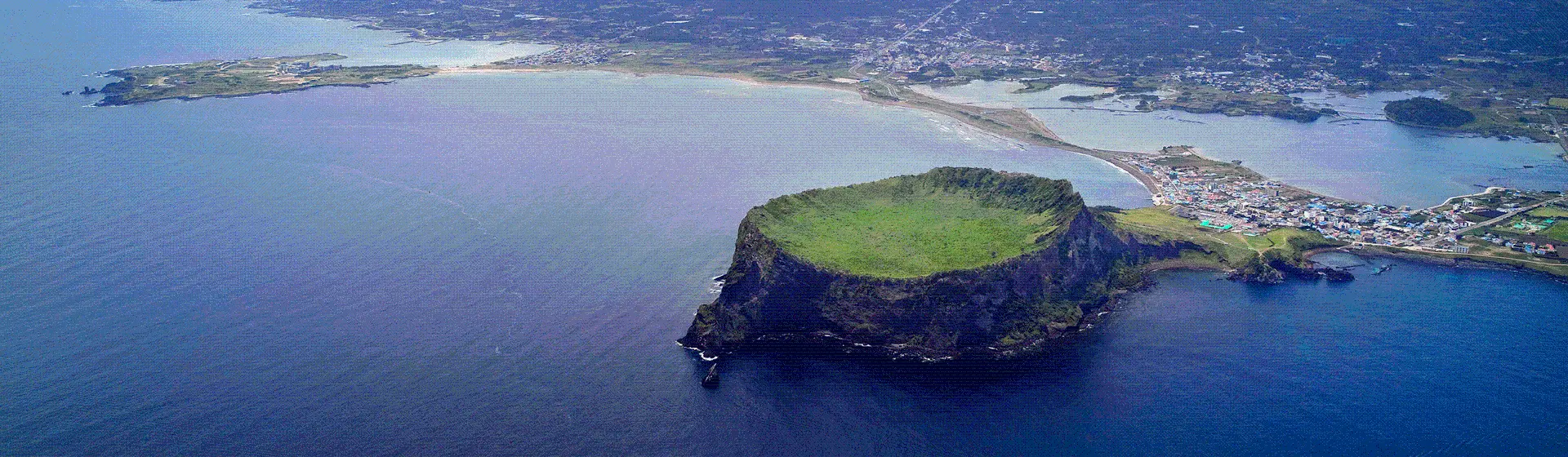
Sehwa can be photogenic without being a spectacle every minute. Boats, seawalls, market sounds, wind turbines farther along the coast and small cafés create a lived-in route. Give space to residents and haenyeo workers, avoid taking shells or blocking roads, and follow local signs. The best memory may be a changing shoreline rather than a perfect turquoise frame.
Cloud, tide and erosion can alter the shore from the images that inspired the trip. Keep a village, museum or market chapter ready and let the beach be one part of the east-coast story. Current events, market days, filming, construction and safety notices are to be checked.
Executable route decision table
| Route | Best for | Sequence | Trade-off |
|---|---|---|---|
| Low-tide shore walk | For photographers and coastal walkers | Check tide; walk the exposed sand and basalt; turn back early; continue to a meal | Distinctive, but time-sensitive and surface-dependent. |
| Haenyeo-and-village route | For culture-focused visitors | Visit the museum or working coast; take a short shore look; use the village as the main story | More robust in poor tide, but museum hours matter. |
| Olle Route 20 section | For hikers and bus travellers | Choose a start and exit; follow confirmed signs; save the next bus or taxi | Richest continuity, but heat and distance can grow. |
| High-tide fallback | For submerged sand or rain | Skip exposed shore; use museum, market or a nearby confirmed stop; return simply | Protects the day, but less beach texture. |
Spring, summer, autumn and winter decisions
| Season | How to use the route | Seasonal trade-off |
|---|---|---|
| Spring | Use low tide, mild walking and a museum or village chapter with a light jacket. | Fresh light is attractive, but wind, rain and cool water limit swimming. |
| Summer | Walk early, protect shade and treat water play as optional after checking conditions. | Bright colour helps, but heat, storms and crowds shorten the comfortable window. |
| Autumn | Use clear air for Olle walking, market food and basalt-and-sand texture. | Comfort is strong, but earlier darkness and changing tides affect the return. |
| Winter | Use daylight, warm layers and a culture-first route with a short shore look. | Quiet coast is rewarding, but wind, rain and limited services matter. |
Seasonal descriptions are planning signals rather than guarantees. Water, wind, light, events, access, crowds and facilities are to be checked close to travel. Jeju Sehwa Beach Route Decision: Low-Tide Shore, Haenyeo Museum or an East Coast Olle Day? is updated 2026-09-13.
Positive evidence signals
- Tide reveals a distinctive shell-sand, basalt and water composition.
- Haenyeo, market and Olle context give the beach a lived cultural setting.
- Frequent bus information can support travellers without a car.
- The small scale works for a short stop or a slower east-coast base.
- Official Visit Jeju pages clearly describe the shoreline’s changing size and route links.
Limitations and negative evidence signals
- High tide can reduce or submerge the sandy walking area.
- A tide-led visit is less spontaneous than a standard beach stop.
- The port, rocks and narrow shore require careful family supervision.
- Museum, market, bus and facility schedules can change.
- A Jeju City base creates a longer out-and-back and weakens a second attempt.
Choose a route shape
| Route shape | How it works | Best match |
|---|---|---|
| The tide frame | Use low tide for sand, basalt and reflections, then leave before the water returns. | Best for photographers. |
| The village-and-sea story | Use haenyeo context, a short shore look and market or meal time. | Best for culture travellers and families. |
| The Olle connector | Walk a confirmed Route 20 section with a saved bus or taxi exit. | Best for hikers without a fixed beach-only goal. |
Accommodation and return decision
| Stay shape | Why it helps | Cost or friction |
|---|---|---|
| Sehwa or Gujwa base | Makes tide, sunrise and repeat attempts practical. | Smaller food and lodging supply may apply. |
| Seongsan-area road base | Fits a broader east-coast itinerary. | Requires a car or clear transfer. |
| Jeju City base | Protects airport and city services. | Adds travel time to the coast. |
- Source 1: official destination, city, tourism, heritage or operator information. Claims and live details should be checked against the linked page close to travel.
- Source 2: official destination, city, tourism, heritage or operator information. Claims and live details should be checked against the linked page close to travel.
- Source 3: official destination, city, tourism, heritage or operator information. Claims and live details should be checked against the linked page close to travel.
- Source 4: official destination, city, tourism, heritage or operator information. Claims and live details should be checked against the linked page close to travel.
- Source 5: official destination, city, tourism, heritage or operator information. Claims and live details should be checked against the linked page close to travel.
Frequently asked questions
Is Sehwa a large swimming beach?
No. Official Visit Jeju describes it as a small beach whose sandy area changes markedly with tide. Current hours, prices, transport, facilities, events, weather, closures, safety notices and lodging availability are to be checked close to travel.
When should I visit?
Choose low tide for exposed sand and basalt, or a culture-first route when tide timing is inconvenient. Current hours, prices, transport, facilities, events, weather, closures, safety notices and lodging availability are to be checked close to travel.
What is near Sehwa?
Olle Route 20, Sehwa Folk Fifth-day Market, Sehwa Port and the Haenyeo Museum create several route layers. Current hours, prices, transport, facilities, events, weather, closures, safety notices and lodging availability are to be checked close to travel.
Can I get there without a car?
Visit Jeju notes frequent buses, but current schedules, walking distances and the return must be checked. Current hours, prices, transport, facilities, events, weather, closures, safety notices and lodging availability are to be checked close to travel.
Is Sehwa good for children?
A short village-and-shore route can work, but rocks, port edges, tide and shade require close attention. Current hours, prices, transport, facilities, events, weather, closures, safety notices and lodging availability are to be checked close to travel.
Where should I stay?
Sehwa or Gujwa gives tide flexibility; Jeju City gives airport convenience at the cost of a longer transfer. Current hours, prices, transport, facilities, events, weather, closures, safety notices and lodging availability are to be checked close to travel.
KriNavi decision card
Best use of this page: Jeju Sehwa Beach Route Decision: Low-Tide Shore, Haenyeo Museum or an East Coast Olle Day?
Core judgement: Choose Sehwa Beach by low-tide shoreline, haenyeo culture, Olle Route 20, bus access, seasonal light and east Jeju lodging.
This card only reorganizes sources already listed by the page. Recheck live hours, prices, service, and restrictions for the travel date.