
Set the meal window before the walking distance. Jeonju Hanok Village does not need to be completed lane by lane in the rain. A useful wet-weather plan starts with a short early route, puts the first meal in a district that opens early, and connects the next stop through sheltered transfers. If the rain strengthens, the route still has a clear end rather than a vague promise to keep going.
Building the early line
Staying near the village lets you see tiled roofs, doorways and quiet lanes before the busiest period. Walk one compact loop first instead of crossing the whole district. Give photographers one respectful pause that does not block residents, and choose the breakfast direction before leaving the room. Searching for food with a wet group is a poor use of the calm morning.
The useful walking range depends on shoes, umbrellas and the paving. When stone lanes become slippery, shortening a side street is better than forcing a complete circuit. A main street, an indoor exhibit and a market can make a strong half day if their transfers stay close. A distant sight is a separate transport decision, not part of the same rainy loop.
Food timing and the fallback order
Jeonju offers more food choices than one day can use, and each meal has its own opening and queue rhythm. Put the first meal in an early-opening area, reserve a longer seated lunch for the middle of the day, and finish dinner near the return route. The goal is not maximum variety. Space between meals gives the group time to dry off and walk without turning every transfer into a deadline.
If the shower becomes heavy, move the next meal closer rather than crossing the village for one name. Set a waiting limit when a queue has no cover. If the limit is reached, take the next option in the same direction. That small decision protects the afternoon and keeps a wet group from standing still.
Seasons in a rainy plan
Spring rain brightens new leaves but can make unpaved edges muddy. Keep the early line on better-drained streets and let the food plan remain unchanged even if a flower view is missed. Summer alternates heat and storms; walk outside early, use an air-conditioned meal break, then decide near sunset whether a short return loop is comfortable.
Autumn rewards a slow look at wooden doors and roof lines, while weekend rain can slow every narrow lane. Choose a market or tea room as the turning point and cut the outer lanes when time is reached. Winter rain with cold wind makes wet stone tiring. Warm up after breakfast and keep luggage, departure time and the next bus in the same plan.

Why the stay location matters
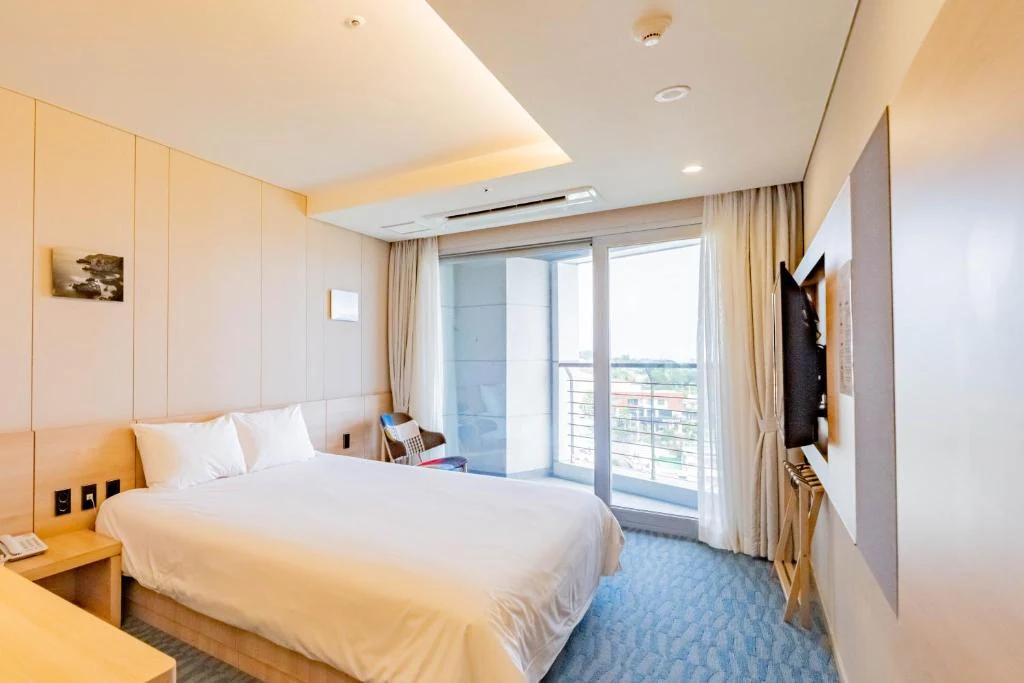
A room inside the village gives a wet group somewhere to change shoes, leave purchases and restart the morning without a vehicle. The trade-off is uneven ground and a harder bag transfer. A station-side or central room makes departure easier but adds a transfer into the village. Check whether bags can be stored after checkout and whether the first meal requires an exposed walk.
If the evening includes another village walk, staying inside shortens the return after dinner. If the next day starts early, a transport node may save more time. The accommodation reason should match this route: it saves wet walking, waiting or luggage handling, rather than simply adding another bed.
A dependable wet-weather half day
- Walk a short main-street line from the room and avoid pooled water.
- Take the first meal in a clear direction before choosing the market.
- When rain grows heavy, remove the outer branch and keep one covered turning point.
- At dusk, add only a short loop if the surface and energy allow it.
To use this plan, choose the walking range your group can accept in rain, then choose a stay that supports bags and breakfast timing. Check opening hours and transport on the day. The rest can respond to the actual sky without losing the shape of the itinerary.
Choose a base that handles rain, luggage and the early food line before adding extra lanes.
Protect one dry section in a rainy Jeonju morning
The value of Jeonju Hanok Village in rain is not copying a sunny checklist. Use the quiet early hours, opening breakfast places and covered eaves to make a short anchor. Put breakfast, a tea room or an indoor exhibition first, then decide whether the outer wall and market still fit. When rain intensifies, remove the edge stops before wet shoes become the whole day.
Companions will move at different speeds for photos, food and indoor shops. Set two meeting points: one in the village core and one near the market or room. Keep umbrellas and grippy shoes accessible while leaving luggage at the room. If a stone lane floods, the group can finish at a meal or museum without rebuilding the route.

Choose the room for tomorrow as well
A hanok stay makes an early walk and breakfast feel natural, but older rooms may mean different sound, bathrooms and luggage handling. A station or city hotel is easier in heavy rain and for the next transfer. If tomorrow moves south or back toward Seoul, storage and checkout matter more than a courtyard view.
Spring and summer rain suits markets, craft and museums. Autumn and winter can add soup and indoor tea. A complete wet-weather loop has cover, warm food and a chair, leaving energy for the next day instead of completing a sunny list at any cost.
KriNavi decision card
Best use of this page: Jeonju Hanok Village in rain: food timing and a quiet morning line
Core judgement: Plan food stops and a quiet morning walk in Jeonju Hanok Village when rain changes the useful walking range.
This card only reorganizes sources already listed by the page. Recheck live hours, prices, service, and restrictions for the travel date.