
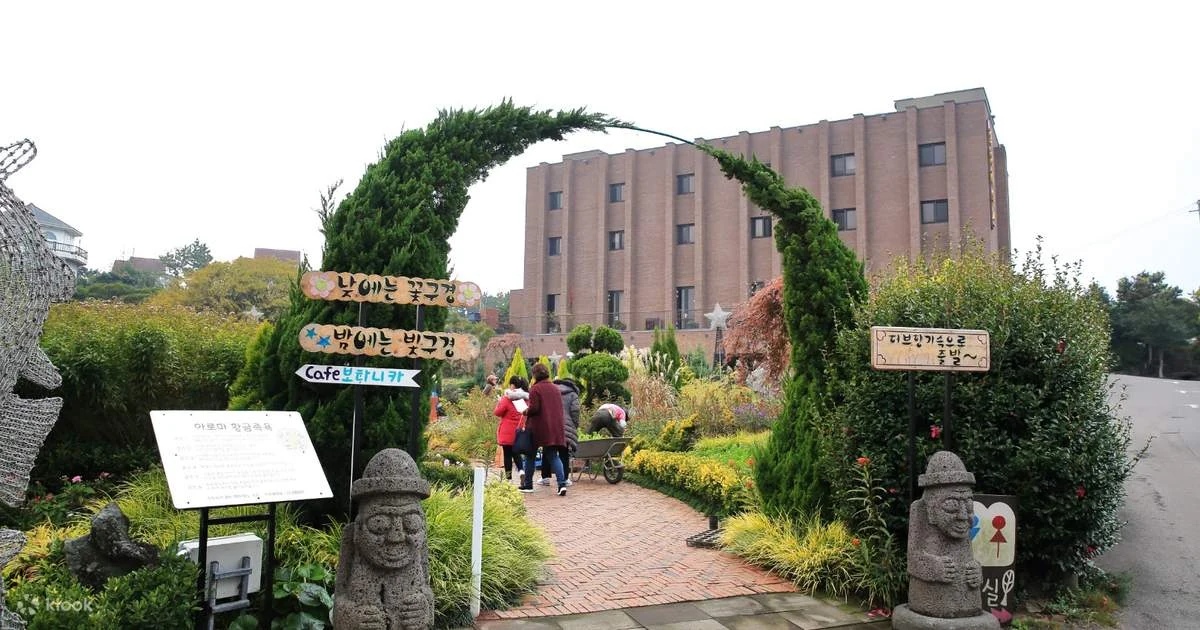
Short answer: Jaman Mural Village is a hillside neighbourhood walk, not a detached outdoor gallery. The decision is whether your group can enjoy murals, stairs, homes, views and small businesses at a local pace while protecting residents and leaving enough energy for the rest of Jeonju. Current hours, access, prices, reservations, transport, facilities, programmes, weather, closures and safety conditions are to be checked close to travel.
- the group names its purpose before choosing a route
- current access, transport, facilities and conduct rules are checked
- weather, mobility, attention and the least confident traveller shape the plan
- lodging and the next chapter are chosen by the complete route
What is the real choice?
Jaman Mural Village is often described as a colourful extension of Jeonju Hanok Village, but that shortcut hides the decision that matters. This is a lived hillside neighbourhood with narrow alleys, murals, views and businesses. The route asks for uphill effort and quiet attention, not just a series of wall photos. Decide whether the group wants to look at the work, compare it with the Hanok Village, or simply take a short local walk before moving on. The official Visit Jeonju and Hanok Village pages describe the village as a place where art and daily life meet; they do not remove the need to respect homes, pedestrians and current local guidance. Exact cafés, events, access, parking, toilets and any closures are to be checked. A strong day leaves time for a drink, a rest and a route back down. It does not assume that every mural is available, every stair is easy or every household welcomes a camera. Treat the neighbourhood as the destination, not a prop around the destination.
Route and decision table
| Route | Choose it when | Suggested sequence | Trade-off |
|---|---|---|---|
| Mural-first hillside walk | The group wants to look slowly and accepts stairs, narrow lanes and a local pace. | Start at a confirmed lower access, climb by energy, set a turnaround and return before fatigue. | More intimate looking, but less efficient than a flat attraction circuit. |
| Hanok contrast | The group wants to compare hillside everyday life with Jeonju heritage streets. | Protect one mural chapter, cross by a checked route and keep the Hanok stop measured. | More visual variety, but two crowded areas can make the day feel repetitive. |
| Short weather-safe chapter | Rain, heat or limited mobility makes a full climb unsuitable. | Check current access, choose a shorter section, rest and use a confirmed indoor Jeonju fallback. | Preserves the idea of the visit, but does not promise the full village view. |
| Local-life slow day | The group values neighbourhood atmosphere more than a photo checklist. | Walk quietly, support an open business if appropriate and leave residential lanes uncluttered. | More respectful and flexible, but fewer conventional attractions are counted. |
The village is not a blank canvas
Murals give Jaman its recognisable identity, yet they sit beside homes, stairs, parked vehicles and ordinary routines. That changes how a route should be written. Visitors can admire colour and storytelling without treating doorways as stages or residents as scenery. Use public paths, keep voices low and move aside when people need to pass. Current resident guidance, business access and any restricted lane should be checked locally. If a mural has faded, changed or been removed, the village has not failed; the place is still a living neighbourhood. The decision is whether the group can accept that change and value the walk beyond an exact image.
Stairs are part of the promise
The official city descriptions emphasise the hillside setting and the view toward Hanok Village. A viewpoint gained by climbing is a benefit with a cost. Check surfaces, slope, handrails, rest points, heat and the return route for the actual traveller. An older visitor or child may prefer a lower section and a café pause. Do not call the entire village flat or universally accessible. Set a turnaround before beginning, and let the person with the least energy decide whether the group continues. A shorter route that ends comfortably is better than a dramatic upper view reached through pressure.
Look for relationships, not only characters
Mural routes can become a hunt for familiar characters, but the more useful observation is how painted walls change the feeling of an alley. Notice the scale of a work, the wall material, the way colour meets a roofline and how people use the street around it. Do not state a precise mural inventory unless the current city page confirms it. Treat images as local creative work rather than a guarantee that every online photo remains. This approach also reduces crowding at one popular wall. Spread attention across the route and allow the village to tell more than one visual story.
Pair with Hanok Village by contrast
Jaman is close enough to Jeonju Hanok Village to invite a combined day, but proximity does not mean the two experiences are interchangeable. Hanok streets foreground heritage architecture, commercial culture and planned visitor movement; Jaman foregrounds a hillside residential setting and painted walls. Choose one question for the pair: how does a city present memory, how does art alter an old neighbourhood, or how does a visitor behave in a lived place? Protect the hill before adding a long meal or a palace-style stop. If the group has already spent hours in crowded lanes, a stream or quiet heritage chapter may be a better contrast.
Photo etiquette is route infrastructure
The best photo plan includes the people who are not taking photos. Do not block stairs, windows, shop entrances or narrow turns. Ask before photographing a person, a private activity or a business interior, and follow any sign that limits cameras. A group can take one respectful image and keep moving rather than forming a queue. If a popular wall is crowded, use the crowd as evidence that the route should continue. The city page may present attractive photo moments, but live resident guidance takes priority. This is not a moral footnote; it determines whether the walk remains workable for everyone.
Weather changes the hill more than the colour
Rain makes paint, stone, stairs and shoes behave differently. Summer sun increases heat on exposed slopes, while winter cold shortens comfortable pauses and makes a downhill return less forgiving. Autumn light can be pleasant but does not remove weekend demand. Check current forecasts, warnings, surfaces, shade, water, toilets and café opening. A weather-safe version may be a short lower walk followed by an indoor Jeonju stop. Do not promise a view simply because the official page shows one. The route should still make sense if visibility, temperature or ground conditions change.
Choose transport for the final walk
A city bus, taxi or parking space does not describe the last approach to a hillside village. Check the current stop, walking link, road gradient, drop-off rules, parking demand and return direction from the actual base. A taxi can conserve energy but may have a difficult pickup point in a narrow area. Public transport can work well when the group is prepared for the final climb. Agree on a meeting place before splitting pace. The route is successful when transport delivers people with enough energy to notice the murals.

Let local businesses be optional, not promised
Small cafés and shops can make a hillside route pleasant, but opening days, seating, menus and capacity change. Choose a business because it is open and welcomed, not because an old article names it as a required landmark. Carry water and a fallback. A rest can happen at a confirmed public point if a café is closed. This protects the village from being described as a theme park and keeps the itinerary useful beyond one commercial listing. The group can support the local economy without making private businesses carry the whole route.
End before the neighbourhood becomes a queue
A good Jaman route has a visible end. Leave after the group has understood the murals, used a rest point and taken the return while energy is good. Avoid adding a late climb because the first half was shorter than expected. If the Hanok Village or a food market remains, make the transfer optional and check its current hours. A route that ends with a calm descent protects both visitors and residents. The destination is not measured by how many alleys can be consumed in one afternoon.
Evidence notes for this decision
Route evidence note — Mural-first hillside walk: choose this when the group wants to look slowly and accepts stairs, narrow lanes and a local pace. The practical sequence is Start at a confirmed lower access, climb by energy, set a turnaround and return before fatigue. The trade-off is More intimate looking, but less efficient than a flat attraction circuit. Keep live access and operating details to be checked.
Route evidence note — Hanok contrast: choose this when the group wants to compare hillside everyday life with jeonju heritage streets. The practical sequence is Protect one mural chapter, cross by a checked route and keep the Hanok stop measured. The trade-off is More visual variety, but two crowded areas can make the day feel repetitive. Keep live access and operating details to be checked.
Route evidence note — Short weather-safe chapter: choose this when rain, heat or limited mobility makes a full climb unsuitable. The practical sequence is Check current access, choose a shorter section, rest and use a confirmed indoor Jeonju fallback. The trade-off is Preserves the idea of the visit, but does not promise the full village view. Keep live access and operating details to be checked.
Route evidence note — Local-life slow day: choose this when the group values neighbourhood atmosphere more than a photo checklist. The practical sequence is Walk quietly, support an open business if appropriate and leave residential lanes uncluttered. The trade-off is More respectful and flexible, but fewer conventional attractions are counted. Keep live access and operating details to be checked.
Spring evidence note: The opportunity is Mild air and fresh colour can support a measured mural-and-Hanok contrast. The constraint is Rain, blossoms and weekend demand can narrow the quiet walking window. Before leaving, Check surfaces, stair comfort, current businesses, weather and transfer. This is a planning prompt, not a forecast.
Summer evidence note: The opportunity is Early or late light can make a short hill walk more comfortable than midday. The constraint is Heat, glare, rain and crowded lanes increase fatigue and resident friction. Before leaving, Check shade, water, warnings, toilets, access and the return. This is a planning prompt, not a forecast.
Autumn evidence note: The opportunity is Lower heat and warm wall colour can reward slow looking and a viewpoint pause. The constraint is Popular weekends and shorter daylight can compress the descent and meal plan. Before leaving, Check demand, daylight, current access, weather and a safe stopping point. This is a planning prompt, not a forecast.
Winter evidence note: The opportunity is A crisp, quieter route can give the village a focused local-life atmosphere. The constraint is Cold, ice, wet stairs and early darkness make a broad hill loop less forgiving. Before leaving, Check surfaces, clothing, daylight, business opening and indoor fallback. This is a planning prompt, not a forecast.
Positive signal: The group treats Jaman as a lived hillside neighbourhood rather than a wall-photo set. Evidence should be current, specific and tied to the group's actual route.
Positive signal: The route checks stairs, surfaces, energy, weather and the final transport link for real travellers. Evidence should be current, specific and tied to the group's actual route.
Positive signal: Photo behaviour protects homes, entrances, pedestrians and residents. Evidence should be current, specific and tied to the group's actual route.
Positive signal: The Hanok comparison adds a question about place instead of a second checklist. Evidence should be current, specific and tied to the group's actual route.
Positive signal: The plan still works when a mural, café, view or lane changes. Evidence should be current, specific and tied to the group's actual route.
Limitation signal: A private doorway, resident or business is used as a guaranteed photo prop. If this appears, shorten the promise or stop and verify.
Limitation signal: The village is described as flat or universally accessible without checking the hill. If this appears, shorten the promise or stop and verify.
Limitation signal: Old mural inventories, café hours or events are copied as current. If this appears, shorten the promise or stop and verify.
Limitation signal: The group blocks a narrow lane or adds a distant stop without a descent buffer. If this appears, shorten the promise or stop and verify.
Limitation signal: A single famous wall is treated as the whole value of the neighbourhood. If this appears, shorten the promise or stop and verify.
Four seasons at a glance
Seasonal trade-offs
| Season | What becomes attractive | What becomes harder | Check before committing |
|---|---|---|---|
| Spring | Mild air and fresh colour can support a measured mural-and-Hanok contrast. | Rain, blossoms and weekend demand can narrow the quiet walking window. | Check surfaces, stair comfort, current businesses, weather and transfer. |
| Summer | Early or late light can make a short hill walk more comfortable than midday. | Heat, glare, rain and crowded lanes increase fatigue and resident friction. | Check shade, water, warnings, toilets, access and the return. |
| Autumn | Lower heat and warm wall colour can reward slow looking and a viewpoint pause. | Popular weekends and shorter daylight can compress the descent and meal plan. | Check demand, daylight, current access, weather and a safe stopping point. |
| Winter | A crisp, quieter route can give the village a focused local-life atmosphere. | Cold, ice, wet stairs and early darkness make a broad hill loop less forgiving. | Check surfaces, clothing, daylight, business opening and indoor fallback. |
Five positive evidence signals
- The group treats Jaman as a lived hillside neighbourhood rather than a wall-photo set.
- The route checks stairs, surfaces, energy, weather and the final transport link for real travellers.
- Photo behaviour protects homes, entrances, pedestrians and residents.
- The Hanok comparison adds a question about place instead of a second checklist.
- The plan still works when a mural, café, view or lane changes.
Five negative evidence signals and limitations
- A private doorway, resident or business is used as a guaranteed photo prop.
- The village is described as flat or universally accessible without checking the hill.
- Old mural inventories, café hours or events are copied as current.
- The group blocks a narrow lane or adds a distant stop without a descent buffer.
- A single famous wall is treated as the whole value of the neighbourhood.

Three practical route shapes
Mural slow walk: set a turnaround, look across several alleys and descend before fatigue.
Hill plus Hanok: give each place a different question and protect the transfer between them.
Local-life short route: choose a lower section, support an open business and keep the rest of Jeonju optional.
Accommodation and transport decision
| Stay shape | Choose it when | Trade-off |
|---|---|---|
| Hanok Village base | Choose it when Jaman and heritage streets are the main Jeonju chapters. | Walkability can help, but crowding, stairs, room access and night quiet need checking. |
| Jeonju station or city base | Choose it when rail, markets and wider city transfers matter. | More transport flexibility can mean a longer final approach to the hill. |
| Quiet outer base | Choose it when the party values sleep and has a car or confirmed taxi plan. | Less street convenience and parking or return conditions remain live checks. |
Field decisions before leaving
- tour.jeonju.go.kr official or authoritative source — current operating details are to be checked.
- hanok.jeonju.go.kr official or authoritative source — current operating details are to be checked.
- tour.jeonju.go.kr official or authoritative source — current operating details are to be checked.
- tour.jeonju.go.kr official or authoritative source — current operating details are to be checked.
Stay where the hillside walk can meet the old town
Jaman Mural Village is a slope-and-alley visit. The useful base is one that lets you finish before the lanes become tiring, then reach food and the hanok area without another long transfer.
Jeonju Hanok Village stay
Choose the hanok area when Jaman, the old town and an evening meal form one walking-led day. It saves the return ride and keeps the historic quarter available after the hillside visit.
See Jeonju staysJeonju station or city base
Use a city base when Jeonju is a short stop inside a rail route. Connections and luggage are easier, but schedule the mural village as a clear half-day rather than an extra photo stop.
Browse Jeonju city staysHanok area for walking and food; city base for rail continuity.
FAQ
Is Jaman Mural Village a museum?
No. Treat it as a hillside neighbourhood walk where murals meet daily life, and follow local behaviour guidance.
Is it suitable for older travellers?
It can be with a shorter section, rest plan and current surface and access checks; do not promise the full hill.
Can I visit with a stroller?
Check the actual slopes, stairs and route before relying on a stroller. A lower chapter may be more realistic.
Can I take photos?
Use public paths, avoid blocking lanes and ask before photographing people, homes or business interiors.
Where should I stay?
Compare Hanok, city and station bases against the actual hill approach, next route and current room conditions.
What if it rains?
Shorten the walk, check slippery surfaces and use a confirmed indoor Jeonju alternative rather than forcing the upper route.
KriNavi decision card
Best use of this page: Jeonju Jaman Mural Village Route Decision: Hillside Art, Hanok Contrast or Quiet Local Walk?
Core judgement: Choose Jaman Mural Village by hillside art, resident-sensitive walking, Hanok Village contrast, transport, weather and Jeonju lodging.
Sources checked in this page: Source 1 · Source 2 · Source 3 · Source 4
This card only reorganizes sources already listed by the page. Recheck live hours, prices, service, and restrictions for the travel date.