KRINAVI TRIP FIT
Score withheld
No numeric score is shown because this page does not yet have an external verification source. Use the planning checks, then confirm official information before booking or departure.
When you search for accommodations along Jongno, the map groups addresses around Gyeongbokgung, Anukgol, Insa-dong, Jongno main roads, and even areas closer to Gwanghwamun into one big area. They can all fit into an old-town itinerary, but they won’t give you the same kind of morning, subway access, or an easy night back to your room. Simply writing, “I want to go to Gyeongbokgung, so I’ll stay in Jongno” isn’t enough to narrow down to a usable hotel.
The value of staying in Jongno is concentrated: it places the old-town morning—when you need the most energy, fear crowds the most, or want to stroll slowly—right near your doorstep. The cost is also concentrated: if nightlife, shopping, or events in the southern part end in a different direction, you’ll have to come back to the north side every single day. Don’t add up the number of sights—compare how much that morning is worth, and how many evenings you’ll pay for.
Choose a morning when you truly cannot avoid staying in Jongno
- List Gyeongbokgung, Bukchon, Insa-dong, Ikseon-dong, and the markets—yet that still doesn’t mean you need to stay nearby. Pick the one morning you most want to keep: it might be before crowds build up as you wander through old-town alleys, it might be when your travel companion’s energy is at its best to enter the palace, or it might be because filming, walking, or a reservation requires you to arrive earlier. If there’s no part of your plan that needs to start at daybreak, Jongno’s accommodation advantage shrinks.
- This morning also has to be enough to change your itinerary. After staying nearby, can you skip one transfer, connect breakfast to your first stop, or finish the main walking before you get tired in the afternoon? If you’re only getting there a bit earlier than if you stayed in Myeongdong—without improving the part that’s most exhausting—then it’s not worth having other nights detour you back. Start withA five-day city trip in SeoulMap it out and confirm whether the old town accounts for at least one full day; then see if the second half-day can naturally connect.
- Your travel companions will change the answer, too. Elderly visitors aren’t suited to standing around for long stretches—staying near the first stop lets you save limited energy for attractions. Children need an afternoon break—the front door only matters if it’s in the middle of the old-town portion of your day. If what your travel partner truly wants is going back to the room after shopping, or choosing your way back at night, then you should compareWhich side of Myeongdong you’ll turn around from, don’t treat “a cultural vibe” as an amenity that everyone will actually use.
Staying in Jongno isn’t about cramming five palaces into your schedule—it’s about making sure one of the most important mornings doesn’t require commuting first.
Then take three nights to settle the bill—don’t look only at the daytime map
- The night with the latest closing:Where do the concert, performance, or dinner actually end? How many transfers would you need to get back to Jongno, and after missing your ideal route, is there still a backup you’d consider acceptable? Only one late-night return can be kept with some breathing room; if you have to do it three nights in a row, that means your base and lifestyle direction are going in opposite directions.
- The night with the most shopping:Will you have to carry bags through long corridors, transfer, or walk into alleys that are hard to recognize? If you absolutely must go back to your room first to drop things off, does the Jongno address still sit on a natural route—or does it force you to run out again just to store your items?
- The night when your travel companion is most exhausted:Is the last stretch likely to involve slopes, stairs, or streets you’d rather not walk at night? The alleys that feel smelly during the day can be completely different in the rain, when your phone battery dies, or when the child falls asleep—so estimate based on the slowest person.
If you can return smoothly all three nights, staying in Jongno isn’t just about palace convenience—it becomes a workable base. If two of those nights require taking a taxi as a fix, treat the taxi ride time, waiting, and where you board and exit as part of your accommodation cost. Taxis can handle occasional issues, but they can’t permanently make the “wrong-direction” hotel feel closer.
If nightlife is clearly centered in western Seoul, applythe lifestyle radius of Hongdae after 10 p.m.and reassess. If there are consecutive events in southern Seoul, openthe value of your base after the Gangnam crowds disperse. Don’t delete three late-night returns from the ledger just because the morning looks beautiful.
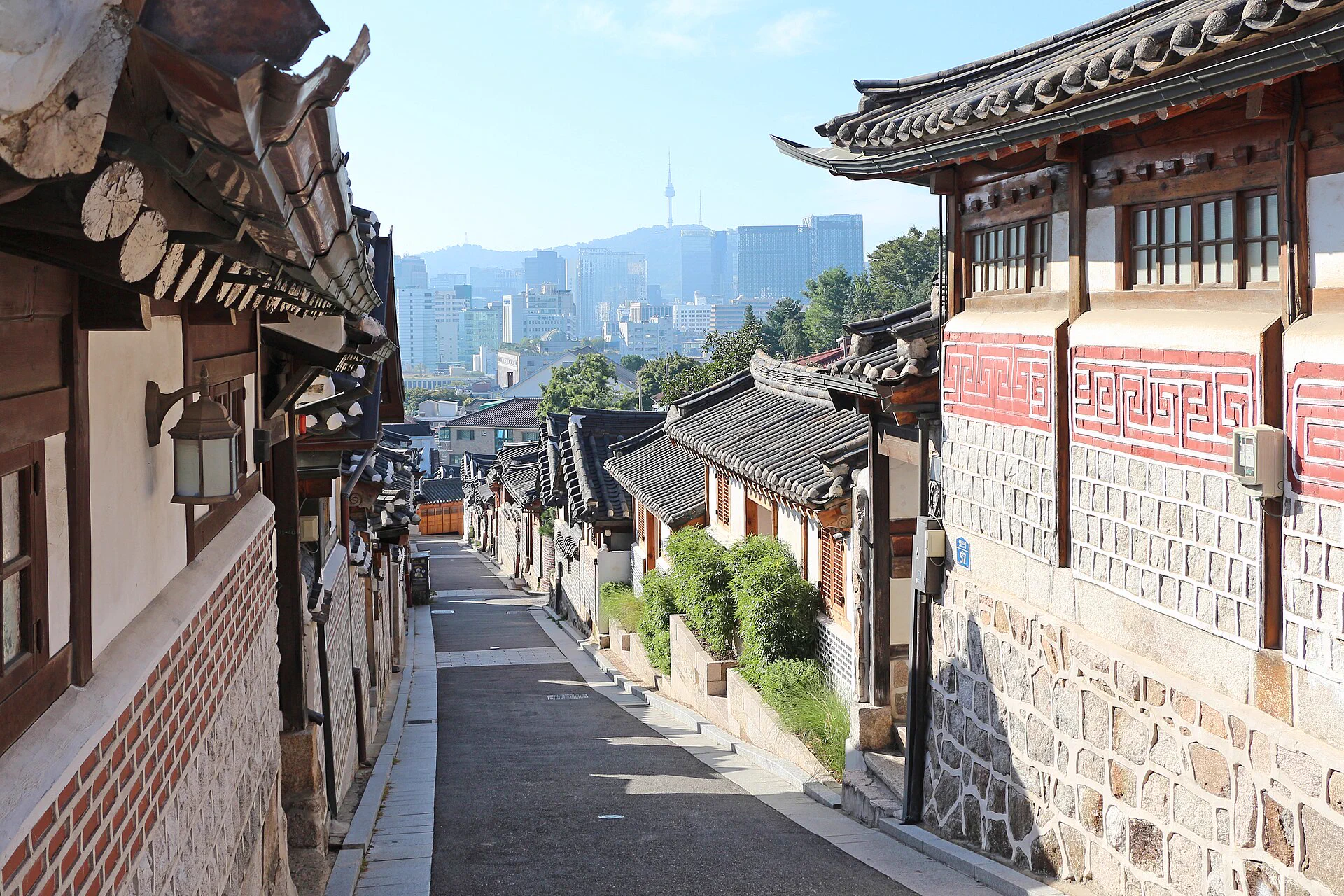
Anukgol, Insa-dong, Jongno main roads, and Gwanghwamun protect different time periods
- Anukgol & Bukchon direction|Put walking first
- This is a fit when palaces, Bukchon, or alley-walking are the main attractions—and when you’re willing to trade a slower nighttime pace for an earlier morning. When booking, check the actual slopes, alley layout, your luggage route, and the nearest transport that will be usable. Don’t decide based only on the straight-line distance between attractions.
- Insa-dong & Ikseon-dong area|Extend old town life to dinner
- If your daytime itinerary can naturally connect to dinner, a tea house, or a stroll, you’ll see the accommodation advantage show up a second time. The trade-off is that the popular street sections and the quiet little roads are close but not far—if you’re sensitive to noise or you won’t want to come back late, you still need to read recent reviews and check the hotel entrance.
- Near Jongno’s main transport axis|Get more transfer options in exchange for a more “local” feel
- It’s not only about walking to the palaces; you also need to go to other directions around the city. An address closer to clearer transport lines may be more practical. It may not give you the quietest old-town morning, but it can reduce how fragile your daily trip back to your room is. Still, “near Jongno Station” needs to be verified for which exact segment and which entrance.
- Gwanghwamun & the office districts direction|Service the west side of Gyeongbokgung and central-city itineraries
- Your route will connect City Hall, Gwanghwamun, and the palaces on the west side—this area can make daytime paths feel more streamlined. But the street atmosphere at night and on weekends may feel different. Don’t infer where you’ll eat and how you’ll get supplies just from daytime office density; check the real options for the time you’ll arrive before you book.
The platform may label several neighboring addresses as Jongno or Insa-dong, and hotel names may borrow the most famous sightseeing spot. Use the full address to judge: check the distance from your room door to your first stop, from your door to the nearest usable transport, and your supplies after your latest return to the room. Neighborhood names can only describe the general direction—they can’t guarantee that every alley is walkable.
Don’t pack old town days too full—staying close is so you can slow the pace
The most contradictory way to plan a Jongno stay is when you put every day’s stops—Gyeongbokgung, Bukchon, Insa-dong, Ikseon-dong, and the markets—into the same day just because the sights are near. Short distance doesn’t mean you’ll walk less; Gyeongbokgung and the alleys themselves require energy. If you stop at each place only briefly, the transport you saved with the stay will be eaten up later by lines and rushing. Choose one main attraction, one afternoon neighborhood, and save one “extra” tail you only go to if you still have energy.
Weather also changes your old-town day. In heavy rain, hot weather, or low temperatures, you need to lower the portion of outdoor walking. Don’t cram southern Seoul sights into the same day on the fly—swap the entire city direction with another complete day. Even if the hotel stays near the old town, if reservations can’t be moved, you only keep that fixed point. Check the latest official information on dynamic operations, opening hours, and weather before you depart.
Staying nearby has one more less-used benefit: you can split old town into two short time blocks instead of one long march. If you have buffer on your arrival day, go near the hotel first and keep Gyeongbokgung for the full day. Or return to your room to rest in the afternoon and only go out to eat around the area at night. This kind of plan is more valuable for seniors and families with children than simply ticking off one more sight.
Airport convenience isn’t a default advantage of Jongno—your last-leg transport has to be figured out separately
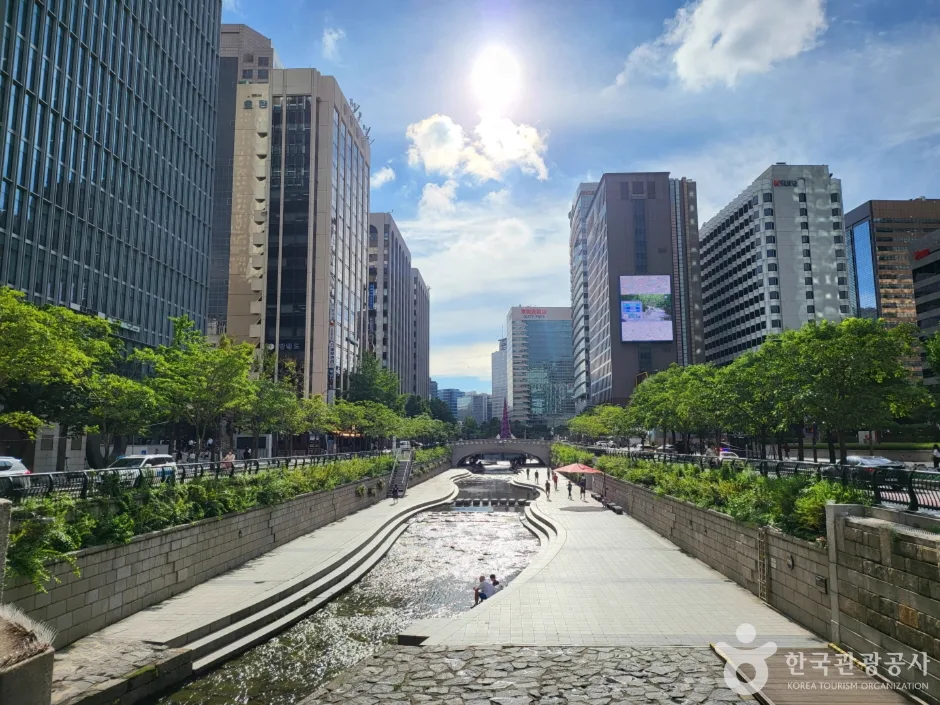
Write the morning gains and the night debts in two columns, then create your hotel shortlist
Once the logic holds, move on toThree night return-to-hotel tests for a Seoul hotelCompare the practical addresses, room types, recent reviews, and cancellation conditions. You can’t justify a Jongno-area hotel just by comparing the per-night price either—you must use the same dates, number of guests, and bed types, and confirm whether luggage storage and check-in times can accommodate your arrival and departure dates. Only after you’ve confirmed the hotel should youChoose your transit card based on how far you’ll move each day; The real advantage of staying in Jongno is that you avoid one extra ride and instead spend meaningful time walking in the morning. But if your planning results in you rushing to leave the old town every single day, then this base hasn’t done its job. When it truly works, you’ll be using your room door again in both the morning and the afternoon—not merely keeping “old palace” as a line in your booking reasons.
KriNavi decision card
Best use of this page: Where to Stay in Jongno: Old-Town Mornings vs Late-Night Commutes
Core judgement: 종로에서 숙소를 고를 때는 지도로 묶인 ‘종로 권역’만 보고 결정하기보다, 가장 중요한 구시가지 아침을 얼마나 가까이에서 시작할 수 있는지와 늦은 시간 귀가 시 전철·이동. Choose by location, room needs and transport trade-offs.
This card only reorganizes sources already listed by the page. Recheck live hours, prices, service, and restrictions for the travel date.