
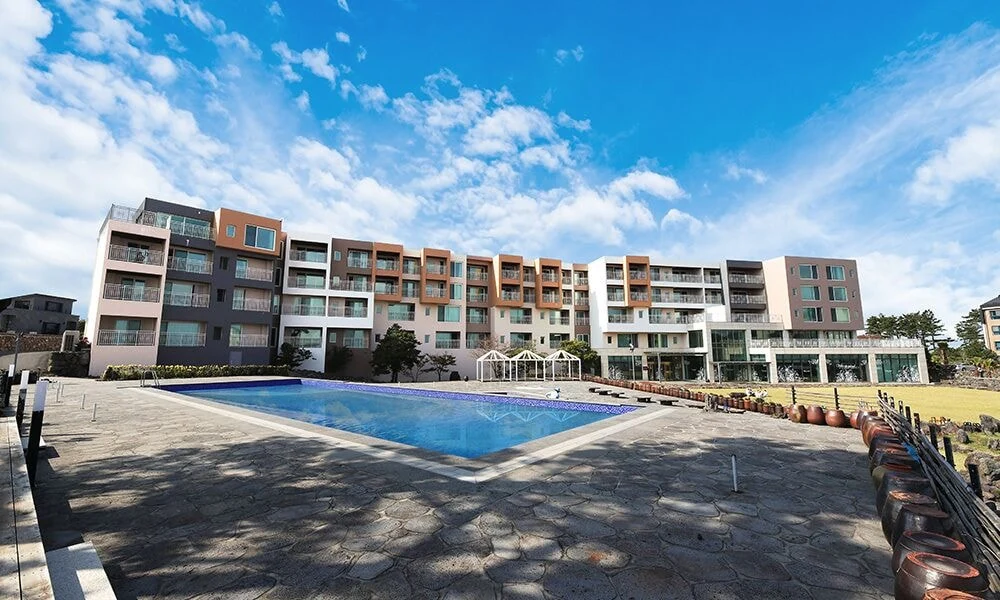
Short answer: Put the first lift, rental desk and a warm room inside the same resort decision. Use day one for equipment, a lesson or a controlled warm-up, then let day two follow the snow and the group's legs. Yongpyong is the simpler choice when both days are slope days. Alpensia suits a mixed group that wants shorter sessions, indoor recovery and a gentler second-day alternative. The hotel is part of the ski route, not a separate booking detail.

- Two full ski days: stay at Yongpyong Resort so the morning starts near the slopes and a tired group can return without a long transfer.
- Beginners or mixed ability: use Alpensia as the calmer base and keep lesson time separate from the stronger skier's longer session.
- Uncertain snow or weather: write a resort-day option and an indoor or Daegwallyeong alternative before paying for non-flexible extras.
- Late arrival: treat the first night as setup only. Collect equipment, eat early and protect the next morning's energy.
Arrival evening: make the next morning boring
Reach the resort with enough time to collect keys, check the rental process and locate the lift or lesson meeting point. Do not turn arrival into a sightseeing circuit. Snow clothing takes longer to organise than normal luggage, and a missing glove or unclear shuttle can cost the first hour before anyone reaches the slope.
Eat a practical meal, fill water bottles and check the resort's current operation notice before sleeping. The useful question is not whether every run is open; it is whether the area you need for a beginner, lesson or relaxed warm-up is operating. Set one meeting point for the group so different abilities can split without anyone searching across the base.
Day 1: learn the snow before chasing distance
Start with a short equipment and balance session. A beginner should not be pushed into a full-day pass simply because the ticket has already been purchased. A lesson, a few controlled runs and a warm lunch create a better base for the afternoon. Stronger skiers can extend their session only after the meeting time and return route are clear.
After lunch, choose between repetition and exploration. Repeating a manageable slope helps new skiers build confidence; exploring a far lift makes sense only when the group can return independently and weather is stable. Stop before the legs become unreliable. The last run is not the one that proves value if it creates a fall, a cold wait or a late dinner.
| Window | Day 1 plan | Why it matters |
|---|---|---|
| Early morning | Rental, lesson meeting and a short warm-up | Problems surface while the group still has energy. |
| Late morning | Beginner lesson or repeated easy runs | Technique improves through repetition, not distance. |
| Lunch | Warm meal and equipment check | Protects the afternoon from cold and hunger. |
| Afternoon | One chosen zone, then an early stop | Leaves time to dry gear and recover. |
| Evening | Simple dinner, next-day choice | Tomorrow stays flexible if the weather changes. |
Hotels that save a ski-specific problem
Yongpyong Resort
Choose the resort base when both days are mainly about skiing. The gain is not glamour; it is the short morning path to rentals and lifts, the ability to return for a layer or a rest, and less risk of missing the useful snow window. It is the clear choice for a group that will ski again after lunch.
Check Pyeongchang ski-base staysInterContinental Alpensia Pyeongchang
Choose Alpensia when the group includes non-skiers, beginners who need warm breaks, or travellers who want a shorter slope session plus a quieter resort evening. It keeps recovery close, but Yongpyong becomes a separate transfer choice. That trade-off is worthwhile only when the mixed group will use the indoor and non-ski parts.
Compare Alpensia-area staysYongpyong saves slope transfers; Alpensia saves mixed-group recovery time.
Day 2: follow the legs and the snow
When the group still wants a full ski day
Repeat the easiest successful start, then make one change: a longer run, a different zone or a later lunch. Change one variable only. A beginner who needs another lesson should get it; a strong skier who wants distance should have a clear return time. The day feels longer when the group knows where to meet, not when everyone is sent in a different direction.
When the group needs a non-skiing second half
Stop skiing before fatigue creates a problem. Use a resort cafe, a warm indoor activity or a short Daegwallyeong outing if the road and weather allow. Do not promise a full mountain sightseeing loop after a morning on snow. The alternative succeeds when it gives the body a real reset and still leaves enough time for the journey home.
Remove the farthest run, the third restaurant and the late-night drive before removing the lesson or the warm-up. Ski trips fail through small cold delays: wet gloves, a missed shuttle, a long rental queue or a tired driver. A shorter route with a dry final hour is the stronger itinerary.

Snow-season adjustments
Early season: keep the plan close to the operating beginner zone and do not build the trip around a full mountain map. Mid-season: use the second day for the group's real ability rather than upgrading the plan because conditions look good. Late season: start earlier, expect softer snow and keep a warm alternative ready. Wind or heavy snow: follow the resort's current operation notice and switch to recovery or a short indoor plan instead of forcing the highest lift.
Save these details before travel
- Resort operation, lesson meeting point and rental hours for the exact date.
- How the hotel handles drying clothes, storing equipment and late arrival.
- A warm meal inside or close to the base.
- The departure route and a buffer for returning equipment.
Added decision: season and hotel position
Treat the first day in Pyeongchang as a learning day. Decide on more runs or a short ranch route only after reading the snow and your knees; sleeping near the resort removes the morning gear transfer and makes the post-night-ski return simple.
A two-day ski itinerary is successful when the group reaches the snow early, knows when to stop and can leave warm. Put the hotel inside that logic and the mountains become much easier to enjoy.
How the route changes through the year: Spring is the shoulder season, so replace ski time with farms, mountain views and cafés when the lifts close. Summer works better as a valley, cable-car or outdoor day, with accommodation chosen for easy transfers. Autumn brings slower mountain roads and foliage stops, so keep one day scenic and one day light. Winter is the true ski version: build around snow conditions, rentals, lessons and a warm return to the hotel. If the group has mixed interests, separate the ski day from the non-ski day before choosing a resort base or town hotel.
Use day one in Pyeongchang as an adjustment day
Pyeongchang resorts are spread out, so a two-day plan fails when arrival day becomes a full-speed session and day two is spent recovering. Day one should cover fitting, the lesson, slope orientation and the group’s warm-up rhythm. A strong skier can use a short run to read conditions instead of chasing the longest route immediately. Day two then carries the main skiing, with lunch and recovery treated as part of the slope plan.
Non-skiers can enjoy the resort on day one and meet the group at a fixed time on day two. If the group wants Daegwallyeong, a sheep ranch or a café, make one deliberate outing rather than repeating the transfer. When snow slows the road, keep a resort-only version ready so the loop does not depend on one distant stop.
Choose a base that protects the second day
A resort room helps an early start and night skiing. A room in Pyeongchang or near a transport node gives more dinner and room choice and an easier departure. With two nights, avoid changing rooms. Leave time for drying gear, showering and a hot meal after every session; that is what creates capacity for a longer second day.
In spring and summer, shift to Daegwallyeong grassland and forest. Autumn can take the mountain road through foliage. Winter keeps the resort as the anchor. The value of two days is not every run; it is two clear themes with enough recovery to continue to the next stop.
KriNavi decision card
Best use of this page: Pyeongchang in Two Ski Days: A Base, Snow and Recovery Plan
Core judgement: Plan two practical ski days in Pyeongchang with one resort base, a lesson-friendly first morning, a flexible second day and hotel choices that cut shuttle fatigue.
This card only reorganizes sources already listed by the page. Recheck live hours, prices, service, and restrictions for the travel date.