
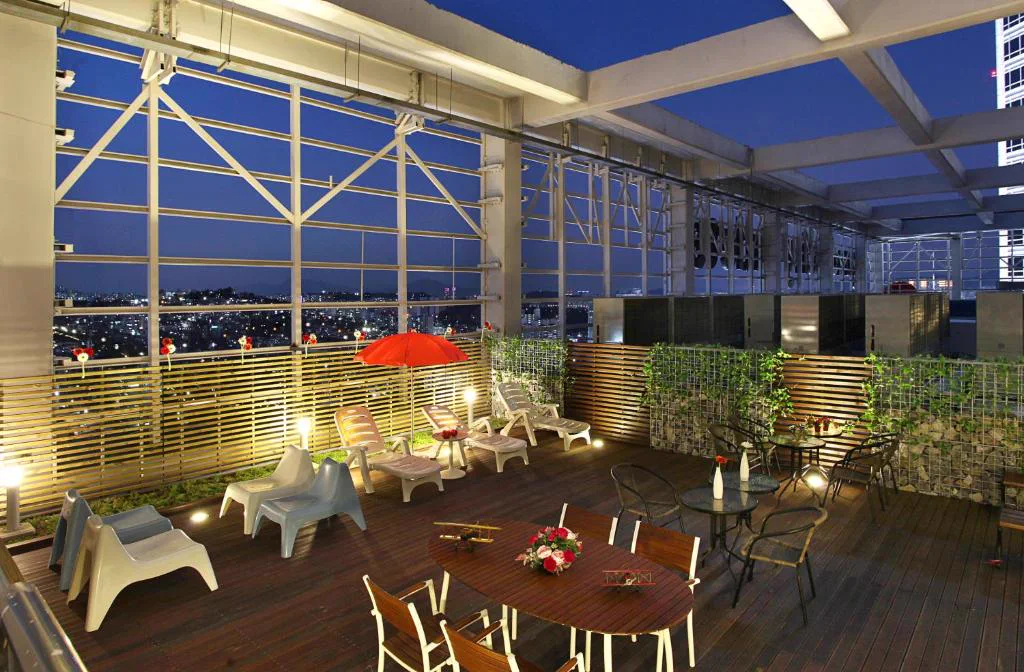
Short answer: Choose a Pyeongchang ski-season base by asking what you need to protect: first-lift convenience, village meals and flexibility, or a dependable winter logistics plan. A slope-side resort can reduce morning friction but may narrow the day around the resort. A Daegwallyeong-area village base can give more everyday choice but requires a confirmed transfer to the lifts. A flexible base can work for mixed groups, but only when road, shuttle and snow assumptions are checked. No base is automatically best because snow, operations and transport change.
- How many people will ski, and how much equipment will move each day?
- Is the group willing to eat, rest and spend most of the day in a resort zone?
- What will everyone do if snow, lift operation, road access or energy changes?
- Which arrival and departure windows can be completed without an optimistic transfer?
A base is a winter system, not a room ranking
Pyeongchang lodging comparisons often focus on room size, views or resort names. Those details matter, but a winter base succeeds or fails through repetition: carrying equipment, dressing children, finding breakfast, waiting for a shuttle, drying clothing, returning after a long day and deciding whether to ski again tomorrow. A base that looks close on a map may require a vehicle, a reservation or a road condition that changes the real morning.
Start with the group’s operating pattern. A committed skier may value the shortest possible route to the lift. A mixed group may value a village meal, a warm indoor afternoon and a way to split up without everyone paying resort time. A beginner may need rental and lesson coordination more than a dramatic view. A non-skier may need an independent day, not a lobby. Lift operation, snow, rental inventory, shuttle times, room prices, cancellation rules, road conditions, event dates and heating are to be checked for exact dates.
Base decision table
| Base type | Daily shape | Best for | Cost or risk to accept |
|---|---|---|---|
| Slope-side resort | Wake, dress, use the resort’s current access and return to the same complex | Frequent skiers, families who value less morning transfer and groups happy with resort-centred services. | Price, meal choice, crowd or event exposure, and dependence on one resort’s live operation. |
| Daegwallyeong village area | Village meal or lodging → confirmed lift transfer → return to a broader local base | Groups that want more everyday food and a winter town feel alongside ski days. | Shuttle or car dependence, road weather, equipment movement and less forgiveness for a missed transfer. |
| Flexible regional base | Use a selected accommodation as a transport and rest base, changing the day’s activity | Mixed groups, short ski blocks, non-skiers and itineraries combining winter scenery with other areas. | More planning, longer transfers and greater exposure to traffic, snow and cancellations. |
| One-night transition base | Sleep near the arrival or departure connection, then ski only when the operation window is clear | Late arrivals, early departures and groups unwilling to risk a long same-day transfer. | Less ski time, possible room changes and the need to check luggage and cancellation terms. |
| Winter shoulder base | Stay where non-ski activities can carry the trip if slopes or snow are limited | Travellers visiting before or after the most reliable ski period, or groups with uncertain commitment. | The resort promise may not match the live season; activities and weather need separate checks. |
The “right” row is the one that protects the most important repeated action. If skiing is the sole reason for a short trip, a slope-side base may be worth the premium. If skiing is one component of a group trip, a village or flexible base can reduce conflict—provided the group accepts transfers. If snow itself is uncertain, choose a base with a credible non-ski day rather than hoping the slope will rescue every plan.
When slope-side convenience is genuinely valuable
Slope-side lodging can remove the hardest parts of a ski morning: dressing children, carrying boots, returning for forgotten gloves and deciding where to warm up. That convenience compounds over several days. It may also help beginners who need a simple pattern between rental, lesson and rest. But “slope-side” is not a universal operational guarantee. The exact lift entrance, rental arrangement, shuttle, ski storage, lesson meeting point, weather response and meal hours are current facts.
Ask what the resort base does for non-skiers. Can someone have a useful morning without buying a lift product? Is there a warm place to sit, a meal that suits different diets, a way to leave the complex, or an activity that remains open in poor conditions? Do not assume a large property automatically provides the kind of independence a mixed group needs. Check the current map and facilities directly.
The resort can also encourage overcommitment. A group may ski because the lift is nearby even when everyone is tired, then skip a planned cultural or food experience. Build in a rest block and agree that the resort’s convenience is a tool, not an obligation. If the stay depends on one operator, read current cancellation and closure language rather than relying on a generic booking promise.
What a Daegwallyeong-area village base changes
A village base can make the trip feel less like an enclosed resort holiday. It may offer a different meal rhythm, local streets and more freedom to choose a short day. That is attractive for groups that want ski time without giving the whole trip to the slope. The trade-off is that every ski day becomes a logistics day: equipment, clothing, breakfast, shuttle or driving, parking and the return in winter darkness.
Do not assume a village restaurant or shop is open when the group needs it. Check the current operating pattern, seating, payment, dietary options and the distance from the accommodation. A small town can feel wonderfully convenient at midday and surprisingly quiet after a late return. Keep food in the room or a confirmed nearby option only when permitted and practical, and understand the property’s storage and heating rules.
Transport needs a real buffer. A shuttle may require a reservation, have limited runs or change with the season. A car may give flexibility but makes the driver responsible for snow, visibility, parking and fatigue. If a missed morning shuttle removes the main ski block, the base is not flexible enough for your plan. Check the exact date and keep a local, non-ski alternative.
How to plan for a mixed group
A mixed group is where base decisions become most revealing. Skiers need lift access and drying space. Non-skiers may want a café, walk, cultural place, scenic view or a quiet room. Children may move between both groups. Place the accommodation where the non-ski plan is possible without requiring the skier to become a daily driver. If the resort is the base, find out how a non-skier leaves or spends the day. If the village is the base, confirm that the skier can reach the mountain without making everyone wake at the same time.
Make the split plan explicit: who takes the first lift, who needs a later start, where you meet, how phones work in cold weather and what happens if one person stops skiing. Avoid calling a route “family-friendly” without specifying the age, equipment, supervision, walking surface and warmth needs. The useful promise is not that everyone does the same thing; it is that each person has a dignified option.
Arrival, departure and the one-night question
Winter transport should be planned backward from the hard deadline. A late arrival may make a distant slope-side transfer risky if road conditions or a missed connection leave no alternative. An early departure may justify a final night closer to the transport route even if it means changing rooms. This is not wasted time: it buys sleep, reduces a long winter drive and protects the rest of the trip.
Ask the accommodation about check-in, luggage, equipment, wet clothing, parking and winter road access. These policies can change and should be confirmed. Keep the first ski day light after a long arrival. A base that only works when every connection is on time is not robust enough for a first visit, especially when children, large bags or rental equipment are involved.
Seasonal decision: winter is not one condition
| Season or period | Base emphasis | Useful planning idea | To be checked |
|---|---|---|---|
| Early winter | Flexible base with a non-ski plan until the live snow and lift pattern is clear. | Preserve the trip if the ski promise arrives later than expected. | Opening dates, snow, lift operation, rentals, shuttle and cancellation. |
| Core winter | Slope-side for frequent ski days; village for groups that value local choice. | Repetition makes morning convenience and drying space matter more. | Snow, lift queues, road weather, room availability, prices and events. |
| Late winter | Choose by current conditions and the strength of non-ski activities. | Shorter ski blocks and scenic or food routes may balance changing snow. | Surface quality, lift schedules, warm weather, closures and transport. |
| Spring shoulder | Non-ski-capable base, with skiing treated as a date-specific option. | Do not pay for a ski-only system if the wider trip will carry the experience. | Season end, snow coverage, facilities, events, rain and road access. |
Summer and autumn can still be relevant to the base decision because an accommodation chosen for winter may be a different proposition outside ski season. In summer, outdoor routes and local transport replace lift convenience; in autumn, weather and event schedules may shape the day. If the trip includes more than skiing, read the base as a year-round logistics choice rather than assuming the resort’s winter identity is enough.
Concrete trade-offs before you book
First-lift time versus sleep: a slope-side room can help an early ski start, but only if the group actually wants that start. A village base may be better for a slower family morning or a mixed itinerary.
Price versus repeated convenience: a higher nightly cost may pay back through fewer transfers, rentals or meals, but calculate the whole stay. Do not compare room rates while ignoring shuttle, parking, equipment storage and food.
Resort certainty versus dependence: a single resort system feels simple until a closure, crowd or programme change affects the whole day. Keep a non-ski route and read current cancellation terms.
Village choice versus winter driving: local food and independence are valuable, but the driver pays in attention and risk. Never treat a snowy road as a minor inconvenience in the itinerary.
Equipment access versus storage: carrying skis, boots and wet clothing can dominate a day. Confirm lockers, drying, rental collection, luggage space and room rules.
Snow hope versus evidence: an attractive booking page cannot guarantee the surface or lift operation on your dates. Use live official conditions and make the booking policy part of the decision.
Five positive evidence signals
- The group has stated how many ski days it needs and what non-skiers will do.
- The exact lift, rental, shuttle, road, check-in and equipment-storage chain has been checked for the dates.
- The base has a complete plan for a poor-snow, closure or tired-day scenario.
- The budget includes transfer, parking, meals, rentals, lessons, cancellation and room-change costs.
- Everyone understands the morning start, meeting point, warm-up plan and way to leave the resort or village.
Five negative evidence signals
- The plan calls a base “near the slopes” without an actual winter transfer, entrance or equipment plan.
- A ski resort page is treated as proof of snow, lift operation, opening dates or shuttle availability.
- Non-skiers are told they can “find something” without a current venue, meal or transport option.
- The driver’s fatigue, road weather, parking and equipment movement are missing from the budget.
- The booking cannot survive a delayed arrival, reduced ski day, closure or change in group energy.
Who should choose which base?
Frequent skiers on a short trip should price slope-side convenience honestly; it may be the best use of time. Beginners should prioritise rental, lesson meeting points, warmth and the ability to stop without a complicated return. Families should choose the base that lets a child rest without making the whole group abandon its plan. Mixed groups should value independent non-ski options as highly as lift distance.
Couples or solo travellers can choose a village for local rhythm or a resort for maximum ski time. Visitors who dislike winter driving should not select a base whose value depends on a car. Travellers with a tight train, flight or work deadline should consider a transition night and a shorter final ski block rather than staking the departure on a long snowy transfer.
Pick the base that protects the snow day
InterContinental Alpensia Pyeongchang Resort
Choose InterContinental Alpensia when the trip is built around first lifts, rental time and a second day on the mountain. Staying inside the resort removes the early road transfer and gives the group a warm reset when wind or snow changes the slope plan.
See the Alpensia stayRamada Hotel & Suites by Wyndham Gangwon Pyeongchang
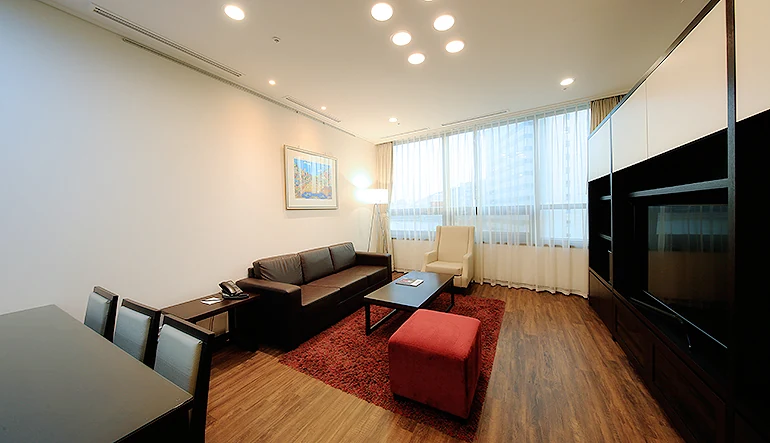
Choose Ramada Hotel & Suites when the group wants a room with easier village-style meals and a broader non-ski day. It is the better fit when only one person will ski, but the whole group still needs a comfortable Pyeongchang base.
See the Daegwallyeong baseUse the resort for repeated slope mornings; use the village-side base when the trip must work without full ski days.

Frequently asked questions
Is slope-side lodging always the best choice?
No. It is strongest for frequent skiing and low morning friction. A village or flexible base may suit mixed groups, food-focused trips or travellers who need a stronger non-ski plan.
Should I stay in Daegwallyeong village or at a resort?
Choose the village for local choice and a broader day when you can confirm transport. Choose the resort when repeated lift access matters more than independence. Compare the whole winter logistics chain.
What if there is not enough snow?
Use a base with a credible non-ski plan and flexible cancellation. Check official snow and lift information close to travel. Do not rely on a generic seasonal promise.
Is a car necessary in Pyeongchang?
It depends on the base and dates. A car may help a village or mixed itinerary but adds winter-road, parking and driver responsibility. Confirm public transport or shuttle options before deciding.
How many ski days justify a resort base?
There is no fixed number. Ask how often the group will repeat the morning transfer and how much the convenience costs. A short, ski-intensive trip may value it more than a longer mixed holiday.
What should I recheck before paying?
Recheck snow, lift operations, season dates, rental and lesson availability, shuttle times, road conditions, heating, cancellation, room rules, events and the non-ski alternative.
Final decision
Choose a slope-side resort when repeated ski access is the centre of the trip and the group accepts resort dependence. Choose a Daegwallyeong-area village when local food, a wider winter day and a slower base matter enough to justify transfers. Choose a flexible base when snow or group commitment is uncertain, but only after building a credible non-ski plan. Pyeongchang becomes easier when the room is judged by the whole winter system—wake-up, equipment, transport, weather, food, rest and return—not by the view from the window alone.
Judge the Pyeongchang base by repeated work
A ski morning includes layers, equipment collection, meeting points, food, drying and the walk back to the room. A slope-side resort removes much of that repetition for a two-day ski trip. A mixed group may gain more from a village or highland base where the non-skier has a morning of spa, café, forest or local food. When arrival is late or snow is uncertain, a flexible transport base can protect the first night's sleep.
In spring, replace the slope with a forest, temple or stream route. In summer, walk the highland early and use an indoor afternoon. In autumn, connect pasture, foliage and local food. Pyeongchang should not become useful only when every run is open; the room must absorb thin snow, tired companions and the next transfer to make a real closed loop.
Give the mixed group one base, different mornings
Skiers set the first departure, rental and final run. Non-skiers choose the spa, café, forest or village meal. Meet at the room or one easy dining point instead of leaving someone outside the slope. Families need a change-of-clothes buffer, drying space and warm food because those details decide whether the second day still feels possible.
Before choosing a room, write what it removes. If it removes the morning equipment transfer, stay beside the slope. If it removes the evening and next-train transfer, choose the village or transport base. The view is a final filter, not the route decision.
KriNavi decision card
Best use of this page: Pyeongchang Ski-Season Base Decision: Resort Slope, Daegwallyeong Village, or a Flexible Base?
Core judgement: Choose a Pyeongchang winter base by separating slope access, village services, transport, snow uncertainty and non-ski backup plans.
This card only reorganizes sources already listed by the page. Recheck live hours, prices, service, and restrictions for the travel date.