
Pyeongtaek Port and a public waterfront are not the same kind of stop. A port is a working boundary shaped by terminals, vehicles, security and schedules. A lake or open coast is where a visitor can slow down, walk and eat. Choose the accessible chapter first, then connect the two only when the transfer and time actually work.
- Before or after a ferry: protect check-in, luggage and the terminal margin; use only a short public harbour stop.
- Curious about port life: use an approved viewing or interpretation point, not a walk through operational space.
- Family waterfront day: make Pyeongtaekho or another open public water edge the main route.
- No car: stay near food and transport, then choose one confirmed waterfront section.
Separate the port boundary from the coast experience
Pyeongtaek Port explains movement, logistics and the meeting of land and sea, but a working port does not promise continuous public access. Terminal roads, gates, cargo activity and security can change the route. A public waterfront offers a different pace: room for a short walk, a meal, a family pause and a clear way back. The itinerary becomes useful when it names which kind of place the group is visiting.
Arrival timing matters. If the group has luggage or a ferry deadline, a long harbour detour can create stress without giving a better view. Drop bags, eat and save the port chapter for a time when the terminal route is clear. If access is limited, move to an open lake or coastal space rather than improvising around a gate.
A half-day and a full-day route
Half-day port context
Start with the confirmed terminal or public interpretation point, then walk only the open edge. Note where vehicles, pedestrians and water meet, but do not enter a restricted area. Finish with food near the return transport. This route suits a traveller with a ferry, a short layover or a specific interest in port movement.
Full-day water route
Use the morning for a public lakefront or open coast section, pause for lunch and add a short port-context stop only if the transfer leaves a real margin. A lake route gives children and slower walkers a place to stop. The port then becomes a contrast, not a second long walk.
| Route | Order | Best for |
|---|---|---|
| Ferry buffer | Terminal area → luggage and meal → short public waterfront | Travellers with a fixed sailing |
| Port reading | Approved viewing point → harbour meal → return | Visitors interested in logistics |
| Lake day | Public lakefront → food → optional port context | Families and relaxed walking |
Accommodation that supports the route
A Pyeongtaek city stay near food and rail
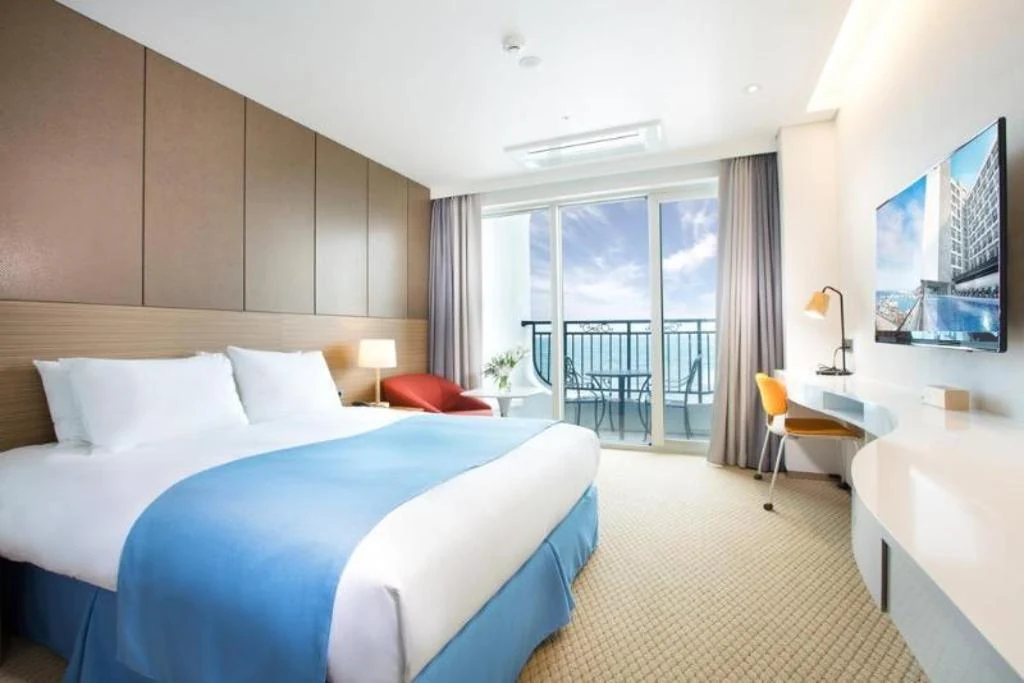
This is the flexible choice when the port timing is uncertain or the group wants to combine a public waterfront with meals and a simple return. It keeps luggage, breakfast and a changed plan manageable. The port needs a transfer, so save the terminal route before the day starts.
See Pyeongtaek staysA port-side stay for an early terminal
Choose this when a confirmed sailing or an early port appointment is the day’s anchor. It reduces the first transfer and lets the group return for bags. Confirm dinner, public access, pick-up and the departure margin; proximity to a gate is not the same as public waterfront access.
Compare Pyeongtaek port basesCity stays protect flexibility; port stays protect a fixed terminal morning.

Transport and access boundaries
Record the terminal, viewing point, parking, bus or taxi, food and return. A map line does not show gates, cargo traffic, queues or security. For a lakefront route, check the walking surface, shade, toilets and a place to sit. For a port route, follow signs and current instructions rather than treating every road beside water as a trail.
Keep large bags at the accommodation when possible. If a ferry delay appears, remove the distant waterfront first and protect check-in, food and the return. A route is successful when the group understands the port without creating a missed connection.
Four seasons by the water
| Season | Use as the anchor | Keep flexible |
|---|---|---|
| Spring | Short harbour context and a lake walk in the clearest part of the day. | Rain, wind, wet paths and changing opening patterns. |
| Summer | Waterfront in the morning or evening, with a shaded meal break. | Heat, storms, glare, crowds and ferry changes. |
| Autumn | Longer lake pauses and a calm port contrast. | Wind, earlier sunset and weekend traffic. |
| Winter | Short outdoor views with warm food and an indoor pause. | Cold wind, early darkness, icy surfaces and reduced facilities. |
When to drop the second waterfront
Time the accommodation-to-port transfer, access check, walk, meal and return. Add luggage, waiting and the least mobile companion. If the public waterfront leaves no terminal margin, keep the city or lake route and remove the port detour. If the port is the purpose, keep the public coast short and close.

Before departure
- Confirmed terminal and check-in margin.
- Open public viewing point and walking surface.
- Luggage, meal, toilets and return transport.
- One family-friendly lake alternative.
- The first stop to remove if a ferry moves.
Questions travellers ask
Can I walk around the working port?
Only in public or approved areas. Treat operational roads and gates as boundaries, then use a public waterfront for open walking.
Is Pyeongtaekho a replacement for the port?
It answers a leisure and water-view question, not a logistics question. Choose it when the group needs public space and a slower route.
Can this be done without a car?
Yes, when one waterfront section and its return are confirmed. Avoid connecting multiple distant edges by assumption.
What if the ferry is delayed?
Protect check-in and luggage, remove the distant coast, and use food or a nearby public view.
Where should I stay?
City bases suit flexibility; port bases suit a fixed terminal. Choose from the time-sensitive part of the day.
Pyeongtaek becomes clearer when the port is respected as working infrastructure and the public coast is allowed to be a real place to pause. Keep the boundary clear, choose one accessible route and let the stay reduce the hardest transfer.
KriNavi decision card
Best use of this page: Pyeongtaek Port and Coast: Working Harbour, Lakefront or a Short Route?
Core judgement: Plan a Pyeongtaek port and coast day by separating working-harbour access from public lakefront time, with transport, food, seasons and a useful base.
This card only reorganizes sources already listed by the page. Recheck live hours, prices, service, and restrictions for the travel date.