

Short answer: Cheonjiyeon Falls is a managed nature-and-timing decision. The group should choose between a calm waterfall walk, a current evening opening, a broader Seogwipo route or a short accessible stop while checking water, path, light and visitor conditions. Current hours, access, prices, reservations, transport, facilities, programmes, weather, closures and safety conditions are to be checked close to travel.
- the group names its purpose before choosing a route
- current access, transport, facilities and conduct rules are checked
- weather, mobility, attention and the least confident traveller shape the plan
- lodging and the next chapter are chosen by the complete route
What is the real choice?
Cheonjiyeon Falls can be a simple Seogwipo nature stop or a timing-sensitive evening chapter. The route includes a managed approach, paths, water, vegetation, a viewing point and a return to the city. Visit Jeju and Korea Tourism Organization materials establish the attraction, while current hours, last entry, lighting, weather restrictions, path work, facilities and night operation must be checked. Do not copy an old “open until” time into a live itinerary. Decide whether your group wants the waterfall itself, a calm forest walk, a night atmosphere or a base between Seogwipo meals and coast chapters. Rain may increase water while also making paths slippery. A short visit can be enough for an older traveller or child. A broader Jeju loop can make the falls a rushed checkbox. Choose Seogwipo lodging and transport by the actual return and next morning, and keep a daytime fallback if the evening promise is not confirmed.
Route and decision table
| Route | Choose it when | Suggested sequence | Trade-off |
|---|---|---|---|
| Daylight waterfall walk | The group wants water, shade and a measured nature chapter. | Check current opening, path, weather and facilities, then walk at a calm pace. | Best visibility and simpler return, but less night atmosphere. |
| Night-access option | The group specifically values evening lighting and a later Seogwipo route. | Verify current night operation, last entry, lights, weather and transport before committing. | Distinct mood, but the narrowest live and safety margin. |
| Short accessible stop | The group has limited energy and wants one confirmed waterfall viewpoint. | Check entrance, surfaces, seating, toilets and a meeting point before arrival. | Lower strain, but not every path or view is included. |
| Seogwipo base pairing | The falls are one chapter beside old port, market or coast. | Protect the falls window, then add one checked city contrast with a simple return. | Useful variety, but traffic and fatigue can thin both experiences. |
Water volume and walking comfort differ
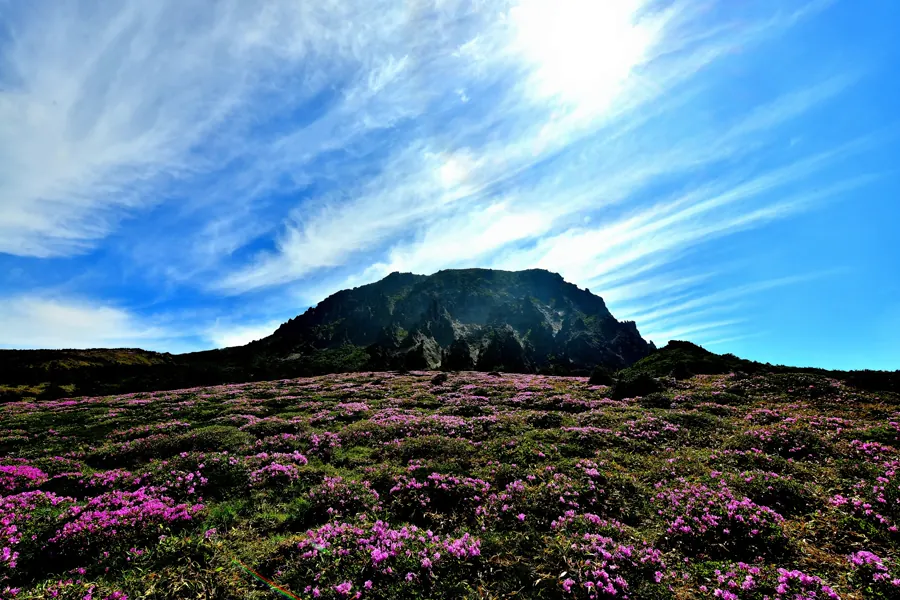
A waterfall often looks more dramatic after rain, but the same rain can change path grip, visibility and comfort. Do not promise that a wet forecast guarantees a better visit. Check warnings, surfaces, handrails, drainage, shoes and the actual traveller. A family may enjoy a short loop while an older visitor needs a bench and an early return. The group should choose whether water volume or walking ease matters more. The waterfall remains a destination even when the path has to be shortened.
Night is a separate product
A night-lit falls route can feel different from a daylight nature walk, but it depends on current lighting, hours, last admission, staffing, weather and safe access. Verify the official notice close to travel. Do not arrive late based on a years-old listing. If the night option is unavailable, use a confirmed evening in Seogwipo and keep the falls for daylight. Never trade safety or a guaranteed return for a dramatic photograph. The choice is atmosphere versus operational margin.
Read the approach, not just the water
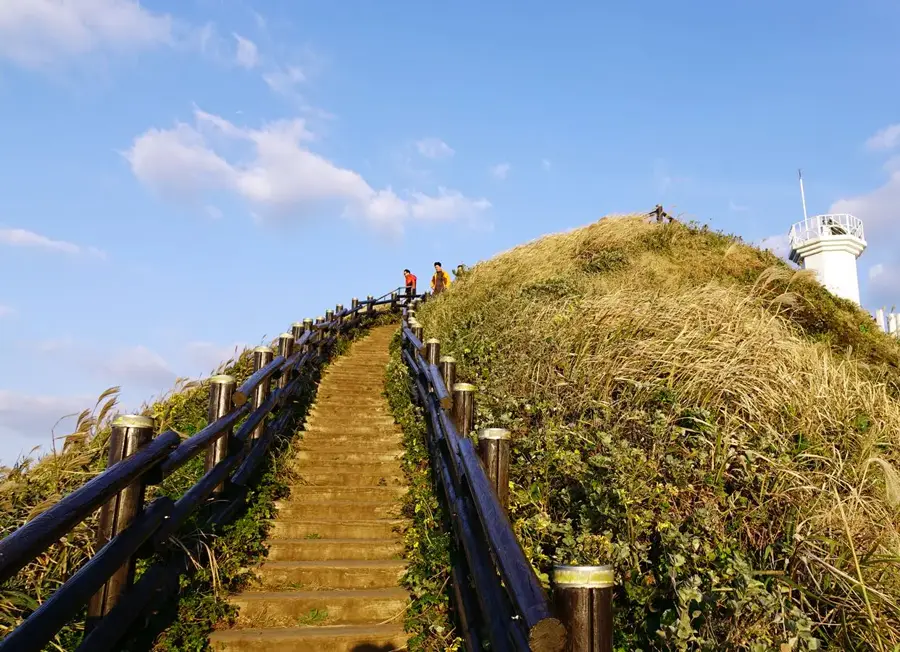
Managed paths can still include steps, wet stone, bridges, roots, slopes and narrow points. Check the actual route and the distance from transport. A traveller with a stroller, wheelchair or fatigue may need the venue's current accessibility information, not a generic park label. Set a meeting point at a broad public area. The group can share the waterfall experience even when some people stop before the furthest viewing point. A short, honest route is better than an inaccessible promise.
Use the falls as a Seogwipo anchor
Cheonjiyeon works well with one city or harbour contrast when the order respects opening and energy. A market meal, old port walk or another waterfall can add variety, but three water sites in one day may become repetitive and wet. Check current transfer, weather and food. If the group enjoys the forest path, drop the second attraction. If the falls are a short reset, keep the next city chapter simple. Route value comes from the change in pace, not the number of names.
Family and sensory planning
The sound of water, crowds, lights and wet surfaces affect children and sensory-sensitive travellers differently. Explain the route, identify a quiet pause and carry a warm or dry layer. Do not assume night lighting makes every child comfortable. Check toilets, food, stroller access, pets and photography rules from current guidance. A family can watch the water, leave and still have a successful nature chapter. The visitor should not need to endure discomfort to prove enthusiasm.
Transport after dark
A night route changes the transport decision. Check buses, taxis, parking, walking lights and the return to the actual base. A short attraction can be far less simple after last service or a rain shower. Arrange a meeting point and a backup. If a restaurant closes before the group exits, the late plan becomes less pleasant. Seogwipo lodging may reduce the risk, while a north-Jeju base makes the evening a larger commitment. Choose accordingly.
Season and maintenance are live
Paths, lights, railings, signs, toilets and viewing areas can change for maintenance, weather, conservation or crowd control. Use official Visit Jeju, city and KTO pages to identify what must be checked. A photograph proves a past condition, not today's access. The article can confidently recommend a purpose-first waterfall visit while leaving exact operating claims to the final check. This keeps the guide useful after a facility changes.
Leave the falls with a real fallback
Write a daylight and evening version before departing. If rain, closure, crowding or transport removes the chosen version, switch to a confirmed Seogwipo indoor or harbour chapter. Do not describe the waterfall as visited if the group only saw the gate. The strongest route is reversible and honest about what the water, path and city can each provide.
Evidence notes for this decision
Route evidence note — Daylight waterfall walk: choose this when the group wants water, shade and a measured nature chapter. The practical sequence is Check current opening, path, weather and facilities, then walk at a calm pace. The trade-off is Best visibility and simpler return, but less night atmosphere. Keep live access and operating details to be checked.
Route evidence note — Night-access option: choose this when the group specifically values evening lighting and a later seogwipo route. The practical sequence is Verify current night operation, last entry, lights, weather and transport before committing. The trade-off is Distinct mood, but the narrowest live and safety margin. Keep live access and operating details to be checked.
Route evidence note — Short accessible stop: choose this when the group has limited energy and wants one confirmed waterfall viewpoint. The practical sequence is Check entrance, surfaces, seating, toilets and a meeting point before arrival. The trade-off is Lower strain, but not every path or view is included. Keep live access and operating details to be checked.
Route evidence note — Seogwipo base pairing: choose this when the falls are one chapter beside old port, market or coast. The practical sequence is Protect the falls window, then add one checked city contrast with a simple return. The trade-off is Useful variety, but traffic and fatigue can thin both experiences. Keep live access and operating details to be checked.
Spring evidence note: The opportunity is Mild air and fresh vegetation can suit a quiet forested waterfall walk. The constraint is Rain, flowers and weekend demand can make paths wet or crowded. Before leaving, Check water, surfaces, access, weather, opening and city transfer. This is a planning prompt, not a forecast.
Summer evidence note: The opportunity is Water and shade can give a hot Jeju day a focused nature pause. The constraint is Heat, storms, glare, queues and late-night demand raise planning costs. Before leaving, Check warnings, water, shade, last entry, lighting and transport. This is a planning prompt, not a forecast.
Autumn evidence note: The opportunity is Cooler air can support a daylight walk and a Seogwipo city pairing. The constraint is Shorter light and events can narrow any evening route. Before leaving, Check daylight, current operation, demand, paths and lodging. This is a planning prompt, not a forecast.
Winter evidence note: The opportunity is A short daytime visit can anchor a calm south-Jeju itinerary. The constraint is Cold rain, wet surfaces, early darkness and closures weaken the broad loop. Before leaving, Check clothing, surfaces, opening, weather and a warm fallback. This is a planning prompt, not a forecast.
Positive signal: The group decides between water, forest, night atmosphere and city-base value. Evidence should be current, specific and tied to the group's actual route.
Positive signal: Current opening, last entry, lighting, paths, weather and access are checked. Evidence should be current, specific and tied to the group's actual route.
Positive signal: A shorter route and meeting point protect older, young or less mobile visitors. Evidence should be current, specific and tied to the group's actual route.
Positive signal: The falls are paired with one realistic Seogwipo contrast. Evidence should be current, specific and tied to the group's actual route.
Positive signal: A night closure or wet-weather change leaves a confirmed alternative. Evidence should be current, specific and tied to the group's actual route.
Limitation signal: Night opening or lighting is assumed from an old article. If this appears, shorten the promise or stop and verify.
Limitation signal: Rain is treated as a guaranteed better waterfall without surface and safety checks. If this appears, shorten the promise or stop and verify.
Limitation signal: The whole path is called accessible from a generic tourism label. If this appears, shorten the promise or stop and verify.
Limitation signal: Several waterfalls and city stops are stacked without a return buffer. If this appears, shorten the promise or stop and verify.
Limitation signal: A gate or nearby path is reported as the waterfall visit. If this appears, shorten the promise or stop and verify.
Four seasons at a glance
Seasonal trade-offs
| Season | What becomes attractive | What becomes harder | Check before committing |
|---|---|---|---|
| Spring | Mild air and fresh vegetation can suit a quiet forested waterfall walk. | Rain, flowers and weekend demand can make paths wet or crowded. | Check water, surfaces, access, weather, opening and city transfer. |
| Summer | Water and shade can give a hot Jeju day a focused nature pause. | Heat, storms, glare, queues and late-night demand raise planning costs. | Check warnings, water, shade, last entry, lighting and transport. |
| Autumn | Cooler air can support a daylight walk and a Seogwipo city pairing. | Shorter light and events can narrow any evening route. | Check daylight, current operation, demand, paths and lodging. |
| Winter | A short daytime visit can anchor a calm south-Jeju itinerary. | Cold rain, wet surfaces, early darkness and closures weaken the broad loop. | Check clothing, surfaces, opening, weather and a warm fallback. |
Five positive evidence signals
- The group decides between water, forest, night atmosphere and city-base value.
- Current opening, last entry, lighting, paths, weather and access are checked.
- A shorter route and meeting point protect older, young or less mobile visitors.
- The falls are paired with one realistic Seogwipo contrast.
- A night closure or wet-weather change leaves a confirmed alternative.
Five negative evidence signals and limitations
- Night opening or lighting is assumed from an old article.
- Rain is treated as a guaranteed better waterfall without surface and safety checks.
- The whole path is called accessible from a generic tourism label.
- Several waterfalls and city stops are stacked without a return buffer.
- A gate or nearby path is reported as the waterfall visit.
Three practical route shapes
Daylight falls: use water and forest as the anchor, then leave with a calm city return.
Night gate: verify every live condition, keep the route short and have a daytime fallback.
Seogwipo reset: choose one accessible section between city chapters and protect energy.
Accommodation and transport decision
| Stay shape | Choose it when | Trade-off |
|---|---|---|
| Seogwipo city base | Choose it when the falls and old port are central to the stay. | Shorter return, but current rooms, noise and evening food need checking. |
| Jungmun base | Choose it when the wider south-Jeju resort route matters. | More coastal options, but the falls transfer can be longer. |
| Jeju City or north base | Choose it when Seogwipo is one day in a full-island route. | Broader logistics, but a night visit has less margin and more driving. |
Field decisions before leaving
- m.visitjeju.net official or authoritative source — current operating details are to be checked.
- visitjeju.net official or authoritative source — current operating details are to be checked.
- english.visitkorea.or.kr official or authoritative source — current operating details are to be checked.
- www.visitjeju.net official or authoritative source — current operating details are to be checked.
Keep the waterfall day close to Seogwipo
Seogwipo city stay
Choose a Seogwipo room when Cheonjiyeon Falls is joined to the harbour, market or an evening walk. It keeps the short waterfall stop flexible and gives an easy meal and taxi return if rain changes the coast plan.
See Seogwipo stay choicesStay in town for a falls-and-harbour day; use another coast only when tomorrow starts farther away.
FAQ
Is Cheonjiyeon open at night?
Some sources describe evening access, but current hours, last entry and lighting must be checked on the official page.
Is it suitable after rain?
Water may be stronger, but paths can be slippery. Check warnings, surfaces and the actual visitor.
How long is the walk?
Use the current route and the group's pace; a short viewpoint visit can be complete without the full path.
Can families visit?
Yes with a clear distance, dry layer, toilets, sensory plan and exit.
Where should I stay?
Compare Seogwipo, Jungmun and north-island bases against the actual return and next day.
What if the night route is closed?
Use a confirmed Seogwipo evening and visit the falls in daylight another time; do not improvise unsafe access.
Set Cheonjiyeon Falls by light and water level
Cheonjiyeon fits naturally into a Seogwipo walk rather than taking a whole day. Rainfall, afternoon light and evening access change the experience. In daylight, connect the falls, bridge and a short estuary stretch. At night, keep only the lit path and a safe viewing block. Decide whether the anchor is water volume, reflected light or the market meal that follows.
Wet stone, steps and evening crowds need room in the clock. A slower companion can complete the theme near the entrance; no one needs to force the full valley. Heavy rain or a changed lighting area can hand the evening to the old port, a café or an indoor exhibition. Do not make a dark final path compulsory.
Choose the Seogwipo base for the next coast
A Seogwipo City room connects Cheonjiyeon, the daily market, the port and dinner. Jungmun works when tomorrow continues west or along the south coast. Spring and summer favour the water. Autumn adds a shaded walk. Winter means an earlier night and cooler wind, so shorten the evening and protect a hot meal. Choose by tomorrow’s direction and the return time, not only by minutes to the gate.
The loop is water, a safe path, a meal and a room. The falls are one strong chapter of a slower Seogwipo day, with an early-exit version that remains useful in every season.
KriNavi decision card
Best use of this page: Seogwipo Cheonjiyeon Falls Route Decision: Waterfall Walk, Night Visit or City-Base Reset?
Core judgement: Choose Cheonjiyeon Falls by waterfall walk, night access, Seogwipo city pairing, weather, mobility, transport and lodging.
Sources checked in this page: Source 1 · Source 2 · Source 3 · Source 4
This card only reorganizes sources already listed by the page. Recheck live hours, prices, service, and restrictions for the travel date.