
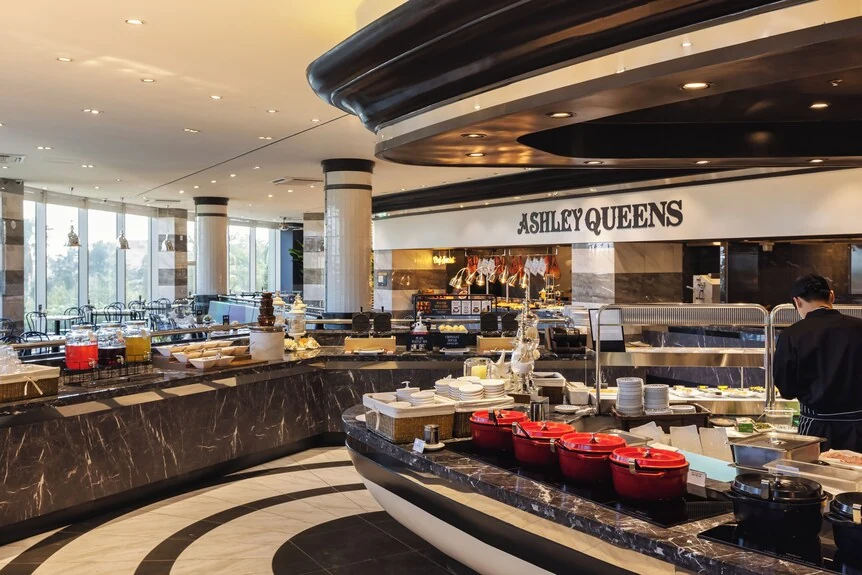
Short answer: Seogwipo Maeil Olle Market is a sensory and timing decision rather than a checklist stop. The group should choose between a focused food-and-shopping visit, an old-town route linking nearby streets and waterfalls, or a short weather-safe stop while accepting crowding, queues, seating, payment and opening details that must be checked. Visit Jeju, the market site and Korea Tourism Organization pages are the live starting points; individual stall availability, hours, parking, payment, dietary information and events are to be checked close to travel.
- Choose a food, browsing or old-town purpose before entering.
- Visit with enough time to eat without blocking lanes or chasing every stall.
- Treat the market as a flexible chapter, not proof that every speciality is available.
- Build the night around a return route, dietary needs and the accommodation base.
What is the real choice?
Seogwipo Maeil Olle Market is a sensory and timing decision rather than a checklist stop. The group should choose between a focused food-and-shopping visit, an old-town route linking nearby streets and waterfalls, or a short weather-safe stop while accepting crowding, queues, seating, payment and opening details that must be checked.
A market visit begins with a purpose
Olle Market can be a meal, a shopping errand, a photo-rich old-town walk or a night-market-style food stop. Those are different routes. A hungry group that wants a single meal should identify food limits, queue tolerance and where it can stand or sit before entering. A traveller collecting ingredients needs packaging, luggage space and a return plan. Someone who only wants atmosphere may need less time and more room to move. The official Visit Jeju listing describes the market as a permanent Seogwipo attraction near old-town links; it does not prove that every stall, menu or event is present today.
Decide the outcome before browsing. Without a purpose, market time expands through samples, queues and repeated loops. That can be enjoyable, but it should be a choice rather than a hidden cost that displaces a waterfall, bus or flight.
Food confidence requires live checks
Local specialities are useful search language, not a promise that a particular stall will open, accept a card, support an allergy or have a vegetarian portion. Check current stall, ingredient, payment and hygiene information where it matters. Avoid giving a precise price or menu as permanent fact. Ask politely, use translation support and make sure the group has a fallback meal if a favourite is sold out.
A market is a shared public space. Keep bags close, do not block vendors, and let the least confident eater decide how much sampling is comfortable. The route succeeds when the group gets fed, not when it photographs every counter.
Old-town links need a boundary
The market sits in a dense Seogwipo context where nearby streets and attractions can make an attractive walking circuit. Choose one or two confirmed links and state what gets dropped if rain, heat, hunger or a long queue intervenes. A short route to a museum street, port edge or waterfall may be more realistic than connecting every named place. Check slopes, crossings, darkness, weather and the final ride back.
Treat the market as the centre of a small route, not as a free transfer hub. A group carrying food, gifts or a child may prefer to return to the accommodation before another walk.
Crowds are a design constraint
Market energy can be the reason to visit, but density changes the experience. Visit during a lower-pressure window if the group values conversation or has mobility needs, while checking actual live business hours. Festival, holiday and night demand can change the lanes, queueing and available seating. Do not predict a quiet period from a generic seasonal rule.
Define a meeting point outside the busiest passage. A separated traveller should not have to navigate the entire market while carrying bags. Use a simple time limit and a fixed exit route.
Rain and heat change the food route
The market can be a useful Jeju weather buffer, but “indoors” does not mean a dry journey from the bus stop, a cool queue or a comfortable seat. Check the roofed and open sections, rain, wind, humidity and public transport. In summer, eat and hydrate before the group becomes impatient; in winter, check when vendors and nearby attractions actually operate.
If the weather worsens, keep the market as one safe chapter and drop the distant coast transfer. If the market is too crowded or a live notice changes access, a confirmed restaurant or museum is the better fallback.
Accommodation is part of a food decision
A late market meal is easier when the accommodation has a simple return, luggage storage and a plan for leftovers. Seogwipo city can support a walking evening, while a coast or resort base may require a bus, taxi or designated driver. Check last services, parking, road demand and dietary options before treating the market as dinner.
A Jeju itinerary that crosses the island after eating can spend more energy on transport than on the market. Choose a base that protects the group’s most important meal or outing, then keep the next morning realistic.

Families and dietary needs deserve a route
Children may enjoy colourful food and small purchases but tire in a noisy, crowded lane. Older travellers may need seats, restrooms and shorter loops. People with allergies, religious restrictions or a strict diet should have a clear question and a backup. Never treat a market as universally suitable because it offers many choices; choice is not the same as verified ingredients.
Give one adult the job of checking food and another the job of watching the route. A planned regroup point protects the meal and reduces the temptation to rush.
Use the market as a flexible anchor
The strongest Seogwipo plan has a market purpose, a single nearby contrast and a return. Check the official listing, market notice and live transport close to travel. Mark individual stalls, menu, event and queue assumptions to be checked. The article can recommend decision logic without pretending that a permanent market has a permanent experience.
Keep a weather-safe restaurant, accommodation meal or old-town alternative ready. A market is valuable because it supports choices; it should not make the whole day fragile.
Route and decision table
| Route | Choose it when | Suggested sequence | Trade-off |
|---|---|---|---|
| Food-first market | The group wants a meal of Jeju produce and street-food-style choices with browsing around it. | Check current hours, stall mix, dietary needs, seating, payment and a sober return route. | High sensory value and flexibility, but queues, noise and unknown stall availability. |
| Old-town connector | The market is one chapter beside central Seogwipo streets, a museum area or a waterfall route. | Walk a confirmed short loop, eat at a defined point and keep the market visit time-bounded. | More context and movement, but less time for stalls and greater weather exposure. |
| Rain-safe buffer | Rain or a late arrival makes an urban food stop more useful than a distant coast transfer. | Use the market only after checking live opening, crowding, shelter and transport. | Resilient location, but not a quiet indoor attraction and not a guarantee of dry walking. |
| Market-avoidance day | The group dislikes crowds, has strict dietary limits or wants a slow restaurant meal. | Choose a confirmed food or coast plan and use the market only as an optional browse. | Calmer and more predictable, but misses the market atmosphere. |
Food-first market evidence note: The group wants a meal of Jeju produce and street-food-style choices with browsing around it. The practical sequence is Check current hours, stall mix, dietary needs, seating, payment and a sober return route. The trade-off is High sensory value and flexibility, but queues, noise and unknown stall availability. Current access and operating details remain to be checked.
Old-town connector evidence note: The market is one chapter beside central Seogwipo streets, a museum area or a waterfall route. The practical sequence is Walk a confirmed short loop, eat at a defined point and keep the market visit time-bounded. The trade-off is More context and movement, but less time for stalls and greater weather exposure. Current access and operating details remain to be checked.
Rain-safe buffer evidence note: Rain or a late arrival makes an urban food stop more useful than a distant coast transfer. The practical sequence is Use the market only after checking live opening, crowding, shelter and transport. The trade-off is Resilient location, but not a quiet indoor attraction and not a guarantee of dry walking. Current access and operating details remain to be checked.
Market-avoidance day evidence note: The group dislikes crowds, has strict dietary limits or wants a slow restaurant meal. The practical sequence is Choose a confirmed food or coast plan and use the market only as an optional browse. The trade-off is Calmer and more predictable, but misses the market atmosphere. Current access and operating details remain to be checked.
Spring evidence note: The opportunity is Fresh produce and a comfortable old-town walk can support a food-and-street route. The constraint is Wind, rain, blossom demand and weekend queues can reduce browsing space. Before leaving, Check stall hours, weather, walking conditions, queues and transport. This is a planning prompt, not a forecast.
Summer evidence note: The opportunity is Long evenings support a market meal followed by a short Seogwipo walk. The constraint is Heat, humidity, storms, melting food and tourist density raise comfort and timing costs. Before leaving, Check shade, hydration, live opening, food storage, rain and return service. This is a planning prompt, not a forecast.
Autumn evidence note: The opportunity is Cooler air can make a food-first market and old-town loop pleasant. The constraint is Holiday demand and earlier darkness can compress the second chapter. Before leaving, Check demand, daylight, stall availability, weather and accommodation. This is a planning prompt, not a forecast.
Winter evidence note: The opportunity is A central market can give a coastal itinerary a warm, practical food chapter. The constraint is Cold rain, wind and seasonal hours may shorten the browse or the nearby walk. Before leaving, Check opening, shelter, heating, bus or taxi, food stock and a warm fallback. This is a planning prompt, not a forecast.
Four seasons at a glance
Seasonal trade-offs
| Season | What becomes attractive | What becomes harder | Check before committing |
|---|---|---|---|
| Spring | Fresh produce and a comfortable old-town walk can support a food-and-street route. | Wind, rain, blossom demand and weekend queues can reduce browsing space. | Check stall hours, weather, walking conditions, queues and transport. |
| Summer | Long evenings support a market meal followed by a short Seogwipo walk. | Heat, humidity, storms, melting food and tourist density raise comfort and timing costs. | Check shade, hydration, live opening, food storage, rain and return service. |
| Autumn | Cooler air can make a food-first market and old-town loop pleasant. | Holiday demand and earlier darkness can compress the second chapter. | Check demand, daylight, stall availability, weather and accommodation. |
| Winter | A central market can give a coastal itinerary a warm, practical food chapter. | Cold rain, wind and seasonal hours may shorten the browse or the nearby walk. | Check opening, shelter, heating, bus or taxi, food stock and a warm fallback. |
Five positive evidence signals
- The group enters with a food, browsing or old-town purpose rather than an attraction quota.
- Current market hours, access, payment, dietary information and transport are checked.
- One nearby contrast is chosen with a clear stopping point and return.
- Crowding, luggage, family pace and meeting points are part of the route design.
- A restaurant or accommodation meal remains available if the market changes.
Five negative evidence signals and limitations
- A named stall, menu, price or opening hour is presented as permanently guaranteed.
- The market is described as quiet, fully indoors or universally accessible without evidence.
- Food allergies, dietary restrictions or ingredient questions are treated as an afterthought.
- The route crosses Jeju late at night without a confirmed return plan.
- A market visit is reported as completed without current evidence.
Three practical route shapes
Food anchor: arrive with a short list, eat deliberately, browse, then return or take one nearby walk.
Old-town loop: link the market to one confirmed street, museum or waterfall and keep an exit time.
Rain buffer: use the central market when the coast is unsuitable, but verify live access and a dry transfer.
Accommodation and transport decision
| Stay shape | Choose it when | Trade-off |
|---|---|---|
| Seogwipo old-town base | The market meal and nearby walking are the evening priority. | Demand, parking, noise and current room availability still need checking. |
| South-coast accommodation | The market is a planned food chapter before returning to a coastal base. | A late bus or taxi and food storage can be less convenient. |
| Jeju transit base | The market fits between island transfers and the next day is elsewhere. | Luggage, last service and a long cross-island route reduce flexibility. |
Field decisions before leaving
Write the food purpose, dietary questions, live market hours, one nearby link, a crowd meeting point and the return. Check weather, walking surfaces, payment, stall availability, parking, bus or taxi and accommodation. If an individual claim cannot be confirmed, label it to be checked rather than turning it into a promise.
- visitjeju.net authoritative source — live details are to be checked.
- www.seogwipo-maeilollemarket.com authoritative source — live details are to be checked.
- visitjeju.net authoritative source — live details are to be checked.
- english.visitkorea.or.kr authoritative source — live details are to be checked.
FAQ
Is Olle Market a restaurant?
It is a market with many food and shopping choices, so plan for browsing, queues, payment and uncertain individual stalls rather than one fixed menu.
Can I visit in rain?
It may be a useful urban buffer, but the transfer, open sections, crowding and live opening still need checking.
How long should I stay?
Choose a time limit from your food purpose and the next route; do not build the day around an invented universal duration.
Can I rely on a specific food?
No. Check the current stall, ingredients, allergy response, payment and availability on the day.
Where should I stay?
An old-town base simplifies a late meal; a coastal base may require a confirmed taxi or bus return.
What nearby place should I add?
Pick one confirmed old-town, port, museum or waterfall chapter and keep the exit flexible.
KriNavi decision card
Best use of this page: Seogwipo Olle Market Route Decision: Food Crawl, Old-Town Base or Rain-Safe Jeju Plan?
Core judgement: Choose Seogwipo Maeil Olle Market by food goals, crowd tolerance, old-town walking, transport, lodging, weather and timing.
Sources checked in this page: Source 1 · Source 2 · Source 3 · Source 4
This card only reorganizes sources already listed by the page. Recheck live hours, prices, service, and restrictions for the travel date.