
Short answer: Seoul Botanic Park is easiest to enjoy when visitors choose between the timed greenhouse and the large outdoor zones, then build the route around weather, walking scale and Magok access. Current hours, prices, reservations, transport, facilities, weather, events, closures and safety notices are to be checked close to travel.
- A zone-by-zone decision guide that separates the paid or timed greenhouse experience from Open Forest, Lake Garden and Wetland Garden, giving families, plant learners and airport-area travellers a usable fallback.
- Choose one primary experience and one reversible fallback.
- Current hours, prices, reservations, transport, facilities, weather, events, closures and safety notices are to be checked close to travel.
- Choose lodging around the actual return and the group’s least flexible need.
Choose a zone before entering the park
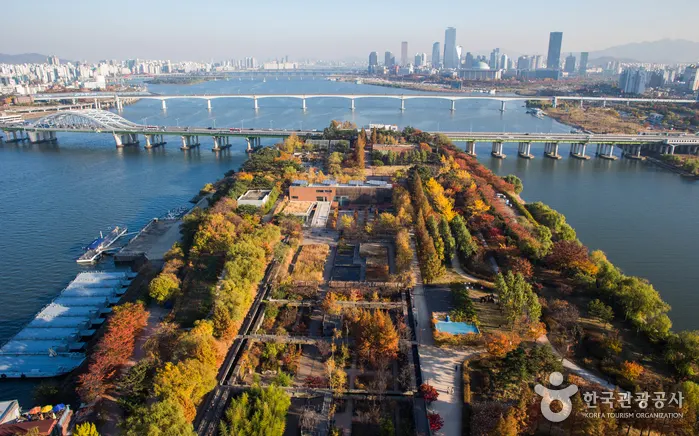
Seoul Botanic Park is large enough that “visit the park” is not a route. Official descriptions divide the experience into Open Forest, Lake Garden, Wetland Garden and the greenhouse or Themed Garden. Each zone changes the answer to a traveller’s question: do we want plant interpretation, a broad outdoor walk, water and rest, or an easy family loop? Pick the zone that solves the day’s need.
The scale is a benefit and a limitation. It allows a visitor to shorten the route without losing greenery, but it can also create a long walk between attractive names. Check the current map, entrance, opening hours, closures, restrooms and weather. A short greenhouse visit plus one outdoor zone may be more satisfying than trying to “complete” the park.
Make the greenhouse a timed anchor
The greenhouse and Themed Garden offer the most concentrated plant-learning experience, and official listings give seasonal hours and a Monday closure pattern that should be checked for the travel date. A plant-focused traveller may build the day around entry and then use the outdoor zones as a slower extension. A family may prefer the greenhouse only if the children can handle indoor heat, humidity and a set route.
Reservations, admission, last entry, partial closures and current exhibits are practical gates. Do not assume that a greenhouse window can be moved around a fixed airport transfer. Arrive with enough time for queues and the walk from the chosen entrance, then leave a buffer for the outdoor zone. Current hours, prices, programmes, ventilation, closures and access are to be checked close to travel.
Use the outdoor zones as a real fallback
Open Forest, Lake Garden and Wetland Garden can carry the visit when a greenhouse is closed, crowded or not the group’s priority. The outdoor route is more weather-dependent but can be more flexible. Choose one zone by purpose: a lake edge for an easy pause, wetland views for ecology, or forest paths for a broader reset.
Free outdoor access does not mean effortless access. Heat, rain, wind, mud, shade and walking distance matter. The park guide also sets rules about bikes, kick scooters, tents, cooking, smoking, fishing and pets in certain garden zones. Check the current guide and signs, then use a surface and distance the group can complete without blocking shared paths.
Treat Magok access as part of the route
The park’s Magok setting can work as a half-day nature break, a family stop between neighbourhood plans or a practical chapter before or after airport travel. The best entrance depends on the chosen zone and the group’s luggage, mobility and next destination. Save the exact entrance and a meeting point; a city map pin does not explain the park’s scale.
A traveller with a flight should not put the greenhouse at the end of an unbuffered day. A local resident may prefer a morning outdoor loop and a nearby meal. A family staying in central Seoul may value the direct rail journey but need a shorter return. Check current access, elevators, luggage rules, parking, transit and airport timing. Keep the park route reversible until the group sees the weather.
Use seasons to choose indoor or outdoor depth
Spring and autumn can make the outdoor zones comfortable, while summer heat or winter cold may increase the value of a greenhouse and shorter lake or wetland loop. The greenhouse itself has a different seasonal operating pattern from outdoor areas, and a current listing may have temporary closures. Season is therefore a decision about comfort and hours, not a promise of a particular bloom.
A plant learner may accept humidity in the greenhouse for a deeper visit; someone seeking open air may prefer the forest even in cooler weather. Check current plant displays, outdoor planting, shade, water, pollen, snow or rain. If a bloom is central to the trip, treat it as to be checked and choose a zone that still works if timing shifts.
Plan family and accessibility details
The park can serve families and mixed-age groups when the route has a clear rest rhythm. Decide where a child can pause, where a stroller can move, where a wheelchair user can avoid a difficult surface and where everyone reunites after separate interests. A wide park does not make every path identical, and the greenhouse can add heat or crowding.
Use the official guide and current staff information for lifts, restrooms, seating, nursing or family facilities and any temporary restrictions. Do not promise that a particular route is fully accessible without checking the exact section. A short outdoor zone and a confirmed indoor stop can be a stronger family plan than a long loop with no exit.
Build a rain and heat route
Rain can make the greenhouse feel like the obvious answer, but it may also make the approach, queues and indoor crowding harder. Heat can make the outdoor lake edge beautiful and exhausting at once. Check the forecast, shade, drinking water, umbrellas, clothing and current indoor capacity. Choose the first anchor that the group can reach comfortably.
When the weather changes, reduce the park to one zone plus a confirmed meal or indoor stop. Wetland paths and open forest can be attractive in light rain but uncomfortable in wind or thunder. Follow current warnings and closures. The goal is not to prove that every zone was visited; it is to leave with enough energy for the next destination.
Choose a Magok or central Seoul base
Magok or an airport-side base can make an early greenhouse visit and an easy return practical. Central Seoul offers broader dining, culture and hotel choice if the park is one chapter in a longer itinerary. Compare the group’s real next move, luggage, airport margin, meal need and tolerance for an extra transfer.
A hotel near the park may be useful for children, older travellers or a slow morning, but check current rooms, elevators, breakfast, luggage storage and transit. Airport proximity is not a reason to gamble with a flight. If the park closes, a central base may offer more indoor alternatives; if the group wants a quiet green day, Magok can reduce the city pressure.
Follow garden rules as part of the visit
The official guide sets boundaries that protect plants and the experience: restrictions can include bicycles, kick scooters, tents, smoking, cooking, fishing and pets in specified garden areas. Read the current rules before entering rather than treating the park like an unrestricted picnic lawn. The garden’s quality depends on visitors accepting that not every space is for every activity.
Photography should leave room for other visitors and avoid stepping into beds. Keep food, noise and equipment within current rules, and follow staff instructions if a zone closes. If the group needs a picnic or bike ride, choose a confirmed area elsewhere instead of bending garden restrictions. Current rules, closures, events and facilities are to be checked close to travel.
Finish with one plant memory
A good Botanic Park visit need not be a marathon. Choose one plant story, one landscape and one practical rest point that the group can remember. The greenhouse can provide detail; the lake or wetland can provide space; the open forest can provide a reset. Let the route end while the park still feels generous.
Before leaving, check the next transport and whether bags, wet coats, children or tired feet need a different exit. If the group has extra energy, add a confirmed nearby meal or Magok stop. If the park felt too large, that is useful evidence for the next Seoul day. Current map details, hours, closures, weather and transport remain to be checked.
Route and decision table
| Route | Choose it when | Suggested sequence | Trade-off |
|---|---|---|---|
| Greenhouse and one outdoor zone | Plant learning is the main reason and the group wants a balanced half day. | Check greenhouse hours and entry; choose Lake, Wetland or Open Forest; leave via the confirmed nearest exit. | Best depth-to-distance balance, but timed entry and indoor conditions matter. |
| Outdoor family loop | The group wants flexible greenery, movement and frequent pauses. | Choose one outdoor zone; identify restrooms and shade; keep the greenhouse optional; finish near food. | Most reversible, but weather and walking surface can reduce comfort. |
| Rain-smart greenhouse visit | Weather makes an indoor plant experience more valuable. | Confirm current opening and closures; arrive with an umbrella plan; use one short outdoor view if safe. | Protects the day from rain, but queues, humidity and capacity can be limiting. |
| Airport or Magok buffer stop | The park sits between a city stay and a later transfer. | Check luggage and timing; choose the nearest confirmed zone; set a hard exit; protect airport margin. | Efficient for a short green break, but a delayed route can become risky before a flight. |
Greenhouse and one outdoor zone evidence note: The positive signal is Plant learning is the main reason and the group wants a balanced half day. The practical sequence is Check greenhouse hours and entry; choose Lake, Wetland or Open Forest; leave via the confirmed nearest exit. The limitation is Best depth-to-distance balance, but timed entry and indoor conditions matter. Current hours, prices, reservations, transport, facilities, weather, events, closures and safety notices are to be checked close to travel.
Outdoor family loop evidence note: The positive signal is The group wants flexible greenery, movement and frequent pauses. The practical sequence is Choose one outdoor zone; identify restrooms and shade; keep the greenhouse optional; finish near food. The limitation is Most reversible, but weather and walking surface can reduce comfort. Current hours, prices, reservations, transport, facilities, weather, events, closures and safety notices are to be checked close to travel.
Rain-smart greenhouse visit evidence note: The positive signal is Weather makes an indoor plant experience more valuable. The practical sequence is Confirm current opening and closures; arrive with an umbrella plan; use one short outdoor view if safe. The limitation is Protects the day from rain, but queues, humidity and capacity can be limiting. Current hours, prices, reservations, transport, facilities, weather, events, closures and safety notices are to be checked close to travel.
Airport or Magok buffer stop evidence note: The positive signal is The park sits between a city stay and a later transfer. The practical sequence is Check luggage and timing; choose the nearest confirmed zone; set a hard exit; protect airport margin. The limitation is Efficient for a short green break, but a delayed route can become risky before a flight. Current hours, prices, reservations, transport, facilities, weather, events, closures and safety notices are to be checked close to travel.
Four seasons at a glance
Seasonal trade-offs
| Season | What becomes attractive | What becomes harder | Check before committing |
|---|---|---|---|
| Spring | Outdoor planting, milder air and fresh green views can support a longer zone walk. | Rain, pollen and temporary garden works can change comfort and colour. | Check displays, closures, pollen, paths, hours and transit. |
| Summer | A greenhouse and shaded or water-side zone can create a layered green day. | Heat, humidity, storms and glare increase fatigue outdoors and indoors. | Check heat, ventilation, shade, storms, water, admission and closing time. |
| Autumn | Cooler air and changing foliage favour an outdoor walk paired with plant detail. | Crowding and seasonal maintenance can alter the best route. | Check current planting, events, hours, crowds, surfaces and the return. |
| Winter | The greenhouse offers concentrated colour and learning when outdoor time is short. | Cold, early darkness and greenhouse closures make a backup essential. | Check Monday closure, hours, heating, access, weather, facilities and lodging. |
Spring evidence note: The opportunity is Outdoor planting, milder air and fresh green views can support a longer zone walk. The constraint is Rain, pollen and temporary garden works can change comfort and colour. Before leaving, Check displays, closures, pollen, paths, hours and transit. Current hours, prices, reservations, transport, facilities, weather, events, closures and safety notices are to be checked close to travel.
Summer evidence note: The opportunity is A greenhouse and shaded or water-side zone can create a layered green day. The constraint is Heat, humidity, storms and glare increase fatigue outdoors and indoors. Before leaving, Check heat, ventilation, shade, storms, water, admission and closing time. Current hours, prices, reservations, transport, facilities, weather, events, closures and safety notices are to be checked close to travel.
Autumn evidence note: The opportunity is Cooler air and changing foliage favour an outdoor walk paired with plant detail. The constraint is Crowding and seasonal maintenance can alter the best route. Before leaving, Check current planting, events, hours, crowds, surfaces and the return. Current hours, prices, reservations, transport, facilities, weather, events, closures and safety notices are to be checked close to travel.
Winter evidence note: The opportunity is The greenhouse offers concentrated colour and learning when outdoor time is short. The constraint is Cold, early darkness and greenhouse closures make a backup essential. Before leaving, Check Monday closure, hours, heating, access, weather, facilities and lodging. Current hours, prices, reservations, transport, facilities, weather, events, closures and safety notices are to be checked close to travel.
Five positive evidence signals
- The group chooses greenhouse depth, one outdoor zone, a family loop or a transfer buffer.
- Current greenhouse hours, admission, closures, map and access are checked before arrival.
- Outdoor areas are treated as a flexible fallback with weather and surface limits.
- A Magok or central Seoul base is chosen around the next real transfer and meal.
- Garden rules about equipment, pets, food, smoking and photography are followed.
Five negative evidence signals and limitations
- The entire park is treated as a compact garden that can be completed between trains.
- A bloom, display, opening hour or access condition is promised without checking the current listing.
- The greenhouse and every outdoor zone are stacked in heat, rain or before a flight.
- Accessibility is inferred from the word park without checking the exact entrance and path.
- Bikes, scooters, tents, cooking, smoking, fishing or pets are brought into restricted garden areas.
Three practical route shapes
Detail then air: Start in the greenhouse, take one outdoor zone and leave through the confirmed practical exit.
Outdoor reset: Choose Lake, Wetland or Open Forest, build rest stops and keep indoor plants optional.
Travel buffer: Use the nearest confirmed zone, set a hard departure time and protect the airport or rail connection.
Accommodation and transport decision
| Stay shape | Choose it when | Trade-off |
|---|---|---|
| Magok or airport-side base | The group wants an early park visit or a relaxed transfer day. | Less city backtracking, but check meals, rooms, luggage and flight margin. |
| Central Seoul base | The park is one part of a broader Seoul itinerary. | More dining and indoor alternatives, but the park transfer takes planning. |
| Family-focused nearby base | Rest, lift access and a short return matter more than central nightlife. | Comfortable for mixed ages, but verify actual entrance, room supply and late transport. |
Field decisions before leaving
- Korea Tourism Organization Seoul Botanic Park — current details are to be checked.
- Seoul Botanic Park official English guide PDF — current details are to be checked.
- Seoul Official Travel Guide Seoul Botanic Park — current details are to be checked.
- Seoul Official nature article on Botanic Park — current details are to be checked.
- Seoul official English travel information — current details are to be checked.
FAQ
How large is Seoul Botanic Park?
It is large enough that choosing one or two zones is wiser than treating it as a quick single attraction.
Is the greenhouse always open?
No. Hours, Monday closure patterns, admission, programmes and temporary closures are to be checked for the date.
Can I visit only the outdoor gardens?
Yes, where current access allows; choose a zone and follow current rules and weather limits.
Is it suitable before an airport transfer?
It can be a buffer only with luggage, entrance, transit and a hard departure time confirmed.
Where should I stay?
Magok reduces park transfer pressure; central Seoul offers wider options but needs more travel time.
Can I bring a bike or pet?
Rules vary by zone and the official guide lists restrictions; check the current guide and signs before arrival.
KriNavi decision card
Best use of this page: Seoul Botanic Park Route Decision: Greenhouse Depth, Open Forest or a Magok Family Nature Day?
Core judgement: Choose Seoul Botanic Park by greenhouse learning, outdoor zones, seasonal hours, weather, airport-area access and a practical stay.
Sources checked in this page: Source 1 · Source 2 · Source 3 · Source 4
This card only reorganizes sources already listed by the page. Recheck live hours, prices, service, and restrictions for the travel date.