
Short answer: Seoul Grand Park is a destination campus rather than one compact attraction. The zoo, botanical garden, Theme Garden, Healing Forest, lake, museum, campsite and nearby Seoul Land can each consume a meaningful part of the day. Choose the lead facility and the walking intensity before buying tickets or promising the children everything. A realistic Grand Park route protects the group from distance, heat, queues and a difficult return. Current hours, prices, reservations, transport, facilities, weather, events, closures and safety notices are to be checked close to travel.
- A campus-scale route plan that separates paid facilities, forest paths, lake and museum extensions, park transport, seasonal hours and the fatigue cost of trying to see everything.
- Choose one primary experience and one reversible fallback.
- Current hours, prices, reservations, transport, facilities, weather, events, closures and safety notices are to be checked close to travel.
- Choose lodging around the actual return and the group’s least flexible need.
Choose the anchor facility
The official park site presents several distinct facilities and recommended courses. A zoo-led day has animal timing and distance; a botanical route rewards plant attention; a Theme Garden visit can be shorter; the Healing Forest changes the day into a walk. Choose one anchor and one optional companion. That decision is more useful than trying to do Grand Park as a single attraction.
The trade-off is breadth versus depth. A family may value a few animals and a comfortable meal over a complete zoo circuit. A plant lover may prefer garden and lake time to a noisy amusement area. Put the group’s reason in the route table before deciding how many tickets or transfers are sensible.
Read seasonal hours as a hard boundary
Seoul Grand Park publishes different zoo and Theme Garden hours for spring and autumn, summer and winter, with last admission before closing. Facility hours, animal conditions and weather can also affect access. Check the exact date and facility before planning the final exhibit. A park that opens early can still become a poor late-day plan when the campus is large.
The trade-off is an early start versus a protected return. Families may prefer a shorter route at a comfortable hour; photographers may choose late light but need to drop a distant facility. Treat closing time as a route boundary, not an invitation to run between zones.
Use park transport as a decision, not a rescue
The park’s size and visitor information describe transport options such as the Elephant Train and Sky Lift, with separate hours or fares. Check current operation, boarding point, queue and accessibility. A ride can save legs, but it does not erase the distance between a station, animal house, garden or exit.
Walking gives control over stops and is often better for the Healing Forest or lake. Park transport can help children, older walkers and a zoo-led route, but a queue can be longer than the walk. Choose the mode for the group’s actual energy and time rather than assuming a vehicle makes every zone close.
Plan the zoo by animal and energy
A zoo visit is not a race between enclosures. Choose the animals or areas that matter, check current animal-house notices and set a rest and meal point. Young children may need water, shade and a simple final exhibit. Adults should know that animal visibility and activity vary, so the route should not depend on one animal appearing at a particular moment.
The trade-off is fewer enclosures versus better attention and less fatigue. If the day is hot, use shaded or indoor sections where available and leave before the group loses patience. A child-friendly route is a real route, not a smaller version of an adult wish list.
Use gardens and forest for a different pace
The Botanical Garden, Theme Garden and Healing Forest offer alternatives to a full zoo day. Official information describes forest courses with different lengths, while the botanical route can suit plant and flower interests. Check current paths, seasonal displays, reservations and weather. These facilities can be the main reason to visit or the recovery after a crowded zoo.
A forest course still has distance and surface decisions, and a garden may have limited shade at certain times. The trade-off is calm versus coverage. Choose a section that matches the group and keep a museum or indoor option available if rain, heat or allergies change the plan.
Pair the lake and museum carefully
The park’s recommended courses connect the reservoir, Theme Garden and art museum, creating a romantic or culture-led sequence. This can suit adults or mixed groups who want landscape and art rather than animals. Verify museum hours, ticketing, walking distance and the actual route between the reservoir and the facility.
The lake route can look gentle but become a long add-on after a zoo or garden. Choose it as an alternative to, not automatically after, a full facility. The trade-off is a richer cultural day versus less time for the anchor. Let the group vote before adding the second long walk.
Make access and rest visible
Seoul Grand Park publishes facilities such as restrooms, information, wheelchair or stroller rental and storage, but current availability and exact locations need checking. Save a meeting point near the entrance and one within the chosen facility. A mobility plan should specify the path and the stopping point, not simply say the park is accessible.
Tickets, park transport and large distances can divide a group. Give a slower traveller an independent rest option and avoid making a single person chase the fastest walkers. The trade-off is less geographic coverage in exchange for a shared pace and a safer return.
Choose weekend transport and lodging
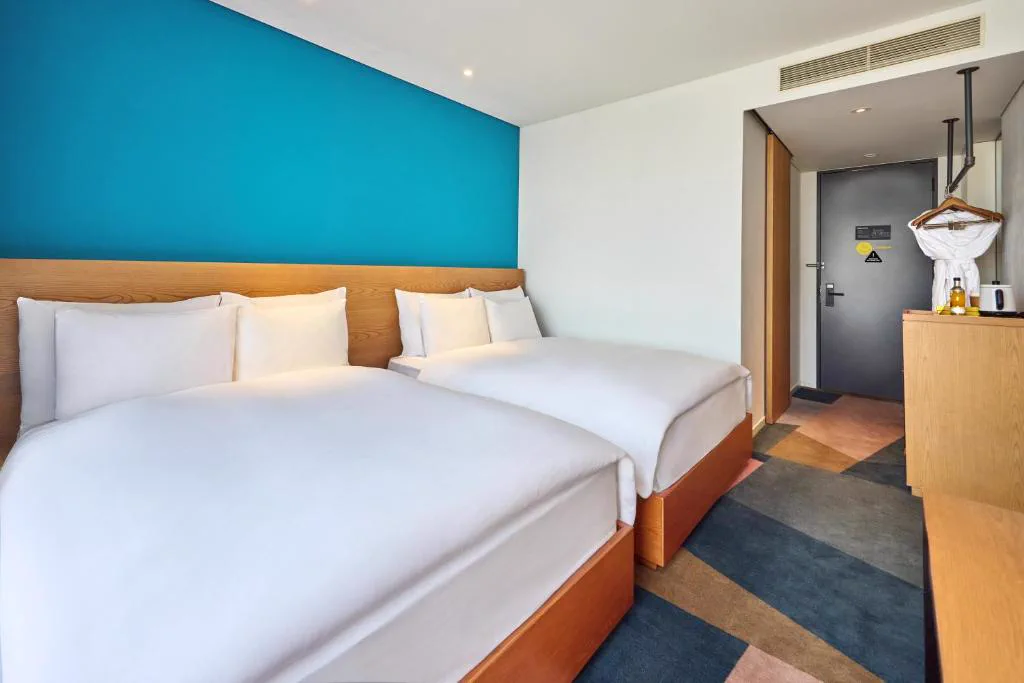
The official visitor guide recommends public transport on busy weekends and holidays because the zoo, campsite, Seoul Land and museums can create congestion. Line 4 access is a useful starting point, but check the actual station exit, parking, traffic and return. A Gwacheon base supports an early start; Seoul lodging gives a wider network.
Driving can carry children, strollers and supplies but may add parking and exit stress. Public transport avoids the car but requires a clear finish and luggage plan. Choose lodging around the day after Grand Park as well as the entrance, especially if the group will be tired.
End before the campus wins
A good Grand Park day ends with the chosen facility complete, food handled and the group still able to reach the station or hotel. If the zoo, garden or forest has delivered its main value, skip a distant add-on. Check the final facility and park-transport buffer while there is still daylight.
If weather, animal conditions, queue or energy changes the plan, switch to a shorter course, museum or confirmed indoor option. A campus-scale destination is successful when the group leaves with a clear memory, not when every map label has been visited.
Route and decision table
| Route | Choose it when | Suggested sequence | Trade-off |
|---|---|---|---|
| Zoo-led family day | Animals and children’s attention are the main purpose. | Check zoo hours and notices; choose priority animal areas; use rest and park transport selectively; leave before closing pressure. | High family value, but distance, heat, queues and animal visibility vary. |
| Botanical and Theme Garden | Plants, flowers and a slower outdoor pace matter. | Check seasonal displays and hours; choose garden sections; add one meal or museum option; keep the exit simple. | Calmer and focused, but weather and bloom timing affect the reward. |
| Healing Forest and lake | The group wants nature and a measured walk rather than a zoo. | Check forest course length and surfaces; walk a short section; pair the lake or museum only if energy remains. | Restorative, but a short campus route can still become long. |
| Full-course sampler | The group has a long day and accepts multiple ticketed and walking decisions. | Protect one anchor; confirm park transport and hours; drop the second facility if the buffer shrinks. | Most varied, but the highest fatigue and timing risk. |
Zoo-led family day evidence note: The positive signal is Animals and children’s attention are the main purpose. The practical sequence is Check zoo hours and notices; choose priority animal areas; use rest and park transport selectively; leave before closing pressure. The limitation is High family value, but distance, heat, queues and animal visibility vary. Current hours, prices, reservations, transport, facilities, weather, events, closures and safety notices are to be checked close to travel.
Botanical and Theme Garden evidence note: The positive signal is Plants, flowers and a slower outdoor pace matter. The practical sequence is Check seasonal displays and hours; choose garden sections; add one meal or museum option; keep the exit simple. The limitation is Calmer and focused, but weather and bloom timing affect the reward. Current hours, prices, reservations, transport, facilities, weather, events, closures and safety notices are to be checked close to travel.
Healing Forest and lake evidence note: The positive signal is The group wants nature and a measured walk rather than a zoo. The practical sequence is Check forest course length and surfaces; walk a short section; pair the lake or museum only if energy remains. The limitation is Restorative, but a short campus route can still become long. Current hours, prices, reservations, transport, facilities, weather, events, closures and safety notices are to be checked close to travel.
Full-course sampler evidence note: The positive signal is The group has a long day and accepts multiple ticketed and walking decisions. The practical sequence is Protect one anchor; confirm park transport and hours; drop the second facility if the buffer shrinks. The limitation is Most varied, but the highest fatigue and timing risk. Current hours, prices, reservations, transport, facilities, weather, events, closures and safety notices are to be checked close to travel.
Four seasons at a glance
Seasonal trade-offs
| Season | What becomes attractive | What becomes harder | Check before committing |
|---|---|---|---|
| Spring | Flowers, mild walking and a garden or zoo route can support a long day. | Weekends, rain and seasonal crowds reduce the comfort buffer. | Check facility hours, flowers, queues, weather, tickets and transport. |
| Summer | Long daylight and green forest routes can support a slow morning start. | Heat, humidity, storms and exposed zoo paths raise fatigue. | Check heat, shade, water, animal notices, storms and the final return. |
| Autumn | Cool air and foliage can make zoo, garden and lake courses attractive. | Events, weekend traffic and shorter light compress the campus route. | Check foliage, crowding, hours, last admission, park transport and food. |
| Winter | A focused zoo, botanical or museum route can feel structured and clear. | Early darkness, cold and reduced hours limit distant add-ons. | Check winter hours, indoor facilities, weather, closures, clothing and transit. |
Spring evidence note: The opportunity is Flowers, mild walking and a garden or zoo route can support a long day. The constraint is Weekends, rain and seasonal crowds reduce the comfort buffer. Before leaving, Check facility hours, flowers, queues, weather, tickets and transport. Current hours, prices, reservations, transport, facilities, weather, events, closures and safety notices are to be checked close to travel.
Summer evidence note: The opportunity is Long daylight and green forest routes can support a slow morning start. The constraint is Heat, humidity, storms and exposed zoo paths raise fatigue. Before leaving, Check heat, shade, water, animal notices, storms and the final return. Current hours, prices, reservations, transport, facilities, weather, events, closures and safety notices are to be checked close to travel.
Autumn evidence note: The opportunity is Cool air and foliage can make zoo, garden and lake courses attractive. The constraint is Events, weekend traffic and shorter light compress the campus route. Before leaving, Check foliage, crowding, hours, last admission, park transport and food. Current hours, prices, reservations, transport, facilities, weather, events, closures and safety notices are to be checked close to travel.
Winter evidence note: The opportunity is A focused zoo, botanical or museum route can feel structured and clear. The constraint is Early darkness, cold and reduced hours limit distant add-ons. Before leaving, Check winter hours, indoor facilities, weather, closures, clothing and transit. Current hours, prices, reservations, transport, facilities, weather, events, closures and safety notices are to be checked close to travel.
Five positive evidence signals
- The group chooses zoo, garden, forest, museum or a child-led route as the anchor.
- Facility hours, last admission, tickets, park transport and weather are checked separately.
- The route has priority stops, rest points and a clear exit rather than a full-map promise.
- Mobility, stroller, child energy and animal visibility are considered before walking distance.
- The lodging and transport plan remains useful if the campus route is shortened.
Five negative evidence signals and limitations
- Seoul Grand Park is treated as a compact attraction where every facility fits in one afternoon.
- The zoo and garden hours are assumed to cover every animal house, ride and museum.
- Heat, cold, rain, queues and park transport are ignored in a family timetable.
- A large ticket list is valued above the group’s rest, mobility and return needs.
- Weekend parking and station pressure are ignored because the destination is near Seoul.
Three practical route shapes
Child-led zoo route: Choose priority animals, use rest and transport wisely, and finish with a planned meal rather than a final sprint.
Garden and lake route: Use the botanical or Theme Garden as the anchor and add the reservoir or museum only if the walk remains comfortable.
Forest reset: Choose a verified Healing Forest section, protect a short nature walk and keep the campus exit close.
Accommodation and transport decision
| Stay shape | Choose it when | Trade-off |
|---|---|---|
| Gwacheon base | An early opening, slow park day or evening recovery matters. | Shortens the return, but check local meals, room availability and weekend noise. |
| Seoul Line 4 base | The park is one day in a wider Seoul itinerary. | Good network flexibility, but the late campus return needs a clear station plan. |
| Airport or onward base | Grand Park is a fixed chapter before another city or flight. | Efficient for luggage only with a strict finish; do not let a large campus consume the transfer buffer. |
Field decisions before leaving
- Seoul Grand Park official English home — current details are to be checked.
- Seoul Grand Park official admission and hours — current details are to be checked.
- Korea Tourism Organization Seoul Grand Park — current details are to be checked.
- Seoul Grand Park official visitor guide — current details are to be checked.
- Seoul Grand Park official recommended courses — current details are to be checked.
FAQ
Is Seoul Grand Park in Seoul?
The park is in Gwacheon, near Seoul and served by Line 4; plan the actual station, traffic and return.
Can I see the zoo and botanical garden in one day?
It is possible in concept but requires a priority route, hours check, park transport and realistic walking capacity.
Which facility suits a rainy day?
Check current indoor exhibits, botanical spaces, museum and visitor notices; do not assume every facility is fully weather-proof.
Is park transport necessary?
Not always. Walking may be better for short or forest routes, while a train or lift can help a long zoo day if operating.
Where should I stay?
Gwacheon supports an early or slow visit; Seoul gives wider dining and onward transport flexibility.
What if the group gets tired?
Finish the anchor, use a confirmed short course or museum, and leave before closing and station pressure build.
KriNavi decision card
Best use of this page: Seoul Grand Park Route Decision: Zoo, Botanical Garden, Healing Forest or a Gwacheon Full Day?
Core judgement: Choose Seoul Grand Park by zoo, botanical garden, Theme Garden, healing forest, transport, tickets, seasons and family pace.
Sources checked in this page: Source 1 · Source 2 · Source 3 · Source 4
This card only reorganizes sources already listed by the page. Recheck live hours, prices, service, and restrictions for the travel date.