
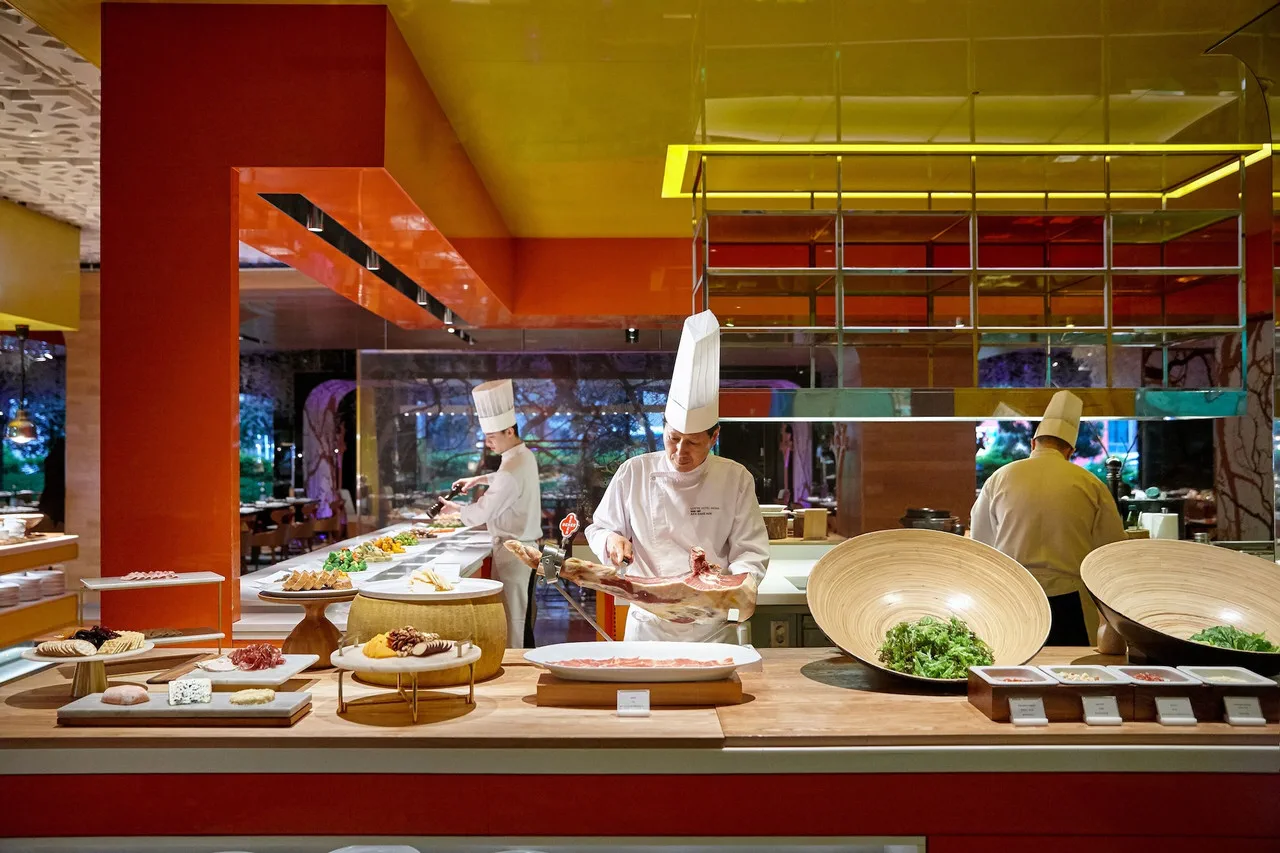
Short answer: Gwangjang Market is a food-and-crowd decision, not a guaranteed tasting menu. Choose between a focused food-alley visit, textiles and vintage browsing, or a Jongno heritage route while accepting stall-level hours, queues, seating, payment, allergies, hygiene variation and the need to respect a working market. The official Seoul travel guide is the live starting point; current stall operation, food information, prices, crowd, transport and facilities are to be checked close to travel.
- Choose food, textiles, market history or Jongno connections before entering.
- Treat every stall and shopping floor as a separate current business.
- Ask about ingredients, queues, seating and payment instead of guessing.
- Use a fixed exit and a nearby cultural chapter to keep the market from consuming the day.
What is the real choice?
Gwangjang Market is a food-and-crowd decision, not a guaranteed tasting menu. Choose between a focused food-alley visit, textiles and vintage browsing, or a Jongno heritage route while accepting stall-level hours, queues, seating, payment, allergies, hygiene variation and the need to respect a working market.
A famous market still needs a purpose
The official Seoul guide describes Gwangjang as a historic, vibrant market with food and clothing. That breadth means a visitor must choose what success looks like. A food traveller needs a short list, queue tolerance and dietary questions. A textile shopper needs time, budget and luggage space. A culture traveller may only want to see the market before Jongmyo or DDP. Entering without a purpose can turn a simple meal into an exhausting loop.
The market is a working public place, not a tasting show. Leave lanes open, ask before photographing people, and let the group stop before hunger or density becomes a problem.
Food needs live questions
Official pages mention popular dishes, but a named food does not prove that every stall serves it today, handles allergies or accepts the same payment. Check the current stall, ingredients, cross-contact, spice, raw-food preference, portion, price and seating. Use translation support and ask politely. A fallback meal is part of responsible planning.
Do not use one positive review as evidence of universal quality or hygiene. Observe the stall, follow food-safety cues and choose the option the group can actually eat.
Queues are part of the route
Food-alley density changes by hour, weekday, holiday, season and social-media demand. Check the current market guide and arrive with a time limit rather than assuming an early or late period is quiet. Define a meeting point outside a bottleneck. A traveller who dislikes waiting can browse the shopping floors or use a nearby café while the meal is decided.
If a queue threatens a fixed museum or train, leave. The market should not make every later reservation fragile.
Shopping has a different rhythm
The upper floors and surrounding shops can carry textiles, hanbok, bedding, vintage and other goods, but each store has its own hours, language, payment and return rules. Check what the group can carry and whether a purchase fits the rest of the day. Do not promise a fixed bargain, colour, size or tax-refund outcome without current evidence.
A textile browse can give the market a useful second purpose, but split the group only with a time and meeting point. Food and fabric buyers may need different routes through a crowded building.
Jongno links should be simple
Gwangjang sits within a dense central-Seoul network. The official Seoul guide connects it with nearby heritage and design landmarks, but each has its own hours and entry. Choose one contrast and build around its hard closing time. A market queue is not a reliable clock. Check crossings, subway exits, rain and luggage.
Jongmyo, DDP or a street walk can supply context, but do not promise a quiet transition. The group should be able to end at the market if food and crowd energy have already filled the day.
Weather and comfort still matter indoors
A market can provide shelter from rain, yet the approach, entrance, heat, noise, smells, shared seating and wet floors affect comfort. Summer humidity and winter layers can make a dense alley tiring. Check current ventilation, opening, crowd and facilities. Indoor does not mean accessible for every mobility aid or sensory need.
Choose a short food chapter and a calm outdoor or café recovery if the group needs space. A market route must include an exit, not only an entrance.
Transport and accommodation protect the meal
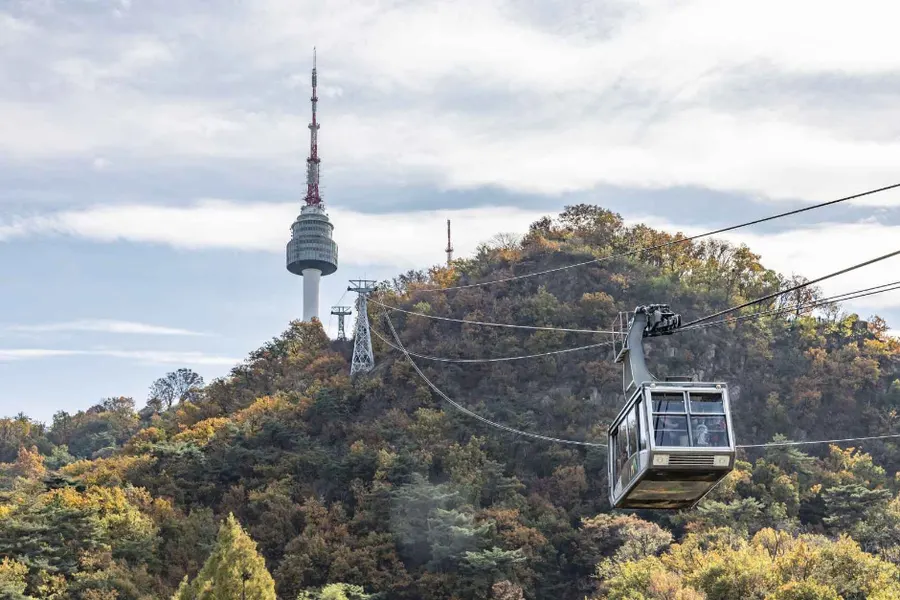
The official Seoul guide identifies Jongno 5-ga Station as a nearby subway access point, but check the actual exit, line disruption, last train, taxi and walking surface. A central base can make a late meal easy; an outer base may require a hard departure time. Bags, leftovers and shopping purchases change the return.
Choose a hotel by the whole Jongno day. If the market is optional, a wider Seoul base should still work for a museum or restaurant route.
Use a stall and crowd gate
Before leaving, confirm the food purpose, current opening, dietary questions, crowd, payment, nearby venue, transport and return. Mark named stalls, menu, price, queue and event details to be checked. Keep a restaurant or lower-density market as a real fallback.
Gwangjang is most valuable when the group respects its density and chooses deliberately. One meal and one contrast can be enough; the market does not need to carry a whole Seoul itinerary.
Route and decision table
| Route | Choose it when | Suggested sequence | Trade-off |
|---|---|---|---|
| Food-alley visit | The group wants iconic market dishes and accepts density, queues and shared seating. | Check current food hours, stall, ingredients, price, payment, hygiene and a meeting point. | High sensory reward, but least predictable for diet, seating and crowd. |
| Textile and vintage browse | The group wants fabric, hanbok, bedding, vintage or craft shopping rather than only food. | Check current shopping-floor access, opening, budget, bag plan and bargaining expectations. | More durable shopping value, but less atmospheric if the group is hungry or rushed. |
| Jongno culture route | The market is one chapter beside Jongmyo, DDP or another confirmed city venue. | Choose one heritage or design contrast and protect its closing time before eating. | Adds context, but crowds and food queues can break a tight schedule. |
| Low-crowd alternative | The group has strict dietary needs, mobility concerns or low tolerance for density. | Use a confirmed restaurant or another market and leave Gwangjang optional. | More predictable, but misses the famous market energy. |
Food-alley visit evidence note: The group wants iconic market dishes and accepts density, queues and shared seating. The practical sequence is Check current food hours, stall, ingredients, price, payment, hygiene and a meeting point. The trade-off is High sensory reward, but least predictable for diet, seating and crowd. Current access and operating details remain to be checked.
Textile and vintage browse evidence note: The group wants fabric, hanbok, bedding, vintage or craft shopping rather than only food. The practical sequence is Check current shopping-floor access, opening, budget, bag plan and bargaining expectations. The trade-off is More durable shopping value, but less atmospheric if the group is hungry or rushed. Current access and operating details remain to be checked.
Jongno culture route evidence note: The market is one chapter beside Jongmyo, DDP or another confirmed city venue. The practical sequence is Choose one heritage or design contrast and protect its closing time before eating. The trade-off is Adds context, but crowds and food queues can break a tight schedule. Current access and operating details remain to be checked.
Low-crowd alternative evidence note: The group has strict dietary needs, mobility concerns or low tolerance for density. The practical sequence is Use a confirmed restaurant or another market and leave Gwangjang optional. The trade-off is More predictable, but misses the famous market energy. Current access and operating details remain to be checked.
Spring evidence note: The opportunity is Comfortable Jongno walking and a market-to-heritage route can work well. The constraint is Rain, blossom-season demand and weekend queues affect space and timing. Before leaving, Check stall hours, crowd, weather, venue closing and subway return. This is a planning prompt, not a forecast.
Summer evidence note: The opportunity is Longer evenings support food followed by a short central-Seoul walk. The constraint is Heat, humidity, food storage, crowding and storms increase discomfort. Before leaving, Check ventilation, hydration, food timing, rain, payment and lodging. This is a planning prompt, not a forecast.
Autumn evidence note: The opportunity is Cooler air can make market browsing and one nearby heritage link easier. The constraint is Holiday demand, shorter daylight and event crowds compress the route. Before leaving, Check demand, venue hours, daylight, queues and transport. This is a planning prompt, not a forecast.
Winter evidence note: The opportunity is A central market can anchor a warm food chapter between indoor Seoul stops. The constraint is Cold approaches, wet floors, holiday demand and changing stall hours reduce flexibility. Before leaving, Check opening, heating, layers, crowd, food and a warm return. This is a planning prompt, not a forecast.
Four seasons at a glance
Seasonal trade-offs
| Season | What becomes attractive | What becomes harder | Check before committing |
|---|---|---|---|
| Spring | Comfortable Jongno walking and a market-to-heritage route can work well. | Rain, blossom-season demand and weekend queues affect space and timing. | Check stall hours, crowd, weather, venue closing and subway return. |
| Summer | Longer evenings support food followed by a short central-Seoul walk. | Heat, humidity, food storage, crowding and storms increase discomfort. | Check ventilation, hydration, food timing, rain, payment and lodging. |
| Autumn | Cooler air can make market browsing and one nearby heritage link easier. | Holiday demand, shorter daylight and event crowds compress the route. | Check demand, venue hours, daylight, queues and transport. |
| Winter | A central market can anchor a warm food chapter between indoor Seoul stops. | Cold approaches, wet floors, holiday demand and changing stall hours reduce flexibility. | Check opening, heating, layers, crowd, food and a warm return. |
Five positive evidence signals
- The group chooses food, textiles, history or a Jongno connection before entering.
- Current stall, ingredient, queue, payment, transport and venue information is checked.
- Dietary, mobility, sensory, budget and bag needs are planned without assumptions.
- One nearby cultural contrast is selected with a fixed exit and return.
- A restaurant or lower-density market remains viable if Gwangjang changes.
Five negative evidence signals and limitations
- A named stall, dish, price, opening, queue or hygiene outcome is guaranteed.
- The market is treated as a quiet or fully accessible indoor attraction without evidence.
- Allergies, raw-food preferences, payment and shared-seating concerns are ignored.
- A tight museum or train plan is built after an undefined food queue.
- A planned meal or purchase is reported as completed without current evidence.
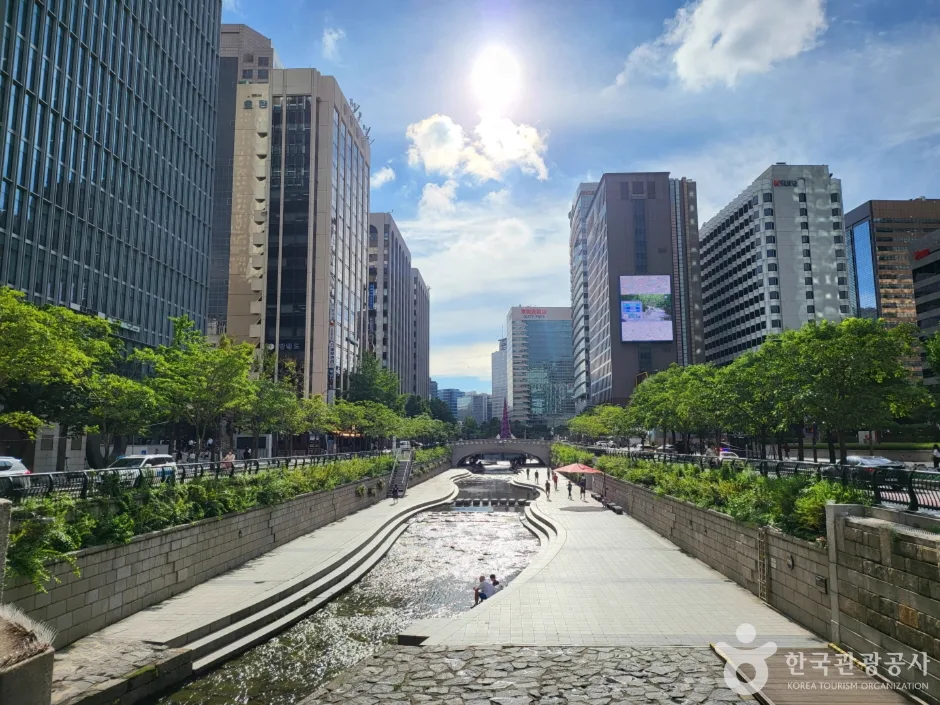
Three practical route shapes
Food anchor: choose a few questions, eat deliberately, browse briefly and exit before the next hard time.
Shopping contrast: browse textiles or vintage with budget, bags and a clear meeting point.
Jongno route: use the market as one chapter beside one confirmed heritage or design venue.
Accommodation and transport decision
| Stay shape | Choose it when | Trade-off |
|---|---|---|
| Jongno base | The market and nearby heritage route are the evening priority. | Noise, demand, price and current room supply need checking. |
| Central Seoul subway base | The group wants wider city flexibility and can return by a known line. | Last train, bags and crowd fatigue still matter. |
| Outer Seoul budget base | The market is one daytime chapter and the group accepts a longer return. | The meal may need a fixed exit before the final train. |
Field decisions before leaving
Write the food or shopping purpose, dietary questions, one fixed nearby venue, crowd meeting point, spending limit and return. Check stall hours, ingredients, payment, queue, weather, subway, taxi, bags and accommodation. Unconfirmed dish, price and event details stay marked to be checked.
- english.visitseoul.net authoritative source — live details are to be checked.
- english.visitseoul.net authoritative source — live details are to be checked.
- english.visitseoul.net authoritative source — live details are to be checked.
- english.visitseoul.net authoritative source — live details are to be checked.
FAQ
What food is Gwangjang known for?
Official Seoul tourism pages mention several popular market foods, but individual stall, ingredient, price and availability must be checked on the day.
Is it suitable for dietary restrictions?
It may be possible, but ask about ingredients and cross-contact and keep a verified alternative.
Can I shop for textiles there?
Yes, current shopping-floor hours, budget, sizing, payment and bag planning still matter.
How crowded is it?
Demand varies, so do not rely on a fixed quiet hour; set a time limit and meeting point.
Where should I stay?
Compare Jongno, central subway and outer budget bases against the late return and next day.
What should I combine with it?
Choose one confirmed Jongno heritage, design or market contrast and protect its closing time.
KriNavi decision card
Best use of this page: Seoul Gwangjang Market Route Decision: Food Alley, Textile Browsing or Compact Jongno Culture Route?
Core judgement: Choose Gwangjang Market by food goals, shopping, crowd tolerance, dietary needs, transport, lodging and a four-season Jongno route.
Sources checked in this page: Source 1 · Source 2 · Source 3 · Source 4
This card only reorganizes sources already listed by the page. Recheck live hours, prices, service, and restrictions for the travel date.