
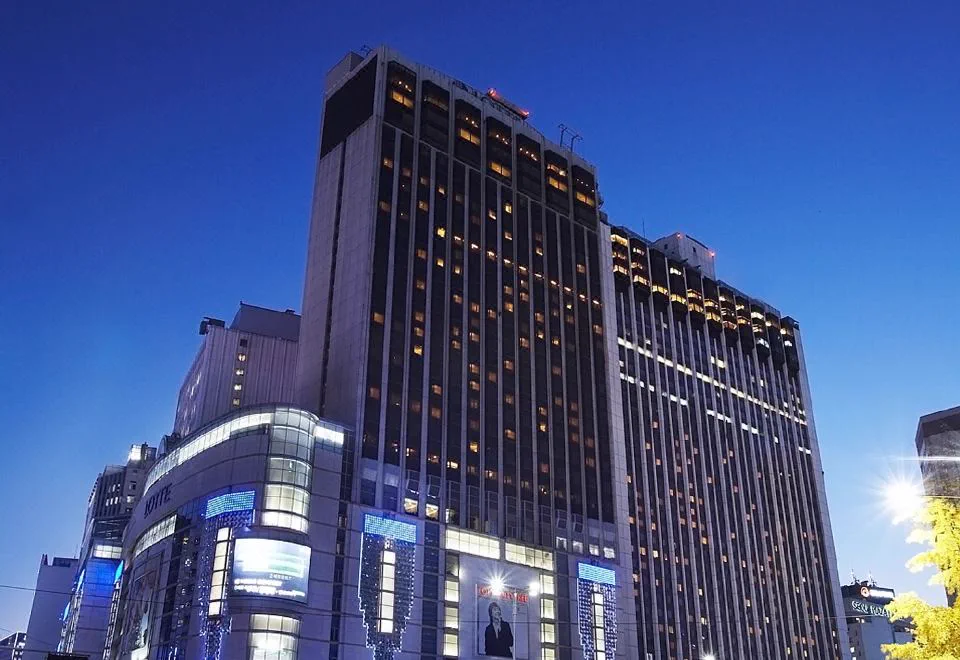
Short answer: The Seoul Museum of History is most useful when it gives the day a timeline and a deliberate nearby pairing, rather than becoming one rushed museum among palace pins. Current hours, prices, transport, facilities, events, weather, closures, safety notices and lodging availability are to be checked close to travel.
- A chronology-versus-street decision that uses the museum to choose one Seoul chapter—old city, palace edge, modern transformation or weather-proof indoor day—before walking onward.
- A Seoul visitor wants context for the capital but has limited time, different museum stamina, summer rain or winter cold and a hotel or rail deadline.
- Current hours, prices, transport, facilities, events, weather, closures, safety notices and lodging availability are to be checked close to travel.
- Choose one primary experience and one reversible fallback before you leave.
Use the museum to choose a Seoul question
Seoul Metropolitan Government describes the Seoul Museum of History as a journey through the city’s timeline, from its beginnings to its global present. That makes it more useful as a planning anchor than as a quick photo stop. Decide whether the group wants a broad introduction, a period-specific question or a way to interpret the streets outside. Current hours, prices, transport, facilities, events, weather, closures, safety notices and lodging availability are to be checked close to travel.
A timeline-first visit prevents the familiar problem of seeing palaces, walls and cafés as disconnected icons. The cost is reading time. If the group prefers movement, choose one gallery theme, then leave with a single street question. The museum should sharpen the next walk, not consume every hour because the city is large.
Pair one historical landscape, not the whole centre
The museum’s central location makes it tempting to attach Gyeonghuigung, old city-wall traces, Donuimun or Gwanghwamun in one sequence. Choose one nearby chapter by the group’s energy and the current opening schedule. A palace edge can extend chronology; a neighbourhood walk can show how the capital is lived today. Current hours, prices, transport, facilities, events, weather, closures, safety notices and lodging availability are to be checked close to travel.
The trade-off is breadth against depth. A long central-Seoul list creates impressive map coverage but weak memory and more road crossings. A focused museum-plus-one route creates time to notice scale, restoration, traffic and daily life. Keep a café, indoor gallery or station as the fallback rather than assuming the next outdoor site will suit everyone.
Let exhibits correct the postcard version of Seoul
A city museum can show change that a preserved gate or palace cannot: urban growth, shifting boundaries, transport, housing and the relationship between residents and institutions. Use the exhibits to ask what is missing from a landmark view, and be precise about what the museum actually documents. Current hours, prices, transport, facilities, events, weather, closures, safety notices and lodging availability are to be checked close to travel.
The negative signal is overconfidence. One visit cannot explain every period or settle every historical debate. Read labels, use current interpretation and avoid turning a complex city into a single before-and-after story. The reward is a more honest street walk: old walls can coexist with roads, towers, apartments and neighbourhood work.
Design a weather-proof centre-city day
The museum is valuable when the forecast is poor because it gives the group a substantial indoor anchor. In warm months, schedule the densest reading before the heat; in rain, keep the outdoor pairing short; in winter, use daylight for the street and return indoors before the cold becomes the story. Current hours, prices, transport, facilities, events, weather, closures, safety notices and lodging availability are to be checked close to travel.
Comfort still requires planning. Check current entrance, exhibitions, accessibility, restrooms, lockers and crowd conditions. A museum can be tiring even when it is indoors. Build breaks into the route and decide where the group will eat before leaving the area. A shorter museum visit with one thoughtful street chapter often beats a full-day cultural marathon.
Choose accommodation by the next connection
Jongno, Gwanghwamun or central Seoul lodging can make a museum-and-old-city day easy, while a station-area base may be better for an early departure or a wider itinerary. Current hours, prices, transport, facilities, events, weather, closures, safety notices and lodging availability are to be checked close to travel.
The right hotel is the one that protects the final decision: a slow evening walk, a direct rail connection or a simple airport transfer. Compare lift access, luggage storage, late food, noise, walking surfaces and cancellation terms. Do not pay for a landmark view if the group will spend the evening repacking and crossing the city.
Executable route decision table
| Route | Best for | Sequence | Trade-off |
|---|---|---|---|
| Timeline-first museum route | First-time Seoul visitors and rainy days | Check the museum programme; choose two chronological sections; leave with one street question; finish nearby | Strong context, but reading time is substantial. |
| Museum and palace edge | Travellers wanting history plus open air | Use the museum as a primer; pair Gyeonghuigung or another confirmed nearby site; return to a simple station | Clear contrast, but opening days and walking surfaces matter. |
| Museum and urban-change walk | Repeat visitors and architecture-minded travellers | Select a city-change theme; walk one central neighbourhood chapter; use an indoor fallback | More interpretive, but less iconic in photographs. |
| Indoor centre-day fallback | Heat, rain, cold or limited mobility | Stay with the museum and a confirmed indoor or meal companion; avoid a long outdoor list | Comfortable and coherent, but narrower in geography. |
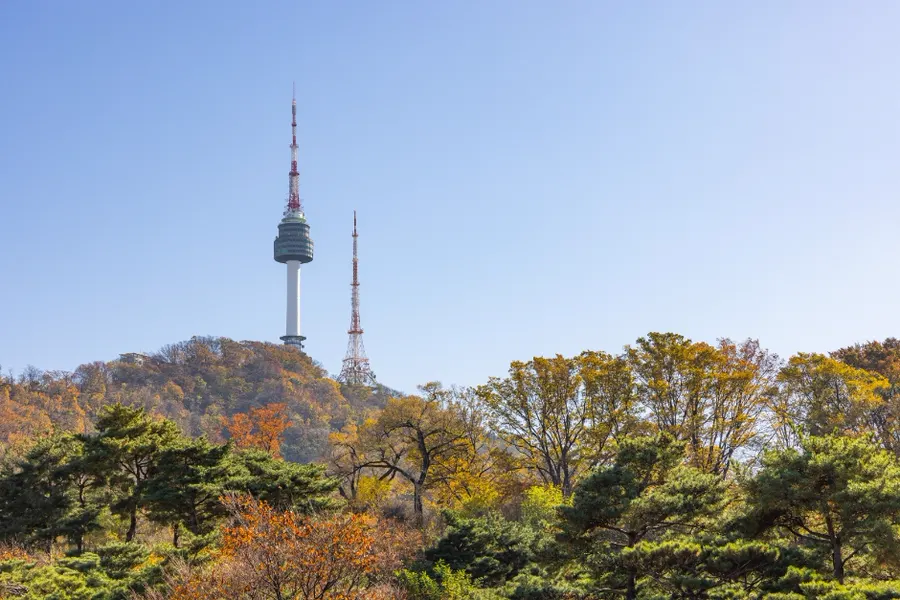
Spring, summer, autumn and winter decisions
| Season | How to use the route | Seasonal trade-off |
|---|---|---|
| Spring | Use the museum as a context primer, then choose one palace or old-city walk in mild daylight. | Rain, pollen and blossom crowds can change the outdoor pace. |
| Summer | Read indoors during the hottest period and keep the street pairing short or shaded. | Heat, humidity, storms and holiday demand reduce walking comfort. |
| Autumn | Use clear air for a museum-to-neighbourhood route with a deliberate late-afternoon finish. | Popular cultural weekends and earlier sunset can compress the return. |
| Winter | Make the museum the anchor and use daylight for one short exterior chapter. | Cold wind, icy surfaces and reduced daylight make long central walks tiring. |
Seasonal descriptions are planning signals rather than guarantees. Water, wind, light, events, access, crowds and facilities are to be checked close to travel. Seoul Museum of History Route Decision: Timeline Anchor, Palace Pairing or a Weather-Proof City Day? is updated 2026-09-13.
Positive evidence signals
- The museum supplies a chronological frame for a city that can otherwise feel like disconnected landmarks.
- Official Seoul sources position it as a public museum about the capital’s transformation.
- Its indoor role makes a central Seoul day more resilient to rain, heat and cold.
- One focused pairing can connect exhibits to a palace edge or living neighbourhood.
- Central transit and multiple lodging areas allow a flexible finish.
Limitations and negative evidence signals
- A broad city timeline can feel dense if the group arrives without a question.
- Nearby landmarks are not one frictionless walking loop in every weather or access condition.
- Exhibitions, opening hours, programmes and facilities can change.
- Museum fatigue can appear before the group reaches the outdoor chapter.
- A single visit cannot represent every Seoul period, neighbourhood or historical debate.
Choose a route shape
| Route shape | How it works | Best match |
|---|---|---|
| The chronology primer | Use selected galleries to create a question, then walk one nearby historical edge. | Best for first-time Seoul visitors. |
| The palace-and-city pairing | Move from city timeline to one confirmed palace or old-city site, with a clear return. | Best for mixed history interests. |
| The urban-change route | Use one theme about growth, transport or neighbourhood life and keep the walk contemporary. | Best for repeat visitors. |
Accommodation and return decision
| Stay shape | Why it helps | Cost or friction |
|---|---|---|
| Jongno or Gwanghwamun base | Makes the museum and central history routes easy to repeat or shorten. | Demand, noise and current construction need checking. |
| Seoul Station or city transit base | Protects rail, airport and onward connections after the museum. | Adds a final subway or taxi leg to the museum district. |
| Quiet accessible central room | Supports reading time and recovery without a long late return. | May trade iconic views for a simpler route. |
- Source 1: Official destination, city, tourism, heritage or operator information. Claims and live details are to be checked against the linked page close to travel.
- Source 2: Official destination, city, tourism, heritage or operator information. Claims and live details are to be checked against the linked page close to travel.
- Source 3: Official destination, city, tourism, heritage or operator information. Claims and live details are to be checked against the linked page close to travel.
- Source 4: Official destination, city, tourism, heritage or operator information. Claims and live details are to be checked against the linked page close to travel.
- Source 5: Official destination, city, tourism, heritage or operator information. Claims and live details are to be checked against the linked page close to travel.
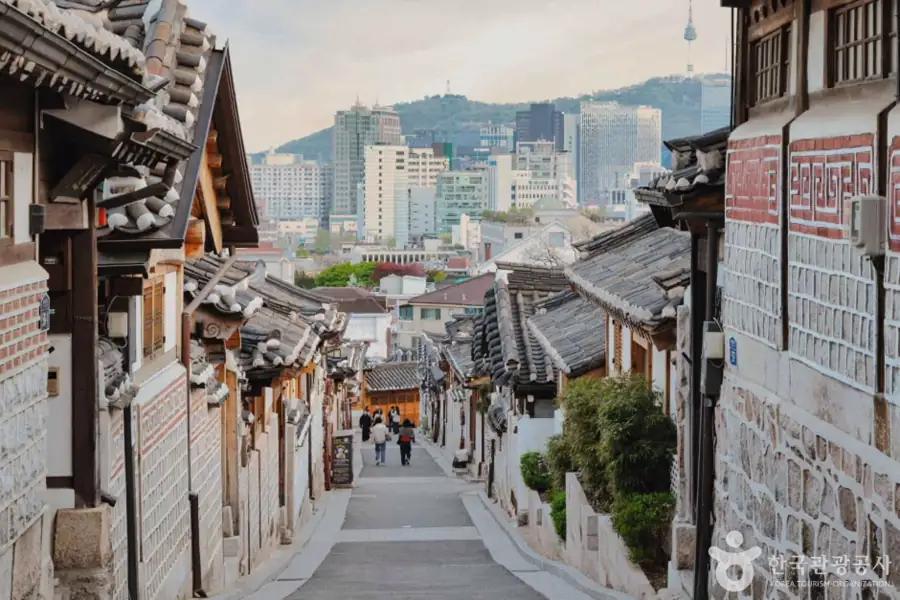
Image field
Plan the next action
Frequently asked questions
What does the Seoul Museum of History cover?
Official Seoul information presents it as a journey through Seoul’s development from its origins to its global present. Use current galleries to choose a manageable theme. Current hours, prices, transport, facilities, events, weather, closures, safety notices and lodging availability are to be checked close to travel.
How long should I spend there?
There is no universal duration. Choose selected galleries, a break and one nearby pairing rather than promising to read everything in one visit. Current hours, prices, transport, facilities, events, weather, closures, safety notices and lodging availability are to be checked close to travel.
Can I combine it with a palace?
Yes, if the current opening schedule, weather and group stamina allow. One palace or old-city chapter is usually more useful than several rushed stops. Current hours, prices, transport, facilities, events, weather, closures, safety notices and lodging availability are to be checked close to travel.
Is it good in bad weather?
It can anchor a rain, heat or cold day, but confirm current hours, exhibitions, lockers, accessibility and crowd conditions. Current hours, prices, transport, facilities, events, weather, closures, safety notices and lodging availability are to be checked close to travel.
What should I do after the museum?
Use the museum’s question to choose one nearby walk, meal or indoor companion. Keep a station return and weather fallback visible. Current hours, prices, transport, facilities, events, weather, closures, safety notices and lodging availability are to be checked close to travel.
Where should I stay?
Jongno and Gwanghwamun minimise the museum route; Seoul Station or another transit base may be better for an early departure. Compare the actual return. Current hours, prices, transport, facilities, events, weather, closures, safety notices and lodging availability are to be checked close to travel.
KriNavi decision card
Best use of this page: Seoul Museum of History Route Decision: Timeline Anchor, Palace Pairing or a Weather-Proof City Day?
Core judgement: Choose the Seoul Museum of History by city timeline, palace and old-town pairing, season, transit, lodging and indoor time.
Sources checked in this page: Source 1 · Source 2 · Source 3 · Source 4
This card only reorganizes sources already listed by the page. Recheck live hours, prices, service, and restrictions for the travel date.