
Short answer: The National Museum of Korea is best planned as a selected-gallery visit rather than a full-building challenge, with the group choosing permanent collection depth, a timed special exhibition, family services or an outdoor Yongsan finish. Current hours, prices, reservations, transport, facilities, weather, events, closures and safety notices are to be checked close to travel.
- A museum-scale decision guide that separates free permanent galleries, charged or timed special exhibitions, the Children’s Museum and outdoor spaces so visitors can choose depth without exhausting the day.
- Choose one primary experience and one reversible fallback.
- Current hours, prices, reservations, transport, facilities, weather, events, closures and safety notices are to be checked close to travel.
- Choose lodging around the actual return and the group’s least flexible need.
Choose one museum question
The National Museum of Korea is large enough that a visit needs a question, not only an arrival time. The group might want a Korean history arc, a single art period, a special exhibition, a children’s route, an app-guided selection or a quiet indoor day. Choose one main question and a stopping point before entering the permanent galleries.
The trade-off is coverage versus attention. A broad sweep can provide orientation but leaves little time for looking. A focused gallery route allows comparison and conversation, while a special exhibition may add a fixed ticket or timing. Check current hours, last admission, closures, exhibitions, reservations and language support. The building will still be there; the group’s energy will not be unlimited.
Use the permanent galleries as a deep route
The permanent galleries are free according to the official visitor information, while special exhibitions can have charges. That makes the permanent collection a flexible foundation for a first visit. Select two or three galleries, use the official map or guide app, and leave time to sit. Do not equate a free gallery with a reason to walk through every room.
A learner may prefer chronology, material or region; a family may need a few objects and a story; a repeat visitor may choose one gallery and an outdoor pause. Check temporary closures and current gallery notices. The route should have a clear turn-around point and a nearby restroom or rest area. Depth is a practical choice, not a sign of failure.
Treat special exhibitions as timed commitments
Special exhibitions can shape a museum day, but their ticketing, reservation, entry time, language, crowding and closing dates differ from the permanent halls. Book only after checking the current official listing. If the special exhibition is the reason for travel, arrive with enough time for entry and coat or locker arrangements.
Do not build a long city itinerary around a special exhibition without a return buffer. A timed ticket can create pressure for children or older travellers, while a cancelled or sold-out slot changes the day. Keep one permanent gallery as a strong alternative. Current exhibitions, ticket prices, last entry, closures and reservation conditions are to be checked close to travel.
Plan the Children’s Museum and family rhythm
The Children’s Museum has its own sessions and reservation logic, so a family route should start with the current official information rather than adding it casually after lunch. Choose the child-focused visit, a short permanent gallery and a rest or outdoor break. Adults may want a separate gallery only if the family’s meeting plan is clear.
Strollers, lockers, nursing facilities, food rules and restrooms matter as much as the exhibits. The official visitor information notes limits on food, beverages, pets, photography equipment and noise in galleries. Check current sessions, age, reservation, accessibility and facilities. A family day is successful when children leave with one story and adults do not need to hurry through every hall.
Use the app and guide without losing the room
The museum offers official visitor guides and an exhibition guide app with location-based content and multiple language options. These can help a traveller choose a route, but a phone should remain a tool rather than the entire visit. Download or check the current guide before entering, then put it down when an object deserves unhurried attention.
Connectivity, battery, language and device comfort vary. A printed or saved map helps when the group separates or a gallery closes. Check current app support, tour reservations, audio availability and earphone needs. If a guide service is central, book the official option and keep a self-guided route in reserve. Information tools should reduce decision load, not create more screen time.
Add the outdoor area only after the galleries
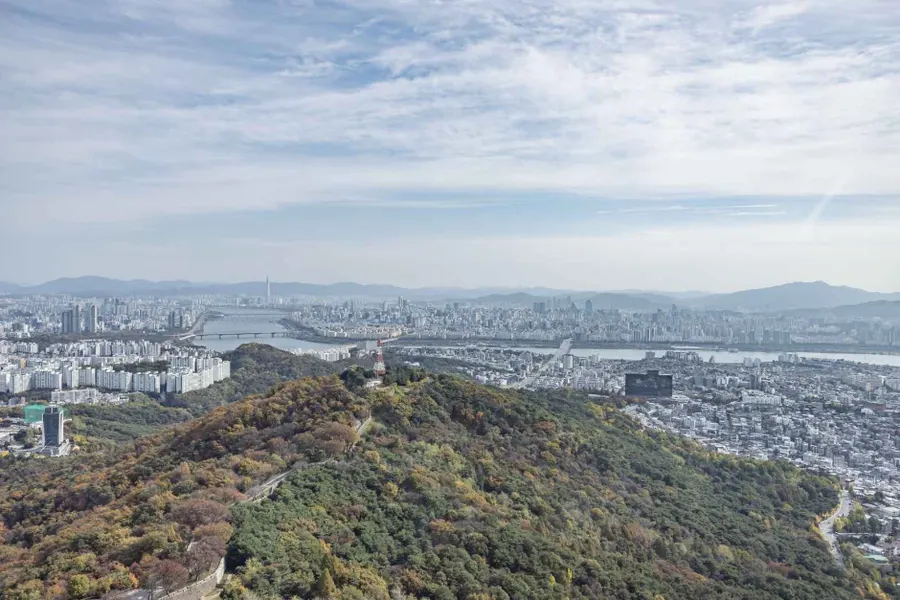
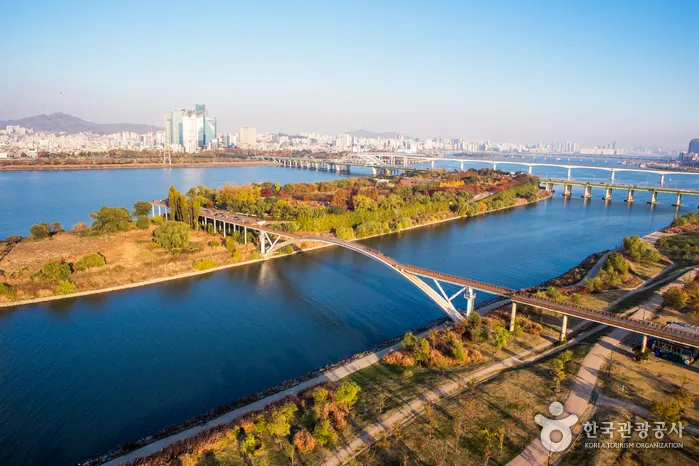
The museum’s outdoor exhibition area and nearby Yongsan green spaces can provide an important change of pace after indoor galleries. Use them as a finish, not an obligation. Weather, season, stroller comfort, shade and the group’s next transfer should decide whether the outdoor chapter is five minutes or an hour.
A rainy or hot day can make the outdoor route shorter, while mild autumn air may reward a longer pause. Check current outdoor hours, garden conditions, construction, seating and the path to the next destination. If the museum is the buffer before dinner or a train, protect the departure time. The final green space should restore attention, not consume the return.
Choose Yongsan or central Seoul lodging
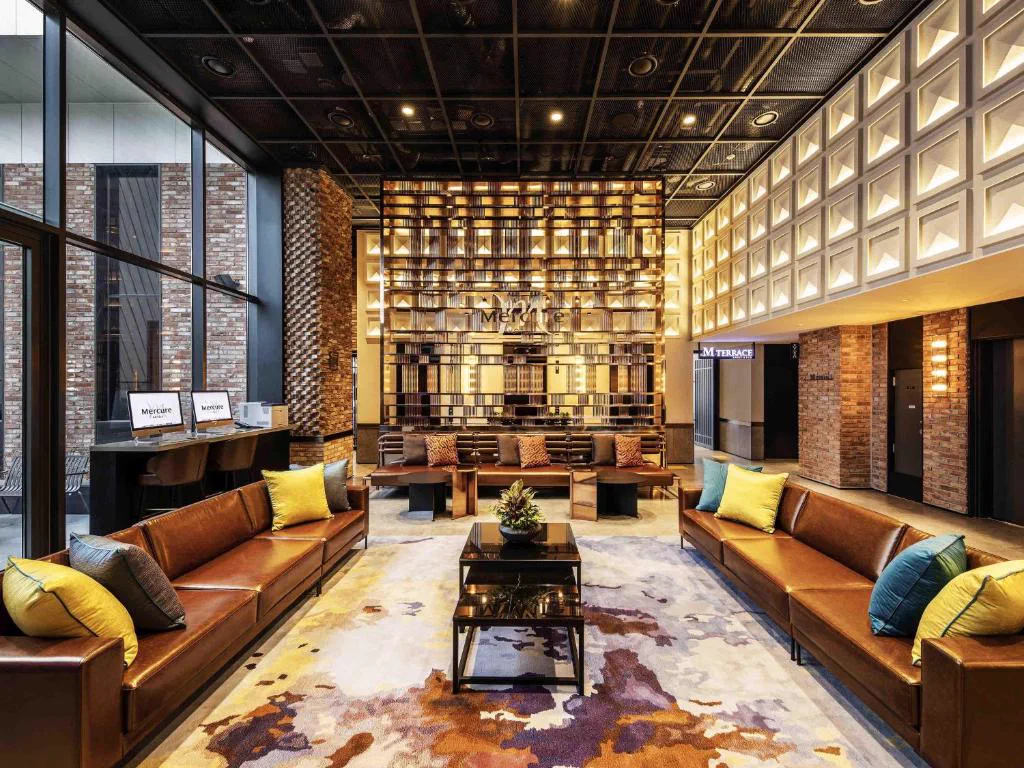
Yongsan and Ichon can reduce the effort of a museum-focused day, while central Seoul gives more dining and evening alternatives. A family may value a lift, breakfast and luggage storage; a couple may prefer a central base after the galleries. Compare the final museum exit, meal, next attraction and morning route rather than choosing by district prestige.
Check current room availability, parking, late check-in, noise, elevators and transit. Museum parking is limited according to official directions, so public transport may be more practical. If the special exhibition runs late, a nearby base can protect the evening. If the museum closes or the group tires, a central base offers more indoor choices.
Follow museum rules as part of the collection visit
The museum asks visitors not to touch objects, run or speak loudly, and to turn phones off or silent in galleries. Flash, tripods, selfie sticks, gimbals and commercial photography can be restricted. Food, drinks and pets are not generally allowed in exhibition areas, with service-dog provisions. Read current rules before arrival and follow staff instructions.
These rules protect both objects and other visitors. A photograph is not more valuable than a calm gallery. Check current special-exhibition rules because they may be stricter. If the group needs a snack, nursing break or pet plan, use a confirmed area outside the galleries. The museum experience improves when visitors make room for concentration.
Leave with a route you can remember
A useful museum day ends when the group can name a few objects, ideas or materials rather than a number of floors. Before entering, choose the gallery question, the stopping point, the meal and the way out. If the group still has energy, add the outdoor area or one final gallery; otherwise leave while attention remains high.
If a room is closed, move to the chosen alternative rather than rewriting the day. If a child needs a break, use the family facilities or outdoor space. If the special exhibition is crowded, deepen the permanent route. Current hours, programmes, closures, tickets, access and transport are to be checked close to travel. The best museum plan remains useful when a single door changes.
Route and decision table
| Route | Choose it when | Suggested sequence | Trade-off |
|---|---|---|---|
| Focused permanent galleries | The group wants free, self-guided depth and a manageable pace. | Choose two or three galleries; use the official map or app; pause; finish with one outdoor or meal break. | Most flexible, but it requires a clear stopping point. |
| Special exhibition anchor | A current show is the main reason for travel. | Verify ticket and slot; arrive early; visit one permanent gallery; protect the exit and meal. | High focus, but timing, fee and crowding reduce flexibility. |
| Children’s Museum day | The group has young children and wants structured participation. | Check current sessions and reservation; plan a short adult gallery; use rest and family facilities. | Family-friendly, but capacity and age rules must be checked. |
| Museum plus outdoor Yongsan | The group wants culture followed by fresh air and a slower finish. | Choose a gallery anchor; use the outdoor area if weather and energy allow; leave via confirmed transit. | Balances indoor and outdoor time, but weather and scale can extend the day. |
Focused permanent galleries evidence note: The positive signal is The group wants free, self-guided depth and a manageable pace. The practical sequence is Choose two or three galleries; use the official map or app; pause; finish with one outdoor or meal break. The limitation is Most flexible, but it requires a clear stopping point. Current hours, prices, reservations, transport, facilities, weather, events, closures and safety notices are to be checked close to travel.
Special exhibition anchor evidence note: The positive signal is A current show is the main reason for travel. The practical sequence is Verify ticket and slot; arrive early; visit one permanent gallery; protect the exit and meal. The limitation is High focus, but timing, fee and crowding reduce flexibility. Current hours, prices, reservations, transport, facilities, weather, events, closures and safety notices are to be checked close to travel.
Children’s Museum day evidence note: The positive signal is The group has young children and wants structured participation. The practical sequence is Check current sessions and reservation; plan a short adult gallery; use rest and family facilities. The limitation is Family-friendly, but capacity and age rules must be checked. Current hours, prices, reservations, transport, facilities, weather, events, closures and safety notices are to be checked close to travel.
Museum plus outdoor Yongsan evidence note: The positive signal is The group wants culture followed by fresh air and a slower finish. The practical sequence is Choose a gallery anchor; use the outdoor area if weather and energy allow; leave via confirmed transit. The limitation is Balances indoor and outdoor time, but weather and scale can extend the day. Current hours, prices, reservations, transport, facilities, weather, events, closures and safety notices are to be checked close to travel.
Four seasons at a glance
The same destination changes when daylight, surfaces, weather, crowding, facility hours and the group’s energy change. Use the season as a planning prompt, not a promise. If an event, performance, facility, path, exhibition, bloom or viewpoint matters to the route, it remains to be checked.
Seasonal trade-offs
| Season | What becomes attractive | What becomes harder | Check before committing |
|---|---|---|---|
| Spring | Mild weather can support focused galleries followed by an outdoor Yongsan pause. | Rain, pollen and school or holiday crowds can change comfort. | Check exhibitions, closures, reservations, outdoor conditions and transit. |
| Summer | The museum offers a strong air-conditioned or rain-safe cultural anchor. | Heat, humidity, storms and queues make the outdoor finish shorter. | Check ventilation, special-show demand, storms, lockers, food and exit timing. |
| Autumn | Cool air and foliage can make museum plus outdoor space feel balanced. | Popular exhibitions and weekend crowds can increase waiting. | Check exhibition tickets, crowding, hours, outdoor paths and meal timing. |
| Winter | Permanent galleries and a focused special exhibition provide a warm city day. | Cold, early darkness and seasonal closures reduce outdoor flexibility. | Check closure dates, heating, coat storage, reservations, lighting and lodging. |
Spring evidence note: The opportunity is Mild weather can support focused galleries followed by an outdoor Yongsan pause. The constraint is Rain, pollen and school or holiday crowds can change comfort. Before leaving, Check exhibitions, closures, reservations, outdoor conditions and transit. Current hours, prices, reservations, transport, facilities, weather, events, closures and safety notices are to be checked close to travel.
Summer evidence note: The opportunity is The museum offers a strong air-conditioned or rain-safe cultural anchor. The constraint is Heat, humidity, storms and queues make the outdoor finish shorter. Before leaving, Check ventilation, special-show demand, storms, lockers, food and exit timing. Current hours, prices, reservations, transport, facilities, weather, events, closures and safety notices are to be checked close to travel.
Autumn evidence note: The opportunity is Cool air and foliage can make museum plus outdoor space feel balanced. The constraint is Popular exhibitions and weekend crowds can increase waiting. Before leaving, Check exhibition tickets, crowding, hours, outdoor paths and meal timing. Current hours, prices, reservations, transport, facilities, weather, events, closures and safety notices are to be checked close to travel.
Winter evidence note: The opportunity is Permanent galleries and a focused special exhibition provide a warm city day. The constraint is Cold, early darkness and seasonal closures reduce outdoor flexibility. Before leaving, Check closure dates, heating, coat storage, reservations, lighting and lodging. Current hours, prices, reservations, transport, facilities, weather, events, closures and safety notices are to be checked close to travel.
Five positive evidence signals
- The group chooses permanent depth, special exhibition, Children’s Museum or outdoor pairing.
- Current hours, last admission, closures, tickets, sessions and guide information are checked.
- The route has a gallery question, stopping point, rest plan and confirmed exit.
- Museum rules, photography, food, pet, accessibility and child needs are discussed.
- The lodging and meal plan fit the actual museum end rather than a guessed schedule.
Five negative evidence signals and limitations
- The entire museum is treated as a quick attraction that can be completed before another booking.
- A special exhibition is assumed free, open or available without checking the official listing.
- Children’s Museum sessions, age rules or reservations are ignored until arrival.
- Parking, lockers, coat storage, walking scale and outdoor conditions are overlooked.
- Objects, staff, quiet galleries and photography rules are treated as optional.
Three practical route shapes
Question-led museum: Choose one historical or artistic question, visit two or three galleries and stop with a clear memory.
Special show plus foundation: Protect the timed exhibition, add one permanent gallery and leave a buffer for the meal.
Inside then outside: Use a focused indoor route and finish in the outdoor area only if weather and energy support it.
Accommodation and transport decision
| Stay shape | Choose it when | Trade-off |
|---|---|---|
| Yongsan or Ichon base | A full museum day and easy return matter most. | Less transfer pressure, but check meals, rooms and local evening options. |
| Central Seoul base | The museum is one chapter in a broad Seoul itinerary. | More dining and culture, but the return after a long gallery day needs planning. |
| Family-focused base | Lift, quiet, breakfast and a short return matter more than nightlife. | Comfortable for mixed ages, but verify current transit and room supply. |
Field decisions before leaving
- National Museum of Korea official viewing hours and visitor information — current details are to be checked.
- National Museum of Korea official English home — current details are to be checked.
- National Museum of Korea official visitor guides — current details are to be checked.
- National Museum of Korea official exhibition guide app — current details are to be checked.
- National Museum of Korea official directions and parking — current details are to be checked.
FAQ
Is the National Museum of Korea free?
Permanent galleries are listed as free, while some special exhibitions can charge; check the current official information.
How long should I spend there?
Choose a focused route of two or three galleries or one special exhibition rather than trying to cover every hall.
Can children visit?
Yes, with the current Children’s Museum session, age, reservation and family-facility rules checked in advance.
Can I take photographs?
Rules vary by area; follow current notices about flash, tripods, selfie sticks, gimbals and commercial use.
Where should I stay?
Yongsan or Ichon reduces museum transfers, while central Seoul offers wider evening options.
What if a gallery is closed?
Use the selected permanent or outdoor fallback and keep the museum question intact.
KriNavi decision card
Best use of this page: Seoul National Museum of Korea Route Decision: Permanent Collection Depth, Special Exhibition or a Yongsan Family Day?
Core judgement: Choose the National Museum of Korea by permanent galleries, special exhibitions, children’s needs, outdoor space, hours and a practical Yongsan stay.
Sources checked in this page: Source 1 · Source 2 · Source 3 · Source 4
This card only reorganizes sources already listed by the page. Recheck live hours, prices, service, and restrictions for the travel date.