
Short answer: Olympic Park is a district-sized route, not a single photo stop. Choose history, sculpture, green walking, sport or an event first, then map the correct entrance, daylight, pedestrian hours, parking and return. The park’s scale is the main planning constraint. Current hours, prices, reservations, transport, facilities, events, closures and weather conditions are to be checked close to travel.
- A zone-and-event decision route that treats Olympic Park as four different experiences—history, art, leisure and environment—and turns its large footprint, access hours and event congestion into explicit trade-offs.
- Choose one primary experience and one reversible fallback.
- Keep current access, facilities, transport, weather and prices marked to be checked.
- Choose lodging around the actual return, not only the attraction view.
The park’s size is the first decision
Official Seoul and Korea Tourism Organization pages describe Olympic Park as a large space combining the legacy of the 1988 Seoul Olympics with Baekje-era fortress remains, sports, ecology, grass and art. Visit Korea notes that it can take more than three hours to explore. That is not a challenge to complete; it is a reason to choose a zone before arrival.
A history visitor should not start at a distant event arena and hope to find the fortress later. A sculpture visitor needs a different entrance and daylight plan. A family may want a short grass-and-play route. The route succeeds when the group leaves with its chosen experience, not when it proves the park is large.
History and sport share the same address
Mongchontoseong and the early Baekje landscape give Olympic Park a historical layer, while modern arenas and performance venues create a completely different crowd pattern. Check the current event calendar and venue access before choosing the quiet historical route. A stadium event can change parking, security, food and walking conditions across the park.
Use the historical zone as the anchor when the group wants quiet context. Use the arena as the anchor when a performance matters. Do not assume a ticket to an event includes an easy sightseeing route or that the park’s open grounds will feel empty on show day.
Sculpture requires a daylight and distance plan
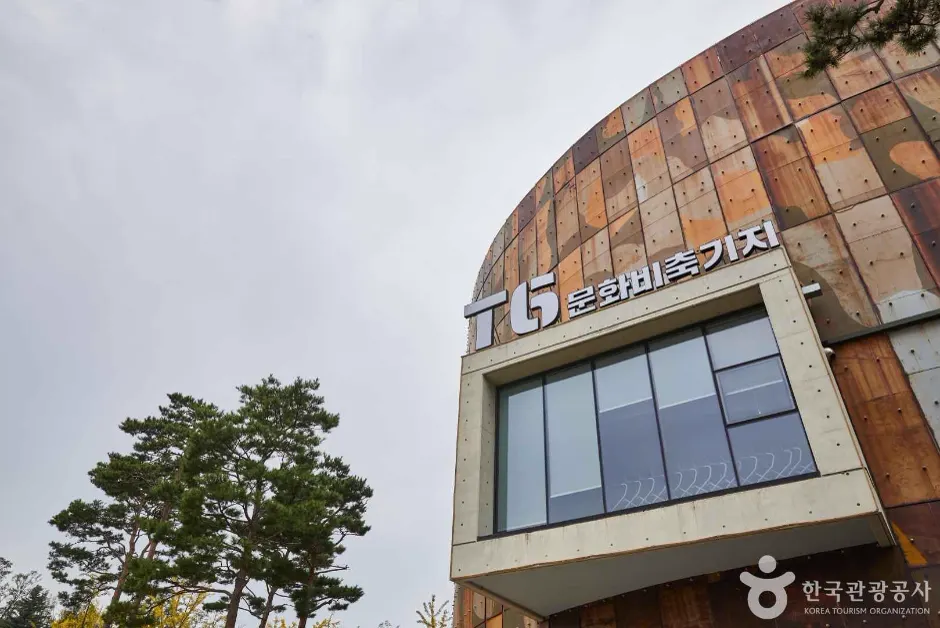
Seoul tourism identifies an outdoor sculpture park and a broad art-and-culture zone. Outdoor art is best experienced at a human pace, but the pieces are distributed across a large landscape. Check current museum hours, exhibition notices, weather and the amount of walking the group can handle.
Choose a theme—large forms, one museum, photography or a green walk—and stop after the agreed circuit. A sculpture route can be accessible in concept while still involving long distances between works. The trade-off is coverage versus attention: fewer pieces can produce a better visit.
Green space is not a shortcut
The park’s grass, trees, lake and ecological areas look like an easy alternative to museums, but open surfaces still bring sun, wind, heat and long walks. Check the current path, shade, toilets, seating and event controls. A stroller or wheelchair group needs the exact route, not only the park’s reputation for accessibility.
Create a shared meeting point near a clear landmark and avoid splitting across the entire park. If a runner or photographer wants to continue, set a time and return route. The park can support different energies, but only with deliberate coordination.
Event days change the route economics
Olympic Park contains performance and sports venues, so event days can change parking, entrance controls, food queues, security and public transport demand. Check the current venue notice and allow extra time. An event can be the best reason to stay nearby, but it can also make a casual pre-show walk unrealistic.
Choose whether the park is the event’s buffer or a separate visit. A group with tickets may need a direct route, meal and restroom plan. A traveller avoiding crowds should shift to a non-event time or a different Seoul park. Do not sell event-day spontaneity without current evidence.
Access hours are a hard boundary
The official pages list pedestrian and bicycle access from early morning into the evening, with vehicle access on a different schedule and restrictions after the stated closing time. These hours and event conditions must be checked for the date. A park that is technically open is not proof that every entrance, venue or museum is available.
Set the route so the furthest point is completed before darkness and the last practical exit. Do not leave the group at a distant lawn after the final transport window. Early entry can support quiet walking, while a late arrival should focus on one nearby zone.
Transport, parking and lodging belong together
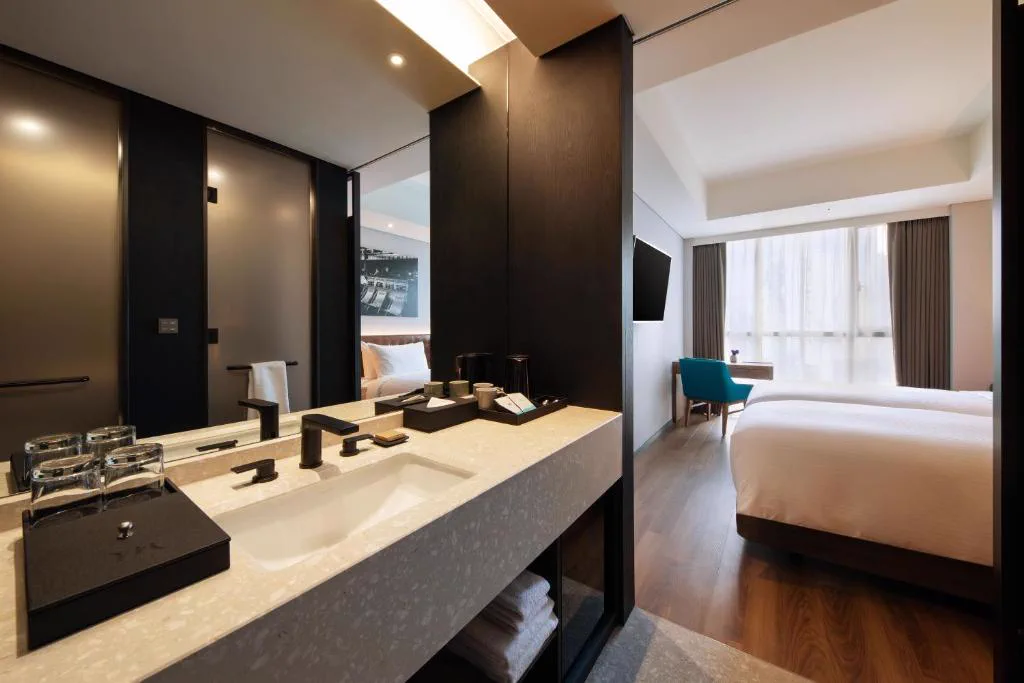
Olympic Park is served by metro lines and has parking, but large events can alter parking terms and demand. Check the current station exit, venue entrance, traffic, parking payment, luggage and last return. A central Seoul base may be convenient for the wider itinerary, while Songpa lodging can reduce event-night friction.
Choose accommodation by the park’s purpose. If a performance is the anchor, proximity and late food may be worth the price. If the park is a morning walk, a city-wide base may win. The room should still work if the event schedule or museum plan changes.
Build an event-proof zone route
Write the zone, entrance, primary point, optional point, rest, food and exit. Follow current signs, keep sculpture areas clear, respect grass restrictions and do not treat historical earthworks as a stage. The park is shared by residents, athletes, artists, families and ticketed audiences.
Check event, museum, access-hour, weather, facility, parking and transport details to be checked. Olympic Park works when the route is smaller than the map and more precise than the attraction list.
Route and decision table
| Route | Choose it when | Suggested sequence | Trade-off |
|---|---|---|---|
| Baekje history walk | The group wants Mongchontoseong and the park’s historical layer. | Choose the correct entrance, walk one history zone, add one rest and leave before the event crowd. | Quiet and meaningful, but less art and stadium content. |
| Sculpture and culture | Art, museum or outdoor works are the main reason. | Check museum hours and current exhibition, then select a manageable outdoor circuit. | High cultural variety, but long distances and weather exposure. |
| Green family route | Children or mixed mobility need open space and a short shared walk. | Use a near-gate green circuit, seating, toilets and a clear meeting point. | Flexible and inclusive, but it may skip distant works and history. |
| Event-day base | A performance or sports event determines the schedule. | Check venue entry, ticket, security, meal, parking and last return; treat the park walk as optional. | Convenient for the event, but the least spontaneous and most crowd-dependent. |
Baekje history walk evidence note: The group wants Mongchontoseong and the park’s historical layer. The practical sequence is Choose the correct entrance, walk one history zone, add one rest and leave before the event crowd. The trade-off is Quiet and meaningful, but less art and stadium content. Current hours, prices, reservations, transport, facilities, events, closures and weather conditions are to be checked close to travel.
Sculpture and culture evidence note: Art, museum or outdoor works are the main reason. The practical sequence is Check museum hours and current exhibition, then select a manageable outdoor circuit. The trade-off is High cultural variety, but long distances and weather exposure. Current hours, prices, reservations, transport, facilities, events, closures and weather conditions are to be checked close to travel.
Green family route evidence note: Children or mixed mobility need open space and a short shared walk. The practical sequence is Use a near-gate green circuit, seating, toilets and a clear meeting point. The trade-off is Flexible and inclusive, but it may skip distant works and history. Current hours, prices, reservations, transport, facilities, events, closures and weather conditions are to be checked close to travel.
Event-day base evidence note: A performance or sports event determines the schedule. The practical sequence is Check venue entry, ticket, security, meal, parking and last return; treat the park walk as optional. The trade-off is Convenient for the event, but the least spontaneous and most crowd-dependent. Current hours, prices, reservations, transport, facilities, events, closures and weather conditions are to be checked close to travel.
Four seasons at a glance
The same destination changes when daylight, surfaces, weather, crowds, facility hours and the group’s energy change. Use the season as a planning prompt, not as a promise. If a facility, bloom, water service, event or trail matters to the route, it remains to be checked.
Seasonal trade-offs
| Season | What becomes attractive | What becomes harder | Check before committing |
|---|---|---|---|
| Spring | Mild walking and fresh green space can support history or sculpture. | Rain, pollen, events and crowded weekends change the route. | Check event calendar, access, bloom, surfaces and food. |
| Summer | Long daylight supports a zone-based outdoor art or green route. | Heat, storms, glare and event crowds raise fatigue. | Check heat, shade, water, venue, parking and exit. |
| Autumn | Crisp air and seasonal colour can reward a long but measured walk. | Events, demand and shorter daylight compress the circuit. | Check programmes, sunset, clothing, facilities and lodging. |
| Winter | A focused museum, history zone or event route can be efficient. | Cold, wind, early darkness and outdoor closures limit wandering. | Check museum hours, warming points, lighting, access and return. |
Spring evidence note: The opportunity is Mild walking and fresh green space can support history or sculpture. The constraint is Rain, pollen, events and crowded weekends change the route. Before leaving, Check event calendar, access, bloom, surfaces and food. Current hours, prices, reservations, transport, facilities, events, closures and weather conditions are to be checked close to travel.
Summer evidence note: The opportunity is Long daylight supports a zone-based outdoor art or green route. The constraint is Heat, storms, glare and event crowds raise fatigue. Before leaving, Check heat, shade, water, venue, parking and exit. Current hours, prices, reservations, transport, facilities, events, closures and weather conditions are to be checked close to travel.
Autumn evidence note: The opportunity is Crisp air and seasonal colour can reward a long but measured walk. The constraint is Events, demand and shorter daylight compress the circuit. Before leaving, Check programmes, sunset, clothing, facilities and lodging. Current hours, prices, reservations, transport, facilities, events, closures and weather conditions are to be checked close to travel.
Winter evidence note: The opportunity is A focused museum, history zone or event route can be efficient. The constraint is Cold, wind, early darkness and outdoor closures limit wandering. Before leaving, Check museum hours, warming points, lighting, access and return. Current hours, prices, reservations, transport, facilities, events, closures and weather conditions are to be checked close to travel.
Five positive evidence signals
- The traveller chooses history, art, green space or event before entering.
- The correct zone, gate, event status and access hours are checked.
- The route has one primary point, one optional point and a meeting place.
- Parking, transit, food and accommodation match the day’s anchor.
- The group respects earthworks, sculpture, grass, signs and other visitors.
Five negative evidence signals and limitations
- The park is treated as a compact attraction with no zone choice.
- A performance day is planned like a quiet sightseeing day.
- Three-hour scale is ignored when adding another Seoul district.
- Access hours and vehicle restrictions are assumed from an old page.
- A sculpture or fortress image is prioritised over surfaces, weather or a tired traveller.
Three practical route shapes
History anchor: Mongchontoseong zone, one context stop, rest and direct exit.
Art circuit: confirm SOMA or current exhibition, choose a sculpture loop and protect daylight.
Event base: ticket, entry, food, security and return first; park sightseeing remains optional.
Accommodation and transport decision
| Stay shape | Choose it when | Trade-off |
|---|---|---|
| Songpa base | An event, early park walk or repeat visit is central. | Lower return friction, but check current rooms, event pricing and late food. |
| Central Seoul base | Olympic Park is one culture-and-green chapter among city routes. | More city flexibility, but a longer event-night return. |
| Transit-linked base | The park sits before an airport, rail or another district. | Efficient onward travel, but luggage and access hours narrow the route. |
Field decisions before leaving
Make the route reversible. Give travellers with different pace, mobility, dietary, language or comfort needs a real option. A shorter route with a confirmed exit is often more useful than an ambitious list that cannot survive a closure, queue or weather change.
- english.visitseoul.net authoritative source — live details are to be checked.
- english.visitkorea.or.kr authoritative source — live details are to be checked.
- www.ksponco.or.kr authoritative source — live details are to be checked.
- parks.seoul.go.kr authoritative source — live details are to be checked.
FAQ
How long does Olympic Park take?
Official sources note that the full park can take more than three hours, so choose a zone rather than trying to see everything.
Can I visit on an event day?
Yes, but check the current venue, security, parking, crowd and transport notices and make the event the hard boundary.
Is Olympic Park free?
The park itself is listed as free, while museums, performances and events can have separate current rules or fees.
Which zone is best for history?
The northwest environment and history areas around the fortress are the natural starting point, subject to current access.
Where should I stay?
Use Songpa for event or early-park convenience, central Seoul for flexibility, or a transit base for onward travel.
What if it rains?
Choose a confirmed museum or event route, shorten the outdoor circuit and keep food and a safe return realistic.
KriNavi decision card
Best use of this page: Seoul Olympic Park Route Decision: Baekje Fortress, Sculpture Park, Green Walk or Event-Day Base?
Core judgement: Choose Seoul Olympic Park by Mongchontoseong history, sculpture, green space, events, access hours and a practical Songpa base.
Sources checked in this page: Source 1 · Source 2 · Source 3 · Source 4
This card only reorganizes sources already listed by the page. Recheck live hours, prices, service, and restrictions for the travel date.