
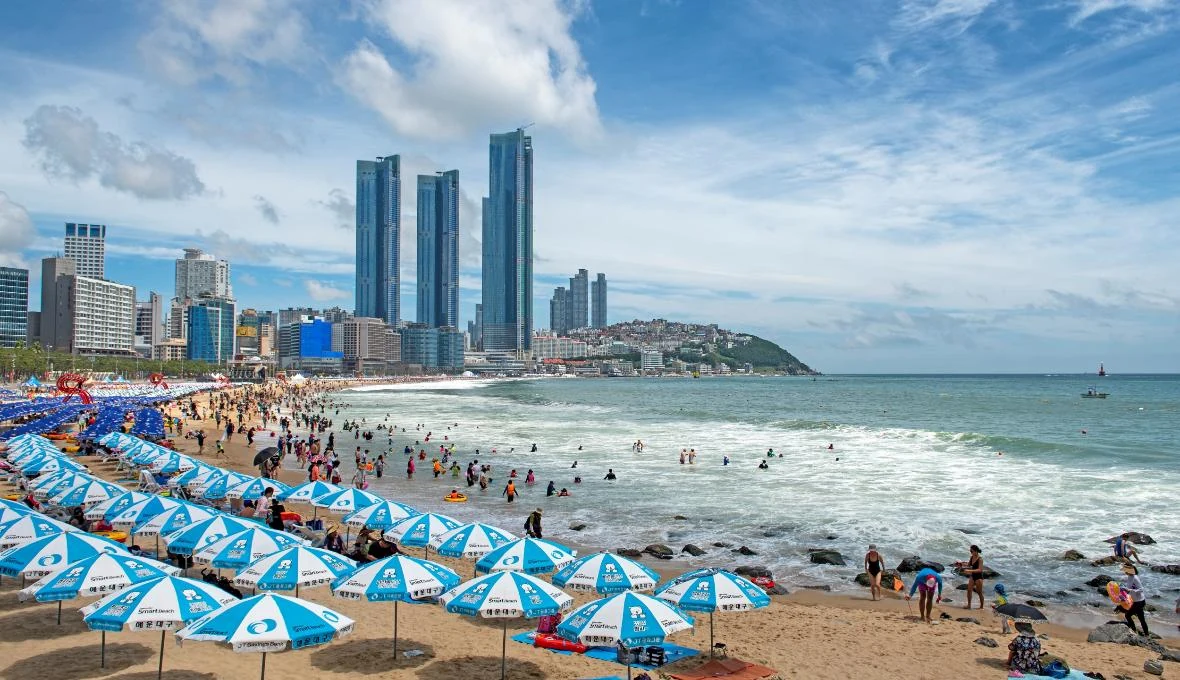
Short answer: Choose Anmyeondo by what your group can safely do between road, forest and tide. Use the recreation forest or a compact shore when shade and recovery matter; choose a confirmed beach for horizon and flexible time; add a low-tide activity only after checking tide, access, safety and equipment. Weather, roads, parking and facilities are to be checked.
- Forest-led: use trees, shade and a slower inland chapter before a brief coast view.
- Beach-led: protect one open shoreline and let sea, sand and islands provide the main landscape.
- Tide-led: schedule a low-tide activity first and treat sunset or a second beach as optional.
- Weather pivot: choose the safer forest or confirmed public beach and do not improvise around rocks, water or mud.
What is the real choice?
Anmyeondo is best planned as a coastal-conditions choice: forest offers shade and structure, the beach offers horizon and flexible space, and low-tide activities add timing and safety demands that should not be hidden inside a scenic drive. A family or road-tripping group has one Taean day and wants Anmyeondo scenery but needs to decide whether forest, beach, tide or a sunset stop should anchor the route. The route is a decision about attention, effort, evidence and the right to change plans. Current access, weather, transport and facilities are to be checked.
Route and decision table
| Route | Choose it when | Suggested sequence | Trade-off |
|---|---|---|---|
| Anchor-only route | The group wants one complete chapter with low transfer risk. | Start with the confirmed forest or beach experience, then make the second landscape optional. | You exchange breadth for depth and a calmer return. |
| Contrast route | The group can handle two linked chapters with a weather buffer. | Move from the less flexible or time-sensitive element to a shorter second chapter after checking access and travel time. | Queues, transfers and emotional or physical resets consume attention. |
| Depth route | Weather, stamina, daylight and facilities are secure. | Add one deeper tide or forest section without sacrificing the final return. | A late change can make the last chapter rushed or unsafe. |
| Weather-safe short day | Rain, heat, wind, cold, tide, crowds or mobility narrow the plan. | Keep the most controllable confirmed chapter and retain a short public outdoor look only where safe. | The longest walk, event or second transfer remains for another visit. |
Anmyeondo is a timing route, not one beach pin
Official visitor information describes Anmyeondo as an island linked to the mainland by a bridge, with multiple beaches, a recreation forest and a maritime national-park setting. Anmyeon Beach offers open sand, islets and low-tide activities, but those features do not automatically fit one day. Decide whether the trip is about forest, beach, tide or a quiet road-and-sunset rhythm.
Low-tide collecting, rock fishing and beach facilities depend on current conditions and local rules. Check tide tables, weather, water, beach notices, parking, showers, rentals, toilets, food and protected-area restrictions. Never promise that a low-tide activity is safe, legal or available because a guidebook mentions it.
The map may show short distances while summer traffic and coastal roads stretch the day. Choose one main shore and one supporting chapter. If the group wants a second beach, cut a distant forest detour before cutting the return.
Forest and beach solve different problems
A forest chapter offers shade, cooler air, texture and a way to recover from driving or wind. A beach chapter offers openness, sand, islands and horizon, but also exposure, glare and weather. Pick the environment that matches the group energy. A family may need forest and facilities before the beach; a photographer may want the shore at a particular light.
Confirm current forest opening, trail surface, accessibility, toilets, parking, shade and seasonal services. At the beach, follow barriers, swimming notices and public-access signs. Do not enter dunes, private facilities or unstable edges for a better view. If a beach is crowded, a shorter approved segment can preserve the landscape question.
The trade-off is comfort versus scale. Forest can be easier to inhabit but less visually expansive. The coast can be dramatic but demanding. A route that names the trade-off lets travellers choose without calling one landscape objectively better.
Low tide needs a safety plan
Tidal mud, shells, rocks and shallow water can be engaging, especially for families, but the shoreline changes while visitors are looking. A tide-led plan needs a fixed return time, shoes, clothing, water awareness and a clear boundary. Never make the last visible sandbank the endpoint.
Check tide, weather, waves, local notices, safe access, footwear guidance, equipment, supervision and emergency contacts. Follow local staff and do not cross channels, climb sea rocks or enter a sea cave without confirmed public access. Low tide is not a safety assessment.
If the group includes children, older travellers or non-swimmers, keep a dry observation option. A beach remains valuable through shells, horizon, birds, boats and light without anyone entering mud or water.
Make the coast seasonally honest
Spring can support forest and beach walking before summer traffic, though wind and rain remain variables. Summer brings swimming, longer light and more facilities but also heat, crowds, storms and traffic. Autumn may favour a calm coast road and sunset, while winter can be quiet and stark but cold, windy and service-limited.
Check traffic, weather warnings, tide, sunset, parking, showers, rentals, forest hours and food. A festival or seasonal facility is an option only after current dates and operation are confirmed. If the shore becomes unsafe, keep the forest or a verified indoor local stop instead of forcing a tide plan.
Pack layers, water, sun and wind protection, secure shoes and a dry change if the group may approach mud or sea spray. Build the return from the final confirmed public facility, not from an imagined beach cafe.

Seasonal trade-offs
| Season | What becomes attractive | What becomes harder | Check before committing |
|---|---|---|---|
| Spring | Forest and beach can be combined before high summer demand. | Rain, maintenance, school groups, bloom or programme demand can compress the route. | Check current hours, weather, events, parking, access and the final return. |
| Summer | Beach time and longer light can work, with traffic and tide checks. | Heat, humidity, storms, crowds, wind, tide or exposed surfaces raise the cost. | Check warnings, shade, water, cooling, last entry, tide, roads and transport. |
| Autumn | A quieter coast road and sunset can suit a measured day. | Events, weekend demand, shorter daylight or closures can add pressure. | Check calendars, sunset, parking, current facilities, weather and the return. |
| Winter | The coast can feel open and quiet if wind and services permit. | Cold, wind, early darkness, tidal conditions and seasonal closures reduce flexibility. | Check warnings, daylight, heating, access, clothing, food and public transport. |
Five positive evidence signals
- The group can state the anchor experience and the trade-off it accepts.
- The route uses current official interpretation and a confirmed public relationship between history, landscape or work.
- Hours, access, transport, weather, facilities, tide, events and closure risks are checked close to travel.
- A shorter route, rest point and safe final return exist for the least confident traveller.
- If one variable changes, the remaining route still answers the original decision question.
Five negative evidence signals
- The plan assumes a beach, festival, farm activity, museum, tide or trail is operating because an old page names it.
- A fortress, memorial, working farm, mudflat, tea field or coast is treated as a neutral photo backdrop.
- A long transfer, crowd, tide window or final return is hidden behind the word “nearby.”
- The itinerary assumes equal stamina, mobility, emotional comfort, weather tolerance or seasonal interest.
- The final food, toilets, quiet pause, cleanup plan and bad-weather choice are missing or left to improvisation.
Three practical route shapes
Anchor then contrast: protect the main coast chapter, then add one related environment only if current conditions support it.
Field decisions before leaving

Decision worksheet for this place
The independent decision angle for this article is A peninsula-and-island coast route that compares forest recovery, beach openness and tidal participation while making driving, tide timing and weather the central decisions. Use it as a test before you commit to a sequence: what would a traveller lose by choosing the other route, and which evidence would change your mind? For a family or road-tripping group has one taean day and wants anmyeondo scenery but needs to decide whether forest, beach, tide or a sunset stop should anchor the route., write one anchor, one optional contrast and one safe stopping point. Name the person in the group who needs the shortest walk, the person who needs quiet, and the person who is most interested in the local story. Their needs are part of the route design, not a last-minute exception.
Use Anmyeondo as a three-texture day: bark and shade in the forest, sand and horizon on the beach, and mud or rock only if the tide plan is safe. Ask which texture the group wants to remember. That is more useful than trying to visit every named shore.
For a mixed group, set a beach meeting point above the active shore and a firm return time. One person may photograph while another rests in shade. Check phone coverage, toilets, parking and the route back before anyone walks out of sight.
If traffic shortens the day, remove the furthest beach or low-tide activity first. Keep one shoreline, one rest stop and the final return. A calm coastal day is better than a route that spends its best light inside a car.
Before departure, verify the exact beach or forest address, tide, weather, parking, swimming or fishing notices, rentals, showers, food and sunset. Mark every seasonal or tidal service as to be checked.
Use a final decision audit for this Taean Anmyeondo Coast Route Decision: Forest, Beach or Tidal Shore day. Write down the experience the group would protect if weather, tide, event, opening or access changed; the transfer that must be checked; the stop that can be removed; and the place where everyone can rest, clean up and leave safely. If the proposed route depends on a particular opening, event, view, fare, service, season, operator, ticket, tide or surface condition, keep the claim conditional until a current source confirms it. Give travellers with different pace, mobility, dietary, language or comfort needs a real option, not a footnote. A route earns its place when it still makes sense after one variable changes. Preserve the distinction between what official material establishes and what remains to be checked, and let the day finish before fatigue turns a meaningful place into a rushed obligation.
Before departure, recheck every changing detail: hours, fares, reservations, transport, road or trail conditions, weather, tide, facilities, events, closures, safety notices and seasonal services. Where evidence is incomplete, leave the claim as to be checked instead of filling the gap with a confident guess.
Do not make the coast drive return twice
Taean coast pension
Choose a coast-side pension when sunset, tide or a short beach walk is the day’s reason. It saves the final drive after the shore and lets the group stop early when wind or mud changes the plan.
See Taean coast staysAnmyeondo town base
Choose an Anmyeondo town base when the route mixes beaches, forest and an early next-day departure. It gives a more useful food and transport reset than a remote shore room.
See the Anmyeondo baseStay beside the shore for one sunset; stay in town when the route has several coastal stops.
FAQ
Is Anmyeondo one beach?
No. It has multiple beaches, forest and protected coastal landscapes. Choose one main shore and one supporting chapter.
Can I collect shellfish at low tide?
Only where current rules, tide, access and safety guidance allow. Check locally and never cross channels or unstable surfaces.
Should I choose forest or beach?
Choose forest for shade and recovery; choose beach for horizon and open space. The group’s energy should decide.
Can families do a tide route?
Yes with supervision, secure footwear, a fixed return and a dry alternative. Do not treat low tide as a safety guarantee.
What if traffic delays the day?
Remove the furthest beach or activity first and keep one shore, one rest stop and the return.
What should I check?
Check roads, tide, weather, beach notices, forest access, parking, showers, rentals and food.
KriNavi decision card
Best use of this page: Taean Anmyeondo Coast Route Decision: Forest, Beach or Tidal Shore?
Core judgement: Choose a Taean Anmyeondo route by balancing forest, open beach, low-tide activities, driving distance, weather and coastal safety.
This card only reorganizes sources already listed by the page. Recheck live hours, prices, service, and restrictions for the travel date.