
Give Taebaeksan and the coal-mining landscape two separate days. The extra night is not an excuse to collect more stops. It gives the mountain a genuine weather window, gives the museum and mining town enough attention, and gives a mixed group a way to finish the trip without racing the last bus. Use day one to understand how Taebaek became a mining city; use day two to decide whether the mountain deserves your best conditions.
- Heritage first: museum and mining-town streets on day one, then a mountain start on day two if the forecast and trail work.
- Mountain first: use the clearest morning for the trail, then read the museum and town on day two while your legs recover.
- Different abilities: let the hikers use the mountain and give the rest of the group a complete museum, town and meal route.
- Bad-weather version: make both days work at low elevation with exhibitions, public streets, food and a shorter forest walk.
What the second night actually buys you
Taebaek combines two clocks. A mountain clock is set by first light, weather, surface conditions, effort, a turnaround and the last safe return. A heritage clock is set by reading pace, opening time, the distance between public buildings and ordinary homes, and the time it takes to absorb difficult history. A single packed day makes one of these clocks lose. Two days let you make a real choice instead of treating the museum as shelter after a hike or the mountain as a decorative ending.
Start the heritage day with the coal museum. Read the story in layers: geology and coal formation, extraction and transport, safety and equipment, then workers’ homes, family life and the city after the industry changed. When you later walk through a mining neighbourhood, the slopes, roads and industrial edges will have a relationship rather than just an old appearance. Leave time for people who read slowly and for companions who need a seat.
Mining heritage is not an abandoned-building playground. A preserved facility, a managed work area, a private home and a public exhibit are different things. Keep to the visitor route, follow barriers and do not use residents, interiors or working equipment as a backdrop. The history includes danger, dust, heat, long shifts and family consequences; avoid turning hardship into a nostalgic image.
A workable two-day route
| Day | Core route | Flexible part | Cut first |
|---|---|---|---|
| Day one: heritage | Arrive in Taebaek → settle in → coal museum → lunch and rest → confirmed mining-town public route → city dinner. | Choose either a longer exhibit reading or a longer town walk if time is tight. | A distant add-on that needs another transfer. |
| Day two: mountain | Breakfast → current trail choice → fixed turnaround → descent and recovery → short local walk or departure. | Extend only when weather, daylight, legs and the return all remain comfortable. | The highest or furthest segment, never the return buffer. |
| Day two: culture backup | Later breakfast → unfinished exhibition or town chapter → lunch → pack and leave safely. | Revisit one theme instead of adding another destination. | Any road or viewpoint that depends on worsening weather. |
Day one: read the city before photographing it
The museum is strongest when you follow a question from room to room. How was coal formed here? What did extraction require? How were workers protected, and what happened when protection failed? How did wages, housing, transport and family routines depend on the mine? Keep those questions in mind when you leave. A sloped street, a plant wall or a former transport line can then be read as part of a city system.
After lunch, walk only the public portion of the mining town. Notice how a valley, a road and a home fit together. Do not enter old houses because the door looks open, and do not climb a barrier for a wider photograph. If an area is managed or closed, leave it closed. A respectful visit may have fewer images but a much clearer understanding of what you saw.
Finish day one near the accommodation. Dry shoes, charge phones, check the next morning’s departure and allow everyone to rest. An evening mountain viewpoint is rarely worth turning a well-designed two-day route into a night transfer.
Day two: mountain version and short version
The mountain day begins with a fresh decision. Check the current trail notice, weather, road condition and transport before breakfast is over. Set a latest turnaround using a clock and a location. A trail time copied from another walker does not account for your group’s pace, winter layers, photos, snow or breaks. If wind, cloud, ice, rain or fatigue crosses the line, turn back early.
The short version is not a consolation prize. A lower forest route, a confirmed viewpoint or a near-entrance walk can give a group highland air without forcing a full ascent. Keep the route easy to explain and easy to leave. If some companions do not hike, give them their own plan: a museum section, a meal, a comfortable indoor space or a short town loop. Agree where and when the group reunites.
If the mountain closes or conditions deteriorate, use the unfinished heritage chapter. Read the safety and family-life sections, revisit one public street in daylight, eat locally and return to the city. Do not drive a long distance to chase a different summit simply because the original plan changed.
Transport decisions across two days
Without a car, map the accommodation, museum, town and mountain entrance as separate legs. The names may look close on a map while the actual transfers require a bus, a taxi and a walk. Check the date-specific departure point, waiting time, last practical return and the walk after each stop. A local service may run less often on a weekend, during an event or in winter.
A taxi is useful for one difficult connection: museum to a confirmed town entrance, mountain entrance back to the city or a return with wet winter gear. Write down the exact entrance rather than only the attraction name. Do not build the whole trip around finding a car at every decision point. If a transfer cost or wait makes the day fragile, remove the distant stop.
Driving offers flexibility but does not remove snow, ice, parking, traffic or driver fatigue. Autumn foliage can slow roads, and a dry city does not guarantee a clear mountain approach. Choose the mode that protects both the second morning and the final departure, not the mode that fits the largest number of pins.

Four seasons, two-day adjustments
| Season | Mountain opportunity | Heritage opportunity | Practical adjustment |
|---|---|---|---|
| Spring | Fresh green slopes and cool walking. | Indoor history gives shelter from rain and leftover snow. | Keep the museum fixed on day one and make the mountain a short day-two option. |
| Summer | Forest shade and highland air before afternoon storms. | The museum and town provide a calm second chapter after early hiking. | Leave the ridge before thunder and use the afternoon for recovery. |
| Autumn | Colour, clearer air and a strong reason to protect the morning. | Mining structures and forest colour create a thoughtful contrast. | Stay two nights, start early and cut the furthest stop when traffic grows. |
| Winter | Snow changes the mountain completely for prepared walkers. | Cold, work and family history carry extra weight indoors. | Make the museum and public town route complete; add mountain only with traction, daylight and current access. |
Choose accommodation by the problem it solves
Two useful bases
Taebaek city centre
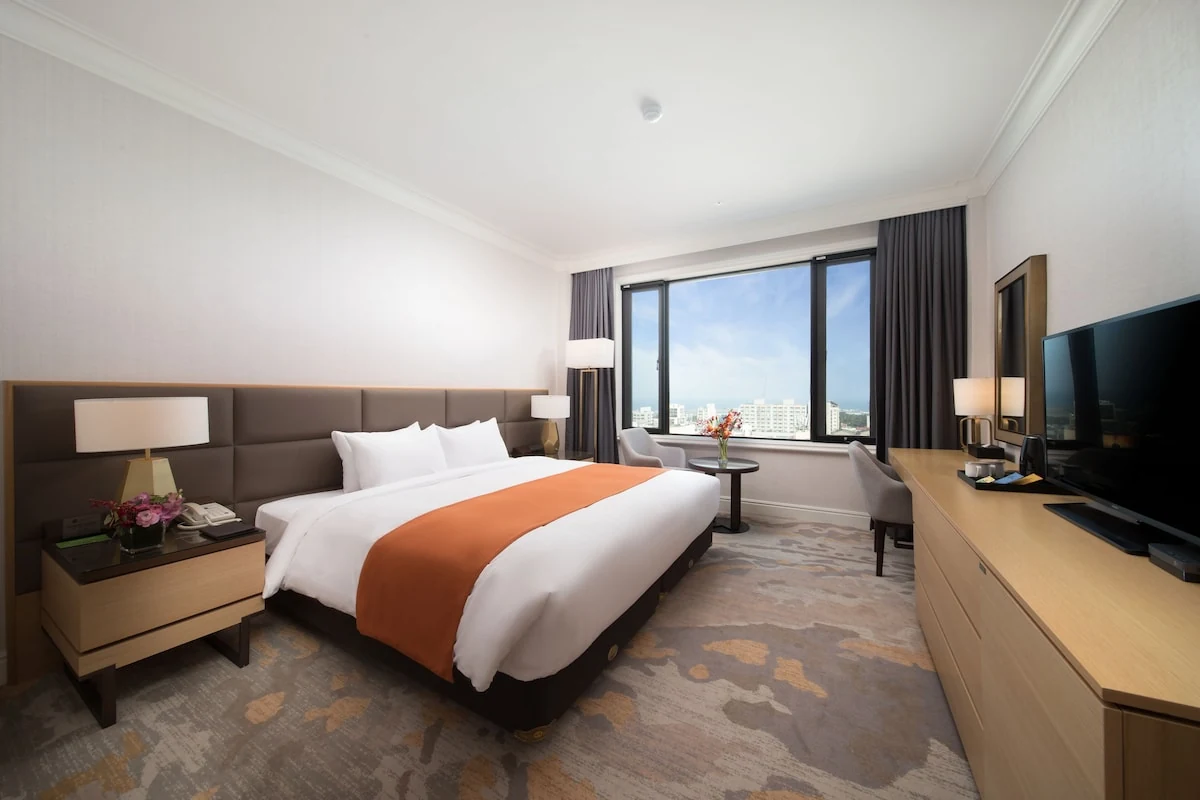
This base keeps food, supplies, museum access and a flexible evening close. It is the safer choice when day one is heritage-led or the forecast may cancel the mountain. A mixed group can split up, rest, and meet again without being stranded beside a trailhead.
Compare Taebaek staysMountain-side or resort area
This base saves an early transfer on the hiking morning. Choose it only when the mountain is the clear reason for the trip and you have a second day to absorb weather changes. It may make dinner, supplies and the museum less convenient, so it is not automatically better for a heritage-led visit.
Choose a stay for the routeCity stays protect heritage and plan changes; mountain-side stays save the first transfer when hiking is the clear priority.
Make different walking abilities part of the design
An older traveller, child, sore knee or dislike of enclosed spaces should change the route, not become a warning at the bottom. The museum can be divided into a few themes, the town can be shortened to a level public street and the hiking group can leave early while others enjoy a proper indoor plan. Agree a meeting place before splitting. Nobody should be left only waiting for the walkers to return.
Mining history can be difficult. It speaks about dangerous work, dust, heat, long shifts and the families who built routines around the mine. Read the displays before making a judgement about a building, and avoid assigning an invented personal story to a photograph. The town is meaningful because people lived there, not because visitors can make it look abandoned.

The departure audit
- Can day one be completed without relying on a mountain opening?
- What is the mountain’s latest turnaround and the accommodation’s latest safe return?
- Which section disappears first if snow, rain, closure or a delayed bus occurs?
- Does the accommodation make food, rest, separation and departure easier?
- Does every companion have a real activity while the hiking group is away?
Questions travellers ask
Do I need two nights?
Not always, but two nights make the weather decision meaningful. With one night, keep the heritage core firm and add only a short mountain segment when the return is obvious.
What if the mountain is closed on day two?
Finish the museum themes you skipped, walk the public mining-town route in daylight, eat locally and leave calmly. The two-day heritage route remains complete.
Can I manage this without a car?
Yes when you confirm the accommodation, stop order, bus or taxi link and last return. Use one taxi gap if needed and delete the furthest stop when the connection is weak.
Is the city centre too far from the mountain?
It adds a morning transfer, but gives better food, supplies and weather alternatives. A mountain-side base is useful when an early hike is the central purpose.
Can I photograph old mining buildings?
Photograph public areas where permitted. Keep away from private homes, managed facilities, barriers and residents’ daily life, and follow the conditions posted on site.
Let the two days have different moods
The first day can be quiet and observant. Read the displays without measuring the visit by the number of rooms, then walk a public street slowly enough to see how a valley, a workplace and a home relate. The second day can be physical or deliberately gentle. Separating those moods prevents the mountain from becoming a hurried finale and prevents the museum from feeling like a compulsory indoor break after a hike.
For a family, make the first day a conversation rather than a lecture. Ask what a tool was designed to do, why a town needed a transport line, and what a worker’s family would need after a long shift. On the mountain day, let each person choose a turnaround comfort level. A child who wants a forest walk, an adult who wants a viewpoint and a companion who prefers the museum can all belong to the same itinerary when the overnight base and meeting point are practical.
For a photography-focused visit, plan around access and patience. A mining town has narrow streets, residents, vehicles and working routines. Use public viewpoints, keep your group out of the road and wait without blocking a doorway. Snow and autumn leaves can make a scene look timeless, but the town remains a current place. Take the image from a permitted position, then move on so the next resident or visitor can use the street normally.
For a history-focused visit, compare what the museum explains with what the town makes visible. Look for the distance between a slope and a home, the scale of a road, the way a building is reused, or the absence of a former facility. Do not fill missing information with certainty. It is enough to record the question and continue through the public material. That habit makes the route more honest and more interesting on a return trip.
The final evening should be a recovery block, not another compulsory attraction. Sort photographs, dry footwear, charge devices and decide whether the next morning is still a mountain morning. If the group feels tired, a short breakfast walk and an easy departure protect the memory of the two days. Taebaek is not improved by making the final hour difficult just to add one more named stop.
KriNavi decision card
Best use of this page: Taebaek Mountain and Coal Heritage: Split the Landscape into Two Days
Core judgement: Give Taebaeksan, the coal museum and mining-town memory enough time by splitting them across two days, with seasonal choices, transport trade-offs and a useful stay base.
This card only reorganizes sources already listed by the page. Recheck live hours, prices, service, and restrictions for the travel date.