
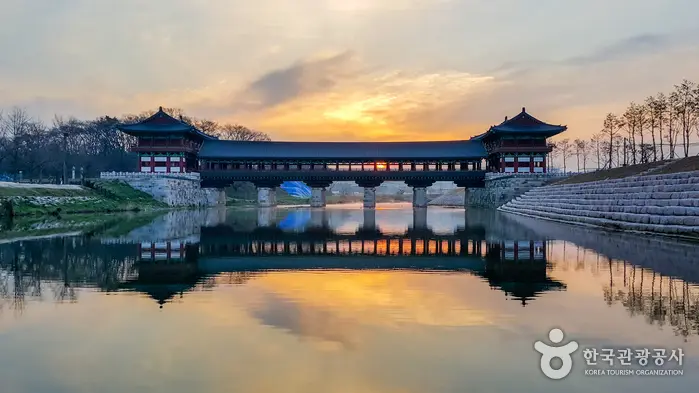
Choose the main scene first. Taehwagang National Garden gives you a slower start beside the river, with bamboo and garden paths that can be shortened without breaking the day. Daewangam Park is a coastal outing of pine trees, wind, rock and changing levels. They can meet in one Ulsan day, but they should not be counted as two equal checkboxes. Make the river a full half-day and keep the coast to one representative walk, or reverse that choice. You will see more by protecting the return journey than by forcing every path into the schedule.
- You want an easier walk: start at Taehwagang, keep two garden areas, then visit the Daewangam entrance and one viewpoint only.
- The coast is the reason for Ulsan: go to Daewangam while the light and wind are favourable, and make Taehwagang a short evening walk.
- You are not driving: treat the cross-city transfer as its own itinerary item. Check the way back before adding another distant stop.
- Rain or strong wind arrives: protect a meal, an indoor break and one short park route. Do not walk the coast just to complete a name.
Two kinds of outdoor walking
Taehwagang works because the river, bamboo and themed garden areas sit within a city landscape. You can walk for a while, find a bench, and decide whether to continue. Daewangam is more exposed: pine woodland, slopes, coastal rocks and viewpoints create a different physical rhythm. Sea wind can make a route feel longer than the map suggests. Both are outdoor parks, but a flat riverside path and a coastal rise should never be converted into the same walking target.
If you arrive by rail, deal with your luggage before you begin. Do not set two exact arrival times simply because both parks fit on a map. City transfers, waiting, lunch and a bag drop consume the space that a plan needs for weather. Write down two things you must see at the first park, such as bamboo and the river, or pine and the rocks, and label everything else as optional. That gives you a clear shortening point when the morning slips.
| Section | What it gives you | Keep it when | Shorten it when |
|---|---|---|---|
| Taehwagang river and bamboo | Flat walking, shade, water and a generous urban green space. | The temperature is manageable and the group can walk slowly for one or two hours. | Heat, thunderstorms or an event make a long loop less useful. |
| Cross-city transfer | A visible change from river landscape to the East Sea coast, with time for lunch and a reset. | You know the next stop and have somewhere to sit. | One delay would remove the return buffer, or luggage is still with the group. |
| Daewangam pine and rocks | Pines, sea air, coastal geology and an open horizon. | Wind, waves, daylight and leg strength are on your side. | Gusts, wet rock, rain or a late return make the walk unsafe. |
| Hotel and dinner direction | A shower, water and a realistic end to the day. | You do not have to cross the whole city again at night. | Dinner and the only remaining vehicle are treated as one promise. |
River first or coast first?
Start at Taehwagang when you have just arrived
Use the morning for a flatter section of Taehwagang, then choose either the bamboo or one garden theme. Stop when the heat or tiredness begins rather than delaying lunch to complete the grounds. After eating, check the coastal conditions. If Daewangam is comfortable, keep the entrance, pine path and one viewpoint. If the transfer has already taken longer than expected, save the coast for the next day. This order is forgiving: the first section is easy to resize and a delayed arrival does not destroy the entire day.
Start at Daewangam when the coastline matters most
If your priority is the rock, waves and coastal pine, make Daewangam the first task while the wind and visibility are more promising. Choose a representative destination before you set off; you do not need to take every branch. Return to the city for food, then make Taehwagang a shorter afternoon walk. Autumn light fades earlier, and winter wind reaches the coast directly, so going to Daewangam first prevents the main scene from being left to the most tired hour.
Where to stay: save the transfer that matters to your route
Lotte Hotel Ulsan
A central full-service base is useful when the first day includes Taehwagang, city meals and a flexible arrival. You can return for a proper break, find dinner without another long transfer, and reach the station more cleanly the next morning. It is a practical choice when the hotel is meant to protect the city part of the itinerary rather than serve as a coastal retreat.
See central Ulsan staysHotel Hyundai by Lahan Ulsan
If Daewangam is the reason for the trip, an eastern base removes a tiring return across the city after the coastal walk. The trade-off is a longer run towards Taehwagang and the station, so this works best when you split the parks over two days or keep the East District as the next morning's area.
Compare eastern Ulsan staysCentral Ulsan protects trains, meals and changes; the eastern side protects the first and last stretch of a Daewangam day.

Seasonal changes to the route
Spring: use the earlier part of the day for river greenery and bamboo, then keep the coast short if the weekend is busy. Summer: both parks expose you to sun, so put the main outdoor section in the morning or evening and use lunch for shade and recovery. Autumn: the walking conditions are often pleasant, but the coast cools quickly after sunset, so fix the return time before you start. Winter: avoid placing two long exposed walks back to back. Take a shorter river walk, eat indoors, then decide whether the coastal viewpoint is still worth the wind.
A two-day version is easier to protect
With one Ulsan night, use the first day for Taehwagang, the central area and a city dinner. Put Daewangam on the second morning, when you can reassess wind and visibility. A delayed train only costs you part of the river visit, not the coastline. If Daewangam becomes unpleasant, you can shorten the coastal route and return to the eastern base instead of crossing the entire city. Staying overnight is not a reason to add more sights; it separates two outdoor environments that otherwise compete for the same transfer buffer.
With one day only, define one river item and one coastal item. For example, keep the bamboo at Taehwagang and one rock viewpoint at Daewangam. Do not turn every garden, path and lookout into a separate obligation. A family may get enough from one riverside rest stop and a short look at the waves. A photographer may value the right wind and light more than a complete loop. Your itinerary should describe what you are protecting, not just what you can name.
Transport and stamina decisions
The useful transport question is not a single memorised timetable. It is which leg can be replaced by a taxi and which leg can be removed if the day runs late. Put the station, Taehwagang entrance, Daewangam entrance and hotel on one page. Note the stop, the final walk and the fallback for each leg. If rain strengthens, you can return to the city without inventing a new route on the pavement. For a small group, sharing one taxi on the final coastal leg may buy an earlier rest, but treat the fare as a departure-date check rather than a permanent budget promise.
Leave bags before you enter either park. Riverside paths make people underestimate their distance, while wind and steps make the return from Daewangam slower. After every main section, stop for water, a toilet and a time check. The return is part of the attraction day; do not discover at the last viewpoint that dinner and the last vehicle are both far away. Ulsan is rewarding when the change from river to coast feels intentional, not when two place names happen to appear in the same photo caption.

When to drop the second park
- A companion has developed foot pain, dizziness or clear heat fatigue at the first park.
- The transfer leaves too little time for food, a queue and a safe return.
- Wind, waves, rain or wet steps make the exposed coastal section a poor choice.
- You are keeping the second name only to finish a list, not because the group still wants that landscape.
- A late vehicle would threaten a train, airport connection or the next morning's plan.
Questions travellers ask
Can I visit Taehwagang and Daewangam on the same day?
Yes, if one is the main experience and the other has a defined short version. Include the transfer, meal and return buffer instead of estimating from map distance alone.
Which one is better for a half-day?
Choose Taehwagang for flat paths, bamboo and an urban river setting. Choose Daewangam for sea wind, rocks and pine. Let the group's stamina and the day's conditions decide.
Should I still walk Daewangam in rain?
If rain, wind or wet ground makes rocks and steps unsafe, keep the entrance or change to the city. The coast is not a task that must be completed.
Should I stay in the centre or the eastern district?
The centre is easier for the station, meals and route changes. The east makes sense when Daewangam is the main event and you are willing to split the parks across days.
Ulsan's river and coast do not need to compete. Protect the scene you most want to feel, then let the hotel, transfer and second park fit around it. A shorter route that gets everyone back comfortably is still a complete Ulsan day.
KriNavi decision card
Best use of this page: Ulsan Taehwagang Garden and Daewangam Park: How to Read the River-to-Coast Route
Core judgement: Work out whether Taehwagang National Garden and Daewangam Park belong on one day, with a practical plan for seasons, wind, walking load, transfers and hotel bases.
This card only reorganizes sources already listed by the page. Recheck live hours, prices, service, and restrictions for the travel date.