
Short answer: Taehwagang National Garden is a scale-and-sequence decision. The group should choose bamboo, river, seasonal gardens, accessibility or a short urban reset while recognising that a large open garden changes with heat, events, light and facilities. Current hours, access, prices, reservations, transport, facilities, programmes, weather, closures and safety conditions are to be checked close to travel.
- the group names its purpose before choosing a route
- current access, transport, facilities and conduct rules are checked
- weather, mobility, attention and the least confident traveller shape the plan
- lodging and the next chapter are chosen by the complete route
What is the real choice?
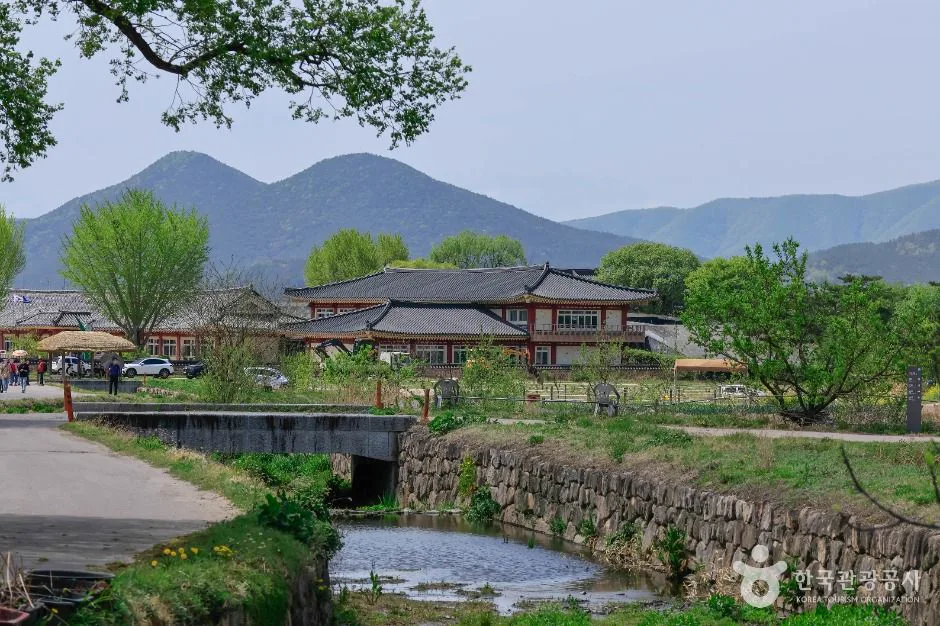
Taehwagang National Garden is large enough to be several different visits. One traveller wants Simni Bamboo Grove and its shade; another wants river ecology; a family wants accessible movement; another wants seasonal gardens and a city pause. Ulsan tourism describes the river, bamboo grove, thematic gardens and accessible-tourism work, but current facilities, events, lights, paths, parking, toilets and seasonal services remain to be checked. Do not promise a flower display, night trail or open facility on an old schedule. Pick one zone as the anchor and add only a checked contrast. The garden is an urban route, so lodging in Ulsan can be more important than an attraction count. A shorter loop can be a complete visit when the group has understood water, bamboo and city space without crossing the entire park in heat.
Route and decision table
| Route | Choose it when | Suggested sequence | Trade-off |
|---|---|---|---|
| Bamboo-grove anchor | The group wants shade, texture and a slower river-edge walk. | Check current path, shade, access, lighting and the return before entering. | Focused and calm, but it is only one garden zone. |
| River ecology route | The group wants water, habitat, bridges and open urban landscape. | Choose a checked river section, weather window and a rest point. | More open space, but sun, wind and distance increase effort. |
| Family-accessible day | Children, older travellers or mixed mobility make ease and facilities central. | Verify current ramps, toilets, seating, shade and one simple loop. | Inclusive and flexible, but not every garden section may fit. |
| Seasonal garden day | Flowers, themed beds or events are the main attraction. | Check current planting, event, crowd and facility notices before going. | Colourful when current, but most dependent on date and operation. |
Start with one garden zone
A large national garden invites a full-map ambition. Resist it. Choose bamboo, river, flowers or a family loop as the reason, then decide how far the group can walk. Check the current map, shade, toilets, water and rest points. If the group reaches the chosen zone and feels satisfied, stop. Crossing the whole garden can turn a calm park day into heat management. The route is better when visitors notice a place rather than only measure distance.
Bamboo and river are different experiences
Simni Bamboo Grove offers enclosure, texture and shade, while the river edge gives sky, wind, water and a broader city view. Neither is a substitute for the other. Choose by weather and attention. A hot day may favour bamboo; a cool clear day may reward the river. Check current path, lighting, maintenance and access. Do not promise that an evening bamboo trail or a particular visual effect operates on every date.
Accessibility is a route choice
Ulsan pages describe accessible tourism work, but the visitor still needs the actual section, slope, surface, crossing, toilet, parking and rest details. Check temporary construction and the person's mobility. A family with a stroller may need shade and a shorter loop, while an older traveller may value a bench more than a themed garden. Make a meeting point and a way to leave early. Do not call the entire 830,000-square-metre area equally accessible from a general statement.
Seasonal gardens need a current check
Flowers, aquatic plants, events, performances and light programmes can make a garden visit date-sensitive. Use current Ulsan notices. Do not write a past festival into a future route or promise peak bloom. If the seasonal feature is weak, the bamboo, river and urban ecology remain real. A date-flexible route is stronger than a calendar claim that cannot be verified.
Heat and open-space planning
River gardens expose visitors to sun, humidity and wind. Carry water, cover and a rest plan, and check warnings. Summer evenings can be pleasant but change transport and lighting decisions. Winter can make open paths cold and slippery. Choose the anchor zone by the group and season. The garden should be a place to slow down, not a test of endurance.
Transport across Ulsan
Taehwagang connects districts and attractions, but the actual entrance, parking, buses, taxi and river crossings matter. Check the starting side, return and next stop from the accommodation. A taxi can save energy while a bus can preserve budget but add walking. Do not assume one entrance serves every garden chapter. Name a meeting point before splitting pace.

Pair with one Ulsan contrast
A pavilion, museum, whale village or city meal can follow the garden, but a full cross-city list may undermine the park. Choose one current and geographically sensible contrast. If the garden absorbs the day, drop the add-on. A garden route needs a quiet return and should not turn the river into transit wallpaper.
Keep official details live
Ulsan city, tourism and KTO pages support the garden's ecology, bamboo and city context. They do not freeze opening, lights, events, parking, flowers, facilities or construction. Check current notices and mark all live claims to be checked.
Evidence notes for this decision
Route evidence note — Bamboo-grove anchor: choose this when the group wants shade, texture and a slower river-edge walk. The practical sequence is Check current path, shade, access, lighting and the return before entering. The trade-off is Focused and calm, but it is only one garden zone. Keep live access and operating details to be checked.
Route evidence note — River ecology route: choose this when the group wants water, habitat, bridges and open urban landscape. The practical sequence is Choose a checked river section, weather window and a rest point. The trade-off is More open space, but sun, wind and distance increase effort. Keep live access and operating details to be checked.
Route evidence note — Family-accessible day: choose this when children, older travellers or mixed mobility make ease and facilities central. The practical sequence is Verify current ramps, toilets, seating, shade and one simple loop. The trade-off is Inclusive and flexible, but not every garden section may fit. Keep live access and operating details to be checked.
Route evidence note — Seasonal garden day: choose this when flowers, themed beds or events are the main attraction. The practical sequence is Check current planting, event, crowd and facility notices before going. The trade-off is Colourful when current, but most dependent on date and operation. Keep live access and operating details to be checked.
Spring evidence note: The opportunity is Fresh planting and mild river air can suit a bamboo and garden loop. The constraint is Rain, events and flowers at different stages can change the route. Before leaving, Check current planting, weather, paths, facilities and demand. This is a planning prompt, not a forecast.
Summer evidence note: The opportunity is Bamboo shade and longer light can support an early or late garden day. The constraint is Heat, humidity, storms, glare and crowds make a full loop costly. Before leaving, Check water, shade, warnings, lights, toilets and transport. This is a planning prompt, not a forecast.
Autumn evidence note: The opportunity is Clearer air and seasonal colour can reward a river-and-garden walk. The constraint is Shorter daylight, events and wind can narrow the margin. Before leaving, Check daylight, current programme, demand and lodging. This is a planning prompt, not a forecast.
Winter evidence note: The opportunity is A short bamboo or river chapter can reset an Ulsan city day. The constraint is Cold wind, wet paths and inactive seasonal facilities reduce variety. Before leaving, Check surfaces, clothing, opening, facilities and indoor fallback. This is a planning prompt, not a forecast.
Positive signal: The group chooses bamboo, river, family access or seasonal garden purpose first. Evidence should be current, specific and tied to the group's actual route.
Positive signal: Current paths, facilities, events, lights, access, weather and transport are checked. Evidence should be current, specific and tied to the group's actual route.
Positive signal: A large garden is divided into a realistic zone and turnaround. Evidence should be current, specific and tied to the group's actual route.
Positive signal: Accessibility is tested for the actual section and traveller. Evidence should be current, specific and tied to the group's actual route.
Positive signal: The plan remains worthwhile when a bloom, event or light feature changes. Evidence should be current, specific and tied to the group's actual route.
Limitation signal: A past flower, festival, light or performance schedule is presented as current. If this appears, shorten the promise or stop and verify.
Limitation signal: The entire garden is assumed equally easy or accessible. If this appears, shorten the promise or stop and verify.
Limitation signal: Heat, shade, distance and river exposure are ignored. If this appears, shorten the promise or stop and verify.
Limitation signal: Taehwagang is combined with distant Ulsan stops without a tested return. If this appears, shorten the promise or stop and verify.
Limitation signal: A garden zone not visited is described as completed. If this appears, shorten the promise or stop and verify.
Four seasons at a glance
Seasonal trade-offs
| Season | What becomes attractive | What becomes harder | Check before committing |
|---|---|---|---|
| Spring | Fresh planting and mild river air can suit a bamboo and garden loop. | Rain, events and flowers at different stages can change the route. | Check current planting, weather, paths, facilities and demand. |
| Summer | Bamboo shade and longer light can support an early or late garden day. | Heat, humidity, storms, glare and crowds make a full loop costly. | Check water, shade, warnings, lights, toilets and transport. |
| Autumn | Clearer air and seasonal colour can reward a river-and-garden walk. | Shorter daylight, events and wind can narrow the margin. | Check daylight, current programme, demand and lodging. |
| Winter | A short bamboo or river chapter can reset an Ulsan city day. | Cold wind, wet paths and inactive seasonal facilities reduce variety. | Check surfaces, clothing, opening, facilities and indoor fallback. |
Five positive evidence signals
- The group chooses bamboo, river, family access or seasonal garden purpose first.
- Current paths, facilities, events, lights, access, weather and transport are checked.
- A large garden is divided into a realistic zone and turnaround.
- Accessibility is tested for the actual section and traveller.
- The plan remains worthwhile when a bloom, event or light feature changes.
Five negative evidence signals and limitations
- A past flower, festival, light or performance schedule is presented as current.
- The entire garden is assumed equally easy or accessible.
- Heat, shade, distance and river exposure are ignored.
- Taehwagang is combined with distant Ulsan stops without a tested return.
- A garden zone not visited is described as completed.

Three practical route shapes
Bamboo focus: protect shade, walk a short current section and leave the river optional.
River ecology: choose one water-edge chapter and a rest plan rather than a full crossing.
Season gate: verify planting or event value, then use the garden as a flexible city park if it fails.
Accommodation and transport decision
| Stay shape | Choose it when | Trade-off |
|---|---|---|
| Taehwa or central Ulsan base | Choose it when the garden and city chapters are central. | Shorter local transfer, but current room, food and noise need checking. |
| Nam-gu base | Choose it when the wider Ulsan route includes Jangsaengpo or industrial areas. | Good broader access, but the garden return may be longer. |
| Transit-linked base | Choose it when a regional train or bus follows the park day. | Onward convenience depends on the actual entrance, luggage and service. |
Field decisions before leaving
- www.ulsan.go.kr official or authoritative source — current operating details are to be checked.
- english1.visitkorea.or.kr official or authoritative source — current operating details are to be checked.
- www.ulsan.go.kr official or authoritative source — current operating details are to be checked.
- english.visitkorea.or.kr official or authoritative source — current operating details are to be checked.
Keep the garden and river in one evening
Ulsan city-centre stay
Choose a central room when Taehwagang National Garden is followed by old downtown, a meal or an early train. It keeps the walk flexible around heat and bloom timing without a dark cross-city return.
See Ulsan stay choicesStay central for a river-and-city day; use a distant base only when tomorrow requires it.
FAQ
How large is Taehwagang National Garden?
It is a large urban garden; choose one zone and a realistic walk rather than assuming a full loop.
Is Simni Bamboo Grove open at night?
Current facilities and lighting must be checked; do not rely on an old night-route claim.
Is it accessible?
Some accessible-tourism information exists, but verify the chosen section, ramps, toilets, surfaces and rest.
When are the flowers best?
Seasonal display is date-sensitive. Check current Ulsan notices and avoid promising peak bloom.
Where should I stay?
Compare central, Taehwa and Nam-gu bases against the actual entrance and next day.
What if it is too hot?
Use bamboo shade or a shorter route, hydrate, and switch to a confirmed indoor Ulsan chapter if needed.
KriNavi decision card
Best use of this page: Ulsan Taehwagang National Garden Route Decision: Bamboo Grove, River Ecology or City Park Day?
Core judgement: Choose Taehwagang National Garden by bamboo grove, river ecology, thematic gardens, accessibility, seasons, transport and Ulsan lodging.
Sources checked in this page: Source 1 · Source 2 · Source 3 · Source 4
This card only reorganizes sources already listed by the page. Recheck live hours, prices, service, and restrictions for the travel date.