
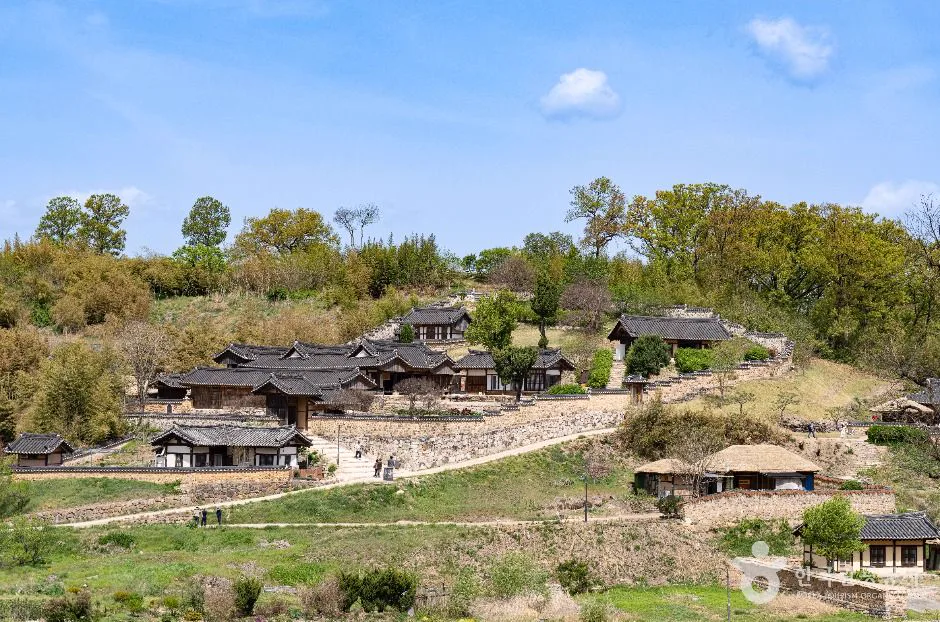
Let the return ferry set the walking distance. On an island, the challenge is not a lack of sights; wind, rain, ferry timing and road length all change the clock. After landing, confirm the next return sailing and the walk from the harbour to the first section. Then choose a line that can turn back halfway. Cheongsando works best when you leave margin for the sea, a meal and the boarding queue.
The first island decision
Before leaving the harbour, use the toilet, fill water, take a small meal and note the return boarding point. Villages, coast and hills may look close but grow slower with photographs, pauses and waiting. Start on a flatter village section, read the group pace, then add the shore or a higher viewpoint. Agree on a meeting point so different walking speeds do not threaten the ferry.
Large luggage should not travel down a long island line. Ask the stay about storage or leave the main bag in Wando and carry a small one. That saves more effort than forcing one extra lane. If local transport requires a wait, use it for lunch and rest rather than trusting the map distance to stay exact.
Four seasons on Cheongsando
Spring brings fresh leaves and clear field colour. A village line plus a short coast can work, although wet ground slows hills after rain. Summer light and humidity favour an early outdoor section, shade or indoor rest in the middle, and a harbour-side finish in the afternoon. Autumn feels cooler, but wind can still affect the ferry and local transfers, so close the route early enough.
Winter has shorter light and colder sea wind. Shorten the coast and protect hands and warmth instead of adding one more slope. In stable weather, use a longer view; when cloud, rain or swell rises, return through the village. Across every season, put the priority view in the first half and keep the last hour for the harbour, bags and boarding.
Rain and strong wind
Rain does not automatically cancel the island, but a long exposed coast should not remain compulsory. Use harbour-side lanes, covered village edges and one indoor rest point. If the shower eases, add a short open view. In strong wind, keep away from spray and slick rock, eat in the village or return early. A safe finish matters more than the number of photographs.
Ferry and transport trade-offs
A car-free visitor should put the Wando–Cheongsando sailings at the top of the itinerary, then choose one or two walking districts inside the usable window. Set a waiting limit for an island vehicle and switch to the harbour short line when it is reached. A car does not remove the buffer: loading, parking, narrow roads and the return queue still take time. If the arrival is late, cut the furthest branch rather than pushing the delay toward boarding.
What the stay base saves
For a day trip, staying near Wando harbour removes a morning transfer and makes a large bag easier. For sunrise, sunset or a later sailing, one night on Cheongsando protects the island time. An island room needs a practical breakfast, luggage plan, dinner option and harbour distance, not just a sea view. Wando town is better for supplies and the next departure; the island reduces ferry pressure but needs food and return planning earlier.
One-day and two-day loops
- Confirm the return sailings, boarding point and luggage plan before leaving.
- Start with a flat village line, then add coast according to wind and energy.
- Turn the ferry wait into food and rest, with a fixed latest harbour return.
- On an overnight, take a quiet morning village line while still protecting departure.
Choose a base that keeps the return calm, then set the walking length from the season. Check the day's sailing, weather and island transport before departure. Open the Wando and Cheongsando stay choices next, set the ferry margin, and let the coast fill the space that remains.
Choose a base that handles the ferry, luggage and a rainy-day finish before adding a longer island line.

Tags
Keep island time useful
A traveller who wants only the sea does not need to copy the full village line; meet at the harbour or room. If the sailing changes, protect the return option before moving the meal or walk. Slow does not mean limitless. The loop is complete when wind, rain, luggage and energy can change without losing the correct harbour.
KriNavi decision card
Best use of this page: Cheongsando by ferry: a slow island route with a safe return
Core judgement: Build a Cheongsando island day around ferry timing, seasonal walking, accommodation and a rainy-day short route.
This card only reorganizes sources already listed by the page. Recheck live hours, prices, service, and restrictions for the travel date.