
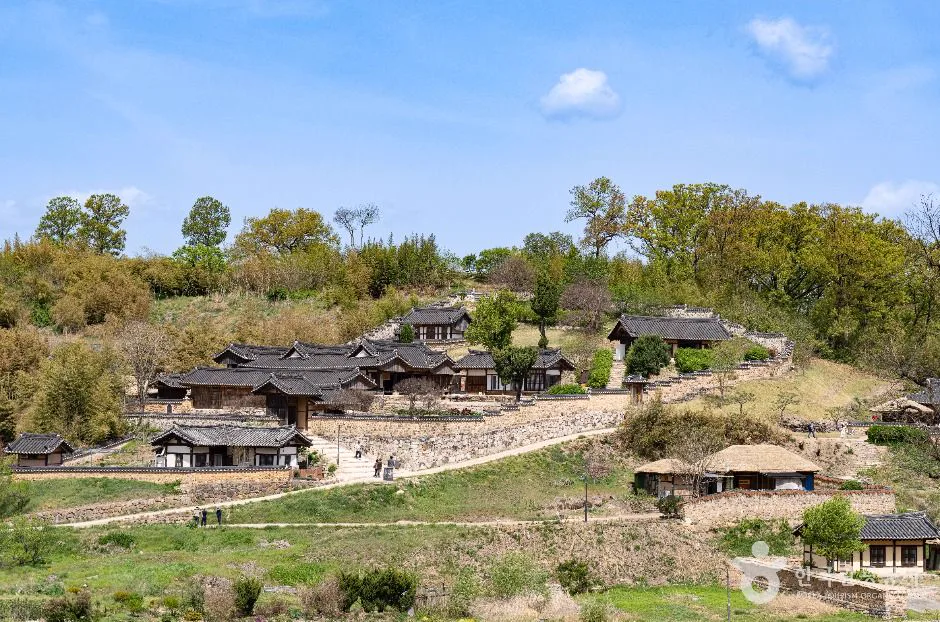
Short answer: Choose Cheongsando by protecting the ferry first and the pace second. Take a short village, field and stone-wall route when the return window is narrow; choose a longer slow path or coastal section when the weather and walking reserve are strong; treat festival colour as an optional layer rather than the whole reason to cross the sea. Ferry operation, capacity, weather, island transport and trails are to be checked.
- Short island reading: stay near the confirmed port and a compact village or field section, leaving a real return margin.
- Slow-path depth: choose one or two confirmed sections and let the landscape, walls and sea set the pace.
- Coast-led: prioritise a safe public shoreline or viewpoint, accepting that rural details and extra villages may be left out.
- Ferry-first pivot: if wind, waves, tickets or a late arrival reduce certainty, keep the day close and do not gamble with the last sailing.
What is the real choice?
Cheongsando is a ferry-and-pace decision: the island’s value lies in allowing sea, fields, stone walls and villages to unfold slowly, while the boat timetable and weather decide how much of that landscape can responsibly fit. A first-time visitor has a single Cheongsando day and wants the island’s slow-city atmosphere but must choose a path depth that leaves a safe ferry margin for different walking speeds and weather. The route is a decision about attention, effort, evidence and the right to change plans. Current access, weather, transport and facilities are to be checked.
Route and decision table
| Route | Choose it when | Suggested sequence | Trade-off |
|---|---|---|---|
| Anchor-only route | The group wants one complete experience with low transfer risk. | Start with the confirmed island chapter and let the rest remain optional. | You give up breadth for depth and a calmer return. |
| Contrast route | The group can handle two linked chapters and has a time buffer. | Move from the less flexible or time-sensitive element to a shorter second chapter after checking access. | The transfer, queue and emotional or physical reset consume attention. |
| Depth route | Weather, stamina, daylight and the return are secure. | Add one deeper section: a slow path after the anchor. | A late change can erase the final return or make the day feel rushed. |
| Weather-safe short day | Rain, heat, wind, cold, mobility or a late start narrows the plan. | Keep the most controllable confirmed chapter, reduce exposure and retain a simple indoor or port-side fallback. | The broadest landscape, event or longest transfer remains for another visit. |
The ferry is part of the experience
Cheongsando is an island, so the return is not a minor logistical footnote. Official sources describe the crossing from Wando and the island’s eleven slow paths, rural fields, low stone walls and sea-and-mountain scenery. Those qualities invite a relaxed day, but the boat window gives the route a hard boundary. Begin by confirming the sailing, then decide how much walking the group can enjoy without watching the clock every minute.
Weather cancellations, capacity, ticketing, boarding procedure, port transfer, sea conditions and seasonal schedules are to be checked. Do not assume a published crossing time means an unlimited same-day return. Keep a ferry margin for slow walkers, food, toilets and a missed turn. An overnight plan is a different product and needs its own verified accommodation and departure decision.
A ferry-first route may feel less ambitious than a long island loop, but it protects the quality of the day. The island rewards attention more than distance. A short route that ends calmly is more faithful to slow travel than a long route that becomes a sprint to the pier.
Choose one landscape chapter
Cheongsando combines blue sea, green hills, flat rice fields, stone walls and village culture. The official Wando itinerary lists port, filming sites, a rock viewpoint, a field lunch, stone-wall paths and a beach, but a visitor should not assume all those elements fit a single daylight window. Choose the landscape that your group wants to understand, then let the others remain background or a reason to return.
A village-and-wall route supports close looking at farming edges, paths and local architecture. A coast-led route gives horizon, wind and wider views. A field or filming-site chapter may add cultural recognition, but confirm current access, interpretation, privacy, parking, toilets and food. Do not enter a private field or treat residents as scenery.
The trade-off is texture versus panorama. A longer coast walk may leave less time for village details; a compact rural route may give up a famous viewpoint. Decide whether your photographs, conversation, food or walking should be the protected experience.
Slow walking needs active planning
Slow does not mean unplanned. Paths can include slopes, heat, uneven ground, exposed wind, waiting and transfers. Set a turnaround time based on the ferry, not on a hopeful map. Use short observation pauses and let the group notice walls, water channels, crops, roofs, sea light and the boundary between working land and visitor space.
Check current trail signage, repairs, shade, seating, water, toilets, road crossings, local vehicles and any festival diversion. If the route becomes uncomfortable, shorten it at a confirmed point. Do not claim that all eleven slow paths are equally easy, open or connected on the travel date.
For a mixed group, choose a meeting point close to the port or a confirmed public facility. Agree on who carries the timetable, who checks weather and what happens if one person turns back. The slowest traveller should shape the ferry margin.

Festivals and seasons alter the island bargain
Spring can bring the most visible field colour and festival demand; summer gives long light but adds heat, humidity and ferry crowds; autumn can make walls and paths comfortable while shortening daylight; winter can offer quiet and hard light but makes wind, sea conditions and limited services more consequential. These patterns are planning prompts, not guarantees.
Check the current slow-walking festival, ferry timetable, road access, weather warnings, food, accommodation, trail conditions and island transport. If a festival is cancelled or crowded, retain the landscape and remove the event claim. If ferries are uncertain, do not build a same-day island route around a perfect sunset.
Pack water, layers, grip, sun and wind protection, and a charged phone. The island can feel remote even when the crossing is short. Confirm how you will return before starting any section away from the port.
Seasonal trade-offs
| Season | What becomes attractive | What becomes harder | Check before committing |
|---|---|---|---|
| Spring | Field colour and slow walking can be attractive if ferry demand is managed. | Rain, school groups, maintenance, festivals or changing access can compress the route. | Check current calendars, hours, reservations, weather, transport and the final return. |
| Summer | Long light helps island walking, while ferry crowds and heat rise. | Heat, humidity, storms, crowds, wind and slippery or exposed surfaces raise the cost. | Check warnings, shade, water, indoor cooling, last entry, road or ferry status and safety rules. |
| Autumn | Walls, villages and coast can be read slowly before early sunset. | Events, weekend demand, shorter daylight or closures can increase pressure. | Check crowding, sunset, programmes, parking, tickets, weather and the final transfer. |
| Winter | A quiet island can be beautiful only when the ferry and services are reliable. | Cold, ice, wind, early darkness, ferry or venue closures reduce flexibility. | Check warnings, daylight, heating, clothing, access, food, transport and the safe return. |
Five positive evidence signals
- The group can name the anchor experience and the trade-off it accepts.
- The route uses official interpretation and a confirmed public relationship between place, history or landscape.
- Hours, access, transport, weather, facilities, tickets and closure or event risks are checked close to travel.
- A shorter route, rest point and safe final return exist for the least confident traveller.
- When one variable changes, the remaining route still answers the original decision question.
Five negative evidence signals
- The plan assumes a course, ferry, boat, gallery, programme, launch or viewpoint is operating because an old page names it.
- A ruin, memorial, sacred place, working village or scientific facility is treated as a neutral photo backdrop.
- A long transfer, controlled access rule or ferry return is hidden behind the word “nearby.”
- The itinerary assumes equal stamina, mobility, emotional comfort, weather tolerance or interest across the group.
- The final return, food, toilets, quiet pause and bad-weather choice are missing or left to improvisation.
Three practical route shapes
Anchor then contrast: protect the main island chapter, then add one related environment only if current conditions support it.

Field decisions before leaving
A good Cheongsando note is a “pace budget.” Give the group a fixed amount of walking, a fixed amount of waiting and a fixed amount of looking. If a ferry queue or weather delay consumes the waiting budget, cut the furthest path rather than borrowing time from the return. This turns slow travel into a practical shared decision.
Do not build the island story only around film locations or the slow-city label. Ask what the stone walls, fields, boats and village routes reveal about work and settlement now. Check photography etiquette and private boundaries. A place can be visually recognisable while still being someone’s home or livelihood.
If one traveller cannot walk the chosen path, keep a port-side plan that still has sea, food, interpretation or a short confirmed view. Avoid sending the group in separate vehicles unless the timetable and meeting point are clear. The island day should remain shared even when walking distance differs.
Before boarding, recheck the return sailing, weather, capacity, island transport, chosen path, festival notices, food and accommodation. Mark all variable details as to be checked; a slow route deserves a firm safety margin.
The island is not improved by counting every stone wall or named path. Choose one visible relationship between field, wall, village and sea, then give it enough time for the group to notice work as well as scenery. That is the useful meaning of a slow day.
Use a final decision audit for this Wando Cheongsando Route Decision: Ferry Window, Slow Path or Island Coast day. Write down the experience the group would protect if weather, security, ferry, programme or access changed; the transfer that must be checked; the stop that can be removed; and the place where everyone can rest and leave safely. If the proposed route depends on a particular opening, event, view, fare, service, season, operator, ticket or surface condition, keep the claim conditional until a current source confirms it. Give travellers with different pace, mobility, dietary, language or comfort needs a real option, not a footnote. A route earns its place when it still makes sense after one variable changes. Preserve the distinction between what official material establishes and what remains to be checked, and let the day finish before fatigue turns a meaningful place into a rushed obligation.
FAQ
How much of Cheongsando can I walk in a day?
Choose a confirmed section that leaves a real ferry margin. Eleven paths do not mean every path fits a same-day visit.
Can weather cancel the ferry?
It can affect island plans. Check the current sailing, capacity, sea conditions, boarding rules and cancellation notices before committing.
Should I follow a film-location route?
Only if the sites are open and respectful access is confirmed. Keep working villages and private areas out of the photo checklist.
Is Cheongsando suitable for slow travellers?
Yes, when “slow” includes a pace budget, food, shade, toilets, a meeting point and a safe return.
What if I miss the planned section?
Stay close to the port or use the nearest confirmed public route. Do not gamble with the last sailing.
What should I check?
Check ferry, weather, trail, island transport, festival, food, accommodation, facilities and the return.
Let the ferry set the island pace
The common mistake on Cheongsando is writing a full island route before checking the ferry. Spring yellow flowers and the slow-walk festival can tighten the terminal queue, local shuttles and rooms, so confirm the outbound boat, return window and luggage first. Summer sea wind can shorten the coast section in the afternoon; autumn and winter have early darkness and suit an overnight that separates village lanes from the shore. An island stay is valuable because you do not have to cross the whole island before the final boat, and you can wait out a change in weather.
KriNavi decision card
Best use of this page: Wando Cheongsando Route Decision: Ferry Window, Slow Path or Island Coast?
Core judgement: Plan a Wando Cheongsando day around ferry reliability, slow walking paths, stone walls, fields and a realistic island return rather than a rushed checklist.
This card only reorganizes sources already listed by the page. Recheck live hours, prices, service, and restrictions for the travel date.