
Choose the lead experience first. If surfing is why you are coming to Yangyang, protect the lesson, the equipment briefing, time in the water, a shower, food and recovery as one complete half-day. If Naksansa and the coastal landscape matter more, make the temple the anchor and let surfing become an optional addition. Two days are enough for both themes when they are given different clocks; they are not enough for treating every beach, lesson and temple as a fixed appointment.
- Surf first: stay near the coast, book the earliest practical session and keep the afternoon light.
- Naksansa first: walk the temple and Naksan shoreline while everyone is fresh, then add a shorter beach chapter.
- Mixed group: choose a base where a non-surfer can rest, eat or walk independently while the lesson runs.
- No car: make the return connection a fixed boundary and avoid placing the lesson, temple and bus terminal in three different directions.
Why surfing and Naksansa do not run on the same clock
A surf booking is more than the minutes spent standing on a board. You need to find the meeting point, listen to the safety briefing, fit equipment, carry or store it, warm up, enter the water, rinse off, change and gather wet items before moving on. A beginner may use more energy than expected. The companion who stayed on shore may also need shade, food or a quiet break. Writing only “surfing, 10:00–12:00” hides most of the day.
Naksansa is a different kind of stop. The temple grounds and coastal outlooks ask for steady walking, attention and a respectful pace. Wind, steps and exposed paths become more noticeable after a cold-water session. The right question is not whether the two places are close on a map; it is whether the group still has enough warmth, daylight and patience to see the second place properly.
That is why the first hotel decision matters. A coast base protects an early surf meeting and a quick return after changing. A Naksan base protects the next morning’s temple walk and makes an early coastal start easier. A central base may simplify meals and the onward bus, but every beach chapter becomes a transfer. Choose the friction your group can absorb.
Day one: make the surf session the complete half-day
Arrive, leave luggage at the hotel and go to the confirmed meeting point with enough time for directions and equipment. Do not place a long temple visit before a first lesson. After the session, rinse, change into dry layers, drink water and eat near the coast before deciding what remains. Naksan Beach is a useful low-pressure second chapter: people can see the horizon, take a short walk or return to the hotel without another hard booking.
If one person is not surfing, agree on a meeting restaurant or a recognisable shoreline point before the lesson begins. A non-surfer can use the time for a short walk, a café or a hotel break, but should not be left with wet bags, uncertain transport or an assumed obligation to wait. If wind or fatigue rises, finish day one early. A warm meal and a dry room are part of the route, not wasted time.
| Time block | Route | Why it works |
|---|---|---|
| Morning | Hotel or arrival point → surf meeting → briefing and lesson | Protects the fixed activity and leaves room for finding equipment. |
| Midday | Rinse and change → nearby meal | Deals with fatigue and wet gear before a transfer. |
| Afternoon | Naksan Beach short walk, or hotel rest | Lets the group respond to wind, energy and daylight. |
| Evening | Dinner close to the hotel | Preserves the next morning for Naksansa rather than a late cross-coast trip. |
Where to stay: what problem does each base remove?
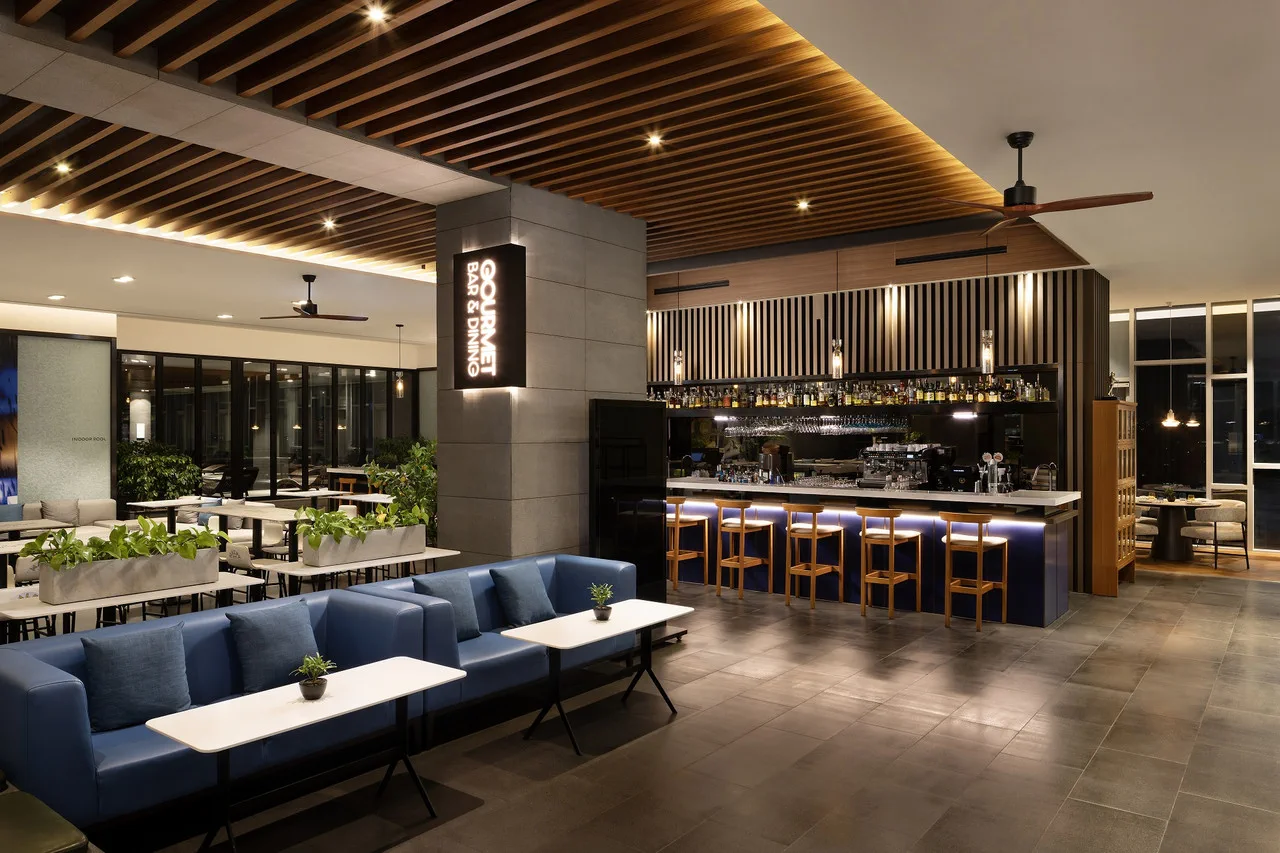
Sol Beach Yangyang
This type of coastal resort base suits a group that wants sea access, an easier post-surf recovery and a place where non-surfers can stay occupied. It cuts the awkward move with wet clothing after the lesson and makes a second-day beach start simple. Choose it when the coast itself is the trip; do not choose it merely because a map places it between every possible stop.
See Yangyang coastal staysNaksan Beach Hotel
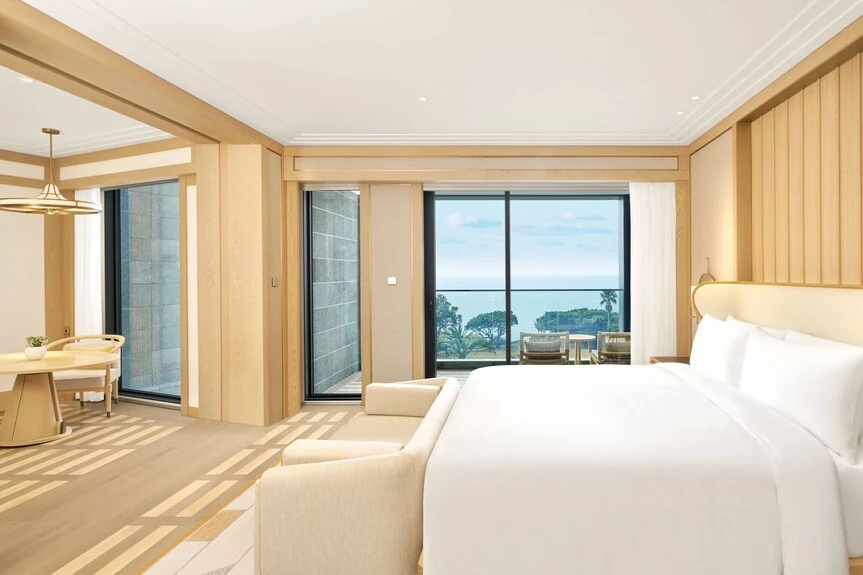
A Naksan base is more useful when the second day belongs to Naksansa, the beach and a slower coastal walk. You can start without a long morning transfer, return for a break and decide how much coast remains. The trade-off is a longer move to a surf school outside the Naksan area, so book the session around the actual meeting point rather than the hotel name.
Compare Naksan-area staysA coast base saves wet-gear transfers; a Naksan base saves the temple morning and an easier second-day start.
Day two: give Naksansa and the coast a readable order
Start at Naksansa when the group is rested. Choose the main temple spaces and one coastal outlook instead of trying to walk every branch. Leave enough time to descend, eat and make the next transfer without turning the temple into a rushed photo stop. After lunch, use Naksan Beach for a shorter shoreline walk or a final pause. If the wind turns hard, the group can return to the hotel or move directly toward the onward connection.
If the first-day surf session was cancelled, do not force the second day to recover every lost activity. Keep Naksansa as the anchor and add a short lesson only if the operator, conditions, equipment and return time all work. A cancelled session can become a good coastal day when the plan has permission to change; it becomes a bad day when every later stop is treated as compensation.
Driving and public transport have different costs
A car gives you a place for boards, wet towels and spare layers. It also gives one person parking searches, unfamiliar roads and the responsibility to drive after a tiring lesson. If only one traveller drives, keep the post-surf route short and do not turn the car into permission for a third beach.
Without a car, record four fixed points: the surf meeting location, the Naksansa entrance, the hotel and the onward terminal. Buses reduce driving pressure but add waiting and walking. A taxi can be valuable after a lesson, when wet gear and tired legs make a transfer expensive in effort, but it should not be treated as an unlimited fallback. Check the practical departure window for your date and keep one meal or rest block unbooked.
Four seasons, four changes to the same route
Spring: the air may feel comfortable for walking while the water and wind remain cold. Put dry layers, a warm meal and recovery before a long temple path. Use the brighter part of the afternoon for exposed coastal views.
Summer: surfing and beach time are attractive, but heat, crowds, parking pressure and storms can break a tightly packed route. Use the cooler part of the day for the lesson or Naksansa and keep shade and an early exit available.
Autumn: clear-feeling coastal walks can be comfortable, yet sunset arrives earlier and wind can change quickly. Finish the temple’s main section while there is good light, then eat near the hotel instead of racing for another shoreline.
Winter: make Naksansa and the coast the main story unless a current lesson and proper cold-weather equipment are confirmed. Wind, short daylight and a slow change back into dry clothes make a casual surf assumption poor value. A prepared group can still enjoy a crisp shore without entering the water.
Let different travellers use different edges of the day
One person can surf while another walks or rests, but the split needs a meeting plan. Agree on the meal and the time to regroup before anyone enters the water. At Naksansa, a slower walker can choose a shorter path while another traveller visits the main outlook, then both meet near the entrance or beach. A clear rendezvous is more useful than asking everyone to move at the same speed.
For children, older travellers or anyone uneasy with cold water, define success as returning warm and comfortable. They do not need to complete the lesson, every temple path and every beach. Keep the optional chapter visible so a tired person can stop without feeling that the whole trip has failed.
Five things to settle before leaving
- The surf meeting point, equipment, changing time and cancellation arrangement.
- The Naksansa section that matters most and the coastal section that can be deleted.
- The first useful departure from your hotel and the final practical route to the terminal.
- A wet-weather version with a shorter shoreline, a meal and an early return.
- Where wet clothing, boards, luggage and dinner will be handled after the lesson.
Make every transfer carry a purpose
The best route notes do not only list where to go next. They say what has to happen before the group can leave. After a lesson, the next movement should be “rinse, dry clothes, food, then travel”, not simply “taxi to the temple”. Before Naksansa, the group should know where shoes, bags and extra layers can stay. Before a bus or long drive, everyone should have water and a realistic toilet break. These details are small, but they prevent the familiar moment when a beautiful coast feels difficult because nobody planned the space between stops.
Keep one flexible meal in the plan rather than booking a distant restaurant at a precise minute. A lesson can finish later, a beginner can need more time, and a busy beach can make a short queue longer than the map suggests. Eating near the activity also gives the group a chance to decide together. If energy is high, continue to Naksansa. If someone is cold or tired, use the same meal as the end of the day and keep the temple for the next morning.
Pack for the movement, not for the photograph
Surfing days need a dry change of clothes, a bag that can separate wet items, water, sun protection and a light layer for the ride back. A towel or changing solution may be available, but do not build the route around an assumption that every facility will be ready when you arrive. Naksansa needs shoes that are comfortable on uneven surfaces and a layer that works in exposed wind. A small, organised bag helps more than carrying every possible beach item from the first transfer.
Keep valuables and phones away from the part of the bag that may become wet. Agree who holds the room key and transport details before the lesson. The non-surfer can keep a dry set of directions, but should not become the entire group’s luggage manager. When equipment is returned, check that nothing small has been left in a changing area. A two-minute reset at the coast is better than discovering a missing item at the temple entrance.
Three route variations for different arrival times
Early arrival: Leave bags, take the surf session and eat before the afternoon becomes crowded. If the group is still comfortable, use Naksan Beach for a short walk and save Naksansa for the following morning. This is the cleanest version because the fixed water activity is protected first.
Midday arrival: Do not force a late lesson and a full temple visit into the same afternoon. Walk one calm beach section, eat, and make the following morning the main surf or temple block. A one-night trip can still feel full when the first afternoon is treated as orientation rather than a failed checklist.
Late arrival: Go straight to the hotel, eat nearby and prepare clothes and directions for the next morning. The group will make better decisions after sleep. If the surf meeting is early, place Naksansa after recovery on day two; if the temple has the earlier practical window, visit it first and let the water remain optional.
Food and evening choices that protect the next day
After cold water, a simple hot meal is usually more useful than travelling for a famous menu. Choose somewhere that lets the group sit, dry out and leave without another long walk. If the hotel is near the coast, an early dinner creates a natural reset: wet clothes can be hung, bags can be repacked and the next morning’s route can be checked while everyone is still awake. A late meal far from the hotel can make the second day start with the wrong kind of tiredness.
On the Naksan day, let the coast decide the length of the evening. A clear sunset may invite a longer look, while cold wind or rain is a reason to return early. Do not make sunset the only reason a day succeeds. The group can keep the sea in memory through a short, safe viewpoint and still have a better night at the hotel.

What a good plan looks like for children and slower walkers
Children may enjoy the beach but dislike the waiting and changing around a lesson. Give them a clear choice: watch part of the activity, take a short walk with an adult, or rest at the hotel. At Naksansa, choose the main path first and leave optional steps for the people who still have energy. A snack and a promised meeting point reduce the number of decisions made while everyone is tired.
Older travellers or anyone with knee or balance concerns should not have to prove interest by completing the longest path. A shorter viewpoint and a comfortable meal can be the meaningful part of the visit. If the route has a place to sit before the next transfer, mark it in the notes. The best accommodation recommendation is often the one that makes a pause easy, not the one that sits closest to an extra attraction.
Keep one honest exit
Before leaving the hotel, name the point at which the route ends: after the lesson and lunch, after the temple’s key section, or when the return connection requires movement. This protects the group from adding one more beach simply because the map still has space. If the weather improves, the optional stop remains available. If the body or the road says no, the group already has permission to go back.
Yangyang is at its best when a traveller can say what the day was for. Maybe it was the first time standing on a board, a quiet view from the temple coast, or a shared meal after a windy morning. The route should make that memory easier, not ask the group to trade it for another unchecked pin.
Frequently asked questions
Can I surf and visit Naksansa on the same day?
Yes, when the lesson is early, the group allows time to change and eat, and Naksansa is treated as a shorter second chapter. A late lesson or fixed return means one part should move to the next morning.
Can I do this route without a car?
Yes, if the meeting point, temple entrance, hotel and onward terminal are connected before departure. A taxi can be useful for the tired wet-gear transfer, but the whole day should not depend on an immediate vehicle.
Which season is easiest?
Spring and autumn can suit coastal walking, summer offers more water activity but more heat and crowds, and winter needs a stronger land-based plan. Water temperature, wind and operating days matter in every season.
What should a non-surfer do during the lesson?
Give them a real choice: a short shoreline walk, a meal or a hotel break. Agree on a meeting point and do not make one person responsible for every bag and board.
Yangyang works when the sea activity is treated as physical work and Naksansa is treated as a place that deserves attention. Protect the main morning, use the hotel to reduce the most awkward transfer and let the second coast chapter shrink when weather or energy demands it. That is a stronger two-day route than collecting every nearby name.
KriNavi decision card
Best use of this page: Yangyang Surf and Naksan Coast: How to Build a Sea-Day Route
Core judgement: Build a realistic Yangyang two-day route around surf lesson time, Naksansa walking, coastal transfers, four-season conditions and a useful hotel base.
This card only reorganizes sources already listed by the page. Recheck live hours, prices, service, and restrictions for the travel date.