
Short answer: Choose the Yeongju route by the kind of learning your group can sustain. Start at Seonbichon when traditional activities, scholar-life context and a controlled village visit matter; start at Buseoksa when architecture, Buddhist practice and mountain setting are the point; combine them only after counting stairs, transfers, programme times and quiet observation. Current programmes, hours, fees, access and weather are to be checked.
- Seonbichon-led: use the village, museum and confirmed programme to build vocabulary before a shorter temple chapter.
- Buseoksa-led: protect the mountain-temple ascent, architecture and landscape, with enough time for etiquette and a calm return.
- Learning contrast: let scholar culture and Buddhist heritage remain distinct, then ask what each place teaches about practice and space.
- Mixed ability: choose a meeting point and a lower-effort version before anyone starts the stairs or road transfer.
What is the real choice?
Seonbichon and Buseoksa are best treated as two learning environments: one reconstructs and activates scholar culture, while the other asks visitors to climb into a living Buddhist mountain setting and read architecture with landscape. A traveller wants Yeongju’s Confucian and Buddhist heritage in one day but must choose how much time to give traditional activities, museum context, temple architecture, mountain scenery and a group with uneven walking stamina. The route is a decision about attention, effort, evidence and the right to change plans. Current access, weather, transport and facilities are to be checked.
Route and decision table
| Route | Choose it when | Suggested sequence | Trade-off |
|---|---|---|---|
| Anchor-only route | The group wants one complete experience with low transfer risk. | Start with the confirmed village or temple chapter and let the rest remain optional. | You give up breadth for depth and a calmer return. |
| Contrast route | The group can handle two linked chapters and has a time buffer. | Move from the less flexible or time-sensitive element to a shorter second chapter after checking access. | The transfer, queue and emotional or physical reset consume attention. |
| Depth route | Weather, stamina, daylight and the return are secure. | Add one deeper section: a learning programme or temple reading after the anchor. | A late change can erase the final return or make the day feel rushed. |
| Weather-safe short day | Rain, heat, wind, cold, mobility or a late start narrows the plan. | Keep the most controllable confirmed chapter, reduce exposure and retain a simple indoor or port-side fallback. | The broadest landscape, event or longest transfer remains for another visit. |
Two heritage places, two kinds of attention
Seonbichon Village presents the cultural heritage of classical scholars through traditional activities, a museum, food, hanok experiences and programmes that can change. Buseoksa is a mountain monastery with important architecture and a living religious setting. The route is not a contest between two “old Korea” attractions. It is a choice between social learning in a reconstructed village environment and attentive movement through a working temple landscape.
The Seonbichon source lists programmes such as humanities education, etiquette, tea, crafts, traditional food and overnight experiences, while Yeongju’s official page describes Buseoksa’s cultural assets and mountain setting. Current programme dates, reservations, language help, opening, admission, temple access, parking and transport are to be checked. Do not describe a programme as available merely because it appears on a static page.
Give the group a central question: how do built spaces teach conduct? At Seonbichon, the answer may come through an activity or museum display; at Buseoksa, through thresholds, stairs, halls, views and quiet. The question connects the day without flattening the traditions.
Put the less flexible experience first
A booked workshop, traditional ceremony or timed programme can determine the Seonbichon sequence. Buseoksa has its own pace, but the drive and ascent can also make it less flexible than a village visit. Check whichever element has the stricter window and build the other around it. Do not make a temple arrival so late that the group sees architecture only through fatigue.
Buseoksa is a place of Buddhist practice as well as heritage. Follow current signs, quiet zones, photography guidance, shoes and staff instructions. Seonbichon’s demonstrations and hanok spaces likewise deserve respect; ask before entering or photographing. Current barriers, construction, accessibility, rest areas and facilities are to be checked.
A village-led route suits travellers who want participation and explanation. A temple-led route suits those who want spatial and architectural observation. The trade-off is not active versus passive; it is scheduled learning versus open-ended attention.
Make the stairs and transfer visible
A mountain temple can look close on a map and still demand more time than a village loop. Count the slowest pace, pauses, weather, parking and the walk between the vehicle and the halls. The goal is not to reach a threshold at any cost. It is to arrive able to look, listen and behave respectfully.
For older travellers, children or anyone with a mobility concern, confirm the accessible approach, steps, slopes, seating, toilets and a meeting point. Do not promise that an iconic temple view is step-free. If one person cannot make the full approach, use the village and a lower-effort confirmed temple chapter rather than splitting without a return plan.
The transfer between Seonbichon and Buseoksa is also a cognitive cost. A group that has completed a hands-on programme may need food and rest before a mountain visit. Keep a reduced version that protects one meaningful space in each tradition.

Season and etiquette shape the day
Spring can make the village and temple grounds comfortable while programme demand changes. Summer offers long light but heat on stairs and busy activities. Autumn may reward architecture and mountain scenery while increasing weekend demand. Winter can make indoor village interpretation valuable and the temple atmosphere striking, but cold surfaces, early darkness and closures reduce flexibility.
Check current calendars, last admission, weather, trail or road conditions, temple notices, programme capacity, food and transport. A seasonal event can be an option, not the foundation, until it is confirmed. If weather threatens the temple approach, let Seonbichon and a confirmed indoor chapter carry the day without claiming they replace the mountain setting.
Plan clothing for both respect and comfort: quiet layers, secure shoes and enough time to dry or warm up. The best route leaves the group able to depart quietly rather than racing from a courtyard to the next connection.
Seasonal trade-offs
| Season | What becomes attractive | What becomes harder | Check before committing |
|---|---|---|---|
| Spring | Village programmes and temple grounds can share a measured day. | Rain, school groups, maintenance, festivals or changing access can compress the route. | Check current calendars, hours, reservations, weather, transport and the final return. |
| Summer | Longer light gives more flexibility, but stairs and outdoor activity cost more. | Heat, humidity, storms, crowds, wind and slippery or exposed surfaces raise the cost. | Check warnings, shade, water, indoor cooling, last entry, road or ferry status and safety rules. |
| Autumn | Architecture, mountain colour and village learning can share attention. | Events, weekend demand, shorter daylight or closures can increase pressure. | Check crowding, sunset, programmes, parking, tickets, weather and the final transfer. |
| Winter | Indoor village context can balance a cold temple approach. | Cold, ice, wind, early darkness, ferry or venue closures reduce flexibility. | Check warnings, daylight, heating, clothing, access, food, transport and the safe return. |
Five positive evidence signals
- The group can name the anchor experience and the trade-off it accepts.
- The route uses official interpretation and a confirmed public relationship between place, history or landscape.
- Hours, access, transport, weather, facilities, tickets and closure or event risks are checked close to travel.
- A shorter route, rest point and safe final return exist for the least confident traveller.
- When one variable changes, the remaining route still answers the original decision question.
Five negative evidence signals
- The plan assumes a course, ferry, boat, gallery, programme, launch or viewpoint is operating because an old page names it.
- A ruin, memorial, sacred place, working village or scientific facility is treated as a neutral photo backdrop.
- A long transfer, controlled access rule or ferry return is hidden behind the word “nearby.”
- The itinerary assumes equal stamina, mobility, emotional comfort, weather tolerance or interest across the group.
- The final return, food, toilets, quiet pause and bad-weather choice are missing or left to improvisation.
Three practical route shapes
Anchor then contrast: protect the main learning chapter, then add one related environment only if current conditions support it.

Field decisions before leaving
Ask the group to compare one object and one movement in each place. At Seonbichon, an object might be a classroom, tool or craft; at Buseoksa, a hall, pillar or threshold. A movement might be making, bowing, climbing or pausing. The exercise makes cultural difference tangible without reducing either tradition to a souvenir.
Language and age differences are easier to manage when the village programme and temple visit have separate expectations. A child can make or observe at Seonbichon while an adult reads context; at Buseoksa, everyone can share a quiet view even if not everyone reads every sign. Check current language support and programme suitability.
If the route loses an hour, remove the extra village activity or distant Yeongju stop before cutting the temple’s quiet time or the return margin. A shorter contrast is more respectful than an itinerary that arrives at both places exhausted. Keep one confirmed food and rest option.
Before departure, verify Seonbichon hours, programme, reservation, Buseoksa access, etiquette, parking, transport, weather and any seasonal closure. Mark changing details as to be checked, especially activities and road conditions.
Keep one minute of silence or still observation at each heritage setting, but do not impose a single spiritual response. The village and temple can be meaningful in different ways. Let the group describe what each place asks visitors to notice, and allow that answer to remain personal.
If a guide, craft activity or temple room is unavailable, use the architecture and landscape already present rather than filling the gap with invented history. A smaller, well-supported claim is more useful than a polished story that has no current source.
Use a final decision audit for this Yeongju Seonbichon and Buseoksa Route Decision: Scholar Village or Mountain Temple day. Write down the experience the group would protect if weather, security, ferry, programme or access changed; the transfer that must be checked; the stop that can be removed; and the place where everyone can rest and leave safely. If the proposed route depends on a particular opening, event, view, fare, service, season, operator, ticket or surface condition, keep the claim conditional until a current source confirms it. Give travellers with different pace, mobility, dietary, language or comfort needs a real option, not a footnote. A route earns its place when it still makes sense after one variable changes. Preserve the distinction between what official material establishes and what remains to be checked, and let the day finish before fatigue turns a meaningful place into a rushed obligation.
FAQ
Can I see Seonbichon and Buseoksa in one day?
Yes only with a realistic transfer, walking pace and a decision about which learning experience is primary. Check programmes and temple access first.
Are Seonbichon programmes always available?
No. The official source says programmes can change. Check dates, reservations, language help, fees and suitability.
Is Buseoksa accessible without stairs?
Do not assume. Verify the approach, steps, slopes, seating and alternatives for your group.
How should I behave at the temple?
Follow current signs, quiet areas, photography rules, footwear guidance and staff instructions. It is a living religious site.
What if the group has different interests?
Let the village carry participation and the temple carry quiet observation, with a fixed meeting point and a reduced version.
What should I check?
Check programme, museum hours, temple access, etiquette, weather, parking, transport, food and the return.
Where to stay for a two-heritage day
Yeongju GG Hotel
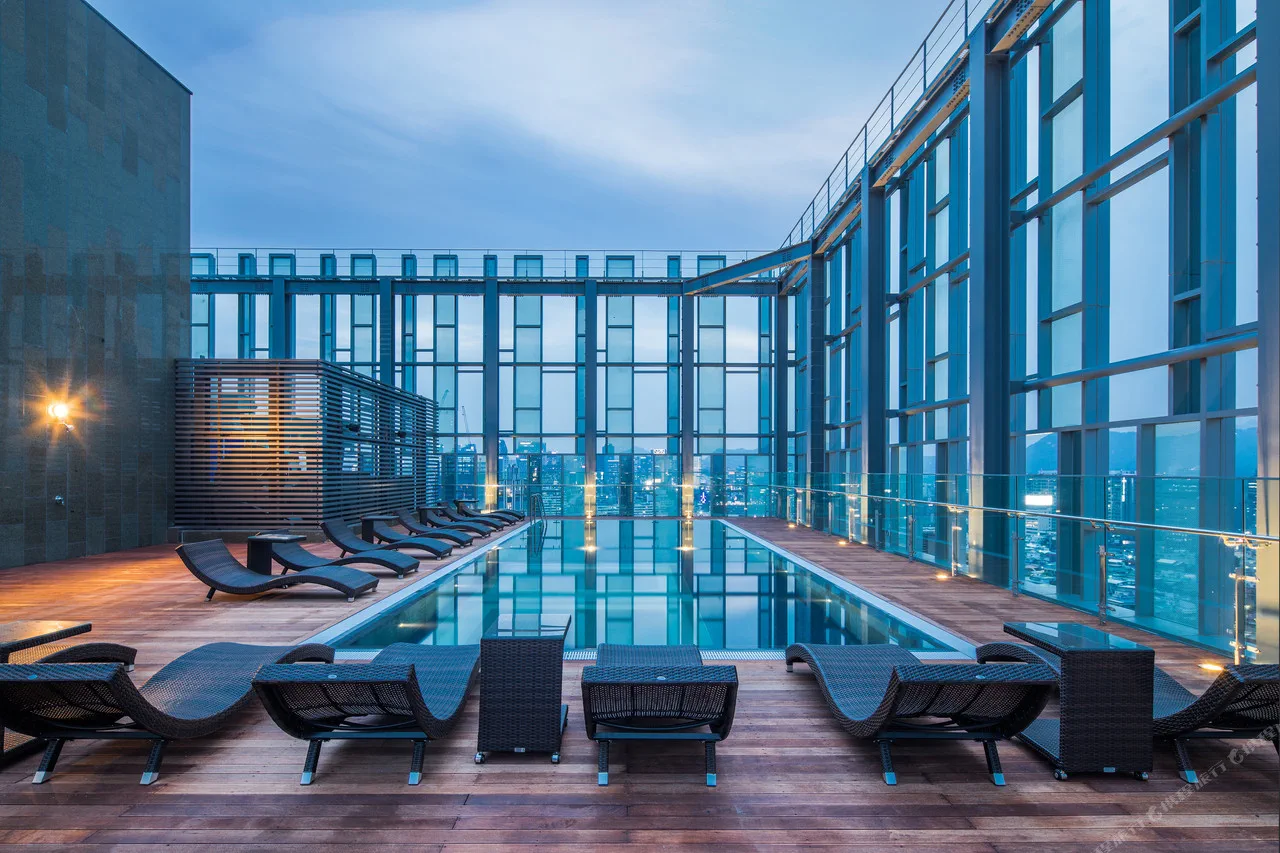
Choose Yeongju GG Hotel when Seonbichon and Buseoksa need to share a realistic day rather than a rushed transfer. A city base gives the group an easier meal, luggage and rest point after the village, while the temple can be shortened when stairs, weather or the return make a full mountain visit unwise.
Open Yeongju stay optionsChoose the heritage anchor first, then use the return time to select the room.
KriNavi decision card
Best use of this page: Yeongju Seonbichon and Buseoksa Route Decision: Scholar Village or Mountain Temple?
Core judgement: Choose a Yeongju route by balancing Seonbichon’s scholar-life interpretation, Buseoksa’s mountain-temple setting, stairs, time and seasonal access.
This card only reorganizes sources already listed by the page. Recheck live hours, prices, service, and restrictions for the travel date.