
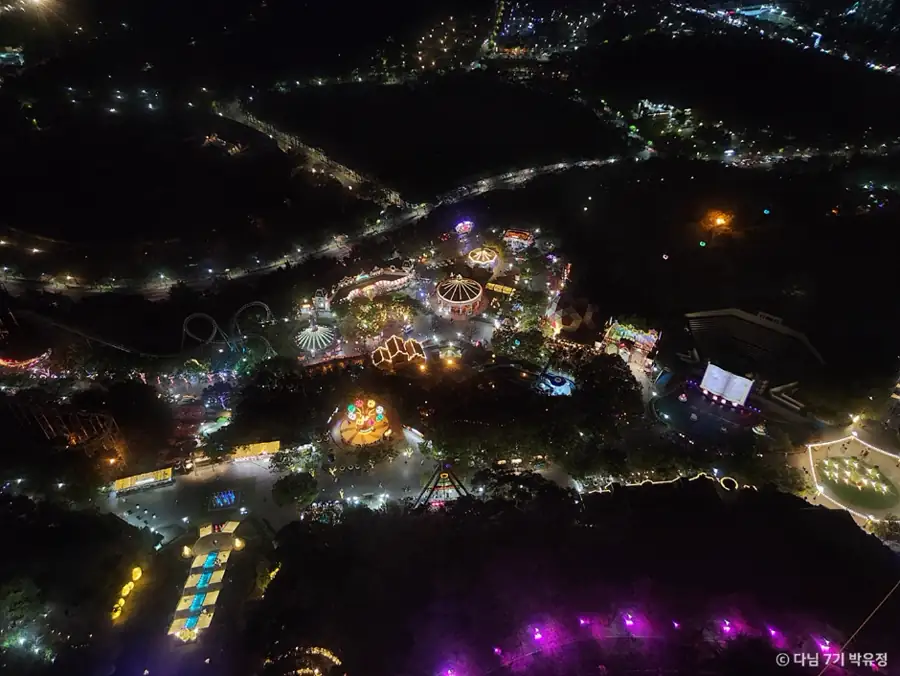
Bongmu and the lower slopes of Palgongsan can make a satisfying Daegu half day when the route is allowed to stay low. The useful question is not whether the group can claim a summit, but how much climbing, shade and transfer time the day can absorb. Keep Bongmu as the local start, mark a retreat point, and add a longer foothill section only when everyone still has energy.
Separate the neighbourhood from the mountain
Bongmu gives the day a softer opening: a meal, a short walk and time to settle the pace before the terrain rises. The foothill is a different commitment, with uneven surfaces, changing shade and fewer convenient places to stop. Joining both in one line works for active travellers who start early. For a mixed group, let the shorter plan finish at a clear viewpoint or rest area while the stronger walkers continue only if the return route remains simple.
Do not choose by the number of pins on a map. A stop that looks close may require a separate wait, road crossing or climb. Decide which view or woodland section is non-negotiable, then remove the detour that adds the most uncertainty. Public transport requires time for the last walk from the stop; driving requires time to park and walk back to the trail. A taxi can rescue a tired return, but it should be a backup rather than the only way the itinerary works.
Seasonal route decisions
Spring is comfortable for a longer foothill walk, although wet ground can slow the first climb. Keep footwear practical and avoid turning a flower expectation into a fixed promise. Summer belongs to an early start. Use the cooler low section first, carry water and leave the steepest exposed part before midday. A shorter Bongmu route followed by an indoor meal is a complete plan, not a failed mountain day.
Autumn often rewards the longer version because the air is clearer and the trees give the route its colour. Leave enough time for the descent; taking photos uphill does not make the return shorter. Winter changes the calculation again. Wind and frozen ground can make a small slope tiring, so choose a sunny lower section and finish before the light fades. If conditions are poor, keep the neighbourhood walk and move the mountain to another day.
Choose a base that helps
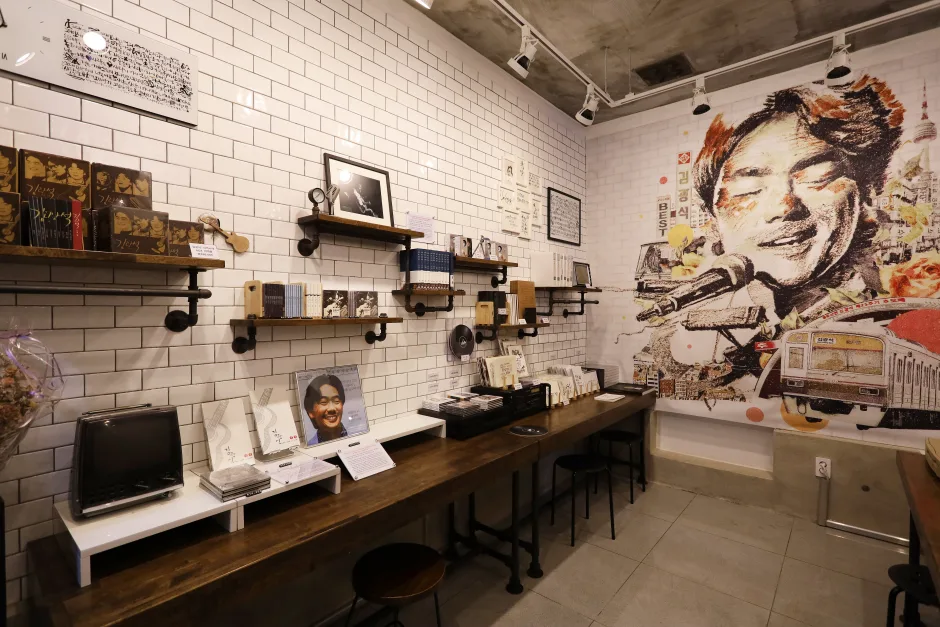
A stay near the Bongmu or Palgongsan approach is useful when the mountain is the first purpose of the day: the group can leave early and return without crossing Daegu after a long walk. A central Daegu base makes more sense when this is one day inside a food, market or rail-focused trip. The reason for the hotel choice is recovery and the next connection, not a generic claim that one district is best for everyone.
Book the version you can finish
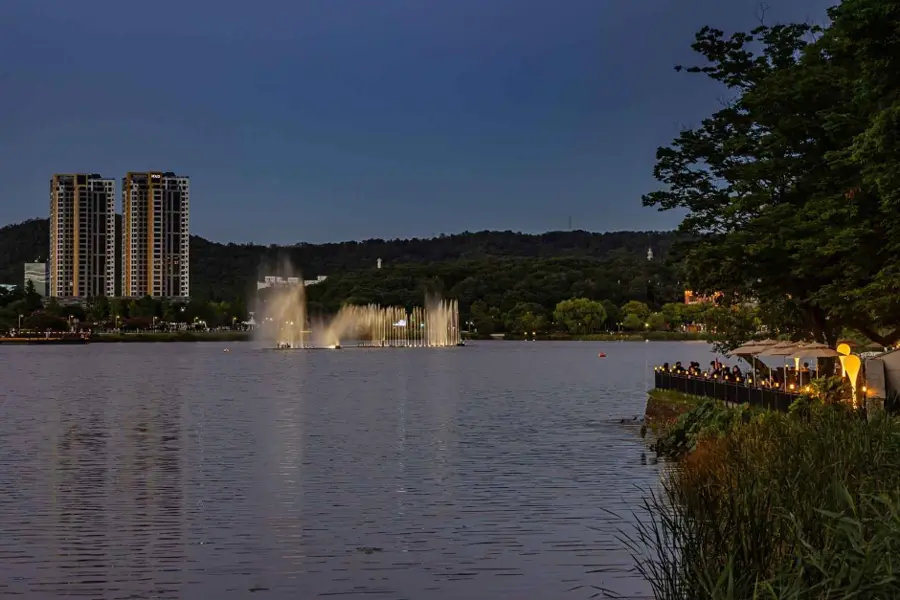
Write three limits before leaving: the starting time, the maximum climbing effort and the latest return. Check transport, trail conditions, weather and any facility restrictions close to departure. If the group wants a gentle outing, reserve the Bongmu-and-lower-slope version. If everyone accepts a longer walk, add one foothill section and keep the retreat point visible. Open the detailed Bongmu and Palgongsan route and choose the half-day plan that fits your group.
KriNavi decision card
Best use of this page: Daegu Bongmu and Palgongsan Foothill: A Route for a Quiet Half Day
Core judgement: Decide how to combine Bongmu, the Palgongsan foothill and a slower Daegu base by season.
This card only reorganizes sources already listed by the page. Recheck live hours, prices, service, and restrictions for the travel date.