
Yangnim Penguin Village is easier to understand as a lived neighbourhood than as a collection of painted walls. Its small lanes, older buildings and memory-filled corners reward a slower walk, but the route can become tiring when every sign becomes a separate mission. Choose a history-led spine, leave room to read and pause, and let the village finish before adding another Gwangju district.
Walk for layers, not a checklist
Begin with the part of the neighbourhood that explains why the lanes look and feel different. Give yourself time to read, notice changes in building scale and understand where a public street becomes a residential edge. The most photographed object is not necessarily the best starting point. A short route with attention can be richer than a long circuit made only for pictures. Keep one or two side streets for curiosity, not ten extra pins.
Heat and slope decide the pace. In a mixed group, agree on a meeting point near a shaded or indoor pause. Someone who wants to look closely should not be hurried by someone who has already finished taking photographs. Public transport needs a walk from the stop and a return connection; a car needs a realistic parking and exit plan. Put lunch after the history section so a queue does not cut the route in half.
Seasonal reading of the village
Spring is comfortable for a detailed walk and the softer light helps with older facades. Keep rain protection because narrow lanes can become slippery. Summer should start early or move toward late afternoon. Shade is not distributed evenly, so a shorter history route plus a long indoor pause is often better than a full circuit. Autumn supports a measured neighbourhood loop, with time for a nearby meal instead of another distant sight.
Winter makes the village quieter but increases the cost of standing still. Select fewer corners, use warm cafés as planned pauses and finish before the cold becomes the main memory. If rain or poor air makes close observation unpleasant, preserve the strongest street and pair it with an indoor cultural stop. The route should serve the story, not prove endurance.

Sleep where the next day needs you
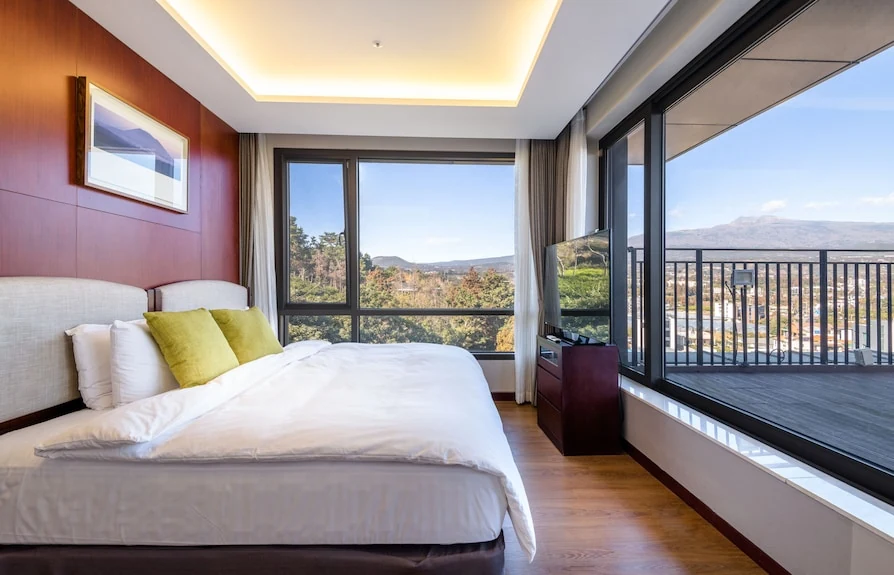
A Yangnim-area base helps when you want to begin before the streets fill and return for a break. A central Gwangju base is more useful when this is a half day between food, rail or another neighbourhood. Pick the base that reduces the transfer after the group has been walking and makes the following morning simple. The right reason is recovery and route fit.

Make the village readable
Before departure, choose one history section, one rest point and one finishing meal. Check access, weather, transport and accommodation location close to the visit. Keep the extra district optional. Open the detailed Yangnim history route and plan a half day that leaves space to notice the neighbourhood.
KriNavi decision card
Best use of this page: Gwangju Yangnim Penguin Village: A History-Led Walking Route
Core judgement: Plan Yangnim Penguin Village around its historic lanes, small exhibits, heat, rain and a Gwangju base.
This card only reorganizes sources already listed by the page. Recheck live hours, prices, service, and restrictions for the travel date.