
Short answer: make Sacheon Sea Cable Car the anchor only when the group wants to understand the coast from above. Treat Samcheonpo harbour as the ground-level chapter, not as a quick photo stop between stations. A workable day is cable car first, one side explored at a defined turning point, a proper meal, then a short harbour or shoreline block. If wind, haze, queues or transport make the ride uncertain, keep the harbour route and return as the main plan.
- Panorama is the priority: go to the cable-car station early, ride while the view and wind are useful, then choose either the Choyangdo side or the Gaksan side instead of walking both without a limit.
- Harbour life is the priority: start at Samcheonpo, allow time for food and a slow shoreline look, and add the cable car only after the ground route has a clear finish.
- You do not have a car: protect the station-to-harbour transfer and the last ride back to your base. A taxi can save a difficult final connection; a bus is better when you have slack.
- Someone dislikes heights or motion: make the harbour a complete option. Nobody should have to ride for the itinerary to count.
- The forecast is unsettled: choose an overnight or a short ground route, and do not use a bright photograph as proof that the cabin will have the same visibility.
What this route is actually combining
The cable car and Samcheonpo are close enough to appear on one map but different enough to demand separate decisions. The ride gives a high view of mountain, sea and islands. The harbour shows boats, roads, food, working edges and the pace of a coastal town. The Choyangdo side and the Gaksan side do not ask for the same amount of walking, and the time printed for a ride does not include arrival, tickets, waiting, boarding, getting oriented or returning to the road.
Start by writing one sentence for the day: “We are going up to read the geography,” or “We are staying at ground level to experience the harbour.” The second activity may be added if it answers a different question. It should not be added simply because the map makes another pin look close. This rule keeps children, older travellers and drivers from paying for a rushed extra stop.
A route that works from arrival to return
| Version | Order | Best for | Cut first |
|---|---|---|---|
| Cable-car anchor | Base or terminal → cable-car station → ride → one chosen side → meal → short harbour look | First-time visitors who want a broad coastal frame | The second side and any distant sunset stop |
| Harbour anchor | Samcheonpo harbour → meal → shoreline chapter → cable car only if operation and energy remain | Travellers who care about food, boats and a slower day | The ride if the queue or wind no longer adds value |
| Half-day view | Station → ride → one viewpoint → direct return to town | Arrival days, departure days and mixed-mobility groups | Harbour walking beyond the meal |
| Overnight buffer | Day one harbour and food → sleep near the chosen base → day two ride or a weather-safe coast | People who do not want one closure to erase the whole visit | Any attraction not near the return direction |
For the full-day version, set a turning point before leaving: one side of the cable car, one harbour section and one meal. The turning point is not a failure line. It is how the group keeps a return buffer when a ticket queue expands or a taxi takes longer than expected.
The actual sequence and the transport trade-off
- Before departure: check the current operation, final boarding, weather notices and the location of the entrance you will use. Save the route from your accommodation or terminal to the station and from the station to Samcheonpo.
- At the station: allow time for parking, walking, tickets and toilets. Decide whether the group will get off at one side or ride back without an extended stop. Keep bags out of a steep or exposed walk.
- After the ride: rest before choosing a second block. A short cabin journey can still be tiring when it includes waiting, wind and a crowded platform.
- At Samcheonpo: make food a real stop. Choose a public harbour or shoreline section, respect work areas and leave enough time to find the next vehicle.
- Close the day: return before the last connection becomes the only option. On a departure day, carry the luggage plan into the route rather than hoping a bag can be left somewhere.
Public transport is sensible when the day has slack and the group is comfortable waiting. It keeps the meal and harbour flexible, but a missed service can turn the final leg into a long walk. A taxi is useful for the awkward link between the station, harbour and accommodation, especially with children, older companions or bags. Treat its time and fare as a travel-day decision because traffic, pickup and demand change. Driving gives more control over the first entrance but adds parking, navigation and a designated-driver burden. Choose a car to solve a specific transfer, not to collect every viewpoint.
Choyangdo and Gaksan: choose the side by purpose
The island-facing side is useful when the group wants a sense of water and open horizon, while the mountain-facing side helps explain the relationship between the coast and the inland ridge. The exact walking opportunities, facilities and access route must be checked on the day. Do not promise that every platform, shop or side attraction will be open with the same ticket or within the same time window.
If the group is short on energy, choose one side and return. If the view is the only reason for boarding, the ride itself may be enough. If children need a concrete activity, pair the cabin with a short, safe ground-level stop rather than a long exposed walk. Someone who is motion-sensitive should be offered the harbour route without being treated as the person who has changed the plan.

Samcheonpo is not a substitute panorama
At harbour level, the useful details are close: boats, loading roads, food, sea walls and how residents move through the waterfront. That experience is different from a cabin view. Choose a confirmed public section and keep away from active work zones, restricted edges and slippery rocks. If the group wants photographs, stop before the working lane rather than stepping into it for a better angle.
Food needs its own time. A market or seafood meal may involve a queue, a changing menu, a payment preference or a closed stall. Anyone with allergies or a different diet needs a second option before the group arrives. A harbour evening is worthwhile when it lets everyone sit and leave calmly; it is not worthwhile if the final bus is being chased while dinner is still on the table.
Where to stay for this route
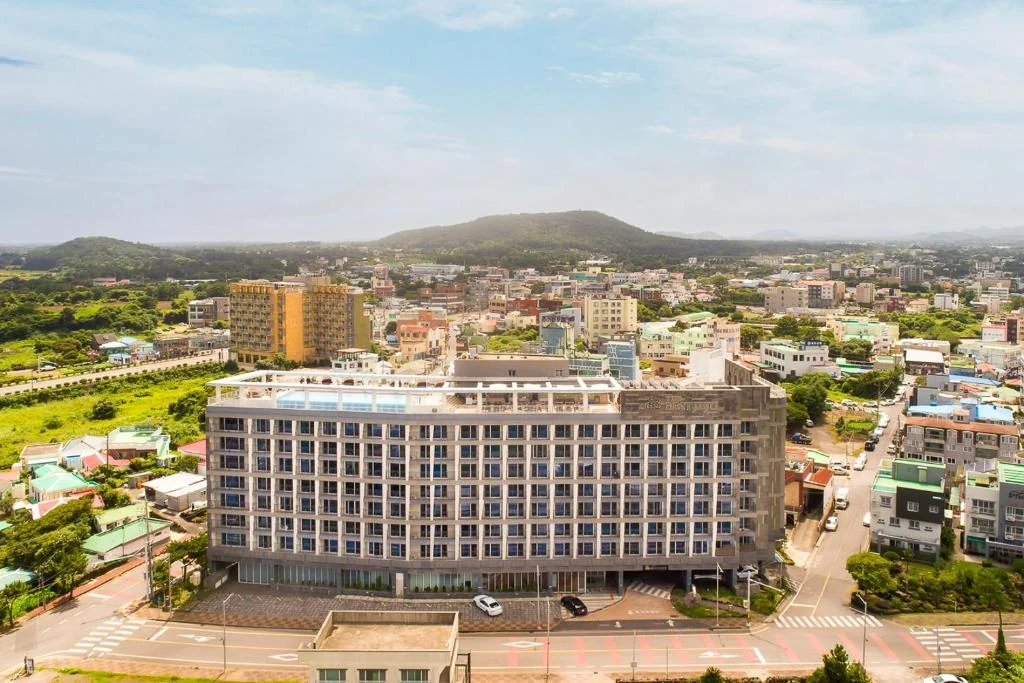
Arte Resort Spa & Pool Villa: choose it for a coast-led evening
This type of base fits travellers who want the sea to remain part of the day after the ride. It makes a slower coastal dinner and a rest between the cable car and the harbour more realistic, especially for a group that does not want to cross town twice at night. Choose it for atmosphere and recovery space; confirm the exact transfer, check-in, room availability and the late return before fixing the route around it.
Match a coastal stay to the cable-car daySacheon Grand Tourist Hotel: choose it for a controlled transit base
A city-side hotel is more useful when the next morning, terminal connection or taxi pickup matters more than sleeping beside the water. It can make luggage handling and an early departure easier, while the harbour remains a deliberate daytime trip. Choose it when the route needs control and a clear return, and confirm the hotel-to-station and hotel-to-harbour leg before relying on a short map distance.
Plan the practical Sacheon baseFour seasons, four different limits
Spring
Mild air can support the ride and a harbour walk, but sea wind may still feel sharp on an exposed platform. Use the clearest part of the day for the high view and keep a warm meal in the middle. Spring events and weekend traffic can change the queue, so do not let a comfortable temperature become a promise of easy boarding.
Summer
Long daylight helps, but heat, humidity and sudden storms make an open station and a shoreline more demanding. Start early, carry water and give the group shade before adding the harbour. Lightning or heavy rain can alter operation and walking conditions quickly; keep an indoor meal or direct return ready.
Autumn
Clearer air can make the geography easier to read, which is exactly when visitors tend to add one more side, bridge or sunset. Fix the final return and choose one ground-level chapter. Weekend traffic, events and an earlier sunset should be treated as route limits, not as minor inconveniences.
Winter
Cold wind is amplified at the station and on the water, while daylight disappears earlier. Wear shoes suitable for wet or cold surfaces, shorten the side walk and make a warm meal a planned recovery. Check access, maintenance, road conditions and the return before treating a crisp horizon as a reason to extend.

Positive signals and stop signals
Keep the combined route when
- The cable car has a clear purpose and the harbour adds a different scale.
- Operation, wind, visibility, queues, access and the final ride have been checked.
- The group has a defined side, meal and turning point rather than an unlimited list.
- A taxi, bus or car plan covers the awkward transfer without removing the return buffer.
- The day still works if the second activity is cut.
Stop or simplify when
- One missed service would threaten the evening connection or check-in.
- Wind, haze, rain or motion removes the reason for the high view.
- The harbour route is being rushed to protect a second viewpoint.
- A companion is tired, cold, uncomfortable or unable to use the exposed route.
- The group is adding places only because the map makes them look close.
The decision to take away
Sacheon becomes easier when the cable car and Samcheonpo are allowed to do different jobs. Use the ride to understand mountain, water and island scale. Use the harbour to eat, walk and notice the working coast. Keep Choyangdo or Gaksan as a deliberate choice, not a requirement to visit both. Protect the last transfer, and let wind, visibility and group energy remove the optional half without making the day feel unfinished.
Choose the high view or the harbour first, then fit the second chapter only when the route still has room.
KriNavi decision card
Best use of this page: Sacheon Sea Cable Car: How to Build a Samcheonpo Coast Day
Core judgement: Plan Sacheon Sea Cable Car, the Choyangdo and Gaksan sides, Samcheonpo harbour and a realistic return with seasonal and transport trade-offs.
This card only reorganizes sources already listed by the page. Recheck live hours, prices, service, and restrictions for the travel date.